Skip to content

Lesson 9/202 · 11 words · 0 learned

Accountancy

  1. 1

    asset(noun)

    /ˈæset/

    something of value that a business owns or controls and expects to bring future economic benefit

    Cash, inventory and machinery are all assets of the company.

    The company sold some assets to reduce its debt.

    Synonymsresourcepropertycapitalholdingbelongingpossessionfortunewealth
    Antonymsliabilitydebtburden
  2. 2

    expense(noun)

    /ɪkˈspens/

    a cost that a business has in order to earn revenue, such as rent, wages or electricity

    Office rent is our biggest monthly expense after staff salaries.

    Each expense must be supported by a valid invoice.

    Synonymscostexpenditureoutlaypricecharge
    Antonymsincomerevenueprofitsavings
  3. 3

    income(noun)

    /ˈɪnkʌm/

    the money that a person, a region, a country, etc. earns from work, from investing money, from business, etc.

    His income is too low to help his family.

    a weekly disposable income(= the money that you have left to spend after tax, etc.) of £200

    Synonymsearningsrevenuewagesalaryprofitpayreceipts
    Antonymsexpenditureoutlaylossdebtexpense
  4. 4

    cash(noun)

    /kæʃ/

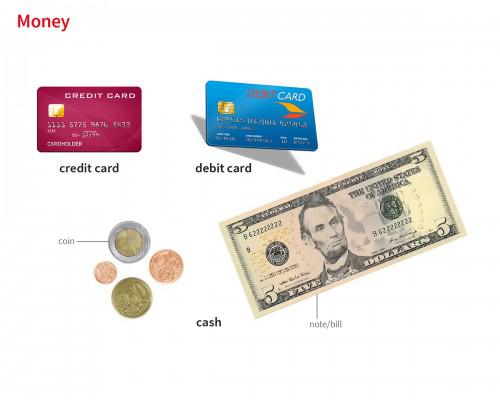
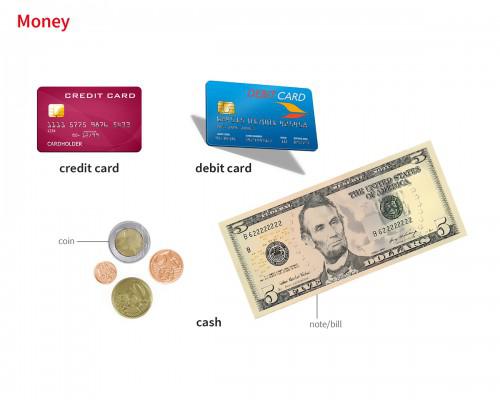
    money in the form of coins or notes

    Payments can be made by cheque or in cash.

    How much cash do you have on you?

    Synonymsmoneycurrencyfundslegal tender
    Antonymscreditdebtcredit cardIOU
  5. 5

    accountancy(noun)

    /əˈkaʊntənsi/

    the work or profession of an accountant

    I spoke to my advisor and switched to accountancy for the next year.

    Synonymsaccountingbookkeepingfinancial record-keepingauditing
    Antonymsnon-financial activity
  6. 6

    balance sheet(noun)

    /ˈbæləns ʃiːt/

    a financial statement showing what a company owns, owes and the owners' equity on a particular date

    The balance sheet shows total assets of 120 billion dong at 31 December.

    A strong balance sheet helped the company borrow at a lower rate.

    Synonymsstatement of financial positionstatement of financial conditionfinancial statement
    Antonymsincome statementprofit and loss statement
  7. 7

    bookkeeper(noun)

    /ˈbʊkkiːpər/

    a person whose job is to record the daily financial transactions of a business

    Our bookkeeper enters all sales invoices into the system every afternoon.

    Small shops often hire a part-time bookkeeper instead of a full-time accountant.

    Synonymsaccountantclerkrecorderledger keeperfinancial clerk
    Antonymsspendthriftauditormanagerdirector
  8. 8

    cash at bank(noun)

    /kaʃ at baŋk/

    a phrase written in a company's financial records to show how much money it has in the bank

    Cash at bank is considered a highly liquid form of current asset.

    Synonymsbank balancefunds in bankmoney in bank
    Antonymsoverdraftbank debtliabilities
  9. 9

    cash in hand(noun)

    /kaʃ ɪn hand/

    an amount of cash a company has available after all its costs have been paid

    The deal leaves the company with £25m cash in hand to buy new stock.

    Synonymsavailable cashliquid assetscash on handready money
    Antonymscreditdebtliabilitiesilliquid assets
  10. 10

    cash in transit(noun)

    /kaʃ ɪn ˈtrɑːnzɪt/

    money that is being moved from one place to another, for example from a shop to a bank

    The security company is responsible for all cash in transit between our branches.

    Synonymsmoney transportsecure transportvaluables in transitcash logistics
    Antonymsdeposited fundsstored cashstationary money

  11. 11

    equity(noun)

    /ˈekwəti/

    the owners' share of a business, equal to total assets minus total liabilities

    Equity increased because the company kept most of its profit.

    The bank prefers companies with a strong equity base.

    Synonymsownershipstakesharestockcapital
    Antonymsdebtliability