コンテンツへスキップ

レッスン11/16 · 12語 · 覚えた単語 0

Lesson 11: NATURAL PARKS

第11課:自然公園

  1. 1

    explore(verb)

    /ɪkˈsplɔːr/

    探検する (tankensuru)

    to travel to or around an area or a country in order to learn about it

    The collector likes to explore antique shops looking for bargains

    コレクターは掘り出し物を探して骨董品店を探検するのが好きです。

    While his mother shopped for clothes, Michael wandered off to explore the toy section

    類義語investigateexamineresearchsurveyprobediscoverscout
    対義語ignoreneglectoverlookdisregard
  2. 2

    abandon(verb)

    /əˈbændən/

    見捨てる, 置き去りにする

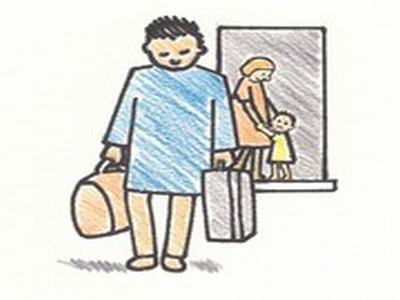
    to leave somebody, especially somebody you are responsible for, with no intention of returning

    The baby had been abandoned by its mother outside a hospital.

    その赤ちゃんは、病院の外に母親によって置き去りにされていた。

    類義語relinquishdesertforsakeleavequitrenouncewaive
    対義語keepretaincontinuemaintainsupport
  3. 3

    butterfly(noun)

    /ˈbʌtərflaɪ/

    蝶 (chō)

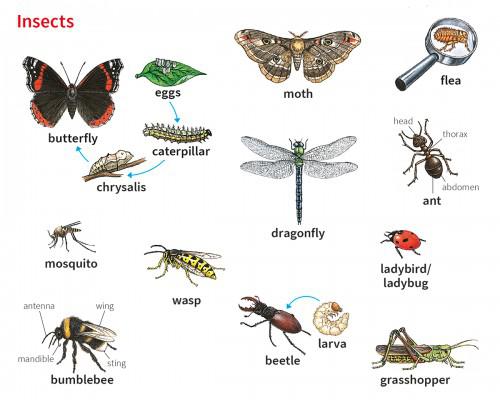
    a flying insect with a long thin body and four large, usually brightly coloured, wings

    Butterflies are a type of insect with large often brightly coloured wings.

    蝶は、大きく、しばしば鮮やかな色の羽を持つ昆虫の一種です。

    類義語lepidopteranflutterby
  4. 4

    flora(noun)

    /ˈflɔːrə/

    植物相

    the plants of a particular area, type of environment or period of time

    We were surprised at the various flora in this area.

    この地域の多様な植物相に驚きました。

    類義語vegetationplant lifeplants
    対義語faunaanimal life
  5. 5

    fauna(noun)

    /ˈfɔːnə/

    動物相

    all the animals living in an area or in a particular period of history

    the local flora and fauna

    地元の動植物相

    類義語wildlifeanimal lifecreaturesbeasts
    対義語floraplantsvegetation
  6. 6

    endanger(verb)

    /ɪnˈdeɪndʒər/

    危険にさらす

    to put somebody/something in a situation in which they could be harmed or damaged

    Smoking endangers children's health.

    喫煙は子供たちの健康を危険にさらします。

    類義語jeopardizeimperilthreatenhazardcompromiserisk
    対義語protectsafeguardguarddefendpreserve
  7. 7

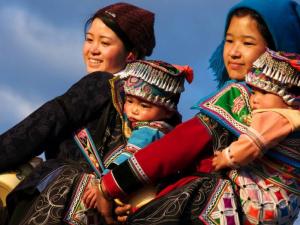
    ethnic minority(noun)

    /ˌeθnɪk maɪˈnɔːrəti/

    少数民族

    an ethnic group (= a group of people that share a cultural tradition, religion, etc.) , or a member of this group, living in a country where the main ethnic group is different

    There are a large number of ethnic minorities in this country.

    この国には多数の少数民族がいます。

    類義語minority groupethnic groupsubordinate group
    対義語majoritydominant group
  8. 8

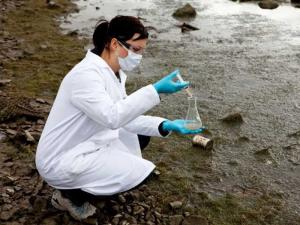
    contamination(noun)

    /kənˌtæmɪˈneɪʃn/

    汚染 (osen)

    the process or fact of making a substance or place dirty or no longer pure by adding a substance that is dangerous or carries disease

    The water supply is being tested for contamination.

    給水が汚染されていないか検査されています。

    類義語pollutiontaintdefilementimpairmentinfection
    対義語puritysterilitycleannesssanitation
  9. 9

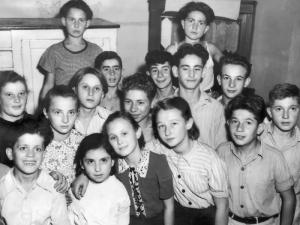
    orphan(noun)

    /ˈɔːrfn/

    孤児, みなしご

    a child whose parents are dead

    The little boy became an orphan after his parents died in the war.

    その少年は両親が戦争で亡くなり、孤児になった。

    類義語waifabandoned childbereaved childfatherless childmotherless child
    対義語parentedsupportedcared foradopted
  10. 10

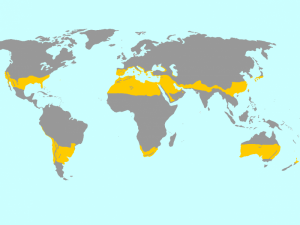
    sub-tropical(adjective)

    /ˌsʌbˈtrɒpɪkəl/

    亜熱帯 (anettai)

    in or connected with the regions that are near the tropics

    Vietnam has a sub-tropical climate.

    ベトナムは亜熱帯気候です。(Betonamu wa anettai kikou desu.)

    類義語semi-tropicalnear-tropical
    対義語tropicaltemperatearcticpolar
  11. 11

    wilderness(noun)

    /ˈwɪldərnəs/

    荒野 (kouya)

    a large area of land that has never been developed or used for growing crops because it is difficult to live there

    The Antarctic is the world's last great wilderness.

    南極は、世界で最後の偉大な荒野です。

    類義語desertwastelanduncharted territoryuncultivated landbackcountrythe wilds
    対義語civilizationcultivationurbanizationdevelopment
  12. 12

    fine(noun)

    /faɪn/

    罰金

    a sum of money that must be paid as a punishment for breaking a law or rule

    He had to pay a fine for throwing rubbish in the park.

    彼は公園にごみを捨てて罰金を払わなければならなかった。