コンテンツへスキップ

レッスン5/38 · 110語 · 覚えた単語 0

Food Drink

食べ物と飲み物

  1. 1

    ingredient(noun)

    /ɪnˈɡriːdiənt/

    材料 (zairyō)

    one of the things from which something is made, especially one of the foods that are used together to make a particular dish

    I was unfamiliar with some of the ingredients in the dish

    私はその料理のいくつかの材料に慣れていませんでした。

    The chef went to the farmer's market to select the freshest ingredients for tonight's menu

    類義語componentelementconstituentfactorpartelement
    対義語wholeentiretyentity
  2. 2

    taste(noun)

    /teɪst/

    味, 風味

    the particular quality that different foods and drinks have that allows you to recognize them when you put them in your mouth

    This soup has a strange taste; I think it needs more salt.

    このスープは変わった味がする。塩がもっと必要だと思う。

    類義語preferencelikingdiscernmentstyleflavorpalate
    対義語distastedislikeaversionrepulsion
  3. 3

    chicken(noun)

    /ˈtʃɪkɪn/

    鶏 (niwatori)

    a large bird that is often kept for its eggs or meat

    They keep chickens in the back yard.

    彼らは裏庭で鶏を飼っている (Karera wa uraniwa de niwatori o katte iru).

    free-range chickens

    類義語poultryfowlbiddy (informalfor a young hen)
    対義語none (in the literal sense of the animal)hawk (predator)
  4. 4

    pour(verb)

    /pɔːr/

    注ぐ (sosogu)

    to make a liquid or other substance flow from a container in a continuous stream, especially by holding the container at an angle

    Pour the sauce over the cake.

    ケーキにソースをかける。

    Pour away as much fat as possible from the roasting pan.

    類義語spilltipdecantdrizzlestreamemptydischarge
    対義語collectgatherholdretainkeep
  5. 5

    breakfast(noun)

    /ˈbrekfəst/

    朝食 (choushoku)

    the first meal of the day

    What time do you have breakfast?

    朝食は何時ですか?(Choushoku wa nanji desu ka?)

    Do you want bacon and eggs for breakfast?

    類義語morning mealfirst mealbreak fast
    対義語lunchdinnersupper
  6. 6

    ice(noun)

    /aɪs/

    氷 (koori)

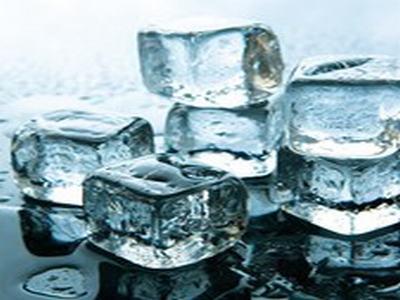
    water that has frozen and become solid

    There was ice on the windows.

    窓に氷が張っていた。(Mado ni koori ga hatte ita.)

    The lake was covered with a sheet of ice.

    類義語frostglaciericebergsleethail
    対義語heatwarmthmeltwater
  7. 7

    fresh(adjective)

    /freʃ/

    新鮮 (shinsen)

    recently produced or picked and not frozen, dried or preserved in tins or cans

    Eat plenty of fresh fruit and vegetables.

    新鮮な果物や野菜をたくさん食べましょう。

    類義語newcrisprecentuntouchedvibrantnatural
    対義語staleoldrottenpreservedartificial
  8. 8

    salt(noun)

    /sɔːlt/

    塩 (shio)

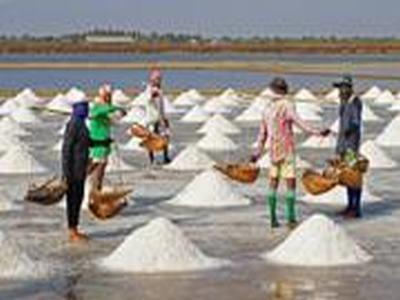
    a white substance that is added to food to make it taste better or to preserve it. Salt is obtained from mines and is also found in seawater . It is sometimes called common salt to show that it is different from other chemical salts . Its chemical name is sodium chloride .

    Season with salt and pepper.

    塩と胡椒で味付けする。

    Pass the salt, please.

    類義語sodium chlorideseasoningflavoring
    対義語blandnessunsavory
  9. 9

    bell(noun)

    /bel/

    鐘 (kane)

    a hollow metal object, often like a cup in shape, that makes a ringing sound when hit by a small piece of metal inside it; the sound that it makes

    The church bells rang out to welcome in the New Year.

    教会の鐘が新年を祝うために鳴り響いた。

    a bell tower

    類義語chimegongtocsincarillon
    対義語silencequiet
  10. 10

    lemon(noun)

    /ˈlemən/

    レモン (remon)

    a yellow citrus fruit with juice that has a bitter, sharp taste. Slices of lemon and lemon juice are used in cooking and drinks.

    Squeeze the juice of half a lemon over the fish.

    魚にレモン半分の絞り汁をかける。(Sakana ni remon hanbun no shibori-jiru o kakeru.)

    a lemon tree

    類義語citronlime (sometimes)citrus fruit
    対義語orangegrapefruit
  11. 11

    soup(noun)

    /suːp/

    スープ (sūpu)

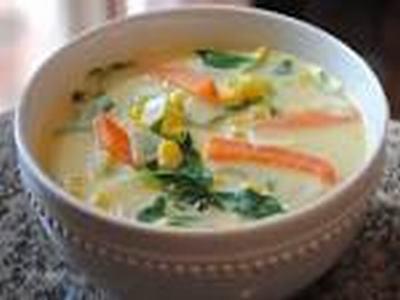
    a liquid food made by boiling meat, vegetables, etc. in water, often eaten as the first course of a meal

    canned/packaged soups

    缶詰/包装されたスープ (kanzume/hōsō sa reta sūpu)

    a bowl of soup

    類義語brothconsomméstewchowdergumbobouillon
    対義語solidsmain courseentrée
  12. 12

    flavour(noun)

    /ˈfleɪvər/

    風味 (fuumi)

    how food or drink tastes

    It is stronger in flavour than other Dutch cheeses.

    他のオランダのチーズよりも風味が強い。

    The tomatoes give extra flavour to the sauce.

    類義語tastesavoraromaessencecharacterquality
    対義語blandnesstastelessnessinsipidity
  13. 13

    spicy(adjective)

    /ˈspaɪsi/

    辛い (karai)

    having a strong taste because spices have been added to it

    spicy chicken wings

    辛い手羽先 (karai tebasaki)

    There are all sorts of activities (= many different ones) for kids at the campsite.

    類義語hotpepperypiquantfierypungent
    対義語mildblandplainflavorlesstasteless
  14. 14

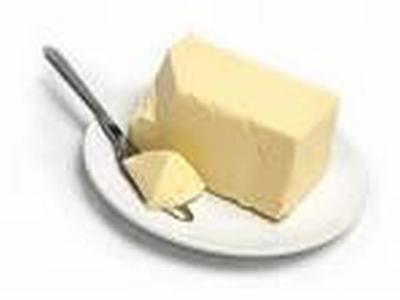
    butter(noun)

    /ˈbʌtər/

    バター (batā)

    a soft yellow food made from cream, used in cooking and for spreading on bread

    Fry the onions in butter.

    玉ねぎをバターで炒める (Tamanegi o batā de itameru).

    Do you want butter or margarine on your toast?

    類義語oleospreadfat
    対義語margarinebutter substituteoil
  15. 15

    feed(verb)

    /fiːd/

    餌をやる (esa o yaru)

    to give food to a person or an animal

    Mai is feeding the chickens.

    マイは鶏に餌をやっている。(Mai wa niwatori ni esa o yatte iru.)

    Have you fed the cat yet?

    類義語nourishprovide forsupplycater tosustain
    対義語starvedepriveneglectignore
  16. 16

    egg(noun)

    /eɡ/

    卵 (tamago)

    a small oval object with a thin hard shell produced by a female bird and containing a young bird; a similar object (without a hard shell) produced by a female fish, insect, etc.

    I often have egg for my lunch.

    私は昼食によく卵を食べます。

    crocodile eggs

    類義語ovumova
    対義語None (in the literal senseas 'egg' refers to a specific thing)meatvegetable
  17. 17

    cream(noun)

    /kriːm/

    クリーム

    the thick white or pale yellow fatty liquid that rises to the top of milk, used in cooking or as a type of sauce to put on fruit, etc.

    cream cakes (= containing cream)

    クリームケーキ (= クリーム入り)

    fresh/whipped cream

    類義語lotionointmentemollientbestfinestelitetop
    対義語skimextract
  18. 18

    spoon(noun)

    /spuːn/

    スプーン

    a tool that has a handle with a shallow bowl at the end, used for mixing, serving and eating food

    I often use spoons to eat soup.

    私はスープを食べるのにスプーンをよく使います。

    Remove the onion from the oil with a slotted spoon.

    類義語scoopladle
    対義語forkknife
  19. 19

    grocery(noun)

    /ˈɡrəʊsəri/

    食料品店

    a shop that sells food and other things used in the home. In American English ‘grocery store ’ is often used to mean ‘supermarket’.

    There is a grocery near my house.

    私の家の近くに食料品店があります。

    a football match/team/stadium

    類義語supermarketfood storemarketstoreprovisioner
    対義語non-food storespecialty store
  20. 20

    pepper(noun)

    /ˈpepər/

    胡椒, コショウ

    a powder made from dried berries (called peppercorns ), used to give a hot, spicy taste to food

    Add a little salt and pepper to the soup before serving.

    出す前に、スープに塩とコショウを少し加えてください。

    類義語spiceseasoningpeppercornscapsicum
    対義語blandnessmildnesssweetness
  21. 21

    pub(noun)

    /pʌb/

    パブ

    a building where people go to drink and meet their friends. Pubs serve alcoholic and other drinks, and often also food.

    They've gone down the pub for a drink.

    彼らは飲み物を飲みにパブに行った。

    a pub lunch

    類義語bartavernsaloonalehouse
    対義語none (in the strict senseas 'pub' is a specific type of establishment)dry establishmenttea room
  22. 22

    bowl(noun)

    /bəʊl/

    ボウル

    a deep round dish with a wide open top, used especially for holding food or liquid

    I would like a bowl of noodles.

    麺を一杯ください。

    Sieve the flour into a bowl.

    類義語dishcontainervesselbasin
    対義語plateflat surface
  23. 23

    drunk(adjective)

    /drʌŋk/

    酔った, 酔っ払った

    having drunk so much alcohol that it is impossible to think or speak clearly

    She was too drunk to remember anything about the party.

    彼女は酔いすぎて、パーティーのことを何も覚えていなかった。

    His only way of dealing with his problems was to go out and get drunk.

    類義語intoxicatedinebriatedsousedtipsyplasteredhammeredbombedwasted
    対義語soberteetotalclear-headed
  24. 24

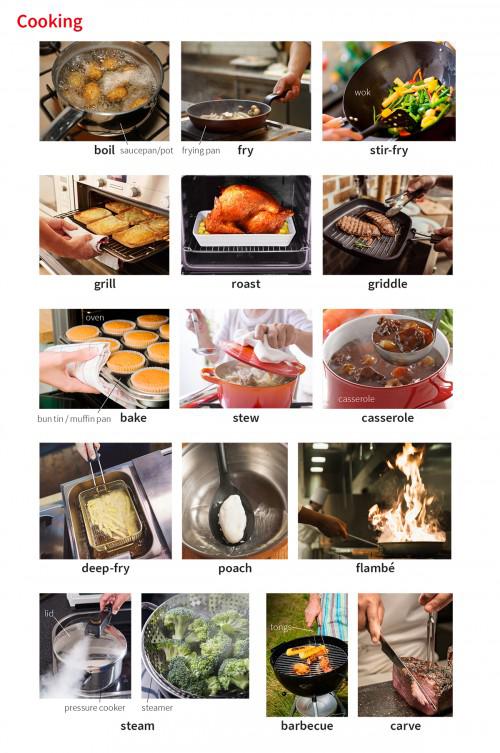
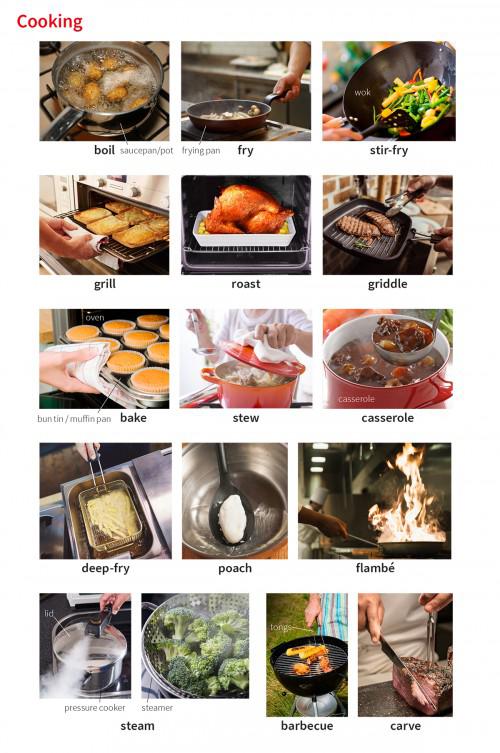
    cooking(noun)

    /ˈkʊkɪŋ/

    料理

    the process of preparing food by heating it

    My husband does all the cooking.

    私の夫が料理を全部します。

    類義語culinary artsfood preparationcuisinepreparing foodbaking
    対義語eating outtakeoutordering inpre-prepared food
  25. 25

    coffee(noun)

    /ˈkɔːfi/

    コーヒー

    a hot drink made from the roasted, ground seeds (called coffee beans) of a tropical bush

    I often drink a cup of coffee in the morning.

    私は朝によくコーヒーを1杯飲む。

    類義語javabrewcaffeine
    対義語teadecafwater
  26. 26

    water(noun)

    /ˈwɔːtər/

    水 (mizu)

    a liquid without colour, smell or taste that falls as rain, is in lakes, rivers and seas, and is used for drinking, washing, etc.

    I need some water.

    水が必要です。(mizu ga hitsuyou desu.)

    a glass of water

    類義語aquaH2Oliquidhydrationdrink
    対義語dehydrationdrynessaridness
  27. 27

    knife(noun)

    /naɪf/

    ナイフ (naifu)

    a sharp blade (= metal edge) with a handle, used for cutting or as a weapon

    Use a sharp knife to cut the melon into sections.

    メロンを切り分けるには、鋭いナイフを使ってください。

    The aim is to deter young people from carrying knives.

    類義語bladecutterdaggerslicer
    対義語blunt toolspoonnon-cutting tool
  28. 28

    tomato(noun)

    /təˈmeɪtəʊ/

    トマト (tomato)

    a soft fruit with a lot of juice and shiny red skin that is eaten as a vegetable either raw or cooked

    There are some tomatoes in the fridge.

    冷蔵庫にトマトがいくつかあります。(reizōko ni tomato ga ikutsu ka arimasu.)

    tomato plants

    類義語love apple (archaic)
  29. 29

    chop(verb)

    /tʃɑːp/

    刻む (kizamu)

    to cut something into pieces with a sharp tool such as a knife

    Chop the carrots up into small pieces.

    ニンジンを細かく刻んでください。(Ninjin o komakaku kizande kudasai.)

    Add the finely chopped onions.

    類義語cutdicemincehackcleavehew
    対義語assemblecreatejoinmendunite
  30. 30

    jam(noun)

    /dʒæm/

    ジャム

    a thick sweet substance made by boiling fruit with sugar, often sold in jars and spread on bread

    I spread some strawberry jam on my toast every morning.

    私は毎朝トーストにイチゴジャムを塗る。

    類義語congestionblockageobstructionimpassedeadlock
    対義語clearfreeunblocked
  31. 31

    orange(noun)

    /ˈɔːrɪndʒ/

    オレンジ

    a round citrus fruit with thick skin of a colour between red and yellow and a lot of sweet juice

    Would you like some orange?

    オレンジはいかがですか?

    類義語tangerinemandarincitrus
    対義語grapefruitlemonlime
  32. 32

    onion(noun)

    /ˈʌnjən/

    玉ねぎ (tamanegi)

    a round vegetable with many layers inside each other and a brown, red or white skin. Onions have a strong smell and taste.

    Can you buy me some onions?

    玉ねぎをいくつか買ってきてくれますか?(Tamanegi o ikutsu ka katte kite kuremasu ka?)

    Chop the onions finely.

    類義語shallotbulbvegetable
    対義語None
  33. 33

    meal(noun)

    /miːl/

    食事 (shokuji)

    an occasion when people eat food, especially breakfast, lunch or dinner

    What time would you like your evening meal?

    夕食は何時になさいますか? (Yuushoku wa nanji ni nasaimasu ka?)

    Lunch is his main meal of the day.

    類義語repastfeastcollationsnackdinnerlunchbreakfast
    対義語faststarvationabstinence
  34. 34

    hungry(adjective)

    /ˈhʌŋɡri/

    空腹 (kuufuku)

    feeling that you want to eat something

    She is very hungry.

    彼女はとても空腹です (Kanojo wa totemo kuufuku desu).

    I'm really hungry.

    類義語famishedstarvingravenouspeckishemptyesurient
    対義語fullsatiatedsatisfiedcontentstuffed
  35. 35

    salad(noun)

    /ˈsæləd/

    サラダ

    a mixture of raw vegetables such as lettuce , tomato and cucumber , usually served with other food as part of a meal

    Anna eats a mixed salad with some fruit.

    アンナはフルーツ入りのミックスサラダを食べます。

    Is cold meat and salad OK for lunch?

    類義語greensgarden saladleafy greenscoleslaw (specifically cabbage salad)
    対義語main courseentréedessert
  36. 36

    tin(noun)

    /tɪn/

    缶, 缶詰

    a metal container in which food is sold; the contents of one of these containers

    She opened a tin of tomatoes to make the pasta sauce.

    彼女はパスタソースを作るためにトマト缶を開けた。

    類義語stannumtinfoil (sometimesin a different context)
  37. 37

    alcoholic(adjective)

    /ˌælkəˈhɑːlɪk/

    アルコールの, アルコールを含む

    connected with or containing alcohol

    Children are not allowed to buy alcoholic drinks.

    子どもはアルコール飲料を買うことができません。

    類義語drunkardaddictproblem drinkerboozerheavy drinker
    対義語teetotalerabstainersober
  38. 38

    lunch(noun)

    /lʌntʃ/

    昼食 (chūshoku)

    a meal eaten in the middle of the day

    I often have lunch at 11 o'clock.

    私はよく11時に昼食をとります。

    I always eat/have lunch at my desk.

    類義語midday mealluncheonnoonday meal
    対義語breakfastdinnersupper
  39. 39

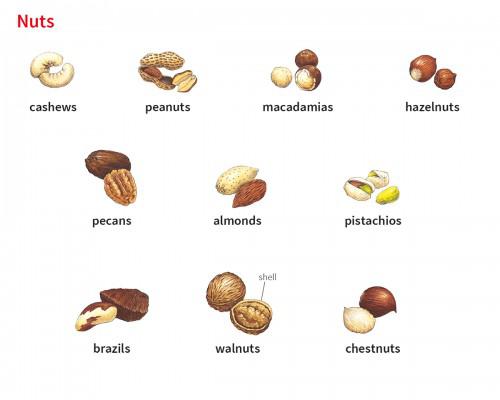
    nut(noun)

    /nʌt/

    ナッツ, 木の実, 堅果

    a small hard fruit with a very hard shell that grows on some trees

    Squirrels collect nuts in the autumn and hide them in the ground.

    リスは秋になると木の実を集めて地面に隠す。

    類義語kernelseedfruit
    対義語empty shellhusk
  40. 40

    slice(noun)

    /slaɪs/

    スライス

    a thin flat piece of bread, meat, cheese, etc. that has been cut off a larger piece; a piece of cake that has been cut from a larger cake

    Would you like another slice of beef?

    牛肉の別のスライスはいかがですか?

    a sliced loaf

    類義語pieceportionsegmentwedgeshiver
    対義語wholeentirety
  41. 41

    eat(verb)

    /iːt/

    食べる (taberu)

    to put food in your mouth, bite it and swallow it

    What do you eat?

    何を食べるのですか?(Nani o taberu no desu ka?)

    I couldn't eat another thing (= I have had enough food).

    類義語consumedevouringestpartakefeedmunchnibble
    対義語abstainfaststarvediet
  42. 42

    apple(noun)

    /ˈæpl/

    りんご (ringo)

    a round fruit with shiny red or green skin that is fairly hard and white inside

    I took a bite of the apple.

    私はりんごを一口食べた。(Watashi wa ringo o hitokuchi tabeta.)

    a garden with three apple trees

    類義語fruitpomaceous fruit
  43. 43

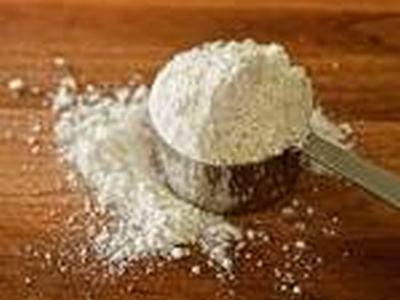
    flour(noun)

    /ˈflaʊər/

    小麦粉 (komugiko)

    a fine white or brown powder made from grain, especially wheat , and used in cooking for making bread, cakes, etc.

    Flour is the main ingredient of bread.

    小麦粉はパンの主な材料です。

    She gave an exact description of the attacker.

    類義語mealpowdergrist
    対義語none
  44. 44

    menu(noun)

    /ˈmenjuː/

    メニュー

    a list of the food that is available at a restaurant or to be served at a meal

    The chef put together a special menu of drinks and dishes employing chocolate.

    シェフは、チョコレートを使った特別な飲み物と料理のメニューをまとめました。

    May we have the menu?

    類義語bill of farecartelistingprogramselection
    対義語improvisationoff-menu
  45. 45

    plate(noun)

    /pleɪt/

    皿 (sara)

    a flat, usually round, dish that you put food on

    There's still a lot of food on your plate.

    まだお皿にたくさんの食べ物が残っています。

    They filled their plates with spaghetti.

    類義語dishplattersaucerservice
    対義語bowlserving
  46. 46

    cake(noun)

    /keɪk/

    ケーキ (kēki)

    a sweet food made from a mixture of flour, eggs, butter, sugar, etc. that is baked in an oven. Cakes are made in various shapes and sizes and are often decorated, for example with cream or icing .

    She is making a cake.

    彼女はケーキを作っています。(kanojo wa kēki o tsukutteimasu)

    a chocolate cake

    類義語pastrygateauspongesweet
    対義語breadstaple food
  47. 47

    chip(noun)

    /tʃɪp/

    フライドポテト

    a long thin piece of potato fried in oil or fat

    We had fish and chips for dinner on Friday night.

    金曜の夜の夕食にフィッシュ・アンド・チップスを食べました。

    類義語flakesplinterfragmentnickdentscratchmark
    対義語wholeintactperfectcomplete
  48. 48

    dish(noun)

    /dɪʃ/

    料理, 一品

    food prepared in a particular way as part of a meal

    What is your favorite dish?

    あなたの好きな料理は何ですか。

    They helped themselves from a large dish of pasta.

    類義語mealcuisinerecipecourseplate
    対義語snackingredient
  49. 49

    alcohol(noun)

    /ˈælkəhɔːl/

    アルコール

    drinks such as beer, wine, etc. that can make people drunk

    He never drinks alcohol.

    彼はお酒を全く飲みません。

    alcohol abuse

    類義語liquorspiritsboozeintoxicantdrink
    対義語watersoft drinknon-alcoholic beverage
  50. 50

    carrot(noun)

    /ˈkærət/

    人参 (ninjin)

    a long pointed orange root vegetable

    Rabbits like eating carrots.

    ウサギはニンジンを食べるのが好きです。(Usagi wa ninjin o taberu no ga suki desu.)

    類義語None really; carrot is specific enough.
    対義語None really; it's a vegetable.
  51. 51

    beef(noun)

    /biːf/

    牛肉 (gyuuniku)

    meat that comes from a cow

    I have lunch with beef and rice.

    牛肉とご飯で昼食をとります。(Gyuuniku to gohan de chuushoku o torimasu.)

    beef and dairy cattle

    類義語cow meatsteakroast beef
    対義語poultryporkseafoodvegetable
  52. 52

    grain(noun)

    /ɡreɪn/

    穀物 (kokumotsu)

    the small hard seeds of food plants such as wheat , rice, etc.; a single seed of such a plant

    In rural areas, rats are a threat to grains.

    田舎では、ネズミは穀物への脅威です。

    America's grain exports

    類義語cerealcornseedkernel
    対義語emptinessvoidnothingness
  53. 53

    thirsty(adjective)

    /ˈθɜːrsti/

    喉が渇いた (nodo ga kawaita)

    needing or wanting to drink

    He is very thirsty.

    彼はとても喉が渇いている (Kare wa totemo nodo ga kawaite iru).

    We were hungry and thirsty.

    類義語parcheddryariddehydrated
    対義語quenchedsatiatedhydrated
  54. 54

    meat(noun)

    /miːt/

    肉 (niku)

    the soft part of an animal or a bird that can be eaten as food; a particular type of this

    He likes eating meat.

    彼はお肉を食べるのが好きです。(Kare wa oniku o taberu no ga suki desu.)

    There's not much meat on her (= she is very thin).

    類義語fleshproteinmuscleanimal protein
    対義語vegetableproducegreensvegan food
  55. 55

    sauce(noun)

    /sɔːs/

    ソース

    a thick liquid that is eaten with food to add taste to it

    ice cream with a hot fudge sauce

    ホットファッジソースのかかったアイスクリーム

    tomato/cranberry/chilli, etc. sauce

    類義語gravycondimentdressingdiprelish
    対義語dryunsauced
  56. 56

    melt(verb)

    /melt/

    溶ける (tokeru)

    to become or make something become liquid as a result of heating

    The snow showed no sign of melting.

    雪が溶ける気配はなかった。 (Yuki ga tokeru kehai wa nakatta.)

    First, melt two ounces of butter.

    類義語dissolveliquefythawsoftenfuse
    対義語freezesolidifyhardencongeal
  57. 57

    kitchen(noun)

    /ˈkɪtʃɪn/

    台所 (daidokoro)

    a room in which meals are cooked or prepared

    She's in the kitchen.

    彼女は台所にいます。(Kanojo wa daidokoro ni imasu.)

    We ate at the kitchen table.

    類義語galleycookhousecooking area
    対義語living roomdining roombedroom
  58. 58

    beer(noun)

    /bɪr/

    ビール (biiru)

    an alcoholic drink made from malt with hops added to give it taste. There are many types of beer.

    a barrel/bottle/glass of beer

    ビールの樽/ボトル/グラス (biiru no taru/botoru/gurasu)

    beers brewed in Germany

    類義語brewalelagerstoutmalt liquor
    対義語waterjuicesodasoft drink
  59. 59

    biscuit(noun)

    /ˈbɪskɪt/

    ビスケット (bisuketto)

    a small flat dry cake for one person, usually sweet, and baked until hard

    The cake has a biscuit base (= one made from crushed biscuits).

    そのケーキはビスケット生地がベースになっている(=砕いたビスケットから作られている)。

    a packet of chocolate biscuits

    類義語crackercookie (in some regions)wafer
    対義語breadcakepastry
  60. 60

    cook(verb)

    /kʊk/

    料理する, 調理する, 煮る

    to prepare food by heating it, for example by boiling, baking or frying it

    My mother cooks dinner for the whole family every evening.

    母は毎晩、家族みんなの夕食を作ります。

    類義語chefculinary expertbaker (if applicable)preparer
    対義語dinerconsumereaterguest
  61. 61

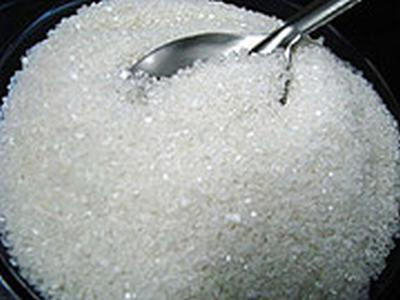
    sugar(noun)

    /ˈʃʊɡər/

    砂糖 (satou)

    a sweet substance, often in the form of white or brown crystals , made from the juices of various plants, used in cooking or to make tea, coffee, etc. sweeter

    a sugar plantation/refinery/bowl

    砂糖のプランテーション/精製所/ボウル (satou no purantēshon/seiseisho/bōru)

    Do you take sugar(= have it in your tea, coffee, etc.)?

    類義語sweetenersaccharineglucosefructosedextrose
    対義語saltbitternessunsweetened
  62. 62

    fry(verb)

    /fraɪ/

    揚げる (ageru)

    to cook something in hot fat or oil; to be cooked in hot fat or oil

    the smell of bacon frying

    ベーコンを揚げている匂い (bēkon o ageteiru nioi)

    fried fish

    類義語sautépan-frysearcookgriddlebrown
    対義語boilbakesteamroastbroil
  63. 63

    juice(noun)

    /dʒuːs/

    ジュース, 果汁, 汁

    the liquid that comes from fruit or vegetables; a drink made from this

    I drink a glass of fresh orange juice every morning.

    私は毎朝グラス1杯のフレッシュオレンジジュースを飲みます。

    類義語nectarextractbeverage
    対義語solid foodpulp
  64. 64

    rice(noun)

    /raɪs/

    米 (kome)

    short, narrow white or brown grain grown on wet land in hot countries as food; the plant that produces this grain

    I usually have rice, vegetable and meat for lunch.

    私は普段、昼食に米、野菜、肉を食べます。(Watashi wa fudan, chūshoku ni kome, yasai, niku o tabemasu.)

    long-/short-grain rice

    類義語grainstaplecooked ricepaddy
    対義語(related to alternativesnot antonyms) pastabreadpotatoes
  65. 65

    sweet(adjective)

    /swiːt/

    甘い

    containing, or tasting as if it contains, a lot of sugar

    This cake is too sweet for me because it has lots of sugar.

    このケーキは砂糖がたくさん入っていて、私には甘すぎる。

    類義語sugarypleasantagreeablecharmingdelightful
    対義語bittersourunpleasantacrid
  66. 66

    bread(noun)

    /bred/

    パン (pan)

    a type of food made from flour, water and usually yeast mixed together and baked

    Would you like some pieces of bread?

    パンはいかがですか? (Pan wa ikaga desu ka?)

    類義語loafdoughsustenancefood
    対義語nothingabsence
  67. 67

    food(noun)

    /fuːd/

    食べ物 (tabemono)

    things that people or animals eat

    Do we have enough food for this winter?

    この冬のための十分な食べ物はありますか?(Kono fuyu no tame no jūbun'na tabemono wa arimasu ka?)

    類義語sustenancenourishmentprovisionsfaredietvictuals
    対義語starvationhungerdeprivation
  68. 68

    dinner(noun)

    /ˈdɪnər/

    夕食 (yuushoku)

    the main meal of the day, eaten either in the middle of the day or in the evening

    I always have dinner with my family.

    私はいつも家族と夕食をとります。

    It's time for dinner.

    類義語supperevening meal
    対義語breakfastlunch
  69. 69

    fruit(noun)

    /fruːt/

    果物 (kudamono)

    the part of a plant that consists of one or more seeds and a soft inner part, can be eaten as food and usually tastes sweet

    You should eat more fruit.

    もっと果物を食べるべきです。 (Motto kudamono o taberu beki desu.)

    Eat plenty of fresh fruit and vegetables.

    類義語produceharvestcrop
    対義語vegetableprocessed food
  70. 70

    chocolate(noun)

    /ˈtʃɔːklət/

    チョコレート (chokoreeto)

    a hard brown sweet food made from cocoa beans, used in cooking to add taste to cakes, etc. or eaten as a sweet

    Would you like chocolate?

    チョコレートはいかがですか (chokoreeto wa ikaga desu ka)?

    a chocolate cake

    類義語cocoacacaosweet
    対義語bittersourunsweetened
  71. 71

    potato(noun)

    /pəˈteɪtəʊ/

    ジャガイモ (jagaimo)

    a round white vegetable with a brown or red skin that grows underground as part of a plant also called a potato

    Those farmers are planting potatoes.

    あの農家たちはジャガイモを植えている。

    roast/boiled/baked/fried potatoes

    類義語spudtaterroot vegetablemurphy
  72. 72

    raw(adjective)

    /rɔː/

    生

    not cooked

    These fish are often eaten raw.

    これらの魚はしばしば生で食べられます。

    raw meat

    類義語uncookedfreshnaturalunprocessedunrefined
    対義語cookedprocessedrefined
  73. 73

    smell(verb)

    /smel/

    においがする

    to have a particular smell

    There's something in the fridge that smells mouldy.

    冷蔵庫の中に、かびくさいにおいのするものがある。

    There was a smell of burning in the air.

    類義語odoraromascentfragrancereekwhiff
    対義語odorlessnesslack of scent
  74. 74

    vegetable(noun)

    /ˈvedʒtəbl/

    野菜

    a plant or part of a plant that is eaten as food. Potatoes, beans and onions are all vegetables .

    You should eat more vegetables to stay healthy.

    健康でいるために、もっと野菜を食べたほうがいいよ。

    類義語greensproduceplantfoodcrop
    対義語meatfruitdessert
  75. 75

    wine(noun)

    /waɪn/

    ワイン (wain)

    an alcoholic drink made from the juice of grapes that has been left to ferment . There are many different kinds of wine .

    My father sometimes drinks wine.

    私の父は時々ワインを飲みます。(Watashi no chichi wa tokidoki wain o nomimasu.)

    The region produces top-quality wines.

    類義語boozealcoholic beveragevino
    対義語waterjuicesoft drink
  76. 76

    tea(noun)

    /tiː/

    お茶, 紅茶

    a hot drink made by pouring boiling water onto dried tea leaves

    Would you like a cup of tea?

    お茶を一杯いかがですか。

    We'll need a flat surface to play the game on.

    類義語brewcuppainfusionherbal teatisane
    対義語coffeesodajuicewater
  77. 77

    cooker(noun)

    /ˈkʊkər/

    調理器

    a large piece of equipment for cooking food, containing an oven and gas or electric rings on top

    an electric cooker

    電気調理器

    a gas cooker

    類義語stoveovenrangeappliance
    対義語freezer
  78. 78

    fish(noun)

    /fɪʃ/

    魚

    a creature that lives in water, breathes through gills , and uses fins and a tail for swimming

    There are many fish in this pond.

    この池にはたくさんの魚がいます。

    You can fish for trout in this stream.

    類義語finny creatureaquatic animal
    対義語mammalbirdreptile
  79. 79

    milk(noun)

    /mɪlk/

    牛乳 (gyuunyuu)

    the white liquid produced by cows, goats and some other animals as food for their young and used as a drink by humans

    She is drinking milk.

    彼女は牛乳を飲んでいます。(Kanojo wa gyuunyuu o nondeimasu.)

    a pint/litre of milk

    類義語dairy drinkwhite fluidcalcium source
    対義語waterjuicesoda
  80. 80

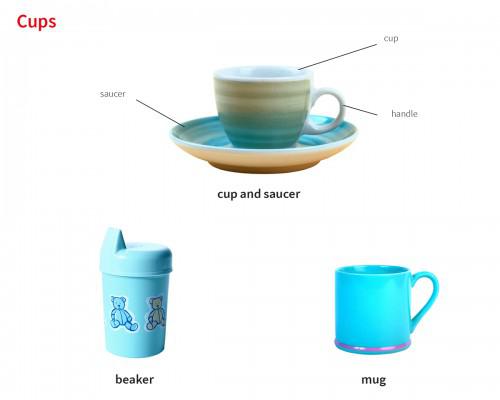
    cup(noun)

    /kʌp/

    カップ

    a small container that is like a bowl in shape, usually with a handle, used for drinking tea, coffee, etc.

    a coffee cup

    コーヒーカップ

    a cup and saucer

    類義語mugchalicegobletvesselcontainer
    対義語none
  81. 81

    cheese(noun)

    /tʃiːz/

    チーズ

    a type of food made from milk that can be either soft or hard and is usually white or yellow in colour; a particular type of this food

    a chunk/piece/slice of cheese

    チーズの一切れ

    goat's cheese (= made from the milk of a goat )

    類義語curddairy productfromage (French)
    対義語none (cheese is a specific type of foodnot a quality or state with an opposite)
  82. 82

    supermarket(noun)

    /ˈsuːpərmɑːrkɪt/

    スーパー (sūpā)

    a large shop that sells food, drinks and goods used in the home. People choose what they want from the shelves and pay for it as they leave.

    This is Big C supermarket.

    ここはビッグCスーパーです。(Koko wa Biggu C sūpā desu.)

    storm damage

    類義語grocery storemarketfood store
    対義語mom-and-pop shopconvenience storespecialty store
  83. 83

    pot(noun)

    /pɑːt/

    鍋 (nabe)

    a deep round container used for cooking things in

    pots and pans

    鍋とフライパン (nabe to furaipan)

    a secret underground passage

    類義語containervesselcauldroncrock
    対義語none (in the sense of a cooking pot)
  84. 84

    restaurant(noun)

    /ˈrestrɑːnt/

    レストラン

    a place where you can buy and eat a meal

    We're going to try this Italian restaurant that just opened.

    私たちは最近オープンしたこのイタリアンレストランを試してみるつもりです。

    My uncle wants to open a restaurant.

    類義語eaterydinercafeestablishmentbistrobrasseriefoodservice
    対義語homeresidencefast-food chain
  85. 85

    drink(noun)

    /drɪŋk/

    飲み物 (nomimono)

    a liquid for drinking; an amount of a liquid that you drink

    Can I have a drink?

    飲み物をいただけますか (Nomimono o itadakemasu ka?)

    We were offered free drinks to make up for the wait.

    類義語beveragerefreshmentpotiongulpsip
    対義語foodsolids
  86. 86

    Herb(noun)

    /ɜːrb/

    ハーブ (hābu)

    a plant whose leaves, flowers or seeds are used to add taste to food, in medicines or for their pleasant smell. parsley , mint and oregano are all herbs .

    Herbs have a variety of uses including culinary, medicinal, and in some cases, spiritual.

    ハーブには、料理、薬用、場合によっては精神的なものなど、さまざまな用途があります。(hābu ni wa, ryōri, yakuyō, baai ni yotte wa seishin-teki na mono nado, samazamana yōto ga arimasu.)

    類義語plantbotanicalgreeneryvegetationspice
    対義語syntheticartificialinorganic
  87. 87

    Wheat(noun)

    /wiːt/

    小麦 (komugi)

    a plant grown for its grain that is used to produce the flour for bread, cakes, pasta , etc.; the grain of this plant

    The land at Scampston is mainly sandy, so only wheats are grown.

    スカンプストンの土地は主に砂地なので、小麦しか栽培されていません。

    類義語graincereal
    対義語None (in the sense of a direct opposite food)Other grains (ricecornoatsetc.)
  88. 88

    fork(noun)

    /fɔːrk/

    フォーク

    a tool with a handle and three or four sharp points (called prongs ), used for picking up and eating food

    I used a fork to eat my salad.

    サラダを食べるのにフォークを使いました。

    類義語eating utensiltablewareimplement
    対義語spoonknifechopsticks
  89. 89

    soap(noun)

    /səʊp/

    石鹸 (sekken)

    a substance that you use with water for washing your body

    How much is a bar of soap?

    石鹸はいくらですか? (Sekken wa ikura desu ka?)

    類義語cleanserdetergentwashlathersuds
    対義語dirtgrimefilth
  90. 90

    cafe(noun)

    /kæˈfeɪ/

    カフェ

    a place where you can buy drinks and simple meals. Alcohol is not usually served in British or American cafes .

    Let's meet at the cafe for coffee.

    カフェでコーヒーを飲みましょう。

    類義語coffee shopbistrotea roomcoffee house
    対義語N/A (no direct antonym)
  91. 91

    bake(verb)

    /beɪk/

    焼く (yaku)

    to cook food in an oven without extra fat or liquid; to be cooked in this way

    I will bake a cake for her birthday.

    彼女の誕生日にケーキを焼きます。(Kanojo no tanjōbi ni kēki o yakimasu.)

    類義語roastcookgrillheat
    対義語freezerefrigeratechill
  92. 92

    appetite(noun)

    /ˈæpɪtaɪt/

    食欲 (shokuyoku)

    physical desire for food

    He suffered from headaches and loss of appetite.

    彼は頭痛と食欲不振に苦しんだ。

    類義語desirehungercravingtasteinclinationzest
    対義語disgustaversiondistasterepulsionsatiety
  93. 93

    banana(noun)

    /bəˈnænə/

    バナナ (banana)

    a long curved fruit with a thick yellow skin and that is soft inside, which grows on trees in hot countries

    I like bananas.

    私はバナナが好きです。(Watashi wa banana ga suki desu.)

    類義語plantain (sometimes)fruit
    対義語None (as a direct antonym)other fruits
  94. 94

    sandwich(noun)

    /ˈsænwɪtʃ/

    サンドイッチ (sandoitchi)

    two slices of bread, often spread with butter, with a layer of meat, cheese, etc. between them

    I like this sandwich very much.

    私はこのサンドイッチがとても好きです。(Watashi wa kono sandoitchi ga totemo suki desu.)

    類義語subherohoagiegrinderwedgedagwood
    対義語soupsaladdessert
  95. 95

    delicious(adjective)

    /dɪˈlɪʃəs/

    美味しい (oishii)

    having a very pleasant taste or smell

    Thank you so much for the delicious plate of cookies.

    美味しいクッキーをたくさんありがとうございます。(Oishii kukkii o takusan arigatou gozaimasu.)

    類義語tastyflavorfulappetizingscrumptiousdelectablepalatable
    対義語unappetizingdistastefulblandflavorlessnauseating
  96. 96

    serve(verb)

    /sɜːrv/

    提供する

    to give somebody food or drink, for example at a restaurant or during a meal

    You can serve spring rolls with some vegetables.

    春巻きを野菜と一緒に提供できます。

    類義語provideofferassisthelpfunctionwork
    対義語neglectignoredisobeyhinder
  97. 97

    swallow(verb)

    /ˈswɑːləʊ/

    飲み込む (nomikomu)

    to make food, drink, etc. go down your throat into your stomach

    Always chew food well before swallowing it.

    飲み込む前に必ずよく噛んでください。

    類義語ingestconsumegulpdevourdown
    対義語regurgitatespitexpectorateeject
  98. 98

    organic(adjective)

    /ɔːrˈɡænɪk/

    有機 (yūki)

    produced or practised without using artificial chemicals

    We buy organic food at the farmers' market. It costs a little bit more, but we think it's better for our health.

    私たちは農産物直売所で有機食品を買います。少し値段は高いですが、健康には良いと思っています。

    類義語naturalbiologicalecologicalpesticide-freechemical-free
    対義語conventionalsyntheticartificialchemicalinorganic
  99. 99

    cater(verb)

    /ˈkeɪtər/

    仕出し

    to provide food and drinks for a social event

    The restaurant caters for wedding receptions.

    そのレストランは結婚披露宴の仕出しをしています。

    類義語providesupplyserveaccommodate
    対義語neglectignoredisregard
  100. 100

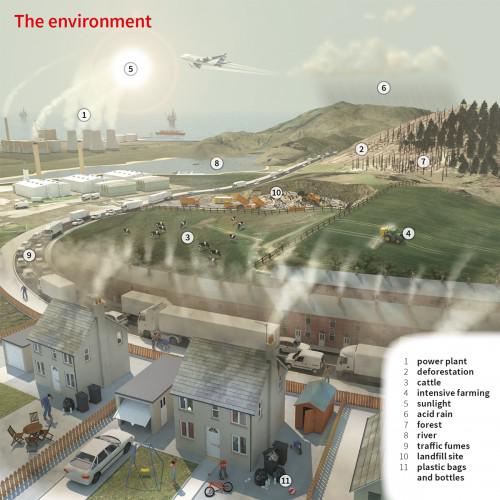
    cattle(noun)

    /ˈkætl/

    家畜 (kachiku)

    cows and bulls that are kept as farm animals for their milk or meat

    The farmer owns a large herd of cattle.

    農家は大きな家畜の群れを所有しています。

    類義語livestockstockkine
    対義語none (cattle is a collective noun)
  101. 101

    chef(noun)

    /ʃef/

    シェフ

    a person whose job is to cook, especially the most senior person in a restaurant, hotel, etc.

    The chef prepared a delicious meal.

    シェフはおいしい食事を用意しました。

    類義語cookculinary experthead cook
    対義語dinercustomer
  102. 102

    choir(noun)

    /ˈkwaɪər/

    合唱団 (gasshōdan)

    a group of people who sing together, for example in church services or public performances

    The school choir sang beautifully at the holiday concert.

    学校の合唱団はホリデーコンサートで美しく歌いました。(Gakkō no gasshōdan wa horidē konsāto de utsukushiku utaimashita.)

    類義語chorusvocal ensemble
    対義語soloist
  103. 103

    cocktail(noun)

    /ˈkɑːkteɪl/

    カクテル

    a mixed drink usually made with one or more spirits and fruit juice or other ingredients

    The bar offers a happy hour discount on all cocktails.

    このバーでは、すべてのカクテルがハッピーアワーで割引になります。

    This cocktail is made with gin, lime and lemongrass syrup.

    類義語mixed drinkconcoctionpotion
    対義語straight drinkneat drink
  104. 104

    dairy(noun)

    /ˈderi/

    乳製品

    milk, cheese and other milk products
    I love dairy products, especially cheese.

    私は乳製品、特​​にチーズが大好きです。

    類義語milk productscreamerymilk
    対義語nondairyvegan
  105. 105

    feeding(noun)

    /ˈfiːdɪŋ/

    授乳, 給餌, 食事を与えること

    the act of giving food to a person, an animal or a plant

    Young babies usually need a feeding every three or four hours.

    生まれて間もない赤ちゃんは、たいてい3、4時間ごとに授乳が必要だ。

    類義語nursingprovisioningsupplyingnourishing
    対義語starvingdeprivingneglecting
  106. 106

    recipe(noun)

    /ˈresəpi/

    レシピ

    a set of instructions that tells you how to cook something and the ingredients (= items of food) you need for it

    I found a great recipe for chocolate cake.

    チョコレートケーキの素晴らしいレシピを見つけました。

    類義語formulamethodprocedureinstructionsdirections
    対義語improvisationexperimentation
  107. 107

    starve(verb)

    /stɑːrv/

    飢える

    to suffer or die because you do not have enough food to eat; to make somebody suffer or die in this way

    The refugees were starving.

    難民は飢えていた。

    類義語hungerfamishdeprive
    対義語feednourishsatiate
  108. 108

    tender(adjective)

    /ˈtendər/

    柔らかい, 食べやすい

    (of food, especially meat) easy to bite through and cut; not tough

    The steak was very tender.

    そのステーキはとても柔らかかった。

    類義語delicategentlecaringsympatheticsoft
    対義語toughharshroughinsensitive
  109. 109

    oil(noun)

    /ɔɪl/

    油, 食用油

    a thick liquid made from plants or animals that is used in cooking

    Heat a little olive oil in the pan before you add the onions.

    玉ねぎを入れる前に、フライパンでオリーブオイルを少し熱してください。

  110. 110

    preserve(verb)

    /prɪˈzɜːrv/

    保存する, 貯蔵する

    to prevent food from decaying by treating it in a particular way, for example with salt or sugar

    In the past, people preserved fish by drying it in the sun.

    昔の人は魚を天日で干して保存していました。