コンテンツへスキップ

レッスン38/38 · 296語 · 覚えた単語 0

General

総合

  1. 1

    avoid(verb)

    /əˈvɔɪd/

    避ける

    to prevent something bad from happening

    To avoid going out of business, owners should prepare a proper business plan

    倒産を避けるために、オーナーは適切な事業計画を立てるべきです。

    Lloyd's errors in accounting could have been avoided by a business consultation with his banker

    類義語evadepreventescapeshundodgeavertrefrain from
    対義語faceconfrontencountermeetseekpursueembrace
  2. 2

    primarily(adverb)

    /praɪˈmerəli/

    主に

    mainly

    The developers are thinking primarily of how to enter the South American market

    開発者は主に南米市場への参入方法について考えています。

    We are primarily concerned with convincing the board of directors to apply for the second loan

    類義語mainlychieflyprincipallyessentiallyfundamentallylargelymostlypredominantly
    対義語secondarilyincidentallymarginallysubordinatelyinconsequentially
  3. 3

    item(noun)

    /ˈaɪtəm/

    品物 (shinamono)

    one thing on a list of things to buy, do, talk about, etc.

    Do you think I can get all these items into one bag?

    これらの品物を全部一つの袋に入れることができると思いますか?(Kore ra no shinamono o zenbu hitotsu no fukuro ni ireru koto ga dekiru to omoimasu ka?)

    The grocery store has a special checkout line for people who are purchasing fewer than ten items

    類義語objectthingarticleunitpiece
    対義語wholeentiretycollection
  4. 4

    terms(noun)

    /tɜːrmz/

    条件

    the conditions that people offer, demand or accept when they make an agreement, an arrangement or a contract

    The terms of payment were clearly listed at the bottom of the invoice

    支払い条件は請求書の下部に明確に記載されていました。

    The terms of the agreement required that items be fully paid for before they would be shipped

    類義語conditionsstipulationsprovisionsclausesrequirementsspecifications
    対義語imprecisionambiguityvagueness
  5. 5

    scrutiny(noun)

    /ˈskruːtəni/

    精査 (seisa)

    careful and complete examination

    Jim left his old job because he found it difficult to work under the close scrutiny of his boss

    ジムは上司の厳しい監視の下で働くのが難しいと感じたため、以前の仕事を辞めました。

    After a great deal of scrutiny, the manager decided that the employee's work had improved considerably

    類義語inspectionexaminationobservationinvestigationsurveyreviewanalysis
    対義語negligencedisregardoversightinattentionignorance
  6. 6

    defect(noun)

    /ˈdiːfekt/

    瑕疵, 欠陥, 不具合

    a fault in completed work, such as a crack, leak or wrong finish, that the contractor must repair

    The contractor must rectify any defect found during the warranty period.

    請負業者は、保証期間中に見つかった瑕疵をすべて是正しなければなりません。

    Water stains on the ceiling showed a defect in the roof waterproofing.

    類義語flawfaultblemishimperfectionweaknesserrorfailingshortcoming
    対義語perfectionflawlessnesscorrectnessexcellence
  7. 7

    logical(adjective)

    /ˈlɑːdʒɪkl/

    論理的

    seeming natural, reasonable or sensible

    In addition to logical thinkers, a good research and development team should include a few dreamers

    論理的な思考家の他に、優れた研究開発チームには何人かの夢想家を含めるべきです。

    It is only logical for a research and development team to concentrate on one or two new products at a time

    類義語reasonablerationalsensiblevalidsoundcoherentconsistent
    対義語illogicalirrationalunreasonableinvalidabsurdincoherent
  8. 8

    burden(noun)

    /ˈbɜːrdn/

    負担 (futan)

    a duty, responsibility, etc. that causes worry, difficulty or hard work

    The secretary usually takes on the burden of ordering lunch for business meetings

    秘書は通常、ビジネス会議の昼食を注文する負担を引き受ける。

    The deliveryman's back ached from the heavy burden he carried

    類義語loadweightresponsibilityhardshiptrialoppression
    対義語reliefeaselightnesscomfortjoyaid
  9. 9

    list(noun)

    /lɪst/

    リスト

    a series of names, items, figures, etc., especially when they are written or printed

    We keep a list of all the restaurants in this area that deliver

    この地域で配達してくれるレストランのリストを保管しています。

    The office manager compiled a list of everyone's order

    類義語recordregisterinventorycatalogrollenumeration
    対義語absencelackdisorganization
  10. 10

    substantially(adverb)

    /səbˈstænʃəli/

    大幅に

    very much; a lot

    The airline I work for had a substantially higher rating for customer satisfaction than our competitors had

    私が勤めている航空会社は、顧客満足度において競合他社よりも大幅に高い評価を得ています。

    The airfares charged by different airlines are not substantially different

    類義語significantlyconsiderablyremarkablyappreciablymateriallylargelygreatly
    対義語insignificantlyslightlynegligiblyminimallyinconsiderably
  11. 11

    remainder(noun)

    /rɪˈmeɪndər/

    残り

    the people, things or time that remain

    The Alaskan frontier has train service in the summer, but for the remainder of the year the tracks are impassable

    アラスカのフロンティアには夏には列車が走っているが、残りの期間は線路が通行不能になる。

    We will move you to a less expensive room and credit the remainder of what you've already paid to your charge card

    類義語restbalanceresidueexcessremnantleavings
    対義語wholeentiretyalltotal
  12. 12

    coincide(verb)

    /ˌkəʊɪnˈsaɪd/

    重なる (kasanaru)

    to take place at the same time

    My cousin's wedding coincided with a holiday weekend, so it was a perfect time to rent a car and go for a drive

    いとこの結婚式が祝日の週末と重なったので、レンタカーを借りてドライブに行くには絶好の機会でした。

    Sean was hoping that the days for the special discount on car rentals would coincide with his vacation, but they did not

    類義語happen simultaneouslyoccur togethersynchronizeagreecorrespondaccordconcurmeet
    対義語divergedifferclashconflictcontradict
  13. 13

    disappoint(verb)

    /ˌdɪsəˈpɔɪnt/

    がっかりさせる, 失望させる

    to make somebody feel sad because something that they hope for or expect to happen does not happen or is not as good as they hoped

    Leila was disappointed to discover that no rental cars were available the weekend she wished to travel

    レイラは、旅行したい週末にレンタカーが一台も空いていないと知ってがっかりした。

    I hate to disappoint you, but I can't allow you to rent a car unless you have a major credit card

    類義語let downsaddendissatisfyfrustratedishearten
    対義語pleasesatisfydelightfulfillgratify
  14. 14

    incur(verb)

    /ɪnˈkɜːr/

    被る (kaburu)

    if you incur something unpleasant, you are in a situation in which you have to deal with it

    I incurred substantial expenses that my health plan does not cover

    私は健康保険が適用されないかなりの費用を被った。

    Dominic incurs the cost of a co-payment at each doctor's visit

    類義語acquiresustaincontractencountersubject oneself torun up
    対義語avoidforgoescapepreventevade
  15. 15

    regardless(adverb)

    /rɪˈɡɑːrdləs/

    関係なく

    paying no attention, even if the situation is bad or there are difficulties

    Regardless of the cost, we all need health insurance

    費用に関係なく、私たち全員が医療保険を必要としています。

    I keep going to the same doctor, regardless of the fact that she does not take my pain seriously

    類義語despitenotwithstandingirrespective ofin spite ofanywayneverthelessanyhow
    対義語accordinglybecauseconsequentlydue totherefore
  16. 16

    associated(adjective)

    /əˈsəʊsieɪtɪd/

    関連

    if one thing is associated with another, the two things are connected because they happen together or one thing causes the other

    Salaries and associated costs have risen substantially.

    給与および関連費用は大幅に増加しました。

    the risks associated with taking drugs

    類義語relatedconnectedlinkedaffiliatedtiedcoupled
    対義語unrelateddisconnectedseparateindependentunconnected
  17. 17

    pair(noun)

    /per/

    一組, 一対, 一足

    two things of the same type, especially when they are used or worn together

    I need a new pair of shoes for school.

    学校用の新しい靴が一足必要だ。

    類義語couplebraceduomatchset
    対義語singleoddindividualoneunmatched
  18. 18

    spite(noun)

    /spaɪt/

    悪意

    a feeling of wanting to hurt or upset somebody

    I'm sure he only said it out of spite.

    彼は意地悪でそう言っただけだと確信しています。

    I helped him put up some shelves in his bedroom.

    類義語malicerancorill willvindictivenessmalevolence
    対義語benevolencekindnessgoodwillcompassionsympathy
  19. 19

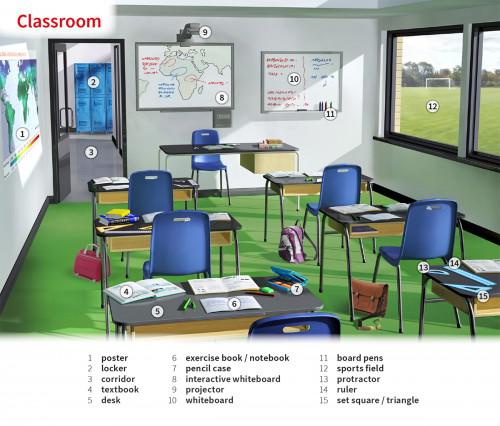
    chair(noun)

    /tʃer/

    椅子 (isu)

    a piece of furniture for one person to sit on, with a back, a seat and four legs

    The chair has four legs.

    その椅子には4本足がある (Sono isu ni wa yon hon ashi ga aru).

    dining/kitchen chairs

    類義語seatstoolbencharmchairthrone
    対義語standingfloorground
  20. 20

    goods(noun)

    /ɡʊdz/

    商品 (shōhin)

    things that are produced to be sold

    perishable/durable goods

    生鮮食品/耐久消費財 (seisen shokuhin/taikyū shōhizai)

    electrical/sports goods

    類義語merchandisecommoditieswaresproductsstock
    対義語services
  21. 21

    scheme(noun)

    /skiːm/

    計画, 制度, 事業

    a plan or system for doing or organizing something

    The government has launched a new scheme to help families save energy at home.

    政府は家庭の省エネを支援する新しい制度を開始した。

    類義語planprojectdesignstrategysystemarrangement
    対義語improvisationchanceaccidentrandomness
  22. 22

    covered(adjective)

    /ˈkʌvərd/

    覆われた

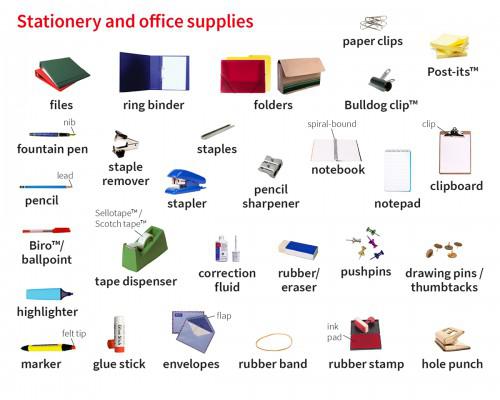
    having a layer or amount of something on it

    The walls were covered with pictures.

    壁は絵で覆われていた。

    His face was covered in blood.

    類義語concealedhiddenprotectedoverlaidcoatedveiledcloakedblanketed
    対義語uncoveredexposedrevealedbareopen
  23. 23

    easily(adverb)

    /ˈiːzəli/

    容易に (youi ni)

    without problems or difficulty

    The museum is easily accessible by car.

    その美術館へは車で容易にアクセスできます。(Sono bijutsukan e wa kuruma de youi ni akusesu dekimasu.)

    I can easily finish it tonight.

    類義語effortlesslysimplyreadilysmoothlycomfortably
    対義語difficultlyhardlylaboriouslyarduouslywith difficulty
  24. 24

    thing(noun)

    /θɪŋ/

    物 (mono)

    an object whose name you do not use because you do not need to or want to, or because you do not know it

    He's just bought one of those exercise things

    彼はちょうどそれらの運動器具の一つを買った。

    Turn that thing off while I'm talking to you!

    類義語objectitementityarticlestuffmatter
    対義語nothingnonentityabstraction
  25. 25

    ultimately(adverb)

    /ˈʌltɪmətli/

    最終的に

    in the end; finally

    Ultimately, all the colonies will become independent.

    最終的に、すべての植民地は独立するでしょう。

    A poor diet will ultimately lead to illness.

    類義語eventuallyfinallyin the endat lastbasicallyfundamentally
    対義語initiallyprimarilyfirstoriginally
  26. 26

    seem(verb)

    /siːm/

    ~のようだ, ~に見える, ~らしい

    to give the impression of being or doing something

    People aren’t always what they seem to be.

    人は必ずしも見た目どおりとは限らない。

    They seem to know what they're doing.

    類義語appearlookappear to belook likesuggestindicate
    対義語beprovedemonstrateshow
  27. 27

    fasten(verb)

    /ˈfæsn/

    留める (tomeru)

    to close or join together the two parts of something; to become closed or joined together

    He fastened up his coat and hurried out.

    彼はコートを留めて、急いで出て行った。

    Fasten your seatbelts, please.

    類義語secureattachconnectfixjoin
    対義語unfastendetachloosenreleaseseparate
  28. 28

    indeed(adverb)

    /ɪnˈdiːd/

    本当に, まったく, 確かに

    used to emphasize a positive statement or answer

    'Do you agree with me?' 'Yes, indeed, I agree completely.'

    「私に賛成ですか?」「ええ、もちろん、完全に賛成です。」

    類義語certainlysurelyreallytrulyverilyactuallyin factwithout doubt
    対義語doubtfullyquestionablyuncertainlyimprobablyfalselyincorrectly
  29. 29

    excuse(noun)

    /ɪkˈskjuːs/

    言い訳, 口実

    a reason, either true or invented, that you give to explain or defend your behaviour

    He always makes excuses for being late to class.

    彼はいつも授業に遅れる言い訳ばかりしている。

    類義語forgivepardonabsolvejustifycondone
    対義語condemnaccuseblamepunish
  30. 30

    sight(noun)

    /saɪt/

    視力, 視覚

    the ability to see

    She lost her sight in an accident when she was young.

    彼女は若い頃に事故で視力を失った。

    類義語viewvisioneyesightspectacleperceptionobservationglimpse
    対義語blindnessimperceptibility
  31. 31

    varied(adjective)

    /ˈverid/

    多様な

    of many different types

    a wide and varied selection of cheeses

    幅広く多様なチーズのセレクション

    varied opinions

    類義語diverseassorteddifferentmiscellaneousvariousmanifold
    対義語uniformsimilaridenticalhomogenousconsistentsame
  32. 32

    bar(noun)

    /bɑːr/

    バー

    a place where you can buy and drink alcoholic and other drinks

    We arranged to meet in a bar called the Flamingo.

    フラミンゴというバーで会うことにした。

    They work in a bar

    類義語pubtavernloungesalooncocktail loungenightclubclubbuffet
    対義語(place of abstinence) cafetea shopcoffee shoprestaurant
  33. 33

    dare(verb)

    /der/

    思い切る

    to be brave enough to do something

    He didn’t dare (to) say what he thought.

    彼は自分の考えをあえて言わなかった。

    She said it as loudly as she dared.

    類義語ventureriskchallengedefybrave
    対義語fearshrinkavoidhesitatecower
  34. 34

    no one(pronoun)

    /nəʊ wʌn/

    誰もいない

    not anyone; no person

    No one was at home.

    誰も家にいなかった。

    We were told to speak to no one.

    類義語nobodynot a soulzero people
    対義語everybodyeveryonesomebodyall
  35. 35

    sex(noun)

    /seks/

    性別 (seibetsu)

    the state of being male or female

    Please indicate your sex and date of birth below.

    以下に性別と生年月日をご記入ください。

    sex discrimination(= the act of treating men and women differently in an unfair way)

    類義語genderbiological sexsexual identity
    対義語asexuality
  36. 36

    base(noun)

    /beɪs/

    底, 土台, 台

    the lowest part of something, especially the part or surface on which it rests or stands

    The lamp has a heavy base, so it does not fall over.

    そのランプは台が重いので倒れない。

    類義語foundationbasisgroundworksupportunderlyingfundamental
    対義語topapexpeaktipsurface
  37. 37

    mostly(adverb)

    /ˈməʊstli/

    主に

    mainly; generally

    The band are mostly teenagers, I think.

    そのバンドは主にティーンエイジャーだと思う。

    We're mostly out on Sundays.

    類義語mainlyprimarilylargelygenerallypredominantlychiefly
    対義語partlyslightlyminimallyinfrequentlyrarely
  38. 38

    sack(verb)

    /sæk/

    解雇

    to dismiss somebody from a job

    She was sacked for refusing to work on Sundays.

    彼女は日曜日の労働を拒否したため解雇された。

    This building is government property.

    類義語dismissfiredischargeterminatelay offgive the boot
    対義語hireemployrecruit
  39. 39

    sum(noun)

    /sʌm/

    金額, 金

    an amount of money

    She paid a large sum of money for the old painting.

    彼女はその古い絵に大金を払った。

    類義語totalaggregateamountquantitywhole
    対義語differencereductiondecrease
  40. 40

    couple(noun)

    /ˈkʌpl/

    二つ, 少数

    two people or things

    I saw a couple of men get out.

    男の人が二、三人出てくるのが見えた。

    Couples were dancing cheek to cheek.

    類義語pairduobracetwosomefewsome
    対義語singleindividualonemanygroup
  41. 41

    totally(adverb)

    /ˈtəʊtəli/

    完全に

    completely

    This behaviour is totally unacceptable.

    この行動は全く受け入れられません。

    He totally ignored us.

    類義語completelyabsolutelyentirelyutterlyfullythoroughly
    対義語partiallysomewhatslightlyincompletely
  42. 42

    strain(noun)

    /streɪn/

    負担

    pressure on a system or relationship because great demands are being placed on it

    Did you find the job a strain?

    仕事は負担でしたか?

    Their marriage is under great strain at the moment.

    類義語pressurestressburdenexertioneffortdemand
    対義語easereliefcomfortrelaxation
  43. 43

    remains(noun)

    /rɪˈmeɪnz/

    残り

    the parts of something that are left after the other parts have been used, eaten, removed, etc.

    She fed the remains of her lunch to the dog.

    彼女は昼食の残り物を犬に与えた。

    I found the test relatively easy.

    類義語remnantsresidueleftoversfragmentsscraps
    対義語wholeentiretyeverythingtotal
  44. 44

    matching(adjective)

    /ˈmætʃɪŋ/

    一致する

    having the same colour, pattern, style, etc. and therefore looking attractive together

    a pine table with four matching chairs

    一致する椅子が4脚ある松のテーブル

    the transition from liquid to vapour

    類義語correspondingidenticalsimilarcoordinatecomplementary
    対義語mismatcheddifferentdissimilarconflictingincompatible
  45. 45

    next to(preposition)

    /nekst tə/

    隣に (tonari ni)

    in or into a position right by somebody/something

    The girl is standing next to the table.

    少女はテーブルの隣に立っています。

    neat rows of books

    類義語besideadjacent tonearbyalongsideby
    対義語far fromdistant fromaway fromopposite
  46. 46

    intended(adjective)

    /ɪnˈtendɪd/

    意図された

    that you are trying to achieve or reach

    the intended purpose

    意図された目的

    the intended audience

    類義語deliberateplanneddesignedmeantpurposedcalculated
    対義語accidentalunintentionalunplannedinadvertentunforeseen
  47. 47

    than(preposition, conjunction)

    /ðən/

    〜より, 〜よりも

    used to introduce the second part of a comparison

    My brother is three years older than me.

    私の兄は私より3歳年上だ。

    類義語compared withas opposed tobeyondin comparison to
    対義語sameequalidenticallike
  48. 48

    mixture(noun)

    /ˈmɪkstʃər/

    混合物 (kongōbutsu)

    a combination of different things

    Their latest CD is a mixture of new and old songs.

    彼らの最新のCDは、新旧の歌の混合物です。(Karera no saishin no CD wa, shinkyū no uta no kongōbutsu desu.)

    We listened to the news with a mixture of surprise and horror.

    類義語blendcombinationamalgamationmedleyfusioncomposite
    対義語separationdivisionsegregationpuredistinct
  49. 49

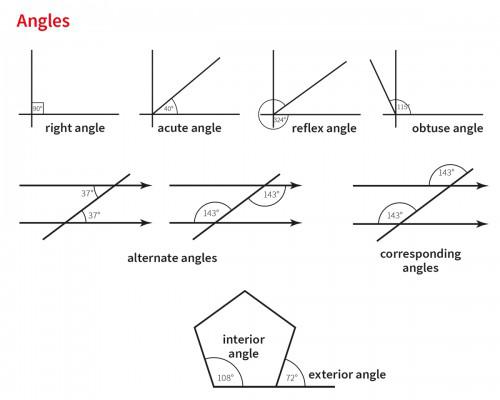
    angle(noun)

    /ˈæŋɡl/

    角度 (kakudo)

    the space between two lines or surfaces that join, measured in degrees

    a 45° angle

    45度の角度 (45 do no kakudo)

    the rocket's angle of descent

    類義語cornerpointbendintersectiondivergence
    対義語straightlineflatness
  50. 50

    following(adjective)

    /ˈfɑːləʊɪŋ/

    次の, 翌〜

    coming next in time

    We arrived on Monday and visited the museum the following day.

    私たちは月曜日に到着し、翌日に博物館を訪れた。

    類義語aftersubsequent toin the wake ofnextpursuingsupportingas a result of
    対義語beforeprecedingprior toleadingabandoning
  51. 51

    highlight(verb)

    /ˈhaɪlaɪt/

    強調する

    to emphasize something, especially so that people give it more attention

    Your résumé should highlight your skills and achievements.

    あなたの履歴書はあなたのスキルと実績を強調するべきです。

    My dance class is the highlight of my week.

    類義語emphasizestressunderlineaccentuatefeatureshowcase
    対義語understatedownplayobscurehideminimize
  52. 52

    sir(noun)

    /sər ˌɡɑːweɪn ən ðə ˌɡriːn ˈnaɪt/

    あなた様, 先生, お客様

    used as a polite way of addressing a man whose name you do not know, for example a customer or teacher

    Good afternoon, Sir.

    こんにちは、お客様。

    Are you ready to order, sir?

    類義語mistergentlemanmaster
    対義語madamma'am
  53. 53

    clearly(adverb)

    /ˈklɪrli/

    明確に

    in a way that is easy to see or hear

    Please speak clearly after the tone.

    トーンの後にはっきりと話してください。

    It's difficult to see anything clearly in this mirror.

    類義語distinctlyplainlyunambiguouslyexplicitlyobviouslylucidly
    対義語vaguelyobscurelyambiguouslyunclearlyfuzzily
  54. 54

    group(noun)

    /ɡruːp/

    グループ

    a number of people or things that are together in the same place or that are connected in some way

    In English class, we often work in groups.

    英語の授業では、私たちはよくグループで活動します。

    to work in groups

    類義語teamclusterbandcollectionsetassociation
    対義語individuallonesingleone
  55. 55

    suck(verb)

    /sʌk/

    吸う (suu)

    to take liquid, air, etc. into your mouth by using the muscles of your lips

    She was noisily sucking up milk through a straw.

    彼女はストローでミルクを音を立てて吸っていた。

    He sucked the blood from a cut on his finger.

    類義語drawsipslurpextractabsorb
    対義語expelejectemitdischarge
  56. 56

    based(adjective)

    /beɪst/

    基づいて

    if one thing is based on another, it uses it or is developed from it

    The movie is based on a real-life incident.

    その映画は実話に基づいている。

    The report is based on figures from six different European cities.

    類義語foundedgroundedpredicatedestablishedhinged
    対義語unfoundedbaselessunsupported
  57. 57

    ice cream(noun)

    /aɪs kriːm/

    アイスクリーム (aisukurīmu)

    a type of sweet frozen food made from milk fat, tasting of fruit, chocolate, etc. and often eaten as a dessert ; a small amount of this food intended for one person, often served in a container made of biscuit that is like a cone in shape

    chocolate chip/vanilla ice cream

    チョコレートチップ/バニラアイスクリーム (chokorētochippu/banira aisukurīmu)

    The trip has been exhausting and I'll be glad to be home.

    類義語frozen dessertgelatosherbetsorbet
    対義語soupstewwarm dessert
  58. 58

    disadvantage(noun)

    /ˌdɪsədˈvæntɪdʒ/

    不利, 不利益, 欠点

    something that causes problems and tends to stop somebody/something from succeeding or making progress

    The fact that he didn't speak a foreign language put him at a distinct disadvantage.

    彼が外国語を話せないことは、明らかに不利な立場に彼を置いた。

    I hope my lack of experience won't be to my disadvantage.

    類義語drawbackhandicapdownsideweaknesssetbackimpedimenthindrance
    対義語advantagebenefitassetstrength
  59. 59

    mainly(adverb)

    /ˈmeɪnli/

    主に

    more than anything else; also used to talk about the most important reason for something

    They eat mainly fruit and nuts.

    彼らは主に果物とナッツを食べる。

    The population almost doubles in summer, mainly because of the jazz festival.

    類義語primarilymostlychieflylargelygenerally
    対義語secondarilypartiallyincidentallyslightlymarginally
  60. 60

    pan(noun)

    /pæn/

    鍋 (nabe)

    a container, usually made of metal, with a handle or handles, used for cooking food in

    Heat the milk in a small pan.

    牛乳を小さい鍋で温める。

    pots and pans

    類義語potskilletsaucepanfrying pan
    対義語bowlplatedish
  61. 61

    programme(noun)

    /ˈprəʊɡræm/

    番組

    something that people watch on television or listen to on the radio

    My favourite TV programme starts at eight o'clock every evening.

    私の好きなテレビ番組は毎晩8時に始まる。

    類義語scheduleplanagendaschemecurriculum
    対義語disorganizationchaosimprovisation
  62. 62

    oh(exclamation)

    /əʊ/

    あら

    used when you are reacting to something that has been said, especially if you did not know it before

    You can't come tonight? Oh well, see you next week then.

    今夜来れないの? あら、じゃあまた来週ね。

    ‘I saw Ben yesterday.’ ‘Oh yes, how is he?’

    類義語alaswelldeargoshwowuh-oh
    対義語nothingsilence
  63. 63

    barrier(noun)

    /ˈbæriər/

    障壁 (shouheki)

    an object like a fence that prevents people from moving forward from one place to another

    The car crashed into the safety barrier and burst into flames.

    車は安全バリアに衝突し、炎上した。

    Show your ticket at the barrier.

    類義語obstaclehurdleimpedimentblockadefencewall
    対義語openingpathaccesspassage
  64. 64

    thinking(noun)

    /ˈθɪŋkɪŋ/

    思考

    the process of thinking about something

    I had to do some quick thinking.

    私は迅速な思考をしなければならなかった。

    swollen glands

    類義語reasoningreflectiondeliberationcontemplationconsiderationthought
    対義語ignorancethoughtlessnessunawareness
  65. 65

    have to(modal verb)

    /həv tə/

    〜なければならない

    used to show that you must do something

    I have to admit, the idea of marriage scares me.

    認めざるを得ないが、結婚という考えは私を怖がらせる。

    Did she have to pay a fine?

    類義語mustneed toought toshouldbe obliged tobe required to
    対義語don't have toneedn'tmaycanbe allowed to
  66. 66

    removal(noun)

    /rɪˈmuːvl/

    除去

    the act of taking somebody/something away from a particular place

    Allegations of abuse led to the removal of several children from their families.

    虐待の申し立てにより、数人の子供たちが家族から除去されました。

    Allegations of abuse led to the removal of several children from their families.

    類義語extractioneliminationdismissaleradicationdisplacementexpulsionousting
    対義語additioninsertioninclusionplacementinstallation
  67. 67

    noise(noun)

    /nɔɪz/

    騒音 (sōon)

    a sound, especially when it is loud, unpleasant or frightening

    What's that noise?

    何の騒音ですか? (Nan no sōon desu ka?)

    Don't make a noise.

    類義語sounddinracketcommotionclamoruproardisturbance
    対義語silencequietpeacestillness
  68. 68

    per cent(adjective)

    /pər sent/

    パーセントの, 百分の

    by, in or for every hundred

    a 15 per cent rise in price

    価格の15パーセントの上昇

    House prices rose five per cent last year.

    類義語percentagepercentilerateproportion
    対義語wholeentiretytotal
  69. 69

    missing(adjective)

    /ˈmɪsɪŋ/

    行方不明

    that cannot be found or that is not in its usual place; that has been removed, lost or destroyed

    I never found the missing piece.

    私は決して見つからない行方不明のピースを見つけられませんでした。

    They still hoped to find their missing son.

    類義語lostabsentlackingwantinggonemislaid
    対義語presentfoundavailableexistingcomplete
  70. 70

    rear(adjective)

    /rɪr/

    裏

    at or near the back of something

    the rear entrance of the building

    建物の裏口

    front and rear windows

    類義語backhindposterior
    対義語frontforeanterior
  71. 71

    bottom(noun)

    /ˈbɑːtəm/

    底, 下部

    the lowest part of something

    There is a small hole in the bottom of my bag.

    私のかばんの底に小さな穴が開いている。

    類義語basefootfoundationlowest partunder
    対義語toppeaksummithighest point
  72. 72

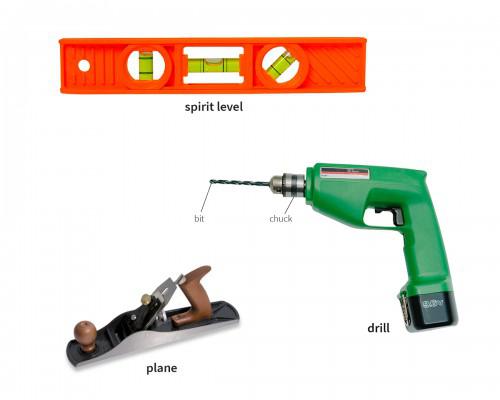
    bit(noun)

    /bɪt/

    少し, 一切れ, 少量

    a small amount or piece of something

    Would you like a bit of cake with your tea?

    お茶と一緒にケーキを少しいかがですか。

    類義語littlesomesmall amountpiecefragment
    対義語wholelotmuchentirety
  73. 73

    rival(noun)

    /ˈraɪvl/

    ライバル (raibaru)

    a person, company or thing that competes with another in sport, business, etc.

    He beat his rival by reducing the price.

    彼は価格を下げることでライバルを打ち負かした。

    a rival bid/claim/offer

    類義語opponentcompetitoradversarychallengercontender
    対義語allyfriendsupporterteammate
  74. 74

    part(noun)

    /pɑːrt/

    一部 (ichibu)

    some but not all of a thing

    Voters are given only part of the story(= only some of the information).

    有権者は物語の一部しか与えられていません。

    Part of the building was destroyed in the fire.

    類義語portionpiecesegmentsectionelementcomponent
    対義語wholeentiretyeverythingtotalcomplete
  75. 75

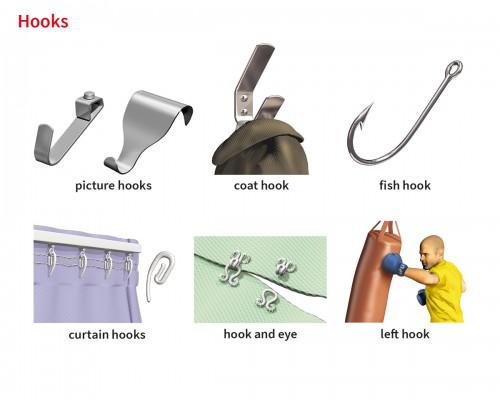
    hook(noun)

    /hʊk/

    フック, 掛け鉤, 釣り針

    a curved piece of metal, plastic or wire for hanging things on, catching fish with, etc.

    He hung his coat on the hook behind the door.

    彼はドアの後ろのフックにコートを掛けた。

    類義語catchfastenerclamplinkcrookbendgrapple
    対義語straightenreleasedetachdisconnectunfasten
  76. 76

    crowd(noun)

    /kraʊd/

    群衆 (gunshū)

    a large number of people gathered together in a public place, for example in the streets or at a sports game

    I want to get there early to avoid the crowds.

    混雑を避けるために、早めにそこに着きたい。

    Crowds of people poured into the street.

    類義語throngmobhordemassmultitudeswarmflockgathering
    対義語individuallonelinessisolationsolitudeemptiness
  77. 77

    used to(modal verb)

    /juːst tə/

    以前は

    used to say that something happened continuously or frequently during a period in the past

    We used to go sailing on the lake in summer.

    私たちは夏に湖でセーリングに行ったものでした。

    I used to live in London.

    類義語formerlypreviouslyin the pastoncewould
    対義語currentlynowpresentlystill
  78. 78

    bunch(noun)

    /bʌntʃ/

    房, 束

    a number of things of the same type which are growing or fastened together

    She bought a bunch of bananas and a bunch of flowers at the market.

    彼女は市場でバナナを一房と花を一束買った。

    類義語clustergroupcollectionlotmass
    対義語singleindividualonepiece
  79. 79

    gap(noun)

    /ɡæp/

    隙間 (sukima)

    a space where something is missing

    Leave a gap between your car and the next.

    あなたの車と次の車の間に隙間を空けてください。

    There should be a six-inch gap at the bottom.

    類義語spaceintervalbreakopeningvoid
    対義語closureconnectioncontinuityfullnesssolidarity
  80. 80

    lot(pronoun)

    /lɑːt/

    たくさん, 多数, 多量

    a large number or amount

    I have a lot of homework to do tonight.

    今夜はやらなければならない宿題がたくさんあります。

    類義語abundancemanymuchquantitygreat dealmass
    対義語littlefewscarcitylack
  81. 81

    increasingly(adverb)

    /ɪnˈkriːsɪŋli/

    ますます

    more and more all the time

    Increasingly, training is taking place in the office rather than outside it.

    ますます、トレーニングはオフィスの外ではなく、オフィス内で行われるようになっています。

    It is becoming increasingly clear that this problem will not be easily solved.

    類義語more and moreprogressivelygraduallysteadilycontinuouslyever more
    対義語decreasinglyless and lessinfrequentlyseldomrarely
  82. 82

    somehow(adverb)

    /ˈsʌmhaʊ/

    何とかして

    in a way that is not known or certain

    We must stop him from seeing her somehow.

    何とかして彼が彼女に会うのを止めなければならない。

    Somehow or other I must get a new job.

    類義語in some wayone way or anotherby some meansanyhowin a waypossibly
    対義語certainlydefinitelysurelyin no wayunder no circumstances
  83. 83

    stuff(noun)

    /stʌf/

    物

    used to refer to a substance, material, group of objects, etc. when you do not know the name, when the name is not important or when it is obvious what you are talking about

    They sell stationery and stuff (like that).

    彼らは文房具や物(のようなもの)を売っている。

    Where's all my stuff (= my possessions)?

    類義語thingsitemsmaterialsgoodsbelongingspossessionsparaphernaliaequipment
    対義語nothingvoidemptiness
  84. 84

    crack(noun)

    /kræk/

    ひび, 亀裂

    a line on the surface of something where it has broken but not split into separate parts

    There is a crack in his car after the accident.

    事故のあと、彼の車にひびが入っています。

    The cracks (= faults) in the government's economic policy are already beginning to show.

    類義語fissuresplitcrevicefracturebreak
    対義語solidwholeunbroken
  85. 85

    advice(noun)

    /ədˈvaɪs/

    アドバイス

    an opinion or a suggestion about what somebody should do in a particular situation

    Steven gave me some good advice.

    スティーブンは私にいくつか良いアドバイスをくれました。

    Ask your teacher 's advice / Ask your teacher for advice on how to prepare for the exam.

    類義語guidancecounselrecommendationsuggestionopinioninputdirection
    対義語deterrentwarningdissuasion
  86. 86

    pile(noun)

    /paɪl/

    積み重ね

    a number of things that have been placed on top of each other

    a pile of books/clothes/bricks

    本の山/服の山/レンガの山

    She looked in horror at the mounting pile of letters on her desk.

    類義語heapstackmoundaccumulationcollection
    対義語singleoneindividualscattereddistributed
  87. 87

    concerned(adjective)

    /kənˈsɜːrnd/

    心配な

    worried and feeling concern about something/somebody

    Concerned parents held a meeting.

    心配した親たちが会議を開いた。

    She was concerned that she might miss the turning and get lost.

    類義語worriedanxiousapprehensivetroubledsolicitousattentiveinterested
    対義語unconcernedindifferentapatheticcarelessnegligentuntroubled
  88. 88

    related(adjective)

    /rɪˈleɪtɪd/

    関連

    connected with something/somebody in some way

    a related issue/question

    関連する問題/質問

    a stress-related illness

    類義語connectedassociatedlinkedrelevantgermanepertinentakin
    対義語unrelatedunconnecteddissimilarirrelevantinapplicable
  89. 89

    all right(exclamation)

    /ɔːl raɪt/

    いいよ, 分かった, しかたない

    used to show that you agree to do something or that you accept something

    ‘Can you do it?’ ‘Oh, all right.’

    「それ、できる?」「うん、まあ、いいよ。」

    類義語okayfineacceptablegoodyesagreed
    対義語nobadwrongunacceptabledisagree
  90. 90

    according to(preposition)

    /əˈkɔːrdɪŋ tə/

    〜によると

    as stated or reported by somebody/something

    You've been absent six times according to our records.

    記録によると、あなたは6回欠席しています。

    According to Mick, it's a great movie.

    類義語based onin accordance withconsistent withbyas stated by
    対義語contrary toregardless ofdespite
  91. 91

    folding(adjective)

    /ˈfəʊldɪŋ/

    折りたたみ

    that can be folded, so that it can be carried or stored in a small space

    a folding chair

    折りたたみ椅子

    a foldaway bed

    類義語collapsiblefoldablehingedcompactable
    対義語rigidfixedimmovablestationary
  92. 92

    o'clock(adverb)

    /əˈklɑːk/

    時 (ji)

    used with the numbers 1 to 12 when telling the time, to mean an exact hour

    My father often gets up at 6 o'clock.

    私の父はよく6時に起きます。

    He left between five and six o'clock.

    類義語hourtime
    対義語approximatelyaround
  93. 93

    scale(noun)

    /skeɪl/

    規模 (kibo)

    the size or extent of something, especially when compared with something else

    It was impossible to comprehend the full scale of the disaster.

    災害の全規模を把握することは不可能だった。

    類義語extentsizescopemagnitudedegreerangeproportionratio
    対義語insignificancetrivialitysmallnessminuteness
  94. 94

    affair(noun)

    /əˈfer/

    事柄, 問題, 情勢

    events that are of public interest or political importance

    affairs of state

    国家の事柄

    an expert on foreign affairs (= political events in other countries)

    類義語matterincidenteventbusinessrelationshipliaison
    対義語peacecalmtranquility
  95. 95

    rub(verb)

    /rʌb/

    こする

    to move your hand, a cloth, etc., backwards and forwards over a surface while pressing it

    Rub the surface with sandpaper before painting.

    塗装する前に、サンドペーパーで表面をこすってください。

    Animals had been rubbing against the trees.

    類義語scrapescrubpolishmassagestroke
    対義語tappatleave aloneignore
  96. 96

    post(verb)

    /pəʊst/

    投稿する, 掲示する

    to put information, a message or a picture on a website or social media so that other people can see it

    Please log-in to post your comment.

    コメントを投稿するにはログインしてください。

    Have you posted off your order yet?

    類義語publishuploadsubmitannouncedisplaypresent
    対義語removedeletewithdrawhidesuppress
  97. 97

    disaster(noun)

    /dɪˈzæstər/

    災害

    an unexpected event, such as a very bad accident, a flood or a fire, that kills a lot of people or causes a lot of damage

    The film begins with a terrible disaster.

    その映画はひどい災害から始まる。

    a natural disaster(= one that is caused by nature)

    類義語catastrophecalamitytragedymisfortuneadversity
    対義語successfortuneblessingtriumphbenefit
  98. 98

    historical(adjective)

    /hɪˈstɔːrɪkl/

    歴史的

    connected with the past

    Women are not allowed to enter the monastery for historical reasons.

    歴史的な理由により、女性は修道院に入ることを許可されていません。

    the historical background to the war

    類義語pastchronologicalrecordeddocumentedancient
    対義語ahistoricalunhistoricalpresentcontemporarymodern
  99. 99

    corner(noun)

    /ˈkɔːrnər/

    角 (kado)

    a part of something where two or more sides, lines or edges join

    Click the icon in the bottom right-hand corner of the screen.

    画面の右下隅にあるアイコンをクリックしてください。

    I hit my knee on the corner of the table.

    類義語angleedgepointnookbend
    対義語centermiddle
  100. 100

    substantial(adjective)

    /səbˈstænʃl/

    かなりの

    large in amount, value or importance

    She inherited a substantial fortune from her grandmother.

    彼女は祖母からかなりの財産を相続した。

    There are substantial differences between the two groups.

    類義語significantconsiderablelargeamplesizeablematerialsolid
    対義語insignificantnegligiblesmallminortrivialimmaterial
  101. 101

    instead(adverb)

    /ɪnˈsted/

    代わりに (kawari ni)

    in the place of somebody/something

    Lee was ill so I went instead.

    リーは病気だったので、代わりに私が行きました。

    He didn't reply. Instead, he turned on his heel and left the room.

    類義語alternativelyratherin place ofas a substitutein lieu of
    対義語as wellalsoin additionfurthermore
  102. 102

    institute(noun)

    /ˈɪnstɪtuːt/

    研究所

    an organization that has a particular purpose, especially one that is connected with education or a particular profession; the building used by this organization

    It is difficult to become a student at this famous institute.

    この有名な研究所の学生になるのは難しい。

    the Institute of Chartered Accountants

    類義語academycollegeorganizationfoundationestablishment
    対義語disorganizationdestructiontermination
  103. 103

    layer(noun)

    /ˈleɪər/

    層 (sou)

    a quantity or sheet of something that lies over a surface or between surfaces

    How many layers of clothing are you wearing?

    何枚重ね着していますか?(Nan-mai kasane-gi shite imasu ka?)

    A thin layer of dust covered everything.

    類義語coatingplysheetlevelfilmcoveringtier
    対義語wholeentirety
  104. 104

    middle(noun)

    /ˈmɪdl/

    真ん中, 中央, 中間

    the part of something that is at an equal distance from all its edges or sides; a point or a period of time between the beginning and the end of something

    There is a big table in the middle of the room.

    部屋の真ん中に大きなテーブルがあります。

    類義語centerintermediatemedianaveragemid
    対義語beginningendextremeouter
  105. 105

    nonsense(noun)

    /ˈnɑːnsens/

    ナンセンス

    ideas, statements or beliefs that you think are silly or not true

    Reports that he has resigned are nonsense.

    彼が辞任したという報道はナンセンスだ。

    The idea is an economic nonsense.

    類義語rubbishfoolishnessabsurditybalderdashpoppycockgibberishdriveltwaddle
    対義語sensetruthreasonlogicwisdom
  106. 106

    air(noun)

    /er/

    空気 (kuuki)

    the mixture of gases that surrounds the earth and that we breathe

    I like the fresh air in the countryside.

    田舎の新鮮な空気が好きです。(Inaka no shinsen na kuuki ga suki desu.)

    The act lays down a minimum standard for air quality.

    類義語atmospherebreezewinddraft
    対義語stillnessvacuumstagnation
  107. 107

    accident(noun)

    /ˈæksɪdənt/

    事故 (jiko)

    an unpleasant event, especially in a vehicle, that happens unexpectedly and causes injury or damage

    I saw an accident this morning.

    今朝、事故を見ました。(kesa jiko o mimashita.)

    I didn't mean to break it— it was an accident.

    類義語mishapincidentcrashcollisiondisastercalamity
    対義語intentiondesignplandeliberate actpurpose
  108. 108

    actual(adjective)

    /ˈæktʃuəl/

    実際

    used to emphasize something that is real or exists in fact

    The actual cost was higher than we expected.

    実際の費用は予想よりも高かった。

    What were his actual words?

    類義語realgenuinetruefactualauthenticveritable
    対義語theoreticalhypotheticalimaginaryfictionalunreal
  109. 109

    strip(noun)

    /strɪp/

    細片 (hosopien)

    a long narrow piece of paper, metal, cloth, etc.

    Cut the meat into strips.

    肉を細片に切る。

    a strip of material

    類義語bandribbonpiecesliversectionlayerstreakstripe
    対義語wholeentiretycompletemasslump
  110. 110

    together(adverb)

    /təˈɡeðər/

    一緒に (issho ni)

    with or near to somebody/something else; with each other

    Together, we are strong.

    一緒にいれば、私たちは強い。(Issho ni ireba, watashitachi wa tsuyoi.)

    Stay close together—I don't want anyone to get lost.

    類義語jointlycollectivelyunitedlyin unisonas one
    対義語separatelyapartaloneindividually
  111. 111

    entry(noun)

    /ˈentri/

    入場

    an act of going into or getting into a place

    She made her entry to the sound of thunderous applause.

    彼女は雷鳴のような拍手喝采の中、入場した。

    The children were surprised by the sudden entry of their teacher.

    類義語entranceaccessingressappearancearrivalintroduction
    対義語exitdeparturewithdrawal
  112. 112

    prize(noun)

    /praɪz/

    賞

    an award that is given to a person who wins a competition, race, etc. or who does very good work

    Everybody tries their best to win the prize.

    誰もが賞を得るために最善を尽くします。

    I won £500 in prize money.

    類義語awardrewardtrophyaccoladeboonperkplum
    対義語penaltyfinelosspunishment
  113. 113

    considerably(adverb)

    /kənˈsɪdərəbli/

    大幅に

    much; a lot

    Interest rates on bank loans have increased considerably in recent years.

    銀行ローンの金利は近年大幅に上昇しています。

    The need for sleep varies considerably from person to person.

    類義語significantlysubstantiallymarkedlynoticeablyappreciablygreatlylargely
    対義語slightlyminimallyinsignificantlynegligiblybarelyhardly
  114. 114

    impressed(adjective)

    /ɪmˈprest/

    感銘を受けた (kanmei o uketa)

    admiring somebody/something because you think they are particularly good, interesting, etc.

    We were all impressed by her enthusiasm.

    私たちは皆、彼女の熱意に感銘を受けました。(Watashitachi wa mina, kanojo no netsui ni kanmei o ukemashita.)

    I must admit I am impressed.

    類義語affectedmovedinfluencedstruckastonishedamazedawestruck
    対義語unmovedunaffectedunimpresseddisappointedunconcerned
  115. 115

    anger(noun)

    /ˈæŋɡər/

    怒り (ikari)

    the strong feeling that you have when something has happened that you think is bad and unfair

    Jan slammed her fist on the desk in anger.

    ジャンは怒りで机に拳を叩きつけた。

    He was filled with anger at the way he had been treated.

    類義語ragefurywrathindignationresentmentirritation
    対義語calmpeacehappinesscontentmentjoycomposure
  116. 116

    flesh(noun)

    /fleʃ/

    肉 (niku)

    the soft substance between the skin and bones of animal or human bodies

    The trap had cut deeply into the rabbit's flesh.

    罠はウサギの肉に深く食い込んでいた。

    Tigers are flesh-eating animals.

    類義語meatbodytissuecorpulence
    対義語spiritsoul
  117. 117

    Tenant(noun)

    /ˈtenənt/

    賃借人 (chinshakunin)

    a person who pays rent for the use of a room, building, land, etc. to the person who owns it

    Just be aware that another potential tenant saw the unit this morning.

    今朝、別の入居希望者が部屋を見に来たことを念頭に置いてください。

    類義語RenterLesseeOccupantResident
    対義語LandlordOwnerLessor
  118. 118

    suite(noun)

    /swiːt/

    スイートルーム, 特別室

    a set of connected rooms in a hotel, usually with a separate living room and bedroom

    The suite has a living room, a dining area and a large bedroom.

    そのスイートルームには、居間、ダイニングスペース、広い寝室があります。

    We reserved the honeymoon suite for the newly married couple.

    類義語apartmentroomsset of roomsluxury apartment
    対義語single room
  119. 119

    Venue(noun)

    /ˈvenjuː/

    会場 (kaijō)

    a place where people meet for an organized event, for example a concert, sporting event or conference

    I'm trying to seat all the winners near the front of the venue.

    私はすべての受賞者を会場の前の方に座らせようとしています。

    類義語LocationPlaceSiteSettingSpotArenaHall
    対義語AbstractConceptIdea
  120. 120

    slogan(noun)

    /ˈsləʊɡən/

    スローガン (surōgan)

    a word or phrase that is easy to remember, used for example by a political party or in advertising to attract people’s attention or to suggest an idea quickly

    We need to come up with a new slogan.

    新しいスローガンを考え出す必要があります。(atarashii surōgan o kangaidasu hitsuyō ga arimasu.)

    類義語catchphrasemottobywordtaglinerallying crywatchword
    対義語disclaimerdenunciationrejectionretraction
  121. 121

    mining(noun)

    /ˈmaɪnɪŋ/

    鉱業 (kougyou)

    the process of getting coal and other minerals from under the ground; the industry involved in this

    My father has lots of experience in mining.

    私の父は鉱業の経験が豊富です。

    類義語excavationquarryingextractiondiggingprospecting
    対義語conservationpreservationcultivationfarming
  122. 122

    blend(verb)

    /blend/

    混ぜ合わせる, ブレンドする

    to mix two or more substances together

    I like to blend different spices to create unique flavors.

    私はいろいろなスパイスをブレンドして独自の風味を作るのが好きだ。

    類義語mixcombinemergefuseamalgamate
    対義語separatedividedistinguishisolate
  123. 123

    beneficial(adjective)

    /ˌbenɪˈfɪʃl/

    有益

    improving a situation; having a helpful or useful effect

    A good diet is beneficial to health.

    良い食生活は健康に有益です。

    類義語advantageoushelpfulfavorableusefulprofitablesalutarywholesome
    対義語detrimentalharmfuldeleteriousinjuriousunfavorabledisadvantageous
  124. 124

    boom(noun)

    /buːm/

    ブーム, 好景気, 急成長

    a sudden increase in trade and economic activity; a period of wealth and success

    The country enjoyed an economic boom in the 1990s.

    その国は1990年代に経済的な好景気を享受した。

    類義語flourishthriveprosperincreaseexpansiongrowthupsurge
    対義語declinerecessionbustslumpdecreasecontraction
  125. 125

    crowded(adjective)

    /ˈkraʊdɪd/

    混雑した

    having a lot of people or too many people

    Many people live in Hanoi, so it's very crowded.

    ハノイには多くの人が住んでいるので、とても混雑しています。

    類義語packedcongestedovercrowdedthrongedjammedteeming
    対義語emptydesertedunpopulatedsparsevacant
  126. 126

    inherent(adjective)

    /ɪnˈherənt/

    固有の

    that is a basic or permanent part of somebody/something and that cannot be removed

    the difficulties inherent in a study of this type

    この種の調査に固有の困難

    類義語intrinsicessentialbuilt-innaturalingrainedbasicelemental
    対義語extrinsicacquiredexternalincidentalnonessential
  127. 127

    intake(noun)

    /ˈɪnteɪk/

    摂取量 (sesshushutsuryou)

    the amount of food, drink, etc. that you take into your body

    Reduce your salt intake to lower blood pressure.

    血圧を下げるために、塩分摂取量を減らしてください。

    類義語consumptioningestionabsorptionadmissionreceptionentrance
    対義語outputexpulsioneliminationdischargeegress
  128. 128

    patent(noun)

    /ˈpætnt/

    特許, 特許権

    an official right given to an inventor to be the only one who can make, use or sell an invention for a set period

    The company applied for a patent for its new water filter.

    その会社は新型浄水フィルターの特許を出願した。

    A patent usually gives protection for twenty years.

    類義語copyrightlicensefranchisecharterprotectionintellectual property right
    対義語plagiarisminfringementpiracypublic domainunlicensed
  129. 129

    remedy(noun)

    /ˈremədi/

    解決策, 改善策, 対策

    a way of dealing with or improving an unpleasant or difficult situation

    There is no simple remedy for unemployment.

    失業に対する簡単な解決策はない。

    類義語curesolutiontreatmentmedicineantidotecorrectiverecourse
    対義語diseaseailmentworseningexacerbationcause
  130. 130

    underlying(adjective)

    /ˌʌndərˈlaɪɪŋ/

    根本的な

    important in a situation but not always easily noticed or stated clearly

    The underlying assumption is that the amount of money available is limited.

    根本的な仮定は、利用可能な金額が限られているということです。

    類義語fundamentalbasicessentialimplicitlatenthiddenprimary
    対義語obviousapparentexplicitsuperficial
  131. 131

    credible(adjective)

    /ˈkredəbl/

    信頼できる

    that can be believed or trusted

    They haven't produced any credible evidence for convicting him.

    彼らは彼を有罪にするための信頼できる証拠を何も提出していない。

    類義語believableplausiblereliabletrustworthyconvincingauthentic
    対義語unbelievableimplausibleunreliableuntrustworthydubiousquestionableincredible
  132. 132

    debris(noun)

    /dəˈbriː/

    瓦礫 (gareki)

    pieces of wood, metal, building materials, etc. that are left after something has been destroyed

    Emergency teams are still clearing the debris from the plane crash.

    緊急チームは、いまだに墜落した飛行機の瓦礫を撤去している。

    類義語rubblewreckagefragmentsremainsdetrituslitterwaste
    対義語assetsvaluablespossessionscleanlinessorder
  133. 133

    infrastructure(noun)

    /ˈɪnfrəstrʌktʃər/

    インフラ

    the basic systems and services that are necessary for a country or an organization to run smoothly, for example buildings, transport and water and power supplies

    It is necessary to improve the infrastructure for better traffic systems.

    より良い交通システムのためにインフラを改善することが必要です。

    類義語frameworkfoundationbasesystemnetworkfacilitiesservices
    対義語deteriorationdecayneglectdestructiondisrepair
  134. 134

    niche(noun)

    /niːʃ/

    隙間市場, ニッチ

    an opportunity to sell a particular product or service to a particular group of people

    They spotted a niche in the market, with no serious competition.

    彼らは有力な競合がいない市場の隙間を見つけた。

    類義語specialtyfortestrong suitareasegmentslotplacecorner
    対義語mainstreamcommonplacegeneralbroadconventional
  135. 135

    undergo(verb)

    /ˌʌndərˈɡəʊ/

    受ける (ukeru)

    to experience something, especially a change or something unpleasant

    He underwent a life-saving brain operation.

    彼は命を救う脳手術を受けた。

    類義語experiencego throughenduresustainbe subjected toreceive
    対義語avoidevadeescapeshunresist
  136. 136

    unprecedented(adjective)

    /ʌnˈpresɪdentɪd/

    前例のない

    that has never happened, been done or been known before

    The situation is unprecedented in modern times.

    その状況は現代では前例のないものです。

    類義語unparallelednovelneworiginalexceptionalremarkableextraordinary
    対義語commonusualtypicalordinarycustomaryprecedentedconventional
  137. 137

    well-being(noun)

    /ˈwel biːɪŋ/

    幸福

    general health and happiness

    As we get older, this facet of our lives becomes even more important to our well-being and our health.

    歳をとるにつれて、人生のこの側面は私たちの幸福と健康にとってさらに重要になります。

    類義語welfarehappinessprosperitycontentmentcomforteasehealthflourishing
    対義語distressunhappinessmiseryillnesshardshipsuffering
  138. 138

    activate(verb)

    /ˈæktɪveɪt/

    作動させる (sakudou saseru)

    to make something such as a device or chemical process start working

    The burglar alarm is activated by movement.

    防犯アラームは動きによって作動します。(bouhan araamu wa ugoki ni yotte sakudou shimasu.)

    類義語triggerinitiatestartset offenableturn on
    対義語deactivatedisableturn offinhibitstop
  139. 139

    linger(verb)

    /ˈlɪŋɡər/

    残る (nokoru)

    to continue to exist for longer than expected

    The faint smell of her perfume lingered in the room.

    彼女の香水のほのかな香りが部屋に残った。

    類義語remainstaypersistcontinuetarrydelayloiter
    対義語leavegodepartvanishdisappear
  140. 140

    bean(noun)

    /biːn/

    豆 (mame)

    a seed, or pod containing seeds, of a climbing plant, eaten as a vegetable. There are several types of bean and the plants that they grow on are also called beans .

    My mother buys a kilogram of beans.

    私の母は豆を1キロ買います。

    類義語pulselegume
    対義語meatgrain
  141. 141

    homeless(adjective)

    /ˈhəʊmləs/

    ホームレス

    having no home, and therefore typically living on the streets

    Thousands of people became homeless after the storm.

    嵐の後、何千人もの人々がホームレスになった。

    類義語unsheltereddisplacedrooflesshouselessderelictvagrant
    対義語housedsheltereddomiciledresidentsettled
  142. 142

    neglect(verb)

    /nɪˈɡlekt/

    怠る, おろそかにする, 放置する

    to fail to take care of somebody/something

    If you neglect your teeth, you will soon have problems with them.

    歯の手入れを怠ると、すぐに問題が起きますよ。

    類義語disregardignoreoverlookforgetfailshirk
    対義語attendheedcherishnurturemaintaincare
  143. 143

    participant(noun)

    /pɑːrˈtɪsɪpənt/

    参加者 (sanka-sha)

    a person who is taking part in an activity or event

    There are 44 participants in this competition.

    この競技会には44人の参加者がいます。

    類義語attendeecompetitorentrantplayermember
    対義語observerspectatorbystandernon-participant
  144. 144

    detective(noun)

    /dɪˈtektɪv/

    探偵, 刑事

    a person, especially a police officer, whose job is to investigate crimes and catch criminals

    The detective found important clues at the crime scene.

    刑事は犯行現場で重要な手がかりを見つけた。

    類義語investigativecrime-solvingsleuthinginquisitiveanalytic
    対義語uniformedpatrollaw enforcement (general)
  145. 145

    countless(adjective)

    /ˈkaʊntləs/

    無数

    very many; too many to be counted or mentioned

    I've warned her countless times.

    彼女には数えきれないほど注意した。

    類義語innumerablenumerousuntoldinfiniteuncountablemany
    対義語fewcountablelimitedscarce
  146. 146

    bother(verb)

    /ˈbɑːðər/

    わざわざ~する, 骨を折る

    to spend time and/or energy doing something

    You could have phoned us but you just didn't bother.

    電話してくれてもよかったのに、あなたはわざわざしようとしなかったね。

    類義語troubleannoyinconveniencedisturbworrycare
    対義語pleasehelpaidassistcomfort
  147. 147

    compulsory(adjective)

    /kəmˈpʌlsəri/

    必須

    that must be done because of a law or a rule

    Some people think that students in high schools should study music as a compulsory school subject.

    高校生は音楽を必修科目として勉強すべきだと考える人もいます。

    類義語mandatoryobligatoryrequirednecessaryimperativebinding
    対義語voluntaryoptionaldiscretionaryelective
  148. 148

    monster(noun)

    /ˈmɑːnstər/

    怪物 (kaibutsu)

    (in stories) an imaginary creature that is very large, ugly and frightening

    The man said that he saw a giant monster yesterday.

    男は昨日、巨大な怪物を見たと言った。

    類義語fiendcreaturebeastabominationdemonbrute
    対義語angelsaintbenefactorhuman
  149. 149

    alert(adjective)

    /əˈlɜːrt/

    油断のない, 警戒した, 敏捷な

    able to think quickly; quick to notice things and ready to deal with danger

    Try to stay alert while driving at night.

    夜に運転するときは、気を張って注意を怠らないようにしなさい。

    類義語watchfulvigilantattentiveawareobservantheedful
    対義語unawareinattentivenegligentobliviouslethargicdrowsy
  150. 150

    forum(noun)

    /ˈfɔːrəm/

    フォーラム

    an event or medium where people can exchange opinions and ideas on a particular issue; a meeting organized for this purpose

    She joined a forum for exchanging views yesterday.

    彼女は昨日、意見交換のためのフォーラムに参加しました。

    類義語meetingconferencesymposiumassemblyplatformdiscussion groupboard
    対義語silenceisolationsolitudeprivate conversation
  151. 151

    litter(noun)

    /ˈlɪtər/

    ごみ, 散らかったごみ

    small pieces of rubbish such as paper, cans and bottles, that people have left lying in a public place

    The park was covered in litter after the festival last weekend.

    先週末のお祭りの後、公園はごみだらけだった。

    類義語trashrubbishgarbagedebriswasteclutterscatter
    対義語cleantidyorder
  152. 152

    pump(verb)

    /pʌmp/

    ポンプで送る, 送り出す

    to make water, air, gas, etc. flow in a particular direction by using a pump or something that works like a pump

    The heart pumps blood throughout the body.

    心臓は血液を全身に送り出している。

    類義語forceinjectdischargedriveexpeldrawextractpressurize
    対義語drainleakreleasewithdraw
  153. 153

    alien(noun)

    /ˈeɪliən/

    宇宙人, 異星人

    a creature from another world

    Do you believe that aliens from other planets have visited the earth?

    他の惑星から宇宙人が地球を訪れたと信じますか。

    類義語foreignextraterrestrialunfamiliarexotic
    対義語nativefamiliardomesticlocal
  154. 154

    widen(verb)

    /ˈwaɪdn/

    広げる

    to become wider; to make something wider

    Reading books helps me to widen my knowledge.

    本を読むことは、私の知識を広げるのに役立ちます。

    類義語expandbroadenenlargeincreasestretchextend
    対義語narrowdecreasereducecontractlimitconstrict
  155. 155

    legend(noun)

    /ˈledʒənd/

    伝説 (densetsu)

    a story from ancient times about people and events, that may or may not be true; this type of story

    The dance was based on several Hindu legends.

    その踊りはいくつかのヒンドゥー教の伝説に基づいていた。

    類義語mythtalestoryfolkloresaga
    対義語facttruthhistory
  156. 156

    stall(noun)

    /stɔːl/

    露店 (roten)

    a table or small shop with an open front that people sell things from, especially at a market

    I often buy books from second-hand book stalls.

    私はよく古本屋の露店で本を買います。

    類義語boothstandkioskcounter
    対義語officeheadquartersbuilding
  157. 157

    crew(noun)

    /kruː/

    乗組員 (norikumiin)

    all the people working on a ship, plane, etc.

    The aircraft has a crew of seven.

    その航空機には7人の乗組員がいます。

    類義語teamstaffpersonnelcompanygangforcesquad
    対義語individuallonesolo
  158. 158

    applicable(adjective)

    /ˈæplɪkəbl/

    適用可能

    that can be said to be true in the case of somebody/something

    The new qualifications are applicable to all European countries.

    新しい資格はすべてのヨーロッパの国に適用可能です。

    類義語relevantsuitableappropriatefittinggermanepertinentfitusable
    対義語inapplicableirrelevantunsuitableinappropriateunfitirrelative
  159. 159

    enthusiast(noun)

    /ɪnˈθuːziæst/

    熱狂者 (nekkyōsha)

    a person who is very interested in something and spends a lot of time doing it

    He's a model-aircraft enthusiast.

    彼は模型飛行機の熱狂者だ。(Kare wa mokei hikōki no nekkyōsha da.)

    類義語fandevoteeaficionadozealotadmirerfollowerloverbuff
    対義語skepticcriticcynicdetractorpessimistdisinterestedapatheticindifferent
  160. 160

    precision(noun)

    /prɪˈsɪʒn/

    精度, 精密さ, 併行精度

    how close repeated measurements or results are to each other; also the quality of being very exact

    The company makes precision parts for medical devices.

    その会社は医療機器向けの精密部品を製造している。

    Good precision means you get the same reading every time.

    類義語accuracyexactnessfinenesscarefulnessmeticulousness
    対義語imprecisioninaccuracycarelessnessvaguenessindefiniteness
  161. 161

    genius(noun)

    /ˈdʒiːniəs/

    天才

    a person who is unusually intelligent or artistic, or who has a very high level of skill

    Einstein was a mathematical genius.

    アインシュタインは数学の天才だった。

    類義語prodigymastermindsageexpertvirtuosowhiz
    対義語idiotmoronfoolsimpletondunceimbecile
  162. 162

    assembly(noun)

    /əˈsembli/

    集会, 朝礼

    the meeting together of a group of people for a particular purpose, for example teachers and students at a school

    Morning assembly is held in the school hall.

    朝礼は学校のホールで行われる。

    類義語gatheringmeetingconventioncongregationgroupcollection
    対義語dispersalseparationdivisiondissolution
  163. 163

    ah(exclamation)

    /ɑː/

    ああ

    used to express surprise, pleasure or sympathy, or when you disagree with somebody

    Ah, now I understand.

    ああ、今わかった。

    類義語ohwellhmmalasdear
    対義語none
  164. 164

    aide(noun)

    /eɪd/

    補佐官 (hosa kan)

    a person who helps another person, especially a politician, in their job

    The Senator hired a new aide to help with his schedule.

    上院議員は、スケジュールを助けるために新しい補佐官を雇いました。

    類義語assistanthelperdeputyattendantright-hand man/woman
    対義語hindranceopponentenemy
  165. 165

    albeit(conjunction)

    /ˌɔːlˈbiːɪt/

    とは言うものの

    although

    He agreed, albeit reluctantly.

    彼は同意したが、とは言うものの気が進まなかった。

    類義語althougheven thoughthoughnotwithstanding
    対義語becausesinceas
  166. 166

    angrily(adverb)

    /ˈæŋɡrəli/

    怒って

    in a way that shows you have strong feelings about something that you dislike very much or about an unfair situation

    She slammed the door angrily.

    彼女は怒ってドアを叩きつけた。

    類義語furiouslyiratelyindignantlywrathfullyheatedly
    対義語calmlypeacefullymildlyplacidlygently
  167. 167

    backing(noun)

    /ˈbækɪŋ/

    支援

    help and support from somebody to do something; financial support for something

    The politician had strong backing from the unions.

    その政治家は労働組合から強い支援を受けていた。

    類義語supportendorsementassistanceaid
    対義語oppositionresistancedisapprovalhindrance
  168. 168

    barely(adverb)

    /ˈberli/

    かろうじて

    in a way that is just possible but only with difficulty

    I barely had enough money to buy lunch.

    昼食を買うお金がほとんどありませんでした。

    類義語hardlyscarcelyjustonly justvirtually notalmost not
    対義語easilyamplysufficientlyabundantlycompletely
  169. 169

    behalf(noun)

    /bɪˈhæf/

    ために

    in order to help somebody

    She spoke on behalf of her client.

    彼女は顧客のために話しました。

    類義語representationsteadadvocacysupportinterest
    対義語oppositionagainstself
  170. 170

    beneficiary(noun)

    /ˌbenɪˈfɪʃieri/

    受取人, 受益者

    the person or company that receives money from a payment, transfer or insurance policy

    Check that the beneficiary's name matches the account number.

    受取人の名前が口座番号と一致しているか確認してください。

    The beneficiary received the money the same day.

    類義語recipientheirdoneelegateegrantee
    対義語donorgrantorgiver
  171. 171

    blast(noun)

    /blæst/

    爆発

    an explosion or a powerful movement of air caused by an explosion

    The blast shattered all the windows in the building.

    爆発で建物中の窓が全て粉々になった。

    類義語explosiondetonationeruptionburst
    対義語implosioncalmpeace
  172. 172

    buck(noun)

    /bʌk/

    ドル

    a US, Australian or New Zealand dollar; a South African rand ; an Indian rupee

    That shirt costs twenty bucks.

    そのシャツは20ドルです。

    類義語dollarmoneycurrency
    対義語debtpovertyloss
  173. 173

    buffer(noun)

    /ˈbʌfər/

    緩衝材 (kan shou zai)

    a thing or person that reduces a shock or protects somebody/something against difficulties

    The thick curtains acted as a buffer against the cold wind.

    厚いカーテンは冷たい風に対する緩衝材として機能しました。

    類義語cushionshieldprotectionscreenbarrier
    対義語sourceexposureaggravationintensification
  174. 174

    bulk(noun)

    /bʌlk/

    大半, 大部分

    the main part of something; most of something

    The bulk of the shipment arrived this morning.

    積み荷の大半は今朝届いた。

    類義語massvolumemajoritysizequantity
    対義語small amountbitfractionpiece
  175. 175

    cannot(modal verb)

    /ˈkænɑːt/

    できない

    the negative of can ; can not

    I cannot go to the party tonight.

    今夜パーティーに行けません。

    類義語unableincapablenot able to
    対義語canablecapable
  176. 176

    catalogue(noun)

    /ˈkætəlɔːɡ/

    カタログ, 商品カタログ

    a book or online list showing all the products a company sells, with pictures, descriptions and often prices

    Download our product catalogue to see the full range.

    全製品をご覧いただくには、当社の商品カタログをダウンロードしてください。

    The sales team gave each visitor a printed catalogue at the trade fair.

    類義語listindexdirectoryrecordinventory
    対義語omissionsuppressiondeletion
  177. 177

    certainty(noun)

    /ˈsɜːrtnti/

    確実性 (kakujitsusei)

    the state of being certain

    There is no certainty about the future.

    未来について確実性はない。

    類義語assuranceconfidenceconvictiondefinitenesssureness
    対義語doubtuncertaintyhesitationquestionambiguity
  178. 178

    charter(noun)

    /ˈtʃɑːrtər/

    憲章 (kenshō)

    a written statement describing the rights that a particular group of people should have

    The city charter outlines the powers and responsibilities of the local government.

    都市憲章は地方政府の権限と責任を概説しています。

    類義語constitutiondocumentagreementlicensefranchise
    対義語violationbreachinfringement
  179. 179

    chunk(noun)

    /tʃʌŋk/

    塊 (katamari)

    a thick, solid piece that has been cut or broken off something

    He ate a large chunk of cheese.

    彼はチーズの大きな塊を食べた。

    類義語piecelumpblocksegmentportion
    対義語wholeentiretyunit
  180. 180

    collective(adjective)

    /kəˈlektɪv/

    集団的 (shūdanteki)

    done or shared by all members of a group of people; involving a whole group or society

    The collective effort of the team led to success.

    チームの集団的な努力が成功につながった。

    類義語jointsharedcommunalunitedcombined
    対義語individualseparateprivatesingularpersonal
  181. 181

    consequently(adverb)

    /ˈkɑːnsɪkwentli/

    その結果

    as a result; therefore

    He failed the exam; consequently, he couldn't graduate.

    彼は試験に落ちた。その結果、卒業できなかった。

    類義語thereforehencethusaccordinglyas a result
    対義語unrelatedlyirrespectivelydisjointlyindependently
  182. 182

    consistently(adverb)

    /kənˈsɪstəntli/

    一貫して

    always the same

    She consistently delivers high-quality work.

    彼女は一貫して質の高い仕事をしている。

    類義語regularlysteadilyuniformlyalwaysrepeatedly
    対義語inconsistentlyerraticallyirregularlyoccasionallysporadically
  183. 183

    contrary(adjective)

    /ˈkɑːntreri/

    反対

    different from something; against something

    He has a contrary opinion on the matter.

    彼はその件について反対の意見を持っている。

    類義語oppositeopposingadverseantagonisticrebellious
    対義語agreeablecooperativefavorablesimilarcompliant
  184. 184

    corridor(noun)

    /ˈkɔːrɪdɔːr/

    廊下 (rouka)

    a long narrow passage in a building, with doors that open into rooms on either side

    The corridor led to the main office.

    廊下は本館のオフィスに通じていました。

    類義語hallwaypassagegallery
    対義語roomopen areaenclosure
  185. 185

    cutting(noun)

    /ˈkʌtɪŋ/

    切り抜き

    an article or a story that you cut from a newspaper or magazine and keep

    She kept a cutting from the local newspaper about her son's football team.

    彼女は息子のサッカーチームについての地元紙の切り抜きを保管していました。

    類義語sharpincisivepiercing
    対義語bluntdull
  186. 186

    damaging(adjective)

    /ˈdæmɪdʒɪŋ/

    有害な

    causing damage; having a bad effect on somebody/something

    The storm caused damaging floods.

    嵐は有害な洪水を引き起こした。

    類義語harmfuldetrimentalinjuriousdestructive
    対義語beneficialhelpfuladvantageous
  187. 187

    deem(verb)

    /diːm/

    見なす

    to have a particular opinion about somebody/something

    The principal deemed the student's behavior unacceptable.

    校長は生徒の行動は容認できないと見なした。

    類義語considerbelievejudgeregardthink
    対義語disbelievedisregardignorereject
  188. 188

    dependent(adjective)

    /dɪˈpendənt/

    依存している, 頼っている

    needing somebody/something in order to survive or be successful

    The child is dependent on his parents.

    その子は両親に頼っている。

    類義語reliantsubordinateconditional
    対義語independentautonomousself-sufficient
  189. 189

    disturbing(adjective)

    /dɪˈstɜːrbɪŋ/

    不安な

    making you feel anxious and upset or shocked

    The movie was very disturbing.

    その映画はとても不安でした。

    類義語troublingalarmingupsettingdisconcertingdisquieting
    対義語calmingreassuringsoothingcomforting
  190. 190

    engaging(adjective)

    /ɪnˈɡeɪdʒɪŋ/

    魅力的な

    interesting or pleasant in a way that attracts your attention

    The speaker was very engaging.

    講演者はとても魅力的でした。

    類義語interestingcharmingattractivecaptivating
    対義語boringdulluninteresting
  191. 191

    ethic(noun)

    /ˈeθɪk/

    倫理

    moral principles that control or influence a person’s behaviour

    A strong work ethic is essential for success.

    強い労働倫理は成功に不可欠です。

    類義語moralsvaluesprinciples
    対義語immoralityunethical behavior
  192. 192

    explosion(noun)

    /ɪkˈspləʊʒn/

    爆発 (bakuhatsu)

    the sudden violent bursting and loud noise of something such as a bomb exploding; the act of deliberately causing something to explode

    The explosion shattered all the windows.

    爆発ですべての窓が粉々になった。(Bakuhatsu de subete no mado ga konagona ni natta.)

    類義語blasteruptiondetonationoutburst
    対義語implosioncontractionquietcalm
  193. 193

    extremist(noun)

    /ɪkˈstriːmɪst/

    過激派

    a person whose opinions, especially about religion or politics, are extreme, and who may do things that are violent or illegal for what they believe

    The extremist group threatened violence.

    過激派グループは暴力をほのめかした。

    類義語radicalzealotfanatic
    対義語moderatecentristliberal
  194. 194

    flawed(adjective)

    /flɔːd/

    欠陥のある

    having a flaw ; not perfect or correct

    The vase had a flawed design.

    その花瓶は欠陥のあるデザインでした。

    類義語imperfectdefectivefaultyblemished
    対義語perfectflawlessideal
  195. 195

    fool(noun)

    /fuːl/

    愚か者

    a person who you think behaves or speaks in a way that lacks intelligence or good judgement

    Don't be a fool; think before you act.

    馬鹿なことをするな。行動する前に考えろ。

    類義語idiotmoronsimpletonbuffoon
    対義語geniussagewise
  196. 196

    fulfil(verb)

    /fʊlˈfɪl/

    果たす (hatasu)

    to do or achieve what was hoped for or expected

    He must fulfill his promise.

    彼は約束を果たさなければならない。(Kare wa yakusoku o hatasanakereba naranai.)

    類義語completeachieveexecutesatisfyrealize
    対義語failneglectabandondisregard
  197. 197

    gang(noun)

    /ɡæŋ/

    ギャング

    an organized group of criminals

    The gang was known for their criminal activities.

    そのギャングは犯罪行為で知られていました。

    類義語groupcliquecrewmobpack
    対義語individualloneroutsider
  198. 198

    gig(noun)

    /ɡɪɡ/

    ライブ

    a performance by musicians playing popular music or jazz in front of an audience; a similar performance by a comedian

    The band played a gig at the local bar last night.

    バンドは昨夜、地元のバーでライブ演奏をしました。

    類義語performanceshowconcertengagement
    対義語employmentlong-term job
  199. 199

    grid(noun)

    /ɡrɪd/

    グリッド

    a pattern of straight lines, usually crossing each other to form squares

    The city streets were laid out in a grid pattern.

    街の通りはグリッド状に配置されていた。

    類義語frameworknetworklatticematrix
    対義語disorderrandomnesschaos
  200. 200

    gut(noun)

    /ɡʌt/

    腸, 消化管

    the tube in the body through which food passes when it leaves the stomach

    Doctors say a healthy diet helps keep your gut working well.

    健康的な食事は腸の働きを良好に保つのに役立つと医師は言う。

    類義語intestinesbowelsvisceracouragebraveryinstinctintuition
    対義語cowardicefearreasonlogic
  201. 201

    halt(verb)

    /hɔːlt/

    止まる, 停止する, 止める

    to stop; to make somebody/something stop

    The police officer told him to halt immediately.

    警官は彼にすぐ止まるよう命じた。

    類義語stopceasepausearrest
    対義語continueproceedadvance
  202. 202

    historian(noun)

    /hɪˈstɔːriən/

    歴史家

    a person who studies or writes about history; an expert in history

    The historian wrote a book about World War II.

    歴史家は第二次世界大戦についての本を書いた。

    類義語chroniclerannalistnarratorbiographer
    対義語laymanamateur
  203. 203

    historic(adjective)

    /hɪˈstɔːrɪk/

    歴史的

    important in history; likely to be thought of as important at some time in the future

    The signing of the treaty was a historic moment.

    条約の調印は歴史的な瞬間でした。

    類義語momentoussignificantimportantnotable
    対義語unimportantinsignificantordinarycommonplace
  204. 204

    honesty(noun)

    /ˈɑːnəsti/

    正直

    the quality of being honest

    Honesty is the best policy.

    正直は最良の策。

    類義語integritytruthfulnesssinceritycandorfairness
    対義語dishonestydeceitfraudlyingcorruption
  205. 205

    human(adjective)

    /ˈhjuːmən/

    人間の, 人間による, 人的な

    of or connected with people rather than animals, machines or gods

    The accident was caused by human error, not by the machine.

    その事故は機械ではなく人為的ミスが原因だった。

    類義語personindividualmortalbeing
    対義語animalbeastmachine
  206. 206

    idiot(noun)

    /ˈɪdiət/

    ばか

    a very stupid person

    He acted like an idiot.

    彼ばかみたいだった。

    類義語foolmoronimbecilesimpletonnitwit
    対義語geniusintellectualsagescholar
  207. 207

    included(adjective)

    /ɪnˈkluːdɪd/

    含まれている, 込みの

    contained as part of something

    Breakfast is included in the price of the hotel room.

    朝食はホテルの部屋代に含まれている。

    類義語comprisedcontainedencompassedincorporated
    対義語excludedomittedleft out
  208. 208

    incorrect(adjective)

    /ˌɪnkəˈrekt/

    不正解

    not accurate or true

    The answer you provided was incorrect.

    あなたが提供した答えは不正解でした。

    類義語wronginaccuratefalseerroneous
    対義語correctaccuraterighttrue
  209. 209

    insider(noun)

    /ɪnˈsaɪdər/

    内部関係者

    a person who knows a lot about a group or an organization, because they are part of it

    The insider leaked confidential information to the press.

    内部関係者が機密情報を報道機関に漏洩した。

    類義語informantmemberconfidantauthority
    対義語outsiderforeigneralien
  210. 210

    inspector(noun)

    /ɪnˈspektər/

    検査官, 監察官, 視察官

    a person whose job is to visit places and check that rules are obeyed and standards are acceptable

    The building inspector checked the foundation.

    建築検査官が基礎を点検した。

    類義語examinerauditorinvestigatorsurveyor
    対義語negligentoverlooker
  211. 211

    lad(noun)

    /læd/

    少年

    a boy or young man

    The lad helped the old woman cross the street.

    その少年は老婆が道を渡るのを手伝った。

    類義語boyyouthfellow
    対義語adultgentleman
  212. 212

    likewise(adverb)

    /ˈlaɪkwaɪz/

    同様に

    the same; in a similar way

    If you feel that way, I feel likewise.

    あなたがそう感じるなら、私も同様に感じます。

    類義語similarlyalsotooin additionequally
    対義語converselyoppositelydifferently
  213. 213

    line-up(noun)

    /'lainʌp/

    顔ぶれ, 出場選手の布陣, ラインナップ

    a set of people, such as players or performers, chosen to take part in a team or event

    The coach announced the starting line-up for the game.

    監督は試合のスターティングラインナップを発表した。

    類義語teamrosterformationgrouparrangement
    対義語disbandmentdispersion
  214. 214

    loom(verb)

    /luːm/

    迫り来る

    to appear as a large shape that is not clear, especially in a frightening way

    Dark clouds loomed on the horizon, signaling an approaching storm.

    地平線には暗雲が迫り、嵐が近づいていることを示していた。

    類義語threatenimpendemergehover
    対義語recededisappearvanish
  215. 215

    making(noun)

    /ˈmeɪkɪŋ/

    製作, 作ること, 制作

    the act or process of making or producing something

    The making of the film took almost three years.

    その映画の製作にはほぼ3年かかった。

    類義語creatingproducingconstructinggenerating
    対義語destroyingruiningundoingneglecting
  216. 216

    marker(noun)

    /ˈmɑːrkər/

    マーカー, マーカーペン

    a pen with a thick felt tip, used for writing or highlighting

    I used a marker to highlight the important parts of the text.

    私はマーカーで文章の重要な部分を強調した。

    類義語penhighlightercrayonfelt-tip pen
    対義語eraserblankremoval
  217. 217

    maximize(verb)

    /ˈmæksɪmaɪz/

    最大化する

    to increase something as much as possible

    We need to maximize our profits this quarter.

    今四半期は利益を最大化する必要があります。

    類義語increaseamplifyoptimizeenhanceboost
    対義語minimizereducedecrease
  218. 218

    merger(noun)

    /ˈmɜːrdʒər/

    合併

    the act of joining two or more organizations or businesses into one

    The merger created a huge international company.

    合併により巨大な国際企業が誕生しました。

    類義語consolidationamalgamationunionintegration
    対義語separationdivisionsplitdissolution
  219. 219

    metaphor(noun)

    /ˈmetəfər/

    比喩

    a word or phrase used to describe somebody/something else, in a way that is different from its normal use, in order to show that the two things have the same qualities and to make the description more powerful, for example She has a heart of stone ; the use of such words and phrases

    The world is a stage is a common metaphor.

    世界は舞台であるというのは一般的な比喩です。

    類義語analogysymbolimagefigure of speech
    対義語literalplain speaking
  220. 220

    mill(noun)

    /mɪl/

    製粉所

    a building fitted with equipment for grinding grain into flour; a machine for grinding grain

    The old mill stood by the river.

    古い製粉所が川のそばに立っていました。

    類義語factoryplantworksgrinder
    対義語none
  221. 221

    moving(adjective)

    /ˈmuːvɪŋ/

    感動的な

    causing strong, often sad, feelings about somebody/something

    The moving story brought tears to my eyes.

    その感動的な話は私の目に涙を誘った。

    類義語touchingaffectingstirringemotionalmobile
    対義語stationaryunmovedstagnant
  222. 222

    necessarily(adverb)

    /ˌnesəˈserəli/

    必然的に, どうしても

    used to say that something cannot be avoided

    Learning a new language necessarily takes a lot of time and effort.

    新しい言語を学ぶには、必然的に多くの時間と労力がかかる。

    類義語inevitablycertainlycompulsorilyrequiredlyassuredly
    対義語unnecessarilyoptionallypossiblyavoidably
  223. 223

    nightmare(noun)

    /ˈnaɪtmer/

    悪夢

    a dream that is very frightening or unpleasant

    I had a terrible nightmare last night.

    昨夜、ひどい悪夢を見た。

    類義語bad dreamhorrorordealtorment
    対義語dreamfantasypleasant dream
  224. 224

    obsession(noun)

    /əbˈseʃn/

    執着

    the state in which a person’s mind is completely filled with thoughts of one particular thing or person in a way that is not normal

    His obsession with cleanliness borders on a disorder.

    彼の潔癖症は、一種の異常の域に達している。

    類義語fixationcompulsionpreoccupationmaniainfatuation
    対義語apathyindifferencedetachmentdisinterest
  225. 225

    odds(noun)

    /ɑːdz/

    見込み

    the degree to which something is likely to happen

    What are the odds of winning the lottery?

    宝くじに当たる確率は?

    類義語probabilitychancelikelihoodpossibility
    対義語certaintyassuranceguarantee
  226. 226

    overly(adverb)

    /ˈəʊvərli/

    過度に

    too; very

    He was overly concerned about the presentation.

    彼はプレゼンテーションについて過度に心配していました。

    類義語excessivelyundulyinordinatelytoo
    対義語moderatelysufficientlyadequately
  227. 227

    patch(noun)

    /pætʃ/

    継ぎ当て, 当て布, パッチ

    a small piece of material that is used to cover a hole in something or to make a weak area stronger

    She sewed a patch on her jeans.

    彼女はジーンズに継ぎ当てを縫い付けた。

    類義語repairmendcoverplotarea
    対義語tearholerip
  228. 228

    philosopher(noun)

    /fəˈlɑːsəfər/

    哲学者

    a person who studies or writes about philosophy

    The philosopher pondered the meaning of life.

    哲学者は人生の意味を熟考した。

    類義語thinkersageintellectualscholar
    対義語ignoramusfool
  229. 229

    philosophical(adjective)

    /ˌfɪləˈsɑːfɪkl/

    哲学的

    connected with philosophy

    He had a philosophical approach to life.

    彼は人生に対して哲学的なアプローチをとっていました。

    類義語theoreticalrationalreflectivethoughtful
    対義語unphilosophicalpragmaticshallowfrivolous
  230. 230

    physician(noun)

    /fɪˈzɪʃn/

    内科医, 医師

    a medical doctor, especially one who treats illness with medicines rather than surgery

    The physician ordered blood tests and a chest X-ray.

    医師は血液検査と胸部X線検査を指示した。

    Consult your physician before starting any new exercise program.

    類義語doctormedical practitionerclinician
    対義語patientlayman
  231. 231

    piece(noun)

    /piːs/

    一片

    an amount of something that has been cut or separated from the rest of it; a standard amount of something

    I would like a piece of cake.

    ケーキを一切れください。

    類義語fragmentsegmentportionpartslice
    対義語wholeentiretysum
  232. 232

    pit(noun)

    /pɪt/

    穴, 大きな穴, 落とし穴

    a large deep hole in the ground

    The workers dug a deep pit to bury the rubbish.

    作業員たちはゴミを埋めるために深い穴を掘った。

    類義語holeexcavationdepression
    対義語hillmoundpeak
  233. 233

    possession(noun)

    /pəˈzeʃn/

    所有物, 持ち物, 財産

    something that you own or have with you at a particular time

    She packed all her possessions into two small suitcases and left.

    彼女は持ち物をすべて二つの小さなスーツケースに詰めて出て行った。

    類義語ownershipcontrolproperty
    対義語lacklossneed
  234. 234

    post-war(adjective)

    /ˌpəʊst ˈwɔːr/

    戦後

    existing, happening or made in the period after a war, especially the Second World War

    The post-war economy experienced rapid growth.

    戦後の経済は急速な成長を遂げました。

    類義語aftermathpostbellumfollowing the war
    対義語pre-warwartime
  235. 235

    precedent(noun)

    /ˈpresɪdənt/

    先例, 判例, 先例拘束

    an earlier court decision that is used as a rule or guide for deciding later cases with similar facts

    The Supreme Court's decision will set a precedent for similar disputes in the future.

    最高裁判所の判決は、今後の同様の紛争に対する先例となるだろう。

    The lower court must follow the precedent established by the higher court.

    類義語examplemodelauthorityguidestandard
    対義語noveltyinnovationoriginality
  236. 236

    probe(noun)

    /prəʊb/

    徹底調査, 追及

    a complete and careful investigation of something

    Police have launched a probe into the missing money.

    警察は行方不明の資金について徹底調査を開始した。

    類義語investigateexploreexamineinquirequestion
    対義語ignoreneglectdisregard
  237. 237

    proceeding(noun)

    /prəˈsiːdɪŋ/

    手続き

    the process of using a court to settle an argument or to deal with a complaint

    The court proceeding will begin tomorrow.

    裁判手続きは明日から始まります。

    類義語procedureprocessactioncourseconduct
    対義語cessationhaltstandstillinactivity
  238. 238

    psychologist(noun)

    /saɪˈkɑːlədʒɪst/

    心理学者

    a scientist who studies and is trained in psychology

    The psychologist helped me understand my anxiety.

    心理学者は、私の不安を理解するのを助けてくれました。

    類義語therapistcounseloranalystshrink
    対義語patientclient
  239. 239

    punk(noun)

    /pʌŋk/

    ごろつき, チンピラ

    (informal, especially NAmE) a young man or boy who behaves in a rude or violent way

    That punk stole my wallet.

    あのチンピラが私の財布を盗んだ。

    類義語thughoodlumdelinquentloutruffian
    対義語angelsaintgentlemangood person
  240. 240

    ray(noun)

    /reɪ/

    光線 (kousen)

    a narrow line of light, heat or other energy

    A ray of sunlight peeked through the clouds.

    太陽の光線が雲間から差し込んだ。

    類義語beamstreakshaft
    対義語darknessshadow
  241. 241

    readily(adverb)

    /ˈredɪli/

    快く, すすんで

    in a way that shows you are willing to do something, without hesitating

    She readily agreed to help.

    彼女は快く手伝うことに同意した。

    類義語easilywillinglypromptlyeagerly
    対義語reluctantlyunwillinglyhesitantly
  242. 242

    residue(noun)

    /ˈrezɪduː/

    残留物

    a small amount of something that remains at the end of a process

    The residue from the experiment was carefully analyzed.

    実験の残留物を注意深く分析した。

    類義語remnantremainderdepositsediment
    対義語wholeentiretybase
  243. 243

    revenge(noun)

    /rɪˈvendʒ/

    復讐 (fukushuu)

    something that you do in order to make somebody suffer because they have made you suffer

    She sought revenge for her father's death.

    彼女は父親の死の復讐を求めた。

    類義語retributionvengeancereprisalpayback
    対義語forgivenesspardonmercycompassion
  244. 244

    rid(verb)

    /rɪd/

    取り除く, 一掃する, 駆除する

    to remove something unpleasant or unwanted from a place or person

    We need to rid the house of mice.

    私たちは家のネズミを駆除する必要がある。

    類義語eliminateremoveclearfreeexpel
    対義語keepretainpreserveharbor
  245. 245

    scenario(noun)

    /səˈnæriəʊ/

    シナリオ

    a description of how things might happen in the future

    The worst case scenario would be a complete system failure.

    最悪のシナリオは、システムが完全に故障することです。

    類義語situationsituationcircumstancessettingplot
    対義語realityactualitycertainty
  246. 246

    sheer(adjective)

    /ʃɪr/

    まったくの, 純然たる

    used to emphasize the size, degree or amount of something

    We were amazed by the sheer size of the old cathedral.

    私たちは古い大聖堂の途方もない大きさに驚きました。

    類義語absolutepuresteeptransparent
    対義語gradualimpureopaque
  247. 247

    slot(noun)

    /slɑːt/

    スロット

    a long, narrow opening, into which you put or fit something

    Insert the coin into the slot.

    コインをスロットに入れてください。

    類義語openinggapplacepositionopportunity
    対義語closuresolidfilled
  248. 248

    spark(noun)

    /spɑːrk/

    火花, 火の粉

    a very small burning piece of material produced by something burning or by hitting two hard things together

    A spark ignited the dry grass.

    火花が乾いた草に燃え移った。

    類義語flashglimmerflickertriggerstimulate
    対義語dullnessextinguishsuppress
  249. 249

    spy(noun)

    /spaɪ/

    スパイ

    a person who tries to get secret information about another country, organization or person, especially somebody who is employed by a government or the police

    He worked as a spy for the government.

    彼は政府のスパイとして働いていました。

    類義語secret agentundercover agentinformant
    対義語allyfriend
  250. 250

    stabilize(verb)

    /ˈsteɪbəlaɪz/

    安定させる

    to become or to make something become steady and unlikely to change; to make something stable

    The government tried to stabilize the economy.

    政府は経済を安定させようとしました。

    類義語steadybalancesecurefixsupport
    対義語destabilizeunbalancefluctuatewobble
  251. 251

    strand(noun)

    /strænd/

    1本の糸, 1本の髪, 房

    a single thin piece of thread , wire, hair, etc.

    She pushed a strand of hair away from her face.

    彼女は顔にかかった一筋の髪をかき上げた。

    類義語beachgroundmaroon
    対義語rescuefloat
  252. 252

    structural(adjective)

    /ˈstrʌktʃərəl/

    構造的

    connected with the way in which something is built or organized

    The building has significant structural problems.

    その建物には重大な構造上の問題がある。

    類義語organizationalarchitecturalfundamentalbasic
    対義語nonstructuralunstructuredformless
  253. 253

    succession(noun)

    /səkˈseʃn/

    連続, 継承, 一連

    a number of people or things that follow each other in time or order

    She has had a succession of different jobs since leaving school.

    彼女は学校を出てから、さまざまな仕事を次々と経験してきた。

    類義語sequenceprogressionseriesinheritance
    対義語discontinuitycessationhiatus
  254. 254

    successor(noun)

    /səkˈsesər/

    後継者

    a person or thing that comes after somebody/something else and takes their/its place

    He was chosen as the president's successor.

    彼は大統領の後継者として選ばれました。

    類義語heirinheritorreplacementdescendant
    対義語predecessorforerunner
  255. 255

    super(adjective)

    /ˈsuːpər/

    スーパー

    extremely good

    She is a super athlete.

    彼女はスーパーアスリートです。

    類義語excellentoutstandingexceptionalfantasticwonderful
    対義語badpoorterribleawful
  256. 256

    superb(adjective)

    /suːˈpɜːrb/

    素晴らしい

    excellent; of very good quality

    The performance was superb.

    パフォーマンスは素晴らしかった。

    類義語excellentoutstandingmagnificentexceptionalsplendid
    対義語terribleawfulpoorbadmediocre
  257. 257

    supporter(noun)

    /səˈpɔːrtər/

    支持者

    a person who supports a political party, an idea, etc.

    He is a strong supporter of the new law.

    彼は新しい法律の強力な支持者です。

    類義語advocatebackerpromoterfanadherent
    対義語opponentcriticdetractoradversary
  258. 258

    supposedly(adverb)

    /səˈpəʊzɪdli/

    一般に, たぶん, 伝えられるところでは

    according to what is generally thought or believed but not known for certain

    He was supposedly a very wealthy man.

    彼はたいへんな資産家だったと言われている。

    類義語allegedlyreportedlyostensiblyseemingly
    対義語certainlydefinitelyundoubtedlyassuredly
  259. 259

    suspension(noun)

    /səˈspenʃn/

    停止

    the act of officially removing somebody from their job, school, team, etc. for a period of time, usually as a punishment

    The worker received a suspension for misconduct.

    その労働者は不正行為で停職処分を受けた。

    類義語hiatusinterruptionpostponementdeferral
    対義語continuationresumption
  260. 260

    teens(noun)

    /tiːnz/

    10代

    the years of a person’s life when they are between 13 and 19 years old

    She started playing the guitar when she was in her teens.

    彼女は10代の頃にギターを弾き始めた。

    類義語adolescentsyoung peopleyouthsteenagers
    対義語adultselders
  261. 261

    texture(noun)

    /ˈtekstʃər/

    質感

    the way a surface, substance or piece of cloth feels when you touch it, for example how rough, smooth, hard or soft it is

    The texture of the fabric was rough.

    生地の質感が粗かった。

    類義語feelsurfacegrainconsistency
    対義語smoothnessevenness
  262. 262

    timber(noun)

    /ˈtɪmbər/

    木材, 製材, 建築用木材

    wood cut and prepared for use in building, for example for roof frames, doors and formwork

    The timber for the roof frame must be treated against termites.

    屋根の骨組み用の木材には、シロアリ対策の防蟻処理を施さなければならない。

    Keep the timber covered so that it does not get wet.

    類義語woodlumberwoodlandtrees
    対義語steelconcretestone
  263. 263

    tobacco(noun)

    /təˈbækəʊ/

    タバコ

    the dried leaves of the tobacco plant that are used for making cigarettes, smoking in a pipe, etc.

    He smokes tobacco in a pipe.

    彼はパイプでタバコを吸う。

    類義語weedsmokenicotine
    対義語abstinencehealthwellness
  264. 264

    transcript(noun)

    /ˈtrænskrɪpt/

    書き起こし, 写し, 記録

    a written or printed copy of words that have been spoken

    The court released a full transcript of the interview.

    裁判所はそのインタビューの全文の書き起こしを公開した。

    類義語recordcopyminutesdocumentation
    対義語original
  265. 265

    treasure(noun)

    /ˈtreʒər/

    宝

    a collection of valuable things such as gold, silver and jewellery

    The pirate buried the treasure on the island.

    海賊は島に宝を埋めた。

    類義語wealthfortunerichesvaluablesgemprize
    対義語worthlessnessjunktrash
  266. 266

    trio(noun)

    /ˈtriːəʊ/

    三重奏

    a group of three people or things

    The jazz trio played a smooth melody.

    ジャズトリオは滑らかなメロディーを演奏しました。

    類義語threethreesometriple
    対義語soloduoquartet
  267. 267

    truly(adverb)

    /ˈtruːli/

    本当に

    used to emphasize that a particular statement, feeling, etc. is sincere or real

    I truly appreciate your help.

    あなたの助けに本当に感謝しています。

    類義語genuinelysincerelyhonestlyreallyveritably
    対義語falselyinsincerelydishonestly
  268. 268

    vein(noun)

    /veɪn/

    静脈

    a blood vessel that carries blood from the organs and tissues back towards the heart

    The nurse inserted a cannula into a vein on the back of his hand.

    看護師は彼の手の甲の静脈にカニューレを挿入した。

    Varicose veins are swollen, twisted veins, usually in the legs.

    類義語blood vesselvenalodestreak
    対義語artery
  269. 269

    versus(preposition)

    /ˈvɜːrsəs/

    対

    used to show that two teams or sides are against each other

    The final game is the home team versus the visitors.

    決勝戦はホームチーム対ビジターチームだ。

    類義語againstopposed tocompared with
    対義語within favor of
  270. 270

    vessel(noun)

    /ˈvesl/

    船舶, 本船, 貨物船

    a large ship, especially one used to carry cargo

    The vessel arrived two days late because of bad weather.

    本船は悪天候のため、2日遅れて到着した。

    Please check the vessel name and voyage number on the booking.

    類義語containershipboatreceptacle
    対義語contentsemptiness
  271. 271

    weaken(verb)

    /ˈwiːkən/

    弱める

    to make somebody/something less strong or powerful; to become less strong or powerful

    The illness weakened him significantly.

    病気は彼を著しく弱めた。

    類義語enfeebleunderminediminishattenuate
    対義語strengthenfortifyinvigorate
  272. 272

    worm(noun)

    /wɜːrm/

    虫

    a long, thin creature with a soft body and no bones or legs

    The early bird catches the worm.

    早起きは三文の得。

    類義語larvagrubcaterpillar
    対義語giantmonster
  273. 273

    wow(exclamation)

    /waʊ/

    うわー

    used to show that you are very surprised or impressed by somebody/something

    Wow, that's amazing!

    うわー、それはすごい!

    類義語amazingfantasticastoundingremarkableterrific
    対義語unimpressiveboringordinary
  274. 274

    able(adjective)

    /ˈeɪbl/

    できる

    to have the skill, intelligence, opportunity, etc. needed to do something

    She is able to speak three languages.

    彼女は3ヶ国語を話すことができる。

    類義語capablecompetentqualifiedproficient
    対義語unableincapableincompetent
  275. 275

    accent(noun)

    /ˈæksent/

    アクセント

    a way of pronouncing the words of a language that shows which country, area or social class a person comes from; how well somebody pronounces a particular language

    She speaks English with a French accent.

    彼女はフランス語のアクセントで英語を話します。

    類義語inflectionstressemphasispronunciationintonation
    対義語standardneutral
  276. 276

    accordingly(adverb)

    /əˈkɔːrdɪŋli/

    それに応じて, 適切に

    in a way that is appropriate to what has been done or said in a particular situation

    The rules were changed, and we acted accordingly.

    規則が変更されたので、私たちはそれに応じて行動した。

    類義語thereforeconsequentlythusappropriatelycorrespondingly
    対義語inappropriatelyunsuitably
  277. 277

    ad(noun)

    /æd/

    広告

    a notice, picture or film telling people about a product, job or service

    I saw an ad for a new car.

    新しい車の広告を見ました。

    類義語advertisementcommercialpromotionplug
    対義語suppressionconcealment
  278. 278

    additionally(adverb)

    /əˈdɪʃənəli/

    さらに

    in a way that is more than was first mentioned or is usual

    Additionally, we need more resources.

    さらに、より多くのリソースが必要です。

    類義語alsofurthermoremoreoverbesidesin addition
    対義語converselyinsteadratheralternatively
  279. 279

    any more(adverb)

    /ˈeni mɔːr/

    これ以上

    often used at the end of negative sentences and at the end of questions, to mean ‘any longer’

    I don't want to do this anymore.

    私はもうこれをしたくありません。

    類義語furtherlongerstillhenceforth
    対義語nowstill
  280. 280

    appropriately(adverb)

    /əˈprəʊpriətli/

    適切に

    in a way that is suitable, acceptable or correct for the particular circumstances

    Please dress appropriately for the interview.

    面接には適切な服装でお越しください。

    類義語suitablyproperlyfittinglycorrectly
    対義語inappropriatelyunsuitablyimproperly
  281. 281

    arguably(adverb)

    /ˈɑːrɡjuəbli/

    おそらく

    used (often before a comparative or superlative adjective) when you are stating an opinion that you believe you could give reasons to support

    Arguably, this is the best movie of the year.

    おそらく、これは今年の最高の映画です。

    類義語possiblyconceivablypotentiallylikely
    対義語certainlydefinitelyundoubtedly
  282. 282

    benchmark(noun)

    /ˈbentʃmɑːrk/

    基準

    something that can be measured and used as a standard that other things can be compared with

    The study set a new benchmark for environmental responsibility.

    その研究は、環境責任の新たな基準を打ち立てた。

    類義語standardyardstickcriteriongauge
    対義語inferiorworst
  283. 283

    carefully(adverb)

    /ˈkerfəli/

    注意深く

    with a lot of attention or thought, so that you avoid hurting yourself, damaging something or doing something wrong

    She carefully placed the vase on the table.

    彼女は注意深く花瓶をテーブルに置いた。

    類義語cautiouslyattentivelymeticulouslyprudently
    対義語carelesslyrecklesslynegligently
  284. 284

    critically(adverb)

    /ˈkrɪtɪkli/

    危篤で, 重大なほど, 深刻に

    in a way that is extremely serious or dangerous

    The patient is critically ill.

    その患者は重篤な状態だ。

    類義語seriouslydangerouslyimportantlyfundamentally
    対義語slightlymildlyunimportantly
  285. 285

    firework(noun)

    /ˈfaɪərwɜːrk/

    花火

    a small device containing powder that burns or explodes and produces bright coloured lights and loud noises, used especially at celebrations

    The fireworks display lit up the night sky.

    花火が夜空を照らした。

    類義語pyrotechnicsfirecrackerrocketsparkler
    対義語dullnessapathystillness
  286. 286

    ironically(adverb)

    /aɪˈrɑːnɪkli/

    皮肉にも, 皮肉なことに

    used to say that a situation is strange or amusing because it is very different from what you would expect

    Ironically, the fire station burned down.

    皮肉なことに、消防署が全焼した。

    類義語sarcasticallyparadoxicallyincongruouslyabsurdly
    対義語sincerelygenuinelyearnestlyseriously
  287. 287

    miner(noun)

    /ˈmaɪnər/

    鉱夫

    a person who works in a mine taking out coal, gold, diamonds, etc.

    The miner spent his days underground.

    鉱夫は一日中地下で過ごしました。

    類義語coal minerdiggerexcavator
    対義語managerowner
  288. 288

    nonetheless(adverb)

    /ˌnʌnðəˈles/

    それにもかかわらず

    despite this fact

    It was raining; nonetheless, we went for a walk.

    雨が降っていた。それにもかかわらず、私たちは散歩に出かけた。

    類義語howeverneverthelessstillyetin spite of
    対義語thereforeconsequentlythus
  289. 289

    steadily(adverb)

    /ˈstedəli/

    着実に

    gradually and in an even and regular way

    The rain fell steadily throughout the night.

    雨は一晩中着実に降り続いた。

    類義語constantlyregularlycontinuouslyfirmlyconsistently
    対義語erraticallyintermittentlysporadically
  290. 290

    testing(noun)

    /ˈtestɪŋ/

    検査, テスト, 試験

    the activity of testing somebody/something in order to find something out, see if it works, etc.

    Testing for the virus is free at the local health clinic.

    ウイルスの検査は地元の保健所で無料で受けられる。

    類義語experimentationevaluationassessmenttrialverification
    対義語validationapprovalcertification
  291. 291

    trademark(noun)

    /ˈtreɪdmɑːrk/

    商標, 登録商標

    a registered name, logo or sign that identifies a company's goods or services and that others may not use

    We registered our trademark in Vietnam before launching the product.

    当社は、製品を発売する前にベトナムで商標を登録した。

    The court ordered the shop to stop using a sign similar to our trademark.

    類義語brandlogosymbolembleminsignia
    対義語genericunbranded
  292. 292

    undoubtedly(adverb)

    /ʌnˈdaʊtɪdli/

    間違いなく

    used to emphasize that something exists or is definitely true

    He is undoubtedly the best player on the team.

    彼は間違いなくチームで最高の選手です。

    類義語certainlydefinitelyassuredlyunquestionablypositively
    対義語doubtfullypossiblyuncertainlymaybe
  293. 293

    debut(noun)

    /deɪˈbjuː/

    the first public appearance of a performer or sports player

    He will make his debut for the first team this week.

    the band’s debut album

  294. 294

    decision-making(noun)

    /dɪˈsɪʒn meɪkɪŋ/

    the process of deciding about something important, especially in a group of people or in an organization

    responsibility for decision-making

    All the staff should be involved in the decision-making process.

  295. 295

    stroke(verb)

    /strəʊk/

    なでる, さする

    to move your hand gently and slowly over an animal or somebody's hair, especially again and again

    He's a beautiful dog. Can I stroke him?

    きれいな犬ですね。なでてもいいですか?

  296. 296

    way(noun)

    /weɪ/

    道, 道順

    a route or road that you take in order to reach a place

    Can you tell me the way to Guom lake?

    ホアンキエム湖への道を教えていただけますか。