コンテンツへスキップ

レッスン4/16 · 46語 · 覚えた単語 0

Lesson 4: AT SCHOOL

第4課:学校で

  1. 1

    order(noun)

    /ˈɔːrdər/

    順序, 順番

    the way in which people or things are placed or arranged in relation to each other

    Please write the names in alphabetical order.

    名前をアルファベット順に書いてください。

    類義語commandrequestinstructiondirectivesequencearrangementpurchase
    対義語disorderchaosconfusionmesscancellation
  2. 2

    plan(noun)

    /plæn/

    計画, 予定

    something that you intend to do or achieve

    We made a plan to visit the museum on Saturday.

    私たちは土曜日に美術館を訪れる計画を立てた。

    類義語schemeprojectdesignstrategyblueprintintentionarrangement
    対義語chancerandomnessaccidentimprovisation
  3. 3

    schedule(noun)

    /ˈskedʒuːl/

    予定, スケジュール, 時間割

    a plan that lists all the work that you have to do and when you must do each thing

    Our class schedule changes at the start of every new school term.

    私たちのクラスの時間割は、新学期が始まるたびに変わる。

    類義語timetableplanarrangeorganizeprogramagendalistingcalendar
    対義語unscheduledunplanneddisorganizedcancellationimpromptu
  4. 4

    shelf(noun)

    /ʃelf/

    棚 (tana)

    a flat board, made of wood, metal, glass, etc., fixed to the wall or forming part of a cupboard, bookcase , etc., for things to be placed on

    I can reach the shelf.

    私は棚に手が届く (Watashi wa tana ni te ga todoku).

    I helped him put up some shelves in his bedroom.

    類義語ledgemantelcounterrackconsole
    対義語floorgroundnothing
  5. 5

    dictionary(noun)

    /ˈdɪkʃəneri/

    辞書 (jisho)

    a book or electronic resource that gives a list of the words of a language in alphabetical order and explains what they mean, or gives a word for them in a foreign language

    To check how a word is spelt, look it up in the dictionary.

    単語のスペルを確認するには、辞書で調べてください。 (tango no superu o kakunin suru ni wa, jisho de shirabete kudasai)

    The area has been declared a national park.

    類義語lexiconwordbookvocabulary
    対義語none
  6. 6

    literature(noun)

    /ˈlɪtrətʃər/

    文学 (bungaku)

    pieces of writing that are valued as works of art, especially novels, plays and poems (in contrast to technical books and newspapers, magazines, etc.)

    My sister is very good at Literature.

    私の妹は文学が得意です。

    French literature

    類義語writingslettersbookscompositioncreative writingpoetrydrama
    対義語illiteracynonfictionsciencemathematics
  7. 7

    show(noun)

    /ʃəʊ/

    ショー, 番組, 公演

    a theatre performance, especially one with singing and dancing; a programme on television or radio

    We went to see a music show at the theatre last weekend.

    先週末、私たちは劇場で音楽ショーを見に行った。

    類義語performancepresentationexhibitionspectacleproductiondisplay
    対義語concealmenthidingcoversecrecy
  8. 8

    index(noun)

    /ˈɪndeks/

    索引 (sakkin)

    a list of names or topics that are referred to in a book, etc., usually arranged at the end of a book in alphabetical order or listed in a separate file or book

    I am trying to look up a biology book in the index.

    索引で生物学の本を調べようとしています。

    Author and subject indexes are available on a library database.

    類義語table of contentslistingdirectoryregistercatalog
    対義語bodytextcontent
  9. 9

    wear(verb)

    /wer/

    着る (kiru)

    to have something on your body as a piece of clothing, a decoration, etc.

    Sometimes, she likes to wear a blue jacket.

    時々、彼女は青いジャケットを着るのが好きです。

    She was wearing a new coat.

    類義語donsportcarrybearhave onput on
    対義語removetake offdisrobedoffshed
  10. 10

    physics(noun)

    /ˈfɪzɪks/

    物理学 (butsurigaku)

    the scientific study of matter and energy and the relationships between them, including the study of forces, heat, light, sound, electricity and the structure of atoms

    I’m not good at physics.

    私は物理が得意ではありません。(Watashi wa butsuri ga tokui dewa arimasen.)

    particle/nuclear/theoretical physics

    類義語sciencephysical sciencenatural philosophy
    対義語artshumanities
  11. 11

    quarter(noun)

    /ˈkwɔːrtər/

    四分の一

    one of four equal parts of something

    It's a quarter past five.

    5時15分です。

    The programme lasted an hour and a quarter.

    類義語fractionportionsegmentdistrict
    対義語wholeentiretytotal
  12. 12

    past(preposition)

    /pæst/

    〜過ぎ

    later than something; after (used when telling the time)

    It's half past seven.

    7時半です。

    Our main export is rice.

    類義語goneoverelapsedpreviousformer
    対義語futurepresentcomingapproaching
  13. 13

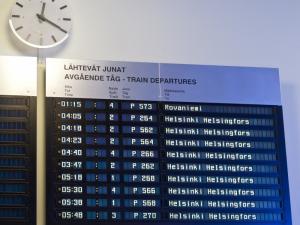
    timetable(noun)

    /ˈtaɪmteɪbl/

    時刻表, ダイヤ

    a list showing the times when buses, trains, boats or planes leave and arrive

    The ferry timetable changes in the rainy season.

    フェリーの時刻表は雨季に変更されます。

    According to the timetable, the last train leaves at 10 p.m.

    類義語scheduleprogramagendaplanlistingcalendarroster
    対義語randomnessdisorganizationunpredictability
  14. 14

    set(noun)

    /set/

    一組, ひとそろい, セット

    a group of similar things that belong together in some way

    He bought Mandy a set of cutlery for her birthday.

    彼はマンディーの誕生日にカトラリーのセットを買った。

    She set a tray down on the table.

    類義語collectiongrouparrangementserieskitsuiteoutfitrange
    対義語individualsingleseparateunorganized
  15. 15

    music(noun)

    /ˈmjuːzɪk/

    音楽 (ongaku)

    sounds that are arranged in a way that is pleasant or exciting to listen to. People sing music or play it on instruments.

    I listen to music every day.

    私は毎日音楽を聴きます。(Watashi wa mainichi ongaku o kikimasu.)

    The poem has been set to music.

    類義語melodyharmonytunesongcomposition
    対義語silencenoise (in some contexts)
  16. 16

    receive(verb)

    /rɪˈsiːv/

    受け取る (uketoru)

    to get or accept something that is sent or given to you

    She received her prize from the manager

    彼女はマネージャーから賞を受け取りました。(Kanojo wa manējā kara shō o uketorimashita.)

    to receive a letter/present/phone call

    類義語getobtainacquireaccepttakegainderive
    対義語giveofferdonaterelinquishforfeitlose
  17. 17

    area(noun)

    /ˈeriə/

    地域 (chiiki)

    part of a place, town, etc., or a region of a country or the world

    All areas of the country will have some rain tonight.

    今夜、国のすべての地域で雨が降るでしょう。

    The farm and surrounding area were flooded.

    類義語regionzonedistrictsectorlocationspaceextent
    対義語pointlinenothingness
  18. 18

    chemistry(noun)

    /ˈkemɪstri/

    化学 (kagaku)

    the scientific study of the structure of substances, how they react when combined or in contact with one another, and how they behave under different conditions

    I like learning Chemistry in the laboratory.

    私は実験室で化学を学ぶのが好きです。

    the university's chemistry department

    類義語chemical sciencechemical analysiscompositionchemical processes
    対義語physical science
  19. 19

    geography(noun)

    /dʒiˈɑːɡrəfi/

    地理 (chiri)

    the scientific study of the earth’s surface, physical features, divisions, products, population, etc.

    We know more about the countries through Geography.

    私たちは地理を通してその国々についてより多くを知っています。

    a geography lesson/department/teacher/textbook

    類義語earth sciencetopographycartographyearth studies
    対義語historynonspatial studies
  20. 20

    adventure(noun)

    /ədˈventʃər/

    冒険 (bouken)

    an unusual, exciting or dangerous experience, journey or series of events

    Do you like the cartoon “The adventure of yellow bee”?

    「黄色い蜂の冒険」という漫画が好きですか?(Kiiroi hachi no bouken to iu manga ga suki desu ka?)

    adventure stories

    類義語journeyexpeditionquestexploitescapadeexperience
    対義語routinedullnessstabilityboredominaction
  21. 21

    capital(noun)

    /ˈkæpɪtl/

    首都 (shuto)

    the most important town or city of a country or region, where the government operates from

    Paris is the capital of France.

    パリはフランスの首都です。(Pari wa Furansu no shuto desu.)

    Troops are stationed in and around the capital.

    類義語chiefmajorleadingprincipalmainheadforemost
    対義語minorsubordinatesecondaryinsignificant
  22. 22

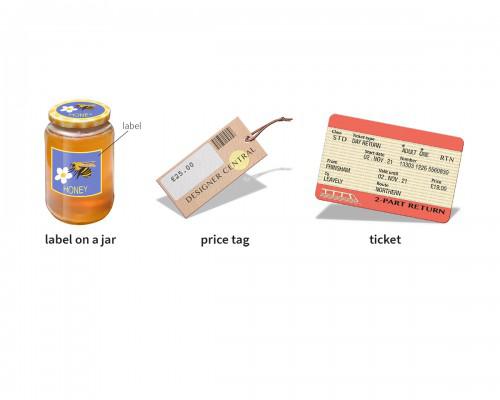
    label(noun)

    /ˈleɪbl/

    ラベル, 表示, 札

    a piece of paper, etc. that is attached to something and that gives information about it

    Always read the label on the bottle before you take any medicine.

    薬を飲む前に、必ず瓶のラベルを読んでください。

    類義語tagstickermarkerbadgeticketmark
    対義語unmarkedunlabeledanonymousgeneric
  23. 23

    employee(noun)

    /ɪmˈplɔɪiː/

    従業員 (jūgyōin)

    a person who is paid to work for somebody

    This company has about 200 employees.

    この会社には約200人の従業員がいます。

    employee rights/relations

    類義語workerstaffassociateteam memberpersonnel
    対義語employermanagerbossowner
  24. 24

    biology(noun)

    /baɪˈɑːlədʒi/

    生物学 (seibutsugaku)

    the scientific study of the life and structure of plants and animals

    What day do you have biology?

    何曜日に生物学の授業がありますか? (Nani yōbi ni seibutsugaku no jugyō ga arimasu ka?)

    The beach is a mile away.

    類義語life sciencenatural science
    対義語physicschemistrymathematics
  25. 25

    contain(verb)

    /kənˈteɪn/

    含む (fukumu)

    if something contains something else, it has that thing inside it or as part of it

    This drink doesn’t contain any alcohol.

    この飲み物にはアルコールが含まれていません。

    The bottle contains (= can hold) two litres.

    類義語includeholdcompriseincorporateconsist ofaccommodate
    対義語excludelackomitreleaseempty
  26. 26

    history(noun)

    /ˈhɪstri/

    歴史, 歴史学

    the study of past events, especially as a subject at school or university

    My mother is a history teacher.

    私の母は歴史の先生です。

    The area was inhabited long before the dawn of recorded history(= before people wrote about events).

    類義語pastchroniclerecordaccountevents
    対義語future
  27. 27

    author(noun)

    /ˈɔːθər/

    著者 (chosha)

    a person who writes books or the person who wrote a particular book

    He is the author of two books on French history.

    彼はフランスの歴史に関する2冊の本の著者です。

    He is the author of three books on art.

    類義語writercreatororiginatorcomposer
    対義語readeraudienceplagiarist
  28. 28

    secondary school(noun)

    /ˈsekənderi skuːl/

    中学校 (chūgakkō)

    a school for young people between the ages of 11 and 16 or 18

    We all go to the secondary school in town.

    私たちはみんな町の学校に通っています。(Watashitachi wa minna machi no chūgakkō ni kayotte imasu.)

    類義語high schooljunior high schoolmiddle school
    対義語primary schoolelementary school
  29. 29

    library(noun)

    /ˈlaɪbreri/

    図書館 (toshokan)

    a building in which collections of books, newspapers, etc. and sometimes films and recorded music are kept for people to read, study or borrow

    I often go to the library on Friday morning.

    私は金曜日の朝によく図書館に行きます。

    類義語bookstorestudyarchivereading room
    対義語none
  30. 30

    English(noun)

    /ˈɪŋɡlɪʃ/

    英語 (eigo)

    the language, originally of England, now spoken in many other countries and used as a language of international communication throughout the world

    I like learning English.

    私は英語を勉強するのが好きです。(Watashi wa eigo o benkyō suru no ga suki desu.)

    類義語the English languageBritish EnglishAmerican English
  31. 31

    physical education(noun)

    /ˌfɪzɪkl edʒuˈkeɪʃn/

    体育

    sport and exercise that is taught in schools

    We love Physical education.

    私たちは体育が大好きです。

    類義語PEgymexercisesportsathleticskinesiology
    対義語sedentary activitymental activitydesk workintellectual pursuits
  32. 32

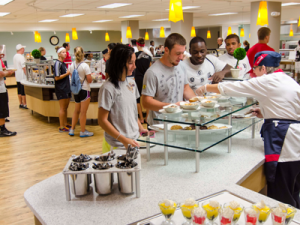
    cafeteria(noun)

    /ˌkæfəˈtɪriə/

    カフェテリア

    a restaurant where you choose and pay for your meal before you carry it to a table. Cafeterias are often found in factories, colleges, hospitals, etc.

    I'll buy a cup of tea in the cafeteria on the next break.

    次の休憩時間にカフェテリアで紅茶を買います。

    類義語canteensnack bardinerrefectorymess hall
    対義語restaurantfine dininggourmet restaurant
  33. 33

    high school(noun)

    /ˈhaɪ skuːl/

    高校 (koukou)

    (in the US and some other countries) a school for young people between the ages of 14 and 18

    I am 17 years old and I'm studying at Texas high school.

    私は17歳で、テキサスの高校で勉強しています。

    類義語secondary schoolacademyprep school
    対義語elementary schoolprimary school
  34. 34

    novel(noun)

    /ˈnɑːvl/

    小説 (shōsetsu)

    a story long enough to fill a complete book, in which the characters and events are usually imaginary

    His latest novel is selling really well.

    彼の最新の小説は非常によく売れている。

    類義語fictionstorybookromancenarrative
    対義語nonfictiontrue storyfact
  35. 35

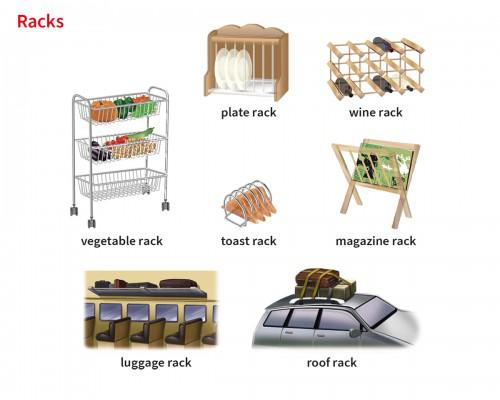
    rack(noun)

    /ræk/

    棚 (tana)

    a piece of equipment, usually made of metal or wooden bars, that is used for holding things or for hanging things on

    We have a plate rack in the kitchen.

    台所に食器棚があります。(daidokoro ni shokki dana ga arimasu.)

    類義語shelfstandframeworkframetrestle
    対義語disordermesspile
  36. 36

    reference(noun)

    /ˈrefrəns/

    言及, 触れること

    a thing you say or write that mentions somebody/something else; the act of mentioning somebody/something

    She made no reference to her illness in her speech.

    彼女はスピーチの中で自分の病気には一切触れなかった。

    類義語recommendationtestimonialendorsementcitationmention
    対義語disavowaldenialrepudiationrejection
  37. 37

    shelves(noun)

    /ʃelvz/

    棚

    plural of shelf: flat boards fixed to a wall or in a cupboard for putting things on

    There are three shelves full of books in our classroom.

    私たちの教室には本がぎっしり詰まった棚が三つあります。

    類義語rackssurfacesledgesboardslevelstiers
  38. 38

    snack(noun)

    /snæk/

    軽食 (keishoku)

    a small meal or amount of food, usually eaten in a hurry

    I only have a snack at lunchtime.

    昼食には軽食しか食べません。 (chūshoku ni wa keishoku shika tabemasen.)

    類義語treatbiterefreshmentappetizernibble
    対義語mealfeastbanquetdinner
  39. 39

    title(noun)

    /ˈtaɪtl/

    タイトル

    the name of a book, poem, painting, piece of music, etc.

    Every novel has a title.

    すべての小説にはタイトルがある。

    類義語headingnamecaptiondesignationappellation
    対義語textbodycontent
  40. 40

    uniform(noun)

    /ˈjuːnɪfɔːrm/

    制服 (seifuku)

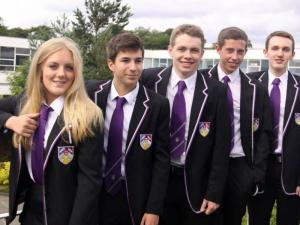
    the special set of clothes worn by all members of an organization or a group at work, or by children at school

    Students in Torah school have to wear uniform from Monday to Friday.

    トーラーの学校の生徒は、月曜日から金曜日まで制服を着なければなりません。

    類義語attiredressgarboutfitliveryregaliacostumeensemble
    対義語casual wearcivviesstreet clothesirregularnonconformity
  41. 41

    economics(noun)

    /ˌiːkəˈnɑːmɪks/

    経済学 (keizaigaku)

    the study of how a society organizes its money, trade and industry

    She's in her third year of economics at Washington University.

    彼女はワシントン大学で経済学の3年生です。

    類義語financial sciencepolitical economyfinancebusiness
    対義語none (strictly antonymous words are rare; related concepts might be things like 'wastefulness' or 'inefficiency')spending

  42. 42

    math(noun)

    /mæθ/

    数学 (sūgaku)

    mathematics, especially as a subject in school

    When we learn Math, we learn numbers.

    数学を学ぶとき、私たちは数字を学びます。 (Sūgaku o manabu toki, watashitachi wa sūji o manabimasu.)

    類義語arithmeticcalculationalgebrageometrytrigonometry
    対義語illiteracyinnumeracy
  43. 43

    reader(noun)

    /ˈriːdər/

    リーダー, 読本, 学習用読み物

    a book with simple texts for people who are learning to read or learning a foreign language

    My sister has many readers on her bookshelf.

    妹の本棚には学習用の読み物がたくさんある。

  44. 44

    break(noun)

    /breɪk/

    休憩, 小休止

    a short period of time when you stop doing something, especially working, in order to rest or eat

    We'll take another break at 3.30.

    3時30分にもう一度休憩を取ります。

  45. 45

    copy(verb)

    /ˈkɑːpi/

    コピーする, 複写する, 写す

    to make something that is exactly like something else

    I need to copy these papers.

    これらの書類をコピーする必要があります。

  46. 46

    reference(noun)

    /ˈrefrəns/

    推薦状, 身元保証書

    a letter written by somebody who knows you, giving information about your character and abilities, especially to a new employer

    I can send two references from my teachers.

    先生方からの推薦状を二通送ることができます。