コンテンツへスキップ

レッスン7/16 · 32語 · 覚えた単語 0

Lesson 7: THE WORLD OF WORK

第7課:仕事の世界

  1. 1

    review(noun)

    /rɪˈvjuː/

    批評, レビュー, 評論

    a report in a newspaper or magazine, or on the internet, television or radio, in which somebody gives their opinion of a book, play, film, product, etc.; the act of writing this kind of report

    The new film received excellent reviews from most critics.

    その新作映画は、ほとんどの批評家から非常に高い評価を受けた。

    類義語assessmentevaluationinspectionstudyanalysisexamination
    対義語neglectdisregardoverlookignore
  2. 2

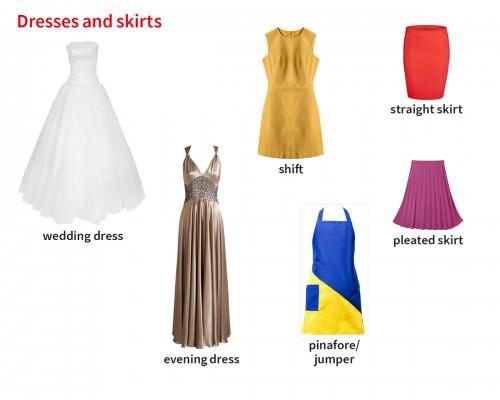
    shift(noun)

    /ʃɪft/

    勤務帯, 交代勤務, シフト

    a set period of work, such as morning, afternoon or night, after which another group of staff takes over

    Nurses on this ward work three twelve-hour shifts a week.

    この病棟の看護師は、週に12時間勤務を3回行います。

    At the start of each shift we check the emergency trolley.

    類義語moveadjustaltertransferdisplacechange
    対義語stayremainholdmaintain
  3. 3

    quite(adverb)

    /kwaɪt/

    かなり, なかなか, まあまあ

    to some degree

    The test was quite easy, so I finished early.

    テストはかなり簡単だったので、早く終わった。

    類義語rathersomewhatprettyfairlyreasonablyto some extent
    対義語not at allcompletelyentirelyabsolutelytotally
  4. 4

    feed(verb)

    /fiːd/

    餌をやる (esa o yaru)

    to give food to a person or an animal

    Mai is feeding the chickens.

    マイは鶏に餌をやっている。(Mai wa niwatori ni esa o yatte iru.)

    Have you fed the cat yet?

    類義語nourishprovide forsupplycater tosustain
    対義語starvedepriveneglectignore
  5. 5

    real(adjective)

    /ˈriːəl/

    本物

    actually existing or happening and not imagined or pretended

    Are those real flowers?

    あれらは本物の花ですか?

    pictures of animals, both real and mythological

    類義語genuineauthenticactualtrueveritable
    対義語fakefalseartificialunrealimaginary
  6. 6

    crop(noun)

    /krɑːp/

    作物 (sakumotsu)

    a plant that is grown in large quantities, especially as food

    Sugar is an important crop on the island.

    砂糖は島にとって重要な作物です。(Satō wa shima ni totte jūyōna sakumotsu desu.)

    The crops are regularly sprayed with pesticides.

    類義語harvestproduceyieldgrowthcultivation
    対義語lossfailurebarrennesssterility
  7. 7

    hour(noun)

    /ˈaʊər/

    時間 (jikan)

    60 minutes; one of the 24 parts that a day is divided into

    I can learn to play chess in an hour.

    私は1時間でチェスのやり方を学ぶことができます。(Watashi wa ichijikan de chesu no yarikata o manabu koto ga dekimasu.)

    It will take about an hour to get there.

    類義語timeperioddurationmoment
    対義語instantmomenteternity
  8. 8

    realize(verb)

    /ˈriːəlaɪz/

    気づく (kizuku)

    to understand or become aware of a particular fact or situation

    I don't think you realize how important this is to her.

    あなたがこれが彼女にとってどれほど重要か気づいていないと思います。

    The moment I saw her, I realized something was wrong.

    類義語understandrecognizecomprehendperceiveappreciatebe aware of
    対義語misunderstandoverlookignoredisregardbe unaware of
  9. 9

    keen(adjective)

    /kiːn/

    熱心

    wanting to do something or wanting something to happen very much

    He was very keen and enthusiastic about learning.

    彼は学ぶことに非常に熱心で熱狂的でした。

    John was very keen to help.

    類義語eagerenthusiasticavidinterestedsharpintense
    対義語apatheticindifferentuninteresteddullblunt
  10. 10

    vacation(noun)

    /veɪˈkeɪʃn/

    休暇 (kyuuka)

    a period of time spent travelling or resting away from home

    What are you going to do for vacation?

    休暇は何をする予定ですか? (kyuuka wa nani o suru yotei desu ka?)

    類義語holidaybreakrecesstime offleaverest
    対義語workemploymentlabordutyobligation
  11. 11

    typical(adjective)

    /ˈtɪpɪkl/

    典型的

    having the usual qualities or features of a particular type of person, thing or group

    Typical symptoms would include headaches, vomiting and dizziness.

    典型的な症状には、頭痛、嘔吐、めまいなどがあります。

    a typical Italian cafe

    類義語usualcommonnormalstandardrepresentativecharacteristicaverage
    対義語unusualrareatypicalabnormaluncommon
  12. 12

    important(adjective)

    /ɪmˈpɔːrtnt/

    重要 (jūyō)

    having a great effect on people or things; of great value

    I have an important announcement to make.

    重要な発表があります。 (Jūyō na happyō ga arimasu.)

    an important decision/factor

    類義語significantessentialvitalcrucialkeyprimarynotable
    対義語unimportantinsignificanttrivialminornegligible
  13. 13

    definitely(adverb)

    /ˈdefɪnətli/

    必ず (kanarazu)

    a way of emphasizing that something is true and that there is no doubt about it

    I will definitely come to your wedding party.

    必ずあなたの結婚式に出席します。(Kanarazu anata no kekkonshiki ni shusseki shimasu.)

    ‘Do you plan to have children?’ ‘Definitely not!’

    類義語certainlyabsolutelysurelyassuredlypositivelyundoubtedlyunquestionably
    対義語maybepossiblyperhapsuncertainlydoubtfully
  14. 14

    pleased(adjective)

    /pliːzd/

    喜んで (yorokonde)

    feeling happy about something

    My parents are very pleased with their crop.

    私の両親は彼らの収穫にとても満足しています。

    The boss should be pleased with you.

    類義語happygladdelightedcontentsatisfied
    対義語displeasedunhappydissatisfiedannoyedupset
  15. 15

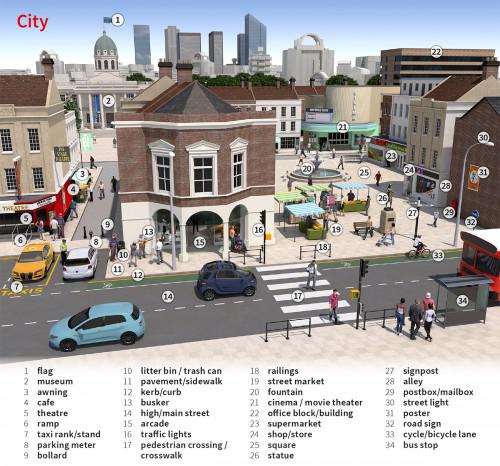
    supermarket(noun)

    /ˈsuːpərmɑːrkɪt/

    スーパー (sūpā)

    a large shop that sells food, drinks and goods used in the home. People choose what they want from the shelves and pay for it as they leave.

    This is Big C supermarket.

    ここはビッグCスーパーです。(Koko wa Biggu C sūpā desu.)

    storm damage

    類義語grocery storemarketfood store
    対義語mom-and-pop shopconvenience storespecialty store
  16. 16

    celebrate(verb)

    /ˈselɪbreɪt/

    祝う (iwau)

    to show that a day or an event is important by doing something special on it

    Vietnamese people celebrate Tet at different times each year.

    ベトナム人は毎年違う時期にテトを祝います。

    How do people celebrate New Year in your country?

    類義語commemorateobservehonorrejoicemarksolemnize
    対義語mournlamentcondemnignoreneglect
  17. 17

    lazy(adjective)

    /ˈleɪzi/

    怠惰 (taida)

    unwilling to work or be active; doing as little as possible

    He's too lazy to make his bed in the morning.

    彼は朝、ベッドを整えるのが面倒くさいほど怠惰だ。

    I was feeling too lazy to go out.

    類義語idleslothfulinactiveindolentlethargicslackshiftless
    対義語industriousdiligenthardworkingactiveenergeticassiduousenterprising
  18. 18

    Grow(verb)

    /ɡrəʊ/

    成長する (seichō suru)

    to increase in size, number, strength or quality

    The region is too dry for plants to grow.

    その地域は乾燥しすぎていて植物が育たない。

    類義語developincreaseexpandcultivateflourish
    対義語shrinkdeclinewitherdecreasediminish
  19. 19

    buffalo(noun)

    /ˈbʌfələʊ/

    水牛

    a large animal of the cow family that has wide, curved horns . There are two types of buffalo , the African and the Asian.

    He has a buffalo.

    彼は水牛を飼っています。

    類義語bisonwater buffalo
    対義語cattlecow
  20. 20

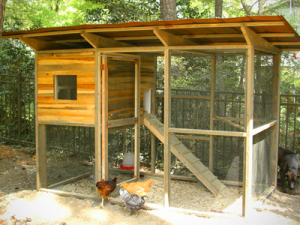
    coop(noun)

    /kuːp/

    鶏小屋 (niwatori goya)

    a cage or small building for keeping chickens or other small animals in

    My mother asked me to go to the chicken coop to pick up the eggs.

    母は私に鶏小屋に行って卵を拾ってくるように言いました。

    類義語penenclosurecagehutchshed
    対義語open spacefieldoutdoors
  21. 21

    day off(noun)

    /ˌdeɪ ˈɔːf/

    休日 (kyūjitsu)

    a day on which you do not have to work

    We have one day off for Independence Day.

    独立記念日のために一日休みがあります。(Dokuritsu kinenbi no tame ni ichinichi yasumi ga arimasu.)

    類義語day of restholidayvacation dayleave of absencetime off
    対義語workdayworking dayday at workon dutyscheduled day
  22. 22

    Easter(noun)

    /ˈiːstər/

    イースター

    (in the Christian religion) a Sunday in March or April when Christians remember the death of Christ and his return to life

    Easter is an important holiday in Western countries.

    イースターは、欧米諸国にとって重要な祝日です。

    類義語Resurrection DayEastertide
  23. 23

    homeless(adjective)

    /ˈhəʊmləs/

    ホームレス

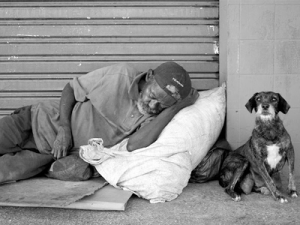
    having no home, and therefore typically living on the streets

    Thousands of people became homeless after the storm.

    嵐の後、何千人もの人々がホームレスになった。

    類義語unsheltereddisplacedrooflesshouselessderelictvagrant
    対義語housedsheltereddomiciledresidentsettled
  24. 24

    Independence Day(noun)

    /ˌɪndɪˈpendəns deɪ/

    独立記念日, 建国記念日

    a day on which a country celebrates the anniversary of becoming independent from another country

    Our Independence Day is on September 2nd.

    わが国の独立記念日は9月2日です。

    類義語National DayLiberation DayFreedom Day
    対義語Dependence DayColonial Day
  25. 25

    mechanic(noun)

    /məˈkænɪk/

    整備士 (seibi-shi)

    a person whose job is repairing machines, especially the engines of vehicles

    The car mechanic near my house is very friendly.

    私の家の近くの自動車整備士はとても親切です。(Watashi no ie no chikaku no jidousha seibi-shi wa totemo shinsetsu desu.)

    類義語repairmantechnicianengineerservicepersonautomotive technician
    対義語non-technical personlayperson
  26. 26

    part-time(adjective, adverb)

    /ˌpɑːrt ˈtaɪm/

    パートタイム

    for part of the day or week in which people work

    I am looking for a part-time job.

    私はアルバイトを探しています。

    類義語fractionaloccasionaltemporaryseasonal
    対義語full-timepermanentregular
  27. 27

    public holiday(noun)

    /ˌpʌblɪk ˈhɑːlədeɪ/

    祝日, 法定休日

    a day fixed by law when most employees have a paid day off, such as Tet or National Day

    Staff who work on a public holiday receive three times their normal pay.

    祝日に勤務したスタッフは、通常の3倍の賃金を受け取る。

    The office is closed for the public holiday on 2 September.

    類義語national holidaybank holidaylegal holidayofficial holiday
    対義語working daybusiness day
  28. 28

    shed(noun)

    /ʃed/

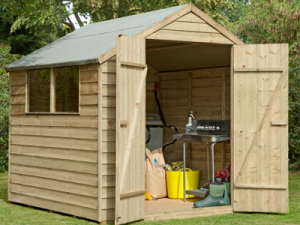
    小屋, 物置, 家畜小屋

    a small simple building used for keeping things or animals in

    Our family has a buffalo shed.

    うちには水牛小屋があります。

    類義語lean-tooutbuildingshelterbarnhutcabin
    対義語main buildinghousemansion
  29. 29

    Thanksgiving(noun)

    /ˌθæŋksˈɡɪvɪŋ/

    感謝祭

    a public holiday in the US (on the fourth Thursday in November) and in Canada (on the second Monday in October), originally to give thanks to God for the harvest and for health

    Thanksgiving is an autumn holiday in the US and Canada, when families have a big meal together.

    感謝祭は、アメリカとカナダの秋の祝日で、家族が一緒に盛大な食事をする日です。

    類義語ThanksGratitudeAppreciationBlessing
    対義語IngratitudeUngratefulnessThanklessness

  30. 30

    rest(noun)

    /rest/

    休息, 休憩, 睡眠

    a period of relaxing, sleeping or doing nothing after a period of activity

    Try to get some rest. You have a busy day tomorrow.

    少し休んでください。明日は忙しい一日になりますから。

  31. 31

    hard(adverb)

    /hɑːrd/

    一生懸命に, 熱心に

    with a lot of effort

    My father has to work hard to raise our family.

    父は家族を養うために懸命に働かなければならない。

  32. 32

    period(noun)

    /ˈpɪriəd/

    時限, 授業時間

    any of the parts that a day is divided into at a school, college, etc. for study

    We have six periods of science a week.

    私たちは週に6時限の理科の授業があります。