コンテンツへスキップ

レッスン1/10 · 43語 · 覚えた単語 0

Lesson 1: A VISIT FROM PEN PAL

第1課:ペンフレンドの訪問

  1. 1

    impress(verb)

    /ɪmˈpres/

    感銘を与える (kanmei o ataeru)

    if a person or thing impresses you, you admire them or it

    I was impressed with how quickly they delivered our lunch

    彼らがどれほど早く昼食を配達してくれたかに感銘を受けました。

    If you want to impress the new staff member, order her a nice lunch

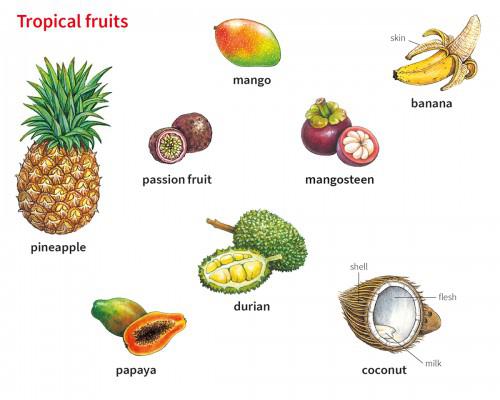
    類義語aweinspireinfluencemovestrikeaffectastonishoverawe
    対義語boredisappointunderwhelmtiredissatisfy
  2. 2

    optional(adjective)

    /ˈɑːpʃənl/

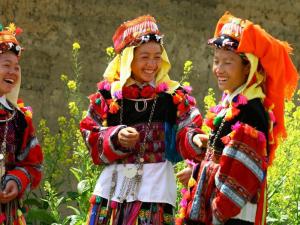
    任意

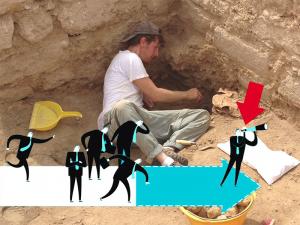
    that you can choose to do or have if you want to

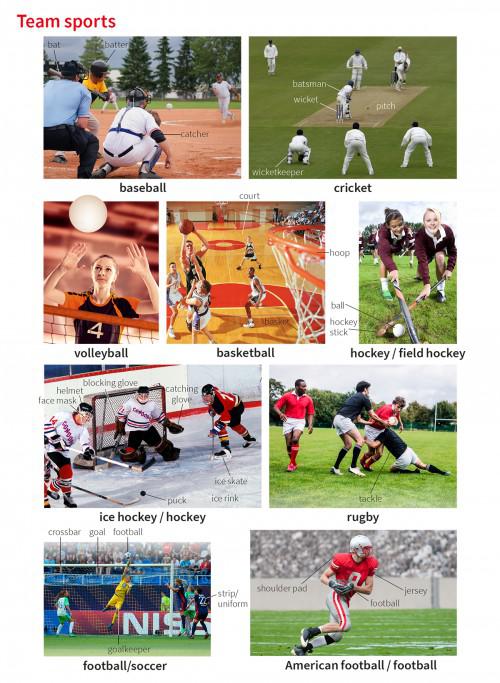
    Check this box if you wish to have this optional insurance

    このオプションの保険をご希望の場合は、このボックスにチェックを入れてください

    Having a driver's license is not optional

    類義語voluntaryelectivediscretionarynonessentialalternative
    対義語mandatoryrequiredcompulsoryobligatoryessential
  3. 3

    divide(verb)

    /dɪˈvaɪd/

    分割する (bunkatsu suru)

    to separate into parts; to make something separate into parts

    The music class was evenly divided between those who liked country and western music and those who do not

    音楽のクラスは、カントリー&ウェスタン音楽が好きな人とそうでない人に均等に分かれていました。

    The broad topic of music can be divided into manageable parts, such as themes, styles, or centuries

    類義語separatesplitallocatedistributepartitioncleave
    対義語combineunitejoinmergeconnect
  4. 4

    separate(adjective)

    /ˈseprət/

    別々の, 独立した

    forming a unit by itself; not joined to something else

    I try to keep meat separate from other food in the fridge.

    私は冷蔵庫の中で肉をほかの食品と別にしておくようにしている。

    Stir the sauce constantly so that it does not separate.

    類義語dividedetachdisconnectisolatesegregatepartition
    対義語joinconnectunitecombinemergeintegrate
  5. 5

    population(noun)

    /ˌpɑːpjuˈleɪʃn/

    人口 (jinkō)

    all the people who live in a particular area, city or country; the total number of people who live there

    What is the population of your country?

    あなたの国の人口はどれくらいですか? (Anata no kuni no jinkō wa dore kurai desu ka?)

    The population is increasing at about 6% per year.

    類義語inhabitantsresidentscommunitypeoplenumber of inhabitants
    対義語emptinessuninhabitednessdepopulation
  6. 6

    climate(noun)

    /ˈklaɪmət/

    気候 (kikou)

    the regular pattern of weather conditions of a particular place

    Viet Nam has a tropical climate.

    ベトナムは熱帯気候です。(Betonamu wa nettai kikou desu.)

    the harsh climate of the Arctic regions

    類義語weather patterntemperatureatmosphereenvironmentseason
    対義語single weather eventisolated incident
  7. 7

    religion(noun)

    /rɪˈlɪdʒən/

    宗教 (shūkyō)

    the belief in the existence of a god or gods, and the activities that are connected with the worship of them, or in the teachings of a spiritual leader

    Christianity, Islam and Judaism are known as Abrahamic religions.

    キリスト教、イスラム教、ユダヤ教はアブラハムの宗教として知られています。(Kirisutokyō, Isuramukyō, Yudayakyō wa Aburahamu no shūkyō to shite shirarete imasu.)

    He went very quiet(= did not say much) so I knew he was upset.

    類義語faithbeliefcreeddoctrinedenominationsectworshipspirituality
    対義語atheismirreligionsecularismagnosticismdisbelief
  8. 8

    region(noun)

    /ˈriːdʒən/

    地域 (chiiki)

    a large area of land, usually without exact limits or borders

    She comes from a mountainous region.

    彼女は山岳地帯の出身です。(Kanojo wa sangakuchitai no shusshin desu.)

    the Arctic/tropical/desert, etc. regions

    類義語areazoneterritorydistrictsectorlocale
    対義語entiretywholeglobality
  9. 9

    pray(verb)

    /preɪ/

    祈る (inoru)

    to speak to God, especially to give thanks or ask for help

    I pray for peace all over the world.

    私は世界中の平和を祈ります。

    I'll pray for you.

    類義語appealbeseechimploresupplicateentreataskpetition
    対義語cursesweardemandrefuse
  10. 10

    official(adjective)

    /əˈfɪʃl/

    公式の, 正式な, 公の

    agreed to, said, done, etc. by somebody who is in a position of authority

    English is the official language of many countries around the world.

    英語は世界の多くの国で公用語になっている。

    類義語authorizedcertifiedformalpublicaccredited
    対義語unofficialinformalprivate
  11. 11

    partner(noun)

    /ˈpɑːrtnər/

    相手 (aite)

    a person that you are doing an activity with, such as dancing or playing a game

    Practice the dialogue with a partner.

    パートナーと対話の練習をしなさい。(Paatonaa to taiwa no renshuu o shinasai.)

    a marriage partner

    類義語associatecolleagueallyteammatecollaborator
    対義語opponentrivalenemyadversary
  12. 12

    tropical(adjective)

    /ˈtrɑːpɪkl/

    熱帯の

    coming from, found in or typical of the tropics

    Vietnam has a tropical climate with four seasons in a year.

    ベトナムは熱帯気候で、一年には四季があります。

    tropical Africa

    類義語equatorialtorridlushhumid
    対義語arcticfrigidpolartemperate
  13. 13

    Currency(noun)

    /ˈkɜːrənsi/

    通貨, 貨幣

    the system of money that a country uses

    Many European countries use the same currency, the euro.

    ヨーロッパの多くの国は、ユーロという同じ通貨を使っている。

    類義語MoneyLegal tenderCashMedium of exchange
    対義語BarterDebtWorthlessness
  14. 14

    Buddhism(noun)

    /ˈbuːdɪzəm/

    仏教 (Bukkyō)

    an Indian religion widely followed in Asia, based on the teaching of Siddhartha Gautama (or Buddha)

    Buddhism is the dominant religion in Thailand.

    仏教はタイで最も有力な宗教です。

    類義語Buddhist faithBuddhist philosophyDharma
    対義語ChristianityIslamJudaismHinduismatheismsecularism
  15. 15

    primary school(noun)

    /ˈpraɪmeri skuːl/

    小学校

    a school for children between the ages of 4 or 5 and 11

    Children at primary schools have to study English as a compulsory subject.

    小学校の子供たちは、必修科目として英語を勉強しなければなりません。

    類義語elementary schoolgrade school
    対義語secondary schoolhigh school
  16. 16

    secondary school(noun)

    /ˈsekənderi skuːl/

    中学校 (chūgakkō)

    a school for young people between the ages of 11 and 16 or 18

    We all go to the secondary school in town.

    私たちはみんな町の学校に通っています。(Watashitachi wa minna machi no chūgakkō ni kayotte imasu.)

    類義語high schooljunior high schoolmiddle school
    対義語primary schoolelementary school
  17. 17

    ethnic(adjective)

    /ˈeθnɪk/

    民族的 (minzokuteki)

    connected with or belonging to a group of people that share a cultural tradition

    Vietnam has 54 ethnic groups with a population of 86 million people.

    ベトナムには54の民族グループがあり、人口は8600万人です。

    類義語racialculturalnationaltribal
    対義語nonethnicmainstreamgeneral
  18. 18

    pioneer(noun)

    /ˌpaɪəˈnɪr/

    先駆者 (senkusha)

    a person who is the first to study and develop a particular area of knowledge, culture, etc. that other people then continue to develop

    He was a pioneer in the field of archaeology.

    彼は考古学の分野の先駆者だった。(Kare wa kōkogaku no bun'ya no senkusha datta.)

    類義語innovatortrailblazerfounderleadergroundbreakeroriginator
    対義語followerimitatorconventionalisttraditionalist
  19. 19

    soccer(noun)

    /ˈsɑːkər/

    サッカー

    a game played by two teams of 11 players, using a round ball which players kick up and down the playing field. Teams try to kick the ball into the other team’s goal.

    We usually play soccer after school.

    私たちはいつも放課後サッカーをします。

    類義語footballassociation football
    対義語N/A (difficult to have a direct antonym)
  20. 20

    pen pal(noun)

    /ˈpen pæl/

    文通相手 (buntsū aite)

    a person that you make friends with by writing letters or emails, often somebody you have never met

    Next week, I am going to visit my pen pal in England.

    来週、私はイギリスにいる文通相手を訪問する予定です。

    類義語correspondentletter friende-palinternet friend
    対義語acquaintanceenemystrangerrival
  21. 21

    keep in touch(idiom)

    /kiːp ɪn tʌtʃ/

    連絡を取り合う, 連絡を絶やさない

    to continue to communicate with somebody, for example by phone or letter, even though you do not see them often

    We have kept in touch for a long time.

    私たちは長い間連絡を取り合っています。

    類義語stay in contactstay connectedcorrespondcommunicatereach out
    対義語lose touchfall out of contactdisconnectbecome estranged
  22. 22

    depend(verb)

    /dɪˈpend/

    〜次第である, 〜による, 頼る

    to be affected or decided by something

    I might not go. It depends on how tired I am.

    行かないかもしれません。どれくらい疲れているかによります。

    類義語relyhingerestbe contingent onturn on
    対義語independentunaffectedirrelevant
  23. 23

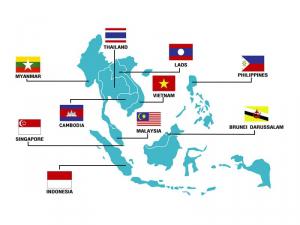
    ASEAN(abbreviation)

    /ˈæsiæn/

    ASEAN

    Association of Southeast Asian Nations

    Vietnam joined ASEAN in 1995.

    ベトナムは1995年にASEANに加盟しました。

    類義語Association of Southeast Asian NationsSoutheast Asian bloc
    対義語None (ASEAN is a proper noun representing a specific organizationso there isn't a direct antonym)
  24. 24

    compulsory(adjective)

    /kəmˈpʌlsəri/

    必須

    that must be done because of a law or a rule

    Some people think that students in high schools should study music as a compulsory school subject.

    高校生は音楽を必修科目として勉強すべきだと考える人もいます。

    類義語mandatoryobligatoryrequirednecessaryimperativebinding
    対義語voluntaryoptionaldiscretionaryelective
  25. 25

    correspond(verb)

    /ˌkɔːrəˈspɑːnd/

    文通する, 手紙をやり取りする

    to write letters to somebody and receive letters from them

    How often do you correspond?

    どのくらいの頻度で文通していますか。

    類義語communicatewriteexchange letterskeep in touchagreematchalignresemble
    対義語disagreediffermismatchdivergeignoreneglect
  26. 26

    federation(noun)

    /ˌfedəˈreɪʃn/

    連邦 (renpō)

    a country consisting of a group of individual states that have control over their own affairs but are controlled by a central government for national decisions, etc.

    The United States is a federation of 50 individual states.

    アメリカ合衆国は50の個々の州からなる連邦国家です。

    類義語unionleagueallianceconfederationcommonwealth
    対義語separatismautocracydivision
  27. 27

    ghost(noun)

    /ɡəʊst/

    幽霊 (yuurei)

    the spirit of a dead person that a living person believes they can see or hear

    She was afraid of ghosts when she was a child.

    彼女は子供の頃、幽霊を怖がっていました。

    類義語spiritspecterphantomapparitionshadewraith
    対義語beinghumanliving
  28. 28

    Hinduism(noun)

    /ˈhɪnduːɪzəm/

    ヒンドゥー教

    the main religion of India and Nepal which includes the worship of one or more gods and belief in reincarnation

    Hinduism is one of the religions in Malaysia.

    ヒンドゥー教はマレーシアの宗教の一つです。

    類義語Hindu faithHindu religionSanatana Dharma
    対義語atheismnon-belief
  29. 29

    in addition (to smt)(phrase)

    /i

    ~に加えて, さらに

    used when you want to add another fact or item to what has already been mentioned; as well as

    In addition to beautiful sightseeing, Hanoi is famous for its food.

    美しい観光名所に加えて、ハノイは食べ物でも有名だ。

    類義語besidesfurthermoremoreoveras well asalong withplusalso
    対義語instead ofrather than
  30. 30

    Islam(noun)

    /ˈɪzlɑːm/

    イスラム教

    the Muslim religion, based on belief in one God and revealed through Muhammad as the Prophet of Allah

    Islam was created by Muhammad.

    イスラム教はムハンマドによって創始された。

    類義語MuhammadanismMuslimismIslamic faith
    対義語AtheismIrreligionPaganism
  31. 31

    Malay(noun)

    /məˈleɪ/

    マレー語

    the language of the Malay people of Malaysia and Indonesia

    Malay is widely spoken in this country.

    この国ではマレー語が広く話されている。

    類義語none
    対義語none
  32. 32

    mausoleum(noun)

    /ˌmɔːzəˈliːəm/

    霊廟, 廟

    a special building made to hold the dead body of an important person or the dead bodies of a family

    Many visitors come to Uncle Ho's mausoleum in Hanoi every day.

    毎日、多くの観光客がハノイにあるホーおじさんの霊廟を訪れる。

    類義語tombsepulchercryptmemorialmonument
    対義語common graveunmarked grave
  33. 33

    monster(noun)

    /ˈmɑːnstər/

    怪物 (kaibutsu)

    (in stories) an imaginary creature that is very large, ugly and frightening

    The man said that he saw a giant monster yesterday.

    男は昨日、巨大な怪物を見たと言った。

    類義語fiendcreaturebeastabominationdemonbrute
    対義語angelsaintbenefactorhuman
  34. 34

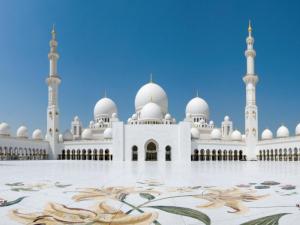
    mosque(noun)

    /mɑːsk/

    モスク (mosuku)

    a building where Muslims go to worship (= praise God)

    We don't see any mosque in this area.

    この地域にはモスクが見当たりません。 (Kono chiiki ni wa mosuku ga miatarimasen.)

    類義語Islamic templeIslamic place of worshipmasjid
    対義語churchtemplesynagoguecathedral
  35. 35

    prehistoric monsters(noun)

    /priːhɪˈstɒrɪk 'mɒnstəz/

    先史時代の怪物 (senshi jidai no kaibutsu)

    very large, frightening animals, such as dinosaurs, that lived before history was written down

    I am curious about the prehistoric monsters.

    私は先史時代の怪物に興味があります。(Watashi wa senshi jidai no kaibutsu ni kyoumi ga arimasu.)

    類義語ancient beastsprimeval creaturesantediluvian monsters
    対義語modern creaturescontemporary animals
  36. 36

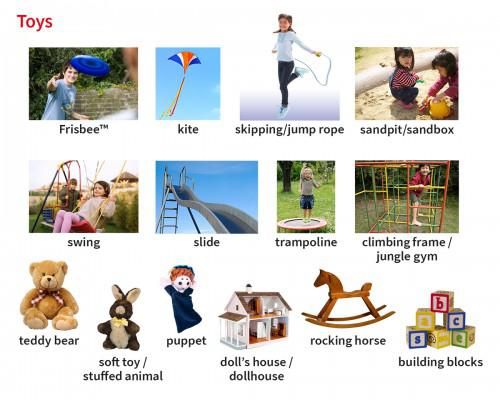
    puppet(noun)

    /ˈpʌpɪt/

    人形 (ningyou)

    a model of a person or an animal that can be made to move, for example by pulling strings attached to parts of its body or by putting your hand inside it. A puppet with strings is also called a marionette .

    The puppets are made of wood and then painted.

    人形は木で作られ、その後塗装されます。

    類義語marionettefigurinedollfigureheadtoolpawn
    対義語leaderindependentcontrollermaster

  37. 37

    ringgit(noun)

    /ˈrɪŋgɪt/

    リンギット (ringitto)

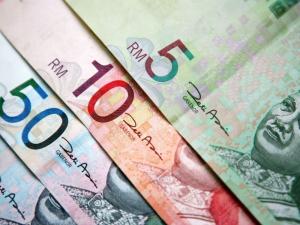
    the unit of money in Malaysia

    The ringgit is the basic monetary unit of Malaysia.

    リンギットはマレーシアの基本的な通貨単位です。

    類義語currencymonetary unitlegal tender
    対義語debtliability
  38. 38

    soccer hooligan(noun)

    /ˈsɒkə ˈhuːlɪg(ə)n/

    サッカーフーリガン

    a person who behaves in a violent and noisy way at or around football matches

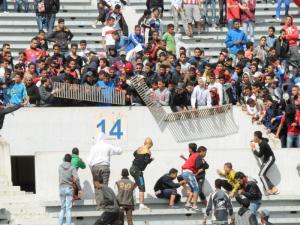
    Soccer hooligans have ruined a lot of matches.

    サッカーフーリガンは多くの試合を台無しにしてきた。

    類義語football thugfootball loutrowdy fantroublemaker
    対義語peaceful fanwell-behaved supporter
  39. 39

    soccer violence(noun)

    /ˈsɒkə ˈvaɪəl(ə)ns/

    サッカー暴力

    violent behaviour by fans at or around football matches

    We are faced with spreading soccer violence.

    私たちはサッカー暴力の蔓延に直面しています。

    類義語football hooliganismsports violencefootball violencepitch violence
    対義語sportsmanshipfair playpeaceful competition
  40. 40

    Tamil(noun)

    /ˈtæmɪl/

    タミル語

    the language of the Tamil people of southern India and Sri Lanka

    Tamil is spoken in Southern India.

    タミル語は南インドで話されている。

    類義語Tamil languageDravidian language
    対義語EnglishHindiForeign language (general)
  41. 41

    take turns(phrase)

    /teɪk tɜːnz/

    交替でする, 順番にする

    if people take turns to do something, they do it one after the other

    We took turns driving home.

    私たちは交替で運転して帰った。

    類義語alternaterotateshareswitchspell
    対義語simultaneouslyall at oncecontinuously
  42. 42

    vs (= versus)(preposition)

    /ˈvəːsəs/

    対 (tai)

    used to show that two teams or people are competing against each other

    Today there is a Manchester versus Liverpool match.
    今日はマンチェスター対リバプールの試合がある。

    類義語againstversusopposed toin opposition to
    対義語withandforin favor of
  43. 43

    outline(noun)

    /ˈaʊtlaɪn/

    概要, あらすじ, 要点

    a description of the main facts or points involved in something

    You'd better write down the outline of the essay.
    小論文の概要を書き出しておいたほうがいいですよ。