コンテンツへスキップ

レッスン5/10 · 52語 · 覚えた単語 0

Lesson 5: THE MEDIA

第5課:メディア

  1. 1

    variety(noun)

    /vəˈraɪəti/

    多様性

    several different sorts of the same thing

    There's a variety of standard terms that you'll find in warranties

    保証書にはさまざまな標準的な用語が記載されています。

    A variety of unexpected problems appeared after the product had been on the market for about six months

    類義語assortmentdiversityrangeselectionmixturemultiplicityarray
    対義語uniformitysimilaritysamenessmonotony
  2. 2

    access(noun)

    /ˈækses/

    アクセス

    the opportunity or right to use something or to see somebody/something

    You can't gain access to the files unless you know the password

    パスワードを知っていない限り、ファイルにアクセスできません。

    We accessed the information on the company's web site

    類義語entryadmissionentranceapproachway inright to use
    対義語denialexclusionrejectionblockagerestriction
  3. 3

    time-consuming(adjective)

    /ˈtaɪm kənsuːmɪŋ/

    時間のかかる

    taking or needing a lot of time

    Five interviews later, Ms. Lopez had the job, but it was the most time-consuming process she had ever gone through

    5回の面接の後、ロペスさんは仕事を得たが、それは彼女が経験した中で最も時間のかかるプロセスだった。

    Even though it was time-consuming, all of the participants felt that the open house was very worthwhile

    類義語lengthytediouslaboriousdrawn-outprotractedarduousdemanding
    対義語quickfastefficientspeedyexpeditiouseasy
  4. 4

    explore(verb)

    /ɪkˈsplɔːr/

    探検する (tankensuru)

    to travel to or around an area or a country in order to learn about it

    The collector likes to explore antique shops looking for bargains

    コレクターは掘り出し物を探して骨董品店を探検するのが好きです。

    While his mother shopped for clothes, Michael wandered off to explore the toy section

    類義語investigateexamineresearchsurveyprobediscoverscout
    対義語ignoreneglectoverlookdisregard
  5. 5

    forecast(noun)

    /ˈfɔːrkæst/

    売上予測, 売上見込み, 需要予測

    a statement of expected future sales or results, based on current information and data

    Each manager must submit a sales forecast by the fifth of every month.

    各マネージャーは毎月5日までに売上予測を提出しなければなりません。

    Our forecast for the third quarter was too optimistic.

    類義語predictprojectanticipateestimateexpectforesee
    対義語recollectrememberrecountreportdocument
  6. 6

    respond(verb)

    /rɪˈspɑːnd/

    応答する

    to give a spoken or written answer to somebody/something

    I asked him his name, but he didn't respond.

    彼の名前を聞いたが、彼は応答しなかった。

    類義語answerreplyreactacknowledgeretort
    対義語ignoreneglectdisregardoverlookdisregard
  7. 7

    convenient(adjective)

    /kənˈviːniənt/

    便利 (benri)

    useful, easy or quick to do; not causing problems

    Is this a convenient location for you to pick up your prescription?

    ここは処方箋を受け取るのに便利な場所ですか?(Koko wa shohōsen o uketoru no ni benri na basho desu ka?)

    It is convenient to have a pharmacy right across the street from my doctor's office

    類義語suitableeasypracticalhandyadvantageousopportunefittingappropriate
    対義語inconvenientawkwarddifficultunsuitablecumbersome
  8. 8

    suffer(verb)

    /ˈsʌfər/

    苦しむ

    to be badly affected by a disease, pain, sad feelings, a lack of something, etc.

    He suffered intense pain

    彼は激しい痛みに苦しんだ。

    He suffers from asthma.

    類義語endureundergoexperiencebeartoleratesustain
    対義語enjoythriveprosperflourishbenefit
  9. 9

    article(noun)

    /ˈɑːrtɪkl/

    記事

    a piece of writing about a particular subject in a newspaper or magazine, on a website, etc.

    I read an interesting article about climate change in the newspaper.

    新聞で気候変動に関する興味深い記事を読んだ。

    類義語essaypieceitemreportstory
  10. 10

    acceptable(adjective)

    /əkˈseptəbl/

    受け入れられる, 容認できる

    good enough or of a standard that is allowed or agreed to

    For this course an acceptable passing grade is at least a B.

    このコースでは、合格点として少なくともBが認められる。

    類義語permissiblesatisfactorysuitableadequatetolerablereasonable
    対義語unacceptableunsatisfactoryinadequateunsuitableintolerableobjectionable
  11. 11

    purpose(noun)

    /ˈpɜːrpəs/

    目的 (mokuteki)

    the intention, aim or function of something; the thing that something is supposed to achieve

    Our campaign's main purpose is to raise money.

    私たちのキャンペーンの主な目的は、資金を集めることです。

    The purpose of the book is to provide a complete guide to the university.

    類義語aimgoalobjectivereasonintentiontargetenddesign
    対義語accidentchancerandomnessaimlessness
  12. 12

    shout(verb)

    /ʃaʊt/

    叫ぶ (sakebu)

    to say something in a loud voice; to speak loudly/angrily to somebody

    I shouted for help but nobody came.

    助けを求めて叫んだが、誰も来なかった。

    He shouted that he couldn't swim.

    類義語yellcryscreamhollerbawlexclaim
    対義語whispermurmurmutter
  13. 13

    government(noun)

    /ˈɡʌvərnmənt/

    政府 (seifu)

    the group of people who are responsible for controlling a country or a state

    The government is urged to create more jobs.

    政府は、より多くの雇用を創出するよう求められています。(seifu wa, yori ōku no koyō o sōshutsu suru yō motomerarete imasu.)

    government expenditure/intervention

    類義語administrationregimestateauthorityruling body
    対義語anarchylawlessness
  14. 14

    adult(noun)

    /əˈdʌlt/

    大人 (otona)

    a fully grown person who is legally responsible for their actions

    Each adult has to pay ten dollars to enter the museum.

    博物館に入るには、大人一人につき10ドル支払う必要があります。(Hakubutsukan ni hairu ni wa, otona hitori ni tsuki ju doru harau hitsuyou ga arimasu.)

    Why can't you two act like civilized adults?

    類義語grown-upmature personsenior
    対義語childminoryouth
  15. 15

    income(noun)

    /ˈɪnkʌm/

    収入 (shuunyuu)

    the money that a person, a region, a country, etc. earns from work, from investing money, from business, etc.

    His income is too low to help his family.

    彼の収入は家族を助けるには低すぎる。

    a weekly disposable income(= the money that you have left to spend after tax, etc.) of £200

    類義語earningsrevenuewagesalaryprofitpayreceipts
    対義語expenditureoutlaylossdebtexpense
  16. 16

    deny(verb)

    /dɪˈnaɪ/

    否定する (hitei suru)

    to say that something is not true

    He denies attempting to murder his wife.

    彼は妻を殺害しようとしたことを否定している。

    It can't be denied that we need to devote more resources to this problem.

    類義語contradictdisputerejectrefutedisavow
    対義語admitconfirmacknowledgeaffirmaccept
  17. 17

    widely(adverb)

    /ˈwaɪdli/

    広く

    by a lot of people; in or to many places

    The idea is now widely accepted.

    その考えは今や広く受け入れられています。

    The idea is now widely accepted.

    類義語generallycommonlyextensivelybroadlylargelyprevalentlyuniversally
    対義語narrowlylimitedlyrarelyuncommonlysparsely
  18. 18

    Internet(noun)

    /ˈɪntərnet/

    インターネット

    an international computer network connecting other networks and computers that allows people to share information around the world

    It is popular to use the internet nowadays.

    最近はインターネットを利用することが一般的です。

    You can buy our goods over the Internet.

    類義語WebWorld Wide WebNetCyberspace
    対義語OfflineDisconnected
  19. 19

    communicate(verb)

    /kəˈmjuːnɪkeɪt/

    伝達する (dentsutasu)

    to share or exchange information, news, ideas, feelings, etc.

    Thanks to the invention of the telephone, we can communicate with others all over the world.

    電話の発明のおかげで、世界中の人々とコミュニケーションを取ることができます。

    We only communicate by email.

    類義語connectconveyimpartexpressinteractcorrespondrelate
    対義語concealhidesuppresswithholdmisunderstand
  20. 20

    communication(noun)

    /kəˌmjuːnɪˈkeɪʃn/

    コミュニケーション

    the activity or process of expressing ideas and feelings or of giving people information

    Face to face communication is very important in English teaching and learning.

    対面コミュニケーションは、英語の教育と学習において非常に重要です。

    Doctors do not always have good communication skills.

    類義語correspondenceexchangeintercoursedialogueliaisoncommunion
    対義語silencemiscommunicationwithholding
  21. 21

    channel(noun)

    /ˈtʃænl/

    チャンネル

    a television station

    This programme is so exciting. What channel is it on?

    この番組はとても面白いです。何チャンネルで放送されていますか?

    What's on Channel 4 tonight?

    類義語stationoutletroutecourseavenueway
    対義語blockageobstructionstoppage
  22. 22

    violent(adjective)

    /ˈvaɪələnt/

    暴力的な

    involving or caused by physical force that is intended to hurt or kill somebody

    This film is so violent because there are too many fights and bloody scenes.

    この映画は、戦闘シーンや血なまぐさいシーンが多すぎるため、非常に暴力的です。

    The crowd suddenly turned violent.

    類義語aggressiveferociousbrutalsavageforcefulintense
    対義語peacefulgentlecalmmildharmless
  23. 23

    wander(verb)

    /ˈwɑːndər/

    さまよう

    to walk slowly around or to a place, often without any particular sense of purpose or direction

    She wandered aimlessly around the streets.

    彼女は街を目的もなくさまよった。

    She wandered aimlessly around the streets.

    類義語roamstrollmeanderdriftramblerove
    対義語stayremainsettlego direct
  24. 24

    website(noun)

    /ˈwebsaɪt/

    ウェブサイト, サイト

    a group of connected pages on the internet that belongs to one company, organization or person

    We are launching the new company website next Monday.

    来週月曜日に新しい会社のウェブサイトを公開します。

    Customers can download the user manual from our website.

    類義語sitewebpageweb presenceonline platform
    対義語offline resourceprinted material
  25. 25

    battle(noun)

    /ˈbætl/

    戦い (tatakai)

    a fight between armies, ships or planes, especially during a war; a violent fight between groups of people

    Almost everyone has heard of the battle at Waterloo.

    ほとんどの人がワーテルローの戦いを聞いたことがある。(hotondo no hito ga Wāterurō no tatakai o kiita koto ga aru.)

    a gun battle

    類義語fightcombatconflictengagementskirmish
    対義語peacetrucearmisticeagreementharmony
  26. 26

    opinion(noun)

    /əˈpɪnjən/

    意見 (iken)

    your feelings or thoughts about somebody/something, rather than a fact

    In my opinion, you should change your hairstyle.

    私の意見では、髪型を変えるべきです。(Watashi no iken dewa, kamigata o kaeru beki desu.)

    Everyone had an opinion on the subject.

    類義語viewbeliefjudgmentthoughtperspectiveassessment
    対義語facttruthcertaintyproofknowledge
  27. 27

    appreciate(verb)

    /əˈpriːʃieɪt/

    感謝する, ありがたく思う

    to be grateful for something that somebody has done for you

    We would appreciate you letting us know of any problems.

    何か問題があればお知らせいただけるとありがたいです。

    Her family doesn't appreciate her.

    類義語valueprizecherishesteembe grateful foracknowledgerecognize
    対義語depreciatebelittledisparagedevaluedisregardunderestimate
  28. 28

    attendance(noun)

    /əˈtendəns/

    出席, 出席率

    the act of being present at a place, for example at school

    Teachers must keep a record of students' attendance at every lesson.

    教師はすべての授業で生徒の出席記録をつけなければならない。

    類義語presenceappearancebeing thereturnout
    対義語absencenonattendancetruancy
  29. 29

    remote control(noun)

    /rɪˌməʊt kənˈtrəʊl/

    リモコン, 遠隔操作器

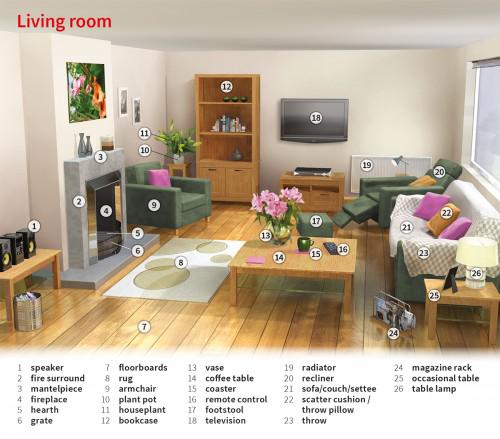
    a device that you use to operate a television, etc. from a distance

    Where is the TV remote control?

    テレビのリモコンはどこですか。

    類義語clickerzappercontroller
    対義語direct controlmanual control
  30. 30

    informative(adjective)

    /ɪnˈfɔːrmətɪv/

    情報量の多い, 有益な

    giving useful information

    He is kind to give me such an informative book.

    彼は親切にも、とても情報量の多い本を私にくれた。

    類義語instructiveeducationalenlighteningilluminatinghelpfulusefulrevealingsignificant
    対義語uninformativemisleadinginaccurateuselessunhelpfulshallowmeaningless
  31. 31

    teenager(noun)

    /ˈtiːneɪdʒər/

    ティーンエイジャー (tiin'eijaa)

    a person who is between 13 and 19 years old

    Parents should be aware of teenagers' psychology.

    親はティーンエイジャーの心理を理解しておくべきです。(Oya wa tiin'eijaa no shinri o rikai shite okubeki desu.)

    類義語adolescentyouthyoung personminor
    対義語adulteldersenior citizen
  32. 32

    detective(noun)

    /dɪˈtektɪv/

    探偵, 刑事

    a person, especially a police officer, whose job is to investigate crimes and catch criminals

    The detective found important clues at the crime scene.

    刑事は犯行現場で重要な手がかりを見つけた。

    類義語investigativecrime-solvingsleuthinginquisitiveanalytic
    対義語uniformedpatrollaw enforcement (general)
  33. 33

    participation(noun)

    /pɑːrˌtɪsɪˈpeɪʃn/

    参加

    the act of taking part in an activity or event

    Thank you for your participation.

    ご参加ありがとうございます。

    類義語involvementengagementcontributioncollaborationattendance
    対義語apathynoninvolvementwithdrawalabstentiondetachment
  34. 34

    alert(adjective)

    /əˈlɜːrt/

    油断のない, 警戒した, 敏捷な

    able to think quickly; quick to notice things and ready to deal with danger

    Try to stay alert while driving at night.

    夜に運転するときは、気を張って注意を怠らないようにしなさい。

    類義語watchfulvigilantattentiveawareobservantheedful
    対義語unawareinattentivenegligentobliviouslethargicdrowsy
  35. 35

    battlefield(noun)

    /ˈbæt(ə)l fiːld/

    戦場

    a place where a battle is being fought or has been fought

    He saw many terrible things on that battlefield.

    彼はその戦場でたくさんのひどい光景を目にしました。

    類義語war zonecombat zonetheater of warfront line
    対義語peaceful areademilitarized zone
  36. 36

    comprehension(noun)

    /ˌkɑːmprɪˈhenʃn/

    理解 (rika)

    the ability to understand

    By practicing regularly, you can improve listening comprehension.

    定期的に練習することで、リスニング理解力を向上させることができます。(Teikiteki ni renshuu suru koto de, risuningu rika iryoku o koujou sase ru koto ga dekimasu.)

    類義語understandinggraspawarenesscognizanceperceptioninsight
    対義語misunderstandingignoranceconfusionincomprehension
  37. 37

    cooperation(noun)

    /kəʊˌɑːpəˈreɪʃn/

    協力

    the fact of doing something together or of working together towards a shared aim

    The process of working or acting together for a common goal or benefit is cooperation.

    共通の目標または利益のために協力して作業または行動するプロセスが協力です。

    類義語collaborationteamworkpartnershipallianceunityaccordconcertsynergy
    対義語competitionoppositiondiscordantagonismconflictseparationdivision
  38. 38

    costly(adjective)

    /ˈkɔːstli/

    高価な

    costing a lot of money, especially more than you want to pay

    Buying new furniture may prove too costly.

    新しい家具を買うのは費用がかかりすぎるかもしれない。

    類義語expensivehigh-priceddearpriceylavish
    対義語cheapinexpensiveaffordableeconomicalreasonable
  39. 39

    cue(noun)

    /kjuː/

    ヒント, 手がかり

    a word, phrase or piece of information that helps you guess or understand something; a hint

    I can't find the answer to this question. Please give me some cues.

    この問題の答えが分からない。ヒントをいくつか教えて。

    類義語hintcluesuggestionindicationpromptreminder
    対義語answersolutionconcealmentobscurityblock
  40. 40

    documentary(noun)

    /ˌdɑːkjuˈmentri/

    ドキュメンタリー

    a film or a radio or television programme giving facts about something

    It is a documentary about real events including real crimes.

    それは実際の犯罪を含む実際の出来事についてのドキュメンタリーです。

    類義語filmmovienon-fiction filmfactual filmreportrecord
    対義語fictionfeature filmdramastorynarrative
  41. 41

    forum(noun)

    /ˈfɔːrəm/

    フォーラム

    an event or medium where people can exchange opinions and ideas on a particular issue; a meeting organized for this purpose

    She joined a forum for exchanging views yesterday.

    彼女は昨日、意見交換のためのフォーラムに参加しました。

    類義語meetingconferencesymposiumassemblyplatformdiscussion groupboard
    対義語silenceisolationsolitudeprivate conversation
  42. 42

    interact(verb)

    /ˌɪntərˈækt/

    交流する (kōryū suru)

    to communicate with somebody, especially while you work, play or spend time with them

    Volunteers have a chance to interact closely with the local people.

    ボランティアは、地元の人々と密接に交流する機会があります。

    類義語engagecommunicateconnectrelateinterfacenetwork
    対義語isolatewithdrawavoidignore
  43. 43

    leak(verb)

    /liːk/

    漏れる, 漏らす

    to allow liquid or gas to get in or out through a small hole

    The car's fuel tank was leaking petrol all over the road.

    その車の燃料タンクからガソリンが道路一面に漏れていた。

    類義語dripseepoozedischargedivulgediscloserevealuncover
    対義語sealcoverhideconcealcontainsuppress
  44. 44

    limitation(noun)

    /ˌlɪmɪˈteɪʃn/

    限界, 欠点, 制約

    a weakness or lack of ability that limits what somebody/something can do

    The internet is useful but it has its limitations.

    インターネットは便利だが、限界もある。

    類義語restrictionconstraintboundshortcomingdefectdrawbackhandicapdeficiency
    対義語advantagestrengthbenefitassetperfectionfreedomunlimited
  45. 45

    siblings(noun)

    /ˈsɪblɪŋ/

    兄弟姉妹

    a brother or sister

    I have three siblings in all.

    全部で3人兄弟がいます。

    類義語brothers and sistersfamily memberskin
    対義語only child
  46. 46

    surf(verb)

    /sɜːrf/

    ネットサーフィンする, ネットを閲覧する

    to use the Internet, moving from one website to another

    I often surf the Internet to find information for my homework.

    私は宿題の情報を探すためによくインターネットを見て回ります。

    類義語wave-ridingsurfboardingbodyboarding
    対義語sinkdivestillness
  47. 47

    the media(noun)

    /ðə ˈmiːdɪə/

    メディア

    television, radio, newspapers and the internet, as ways of giving information to large numbers of people

    This is often mentioned in the media.

    これはメディアでよく言及されます。

    類義語pressnews outletsjournalismbroadcastingnews mediamass media
    対義語private communicationpersonal correspondencenon-public information
  48. 48

    town crier(noun)

    /ˌtaʊn ˈkraɪər/

    町の触れ役, 町の広報係

    (in the past) a person whose job was to walk through a town shouting news, official announcements, etc.

    In the past, the town crier walked through the streets shouting the latest news.

    昔は、町の触れ役が最新のニュースを叫びながら通りを歩いて回った。

    類義語heraldannouncerpublic messenger
    対義語confidantsecret keeper

  49. 49

    stage(noun)

    /steɪdʒ/

    舞台, ステージ

    a raised area in a theatre, etc. where actors, dancers, etc. perform

    The band walked onto the stage and the crowd cheered loudly.

    バンドがステージに上がると、観客は大声で歓声を上げた。

  50. 50

    ring(verb)

    /rɪŋ/

    鳴る

    (of a bell or telephone) to make a sound, for example to tell you that somebody is calling

    The school bell rings at half past nine every morning.

    学校のチャイムは毎朝9時半に鳴る。

  51. 51

    virus(noun)

    /ˈvaɪrəs/

    コンピューターウイルス

    instructions hidden within a computer program that are designed to cause faults or destroy data

    My computer is infected with a virus.

    私のコンピューターはウイルスに感染しています。

  52. 52

    leak(verb)

    /liːk/

    リークする, 漏らす, 漏洩する

    to give secret information to the public, for example by telling a newspaper

    Some important information from the government has been leaked.

    政府の重要な情報の一部が漏洩した。