レッスン18/41 · 20語 · 覚えた単語 0
Topic 19: Society (1)
トピック19:社会 (1)
遠隔の (enkaku no)
far away from places where other people live
We took the train out of the city and found a remote hotel in the country for the weekend
週末に街から電車に乗って、田舎の遠隔のホテルを見つけました
I was surprised to find train service to such a remote location
類義語isolateddistantsecludedfarawayoutlying対義語nearcloseaccessiblecentralpopulatedもがく, 奮闘する
to try very hard to do something when it is difficult or when there are a lot of problems
By this time he'd managed to struggle out of bed.
このときまでに、彼はなんとかベッドから這い出ることができた。
They struggled just to pay their bills.
類義語effortcontendgrapplewrestlestrainlabor対義語easepeacecomfortsurrenderacquiesce増える, 増加する, 増やす
to become greater in amount, number, value, etc.; to make something greater in amount, number, value, etc.
The number of injuries from automobile accidents increases every year.
自動車事故による負傷者の数は毎年増加している。
price/tax/wage increases
類義語risegrowescalateaugmentexpandmultiply対義語decreasedeclinereducelessendiminish慈善
an organization for helping people in need
At our last meeting, we decided to organize a football match to raise money for charity.
前回の会議で、私たちは慈善活動のためにお金を集めるためにサッカーの試合を企画することにしました。
The concert will raise money for local charities.
類義語benevolencegenerosityhumanityphilanthropygoodwill対義語crueltymeannessselfishnessgreed先駆者 (senkusha)
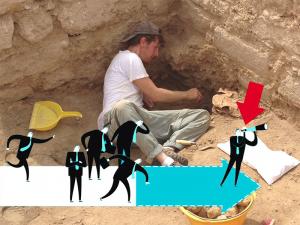
a person who is the first to study and develop a particular area of knowledge, culture, etc. that other people then continue to develop
He was a pioneer in the field of archaeology.
彼は考古学の分野の先駆者だった。(Kare wa kōkogaku no bun'ya no senkusha datta.)
類義語innovatortrailblazerfounderleadergroundbreakeroriginator対義語followerimitatorconventionalisttraditionalist寄付 (kifu)
something that is given to a person or an organization such as a charity, in order to help them; the act of giving something in this way
All kinds of donations are appreciated.
あらゆる種類の寄付に感謝します。
類義語contributiongiftgrantofferingpresentalmscharity対義語lossdeprivationwithholdingtaking感謝 (kansha)
the feeling of being grateful and wanting to express your thanks
On Teachers' Day, students often express their gratitude to their teachers.
教師の日に、生徒たちは先生に感謝の気持ちを表すことが多いです。
類義語thankfulnessappreciationgratefulnessrecognitionindebtedness対義語ingratitudeunthankfulnessdisrespectdissatisfaction避妊法 (hinin-hō)
a way of preventing a woman from becoming pregnant, such as using contraceptives
Safe birth-control methods for family planning are not available to those living in the mountainous areas.
家族計画のための安全な避妊法は、山岳地帯に住む人々には利用できません。
類義語contraceptivecontraceptionfamily planning method対義語procreationfertility treatment家族計画 (kazoku keikaku)
the process of controlling the number of children you have by using contraception
Family planning is essential for each family and the whole society.
家族計画は、各家族と社会全体にとって不可欠です。
類義語birth controlfertility controlreproductive planning対義語unplanned parenthoodpro-natalism差別する, 区別する
to treat one person or group worse than others in an unfair way, for example because of their age, sex or race
She felt she had been discriminated against because of her age.
彼女は年齢を理由に差別されたと感じた。
類義語differentiatedistinguishseparatesegregatefavorprejudice対義語treat equallybe fairincludeuniteintegrate関与 (kanyo)
the act of taking part in something or dealing with somebody
I'm not sure about the team's continued involvement in the competition.
チームが競技会に継続的に関与するかどうか、確信が持てません。
類義語participationengagementconnectionassociationparticipationpartakinginterestattention対義語detachmentdisconnectionwithdrawalaloofnessindifferenceapathy統合 (tougou)
the act or process of combining two or more things so that they work together
The integration of different kinds of cultures has become a new trend.
異文化の統合は新しいトレンドになっています。(ibunka no tougou wa atarashii torendo ni natteimasu)
類義語assimilationincorporationfusionunificationamalgamationsynthesismerger対義語separationsegregationfragmentationdivisiondisconnectionalienation安定
the quality or state of being steady and not changing or being upset in any way (= the quality of being stable)
ASEAN focuses on maintaining regional peace and stability.
ASEANは、地域の平和と安定の維持に焦点を当てています。
類義語steadinesssecurityfirmnessbalanceconstancydurability対義語instabilitychangeabilityunsteadinessturmoiluncertainty