본문으로 건너뛰기

레슨 10/16 · 16단어 · 외운 단어 0

Lesson 10: CONSERVATION

10과: 자연 보호

  1. 1

    variety(noun)

    /vəˈraɪəti/

    다양성

    several different sorts of the same thing

    There's a variety of standard terms that you'll find in warranties

    보증서에는 다양한 표준 용어가 있습니다.

    A variety of unexpected problems appeared after the product had been on the market for about six months

    유의어assortmentdiversityrangeselectionmixturemultiplicityarray
    반의어uniformitysimilaritysamenessmonotony
  2. 2

    create(verb)

    /kriˈeɪt/

    창조하다 (changjohada)

    to make something happen or exist

    The main purpose of industry is to create wealth.

    산업의 주요 목적은 부를 창출하는 것입니다.

    Scientists disagree about how the universe was created.

    유의어generateproduceformestablishinventdevelop
    반의어destroydemolisheliminateannihilate
  3. 3

    damage(noun)

    /ˈdæmɪdʒ/

    손해 (sonhae)

    physical harm caused to something which makes it less attractive, useful or valuable

    The damage to his car was considerable.

    그의 차에 입은 손해가 상당했다. (Geuui chae ibeun sonhaega sangdanghaetta.)

    Smoking seriously damages your health.

    유의어harminjuryimpairmentdestructionloss
    반의어repairimprovementbenefitadvantagerestoration
  4. 4

    cancer(noun)

    /ˈkænsər/

    암

    a disease in which abnormal cells grow out of control and can spread to other parts of the body

    Liver cancer is one of the most common cancers in Vietnam.

    간암은 베트남에서 가장 흔한 암 중 하나입니다.

    Early detection greatly improves the chance of curing cancer.

    유의어malignancytumorneoplasm
    반의어healthwellnesswell-being
  5. 5

    destruction(noun)

    /dɪˈstrʌkʃn/

    파괴 (pague)

    the act of destroying something; the process of being destroyed

    Many people are very concerned about destruction of the rainforests.

    많은 사람들이 열대 우림 파괴에 대해 매우 우려하고 있습니다.

    The central argument is that capitalism sows the seeds of its own destruction(= creates the forces that destroy it).

    유의어demolitiondevastationruinannihilationobliterationbreakdown
    반의어creationconstructionbuildingpreservationconservation
  6. 6

    will(noun)

    /wɪl/

    의지, 의지력

    the ability to control your thoughts and actions in order to achieve what you want to do

    From an early age she had a very strong will.

    그녀는 어릴 때부터 의지가 매우 강했다.

    The meeting turned out to be a clash of wills.

    유의어determinationresolvedesirechoicetestament
    반의어weaknessapathyindecision
  7. 7

    breed(verb)

    /briːd/

    사육하다, 기르다

    to keep animals in order to produce young ones, usually of a particular type

    His main income comes from breeding cattle.

    그의 주 수입은 소를 사육하는 데서 나온다.

    Labradors and other large breeds of dog

    유의어reproduceraiserearcultivategeneratepropagate
    반의어killdestroyextinct
  8. 8

    imprison(verb)

    /ɪmˈprɪzn/

    투옥하다 (tuokhada)

    to put somebody in a prison or another place from which they cannot escape

    He was imprisoned in 1965 for attempted murder.

    그는 1965년에 살인 미수죄로 투옥되었다.

    유의어jailincarceratedetainconfineinternlock up
    반의어freereleaseliberatedischarge
  9. 9

    conservation(noun)

    /ˌkɑːnsərˈveɪʃn/

    보존 (bojon)

    the protection of the natural environment

    This kind of bird is protected by conservation plans.

    이 종류의 새는 보존 계획에 의해 보호됩니다.

    유의어preservationprotectionsafeguardingmaintenanceupkeep
    반의어destructiondepletionwasteneglectexploitation
  10. 10

    defence(noun)

    /dɪˈfens/

    방어 (bang'eo)

    the act of protecting somebody/something from attack, criticism, etc.

    The towers were once an important part of the city's defences.

    그 탑들은 한때 도시 방어의 중요한 부분이었다.

    유의어protectionsecuritysafeguardshieldresistanceguard
    반의어attackoffensevulnerabilityassault
  11. 11

    endangered species(noun)

    /ɪnˈdeɪndʒəd ˈspiːʃiːz/

    멸종 위기 종

    a type of animal or plant that might stop existing because there are very few of them left

    Most countries are trying hard to protect endangered species.

    대부분의 국가들이 멸종 위기 종을 보호하기 위해 노력하고 있습니다.

    유의어threatened speciesvulnerable speciesat-risk species
    반의어thriving speciesabundant speciescommon species
  12. 12

    erosion(noun)

    /ɪˈrəʊʒn/

    침식 (chimshik)

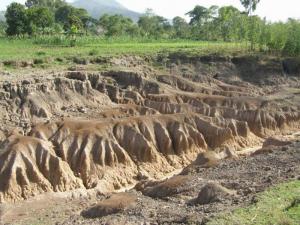
    the process by which the surface of something is gradually destroyed through the action of wind, rain, etc.

    The farmers fight against soil erosion every year.

    농부들은 매년 토양 침식과 싸웁니다. (Nongbudeureun maenyeon toyang chimshikgwa ssaumnida.)

    유의어wearing awaydegradationdeteriorationattritiondenudation
    반의어depositionaccretionbuilding upaccumulation
  13. 13

    forester(noun)

    /ˈfɔːrɪstər/

    산림 감독관 (sanlim gamdokgwan)

    a person who works in a forest, taking care of the trees, planting new ones, etc.

    A forester is a person who is in charge of taking care of the forest.

    산림 감독관은 숲을 돌보는 책임을 맡은 사람입니다.

    유의어woodsmanconservationistforest rangersilviculturistwoodranger
    반의어destroyerpolluter
  14. 14

    reconstruction(noun)

    /ˌriːkənˈstrʌkʃn/

    재건 (jaegeon)

    the process of changing or improving the condition of something or the way it works; the process of putting something back into the state it was in before

    City reconstruction work after the disaster must be carried out immediately.

    재해 후 도시 재건 작업은 즉시 수행되어야 합니다.

    유의어rebuildingrestorationrenovationredevelopmentrecoveryrevivalreestablishment
    반의어destructiondemolitionruinwreckagedevastation

  15. 15

    risky(adjective)

    /ˈrɪski/

    위험한

    involving the possibility of something bad happening

    It's risky to buy a car without some good advice.

    좋은 조언 없이 차를 사는 것은 위험합니다.

    유의어hazardousperilousdangerousuncertainchancyprecarious
    반의어safesecureharmlessprotectedcertain
  16. 16

    vegetation(noun)

    /ˌvedʒəˈteɪʃn/

    초목

    plants in general, especially the plants that are found in a particular area or environment

    The railroad track construction area must be clear of vegetation.

    철도 선로 건설 구역은 초목이 없어야 합니다.

    유의어floragreeneryplant lifefoliageherbage
    반의어barrennessdesertsterilityariditywasteland