본문으로 건너뛰기

레슨 13/16 · 35단어 · 외운 단어 0

Lesson 13: HOBBIES

13과: 취미

  1. 1

    ignore(verb)

    /ɪɡˈnɔːr/

    무시하다 (musihada)

    to pay no attention to something

    He ignored all the 'No Smoking' signs and lit up a cigarette

    그는 모든 '금연' 표지판을 무시하고 담배에 불을 붙였습니다.

    When the director is working at the computer, she ignores everything around her

    유의어disregardoverlookneglectdisregardpay no attention toshundiscountbrush aside
    반의어heednoticeacknowledgeattend toregardconsider
  2. 2

    present(adjective)

    /ˈpreznt/

    현재

    existing or happening now

    The present study has two main aims.

    본 연구는 두 가지 주요 목표를 가지고 있습니다.

    The mistake was obvious to all those present.

    유의어currentexistingavailablegiftdonationintroduce
    반의어pastabsentfuture
  3. 3

    broaden(verb)

    /ˈbrɔːdn/

    넓히다, 확장하다

    to increase your knowledge, experience or range of interests

    Dominique wants to broaden her knowledge of opera history

    도미니크는 오페라 역사에 대한 지식을 넓히고 싶어 한다.

    You will appreciate music more if you broaden your tastes and listen to several types of music

    유의어widenexpandincreaseenlargeextend
    반의어narrowreducedecreaselimitrestrict
  4. 4

    category(noun)

    /ˈkætəɡɔːri/

    범주

    a group of people or things with particular features in common

    Jazz is one of many categories of music

    재즈는 많은 음악 범주 중 하나입니다.

    The works of Mozart are in a category by themselves

    유의어typekindsortclassgroupclassificationvarietydivision
    반의어wholeentiretyunclassified
  5. 5

    admire(verb)

    /ədˈmaɪər/

    존경하다 (jon-gyeonghada)

    to respect somebody for what they have done or to respect their qualities

    I admire all the effort the museum put into organizing this wonderful exhibit

    저는 박물관이 이 멋진 전시회를 조직하는 데 들인 모든 노력을 존경합니다.

    Raisa, admiring the famous smile, stood before the Mona Lisa for hours

    유의어respectesteemrevereappreciatevalueapprove ofthink highly of
    반의어despisedislikedetestdisapprove ofscornhate
  6. 6

    mostly(adverb)

    /ˈməʊstli/

    대부분

    mainly; generally

    The band are mostly teenagers, I think.

    그 밴드는 대부분 십대인 것 같아요.

    We're mostly out on Sundays.

    유의어mainlyprimarilylargelygenerallypredominantlychiefly
    반의어partlyslightlyminimallyinfrequentlyrarely
  7. 7

    admiration(noun)

    /ˌædməˈreɪʃn/

    존경 (jon-gyeong)

    a feeling of respect for and approval of somebody/something

    I had great admiration for him as an actor.

    저는 그를 배우로서 매우 존경했습니다. (Jeoneun geureul baeu-roseo maeu jon-gyeong-haet-seupnida.)

    I have great admiration for her as a writer.

    유의어respectesteemapprovalregardvenerationappreciation
    반의어contemptdisgustdislikedisdainscorn
  8. 8

    occupied(adjective)

    /ˈɑːkjupaɪd/

    투숙 중, 사용 중

    being used by someone; in a hotel, describing a room where a registered guest is staying

    We have 180 occupied rooms tonight and only five vacant ones.

    오늘 밤 투숙 중인 객실은 180실이고 빈 객실은 다섯 개뿐입니다.

    Do not enter an occupied room without knocking and announcing yourself.

    유의어busyengagedinvolvedpreoccupiedabsorbedengrossed
    반의어freeidleunoccupiedavailableunengaged
  9. 9

    profit(noun)

    /ˈprɑːfɪt/

    이익, 수익

    the money that you make in business or by selling things, especially after paying the costs involved

    The company made a profit of two million dollars last year.

    그 회사는 지난해에 200만 달러의 이익을 냈다.

    유의어gainbenefitadvantagereturnyieldearnings
    반의어lossdeficitdebtliabilitydisadvantage
  10. 10

    hero(noun)

    /ˈhɪrəʊ/

    영웅 (yeong-ung)

    a person who is admired by many people for doing something brave or good

    One of the country’s national heroes.

    그 나라의 국민적 영웅 중 한 명 (geu nara-ui gukminjeok yeong-ung jung han myeong)

    one of the country's national heroes

    유의어championlegendsaviorprotagonistidolstarcelebrity
    반의어villaincowardantagonistzerononentity
  11. 11

    tune(noun)

    /tuːn/

    곡조

    a series of musical notes that are sung or played in a particular order to form a piece of music

    That's a very catchy tune.

    그것은 매우 중독성 있는 곡조네요.

    I don't know the title but I recognize the tune.

    유의어melodysongairthemestrainmotif
    반의어noisedissonancediscord
  12. 12

    accompany(verb)

    /əˈkʌmpəni/

    동행하다

    to travel or go somewhere with somebody/something

    May I accompany you to the ball? he asked her.

    무도회에 함께 가도 될까요? 그가 그녀에게 물었습니다.

    I must ask you to accompany me to the police station.

    유의어escortattendgo withjoinchaperoneconvoy
    반의어leaveabandondesertforsakeseparate
  13. 13

    Presentation(noun)

    /ˌpriːznˈteɪʃn/

    발표 (balpyo)

    a meeting at which something, especially a new product or idea, or piece of work, is shown to a group of people

    There’s a presentation in the meeting room.

    회의실에 발표가 있습니다.

    유의어talklecturespeechdemonstrationperformanceshowing
    반의어silenceabsenceconcealmenthiding
  14. 14

    accomplished(adjective)

    /əˈkɑːmplɪʃt/

    능숙한

    very good at a particular thing; having a lot of skills

    She's a very accomplished pianist.

    그녀는 매우 능숙한 피아니스트이다.

    유의어skilledproficienttalentedexpertadeptmasterful
    반의어ineptunskilledamateurincompetentuntalented
  15. 15

    classify(verb)

    /ˈklæsɪfaɪ/

    분류하다

    to arrange something in groups according to features that they have in common

    The books in the library are classified by subject.

    도서관의 책들은 주제별로 분류되어 있습니다.

    유의어categorizearrangegroupsortorderlabelindex
    반의어disarrangemixjumbleconfuserandomize
  16. 16

    overseas(adjective)

    /ˌəʊvərˈsiːz/

    해외의

    connected with foreign countries, especially those separated from your country by the sea or ocean

    There are a lot of overseas students in San Francisco.

    샌프란시스코에는 해외 유학생들이 많이 있습니다.

    유의어abroadforeigninternationalexternal
    반의어domesticlocalinlandhome
  17. 17

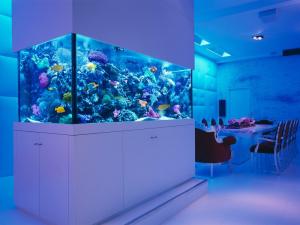
    fish tank(noun)

    /fɪʃ tæŋk/

    어항 (eohang)

    a glass container filled with water in which pet fish are kept

    A fish tank is usually a glass container used for keeping pet fish.

    어항은 보통 애완 물고기를 기르기 위해 사용되는 유리 용기입니다.

    유의어aquariumfishbowltank
    반의어oceanlakeriversea
  18. 18

    profitable(adjective)

    /ˈprɑːfɪtəbl/

    수익성이 좋은 (suikseong-i joheun)

    that makes or is likely to make money

    Using solar energy in manufacturing is profitable for all of us.

    제조업에서 태양 에너지를 사용하는 것은 우리 모두에게 수익성이 좋습니다.

    유의어beneficialadvantageousgainfulremunerativefruitfullucrativepaying
    반의어unprofitableloss-makingunproductiveworthless
  19. 19

    keep fish(phrase)

    /kiːp fɪʃ/

    물고기를 기르다

    to have fish as pets or raise them, for example in a tank or pond

    Keeping fish is one of our hobbies.

    물고기를 기르는 것은 우리의 취미 중 하나이다.

    유의어raise fishrear fishbreed fishaquaculture
    반의어release fishabandon fishneglect fish
  20. 20

    modest(adjective)

    /ˈmɑːdɪst/

    겸손한

    not talking much about your own abilities or achievements

    He is very modest about his singing career’s success.

    그는 자신의 가수 경력의 성공에 대해 매우 겸손하다.

    유의어humbleunassumingself-effacingreservedsimple
    반의어arrogantboastfulconceitedproudvain
  21. 21

    avid(adjective)

    /ˈævɪd/

    열렬한 (yeollyeolhan)

    very enthusiastic about something (often a hobby)

    My brother is an avid football fan.

    제 형은 열렬한 축구 팬입니다. (Je hyeong-eun yeollyeolhan chukgu paen-imnida.)

    유의어enthusiasticeagerkeenpassionateferventzealous
    반의어apatheticindifferentunenthusiasticlukewarmuninterested
  22. 22

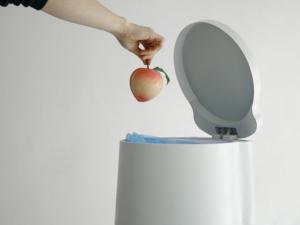
    discard(verb)

    /dɪˈskɑːrd/

    버리다

    to get rid of something that you no longer want or need

    Don't discard that trash, save it and sell for money.

    그 쓰레기를 버리지 말고, 모아두었다가 돈을 받고 파세요.

    유의어abandonrejectdumpscrapget rid ofthrow away
    반의어keepretainpreservesavecherish
  23. 23

    once in a while(idiom)

    /wʌns ɪn ə waɪl/

    가끔, 이따금

    sometimes, but not often

    We meet for lunch once in a while.

    우리는 가끔 만나서 점심을 먹는다.

    유의어occasionallysometimesperiodicallyinfrequentlynow and then
    반의어frequentlyoftenregularlyalwaysconstantly
  24. 24

    indulge (in)(verb)

    /ɪnˈdʌldʒ/

    탐닉하다 (tamnikhada)

    to allow yourself to have or do something that you enjoy, especially something special or bad for you

    I love champagne but I don't often indulge myself.

    샴페인을 좋아하지만 자주 탐닉하지는 않아요.

    유의어spoilpampertreatsatisfygratifyrevelwallow
    반의어deprivedisciplinerestrainabstaindeny
  25. 25

    for a while(phrase)

    /fər ə waɪl/

    잠시, 잠깐 동안

    for a short period of time

    Please wait for a while.

    잠시만 기다려 주세요.

    유의어momentarilybrieflyshortlyfor a momenta little while
    반의어permanentlyforeverindefinitelya long time
  26. 26

    admirable(adjective)

    /ˈædmərəbl/

    훌륭한 (hullyunghan)

    having qualities that you admire and respect

    The police did an admirable job in keeping the fans calm.

    경찰은 팬들을 진정시키는 데 훌륭한 역할을 했습니다.

    유의어commendablepraiseworthylaudableexcellentwonderfulimpressiveremarkable
    반의어despicablecontemptibledisgracefulshamefulterribleawfullamentable
  27. 27

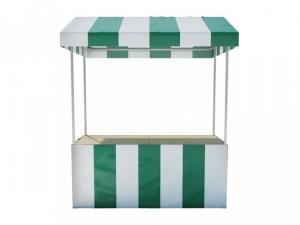
    stall(noun)

    /stɔːl/

    노점 (nojeom)

    a table or small shop with an open front that people sell things from, especially at a market

    I often buy books from second-hand book stalls.

    저는 중고 서점에서 책을 자주 삽니다.

    유의어boothstandkioskcounter
    반의어officeheadquartersbuilding
  28. 28

    classification(noun)

    /ˌklæsɪfɪˈkeɪʃn/

    분류 (bunlyu)

    the act or process of putting people or things into a group or class (= of classifying them)

    My classification of stamps is based on the regions they come from.

    제 우표 분류는 우표가 나온 지역을 기준으로 합니다.

    유의어categorizationgroupingarrangementsortinggradingsystematization
    반의어disorganizationrandomnesschaosdisorder
  29. 29

    categorize(verb)

    /ˈkætəɡəraɪz/

    분류하다 (bunlyuhada)

    to put people or things into groups according to what type they are

    The books are categorized into beginner and advanced.

    책은 초급 및 고급으로 분류됩니다.

    유의어classifygroupsortarrangelabelgradeindex
    반의어jumbledisarrangemixconfuseunclassify
  30. 30

    bygones(noun)

    /ˈbaɪɡɔːnz/

    지나간 일, 과거사

    things that happened in the past, especially arguments or unpleasant events

    Just let bygones be bygones and be friends again.

    지나간 일은 잊어버리고 다시 친구가 되자.

    유의어pastold timespast eventsthings past
    반의어futurepresentcurrent events
  31. 31

    gigantic(adjective)

    /dʒaɪˈɡæntɪk/

    거대한

    extremely large

    Look at that gigantic statue.

    저 거대한 조각상을 봐.

    유의어hugeenormousimmensecolossalmassivevasttremendous
    반의어tinysmallminutediminutivepetitemicroscopic
  32. 32

    ignorantly(adverb)

    /ˈɪɡnərəntli/

    무지하게

    without knowing about something, especially when this makes you act in a way that is bad or unwise

    He ignorantly said that climate change is no big deal.

    그는 기후 변화는 별일 아니라고 무지하게 말했다.

    유의어unwittinglyunconsciouslynaivelystupidlyfoolishlyunthinkingly
    반의어knowinglydeliberatelyintentionallyconsciouslywiselyprudently
  33. 33

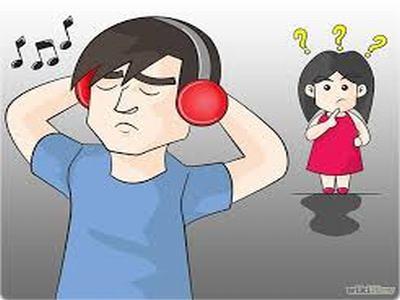
    ignorance(noun)

    /ˈɪɡnərəns/

    무지 (muji)

    a lack of knowledge or information about something

    She was kept in ignorance of her husband's activities.

    그녀는 남편의 활동에 대해 무지한 상태로 유지되었습니다.

    유의어unawarenessnescienceoblivionunfamiliarityinexperiencenaiveté
    반의어knowledgeawarenessunderstandingcognizanceeducationintelligence
  34. 34

    cope (with)(verb)

    /kəʊp/

    대처하다 (daechehada)

    to deal successfully with something difficult

    It must be difficult to cope with three small children and a job.

    어린 아이 셋과 직장 생활을 감당하기는 힘들겠지.

    유의어managehandledeal withgrapple withcontend withovercomebearendure
    반의어avoidevadeignoreneglectsuccumbsurrender
  35. 35

    bump into(phrasal verb)

    /bʌmp ˈɪntə /

    ~와 부딪치다, ~에 충돌하다

    to hit somebody or something accidentally while moving

    His car bumped into a truck.

    그의 차가 트럭과 부딪쳤다.

    유의어collide withrun intocrash intohitencountermeet
    반의어avoidmissevade