레슨 7/16 · 10단어 · 외운 단어 0
Lesson 7: WORLD POPULATION
7과: 세계 인구
증가하다, 늘리다
to become greater in amount, number, value, etc.; to make something greater in amount, number, value, etc.
The number of injuries from automobile accidents increases every year.
교통사고로 인한 부상자 수가 해마다 증가한다.
price/tax/wage increases
유의어risegrowescalateaugmentexpandmultiply반의어decreasedeclinereducelessendiminish아마도
used to say that something is likely to happen or to be true
The decision to set up a new company is probably his most risky decision.
새 회사를 설립하기로 한 결정은 아마도 그의 가장 위험한 결정일 것입니다.
It was the best known and probably the most popular of her songs.
유의어likelypossiblypresumablyperhapsmaybeconceivablydoubtless반의어certainlydefinitelysurelyundoubtedly감소하다, 줄이다
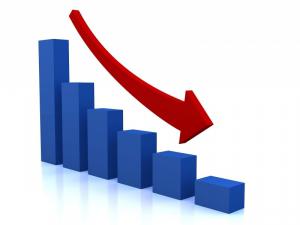
to become smaller in size, number, etc.; to make something smaller in size, number, etc.
A high population growth rate decreases economic development.
높은 인구 증가율은 경제 발전을 둔화시킨다.
The number of new students decreased from 210 to 160 this year.
유의어reducelessendiminishdeclinefalldrop반의어increasegrowriseaugmentexpand수치 (suchi)
a number representing a particular amount, especially one given in official information
These are all figures: 5, 12, 1997.
이것들은 모두 숫자입니다: 5, 12, 1997.
the latest trade/sales/unemployment, etc. figures
유의어numberdigitamountstatisticshapeformdiagramillustration반의어abstractionconceptideaformlessness피임법 (pieimbeop)
a way of preventing a woman from becoming pregnant, such as using contraceptives
Safe birth-control methods for family planning are not available to those living in the mountainous areas.
가족 계획을 위한 안전한 피임법은 산간 지역에 거주하는 사람들에게는 제공되지 않습니다.
유의어contraceptivecontraceptionfamily planning method반의어procreationfertility treatment가족 계획 (gajok gyehoek)
the process of controlling the number of children you have by using contraception
Family planning is essential for each family and the whole society.
가족 계획은 각 가정과 전체 사회에 필수적입니다.
유의어birth controlfertility controlreproductive planning반의어unplanned parenthoodpro-natalism인구 과잉 (ingu gwaing)
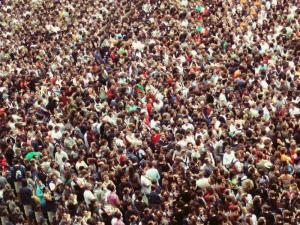
the fact of a country or city having too many people living in it
Many environmental, social, and economic problems stem from the overpopulation problem.
많은 환경적, 사회적, 경제적 문제들이 인구 과잉 문제에서 비롯됩니다.
유의어population explosionpopulation glutovercrowding반의어underpopulationpopulation decline제3세계
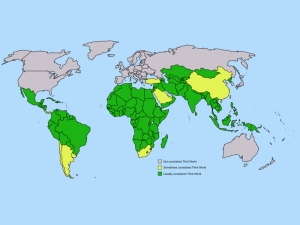
the poorer countries of the world that are not considered to be industrially developed
Most of the countries in the Third World are very poor.
제3세계 국가들의 대부분은 매우 가난합니다.
유의어Developing countriesLess-developed countriesUnderdeveloped nationsGlobal South반의어First WorldDeveloped countriesIndustrialized nations