본문으로 건너뛰기

레슨 34/202 · 11단어 · 외운 단어 0

Education

교육

  1. 1

    qualification(noun)

    /ˌkwɑːlɪfɪˈkeɪʃn/

    자격

    an exam that you have passed or a course of study that you have successfully completed

    The applicant had so many qualifications that the company created a new position for her

    지원자는 자격 요건이 너무 많아서 회사에서 그녀를 위해 새로운 자리를 만들었습니다.

    The job seeker had done extensive volunteer work and was able to add this experience to his list of qualifications

    유의어abilityachievementcapacitycompetencecapabilityeligibilitysuitabilityskill
    반의어disqualificationinabilityincompetenceunsuitabilityweakness
  2. 2

    university(noun)

    /ˌjuːnɪˈvɜːrsəti/

    대학교 (daehakgyo)

    an institution at the highest level of education where you can study for a degree or do research

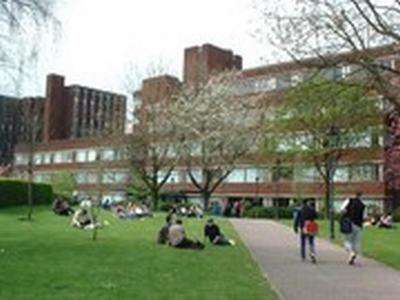
    Is there a university in this town?

    이 마을에 대학교가 있나요? (I maeul-e daehakgyo-ga innayo?)

    유의어collegeinstituteacademyinstitution of higher learning
    반의어schoolelementary schoolhigh schoolvocational school
  3. 3

    education(noun)

    /ˌedʒuˈkeɪʃn/

    교육 (gyoyuk)

    a process of teaching, training and learning, especially in schools, colleges or universities, to improve knowledge and develop skills

    Every child should receive an education.

    모든 어린이는 교육을 받아야 합니다.

    유의어schoolingtraininginstructionlearningknowledgedevelopmentcultivationupbringing
    반의어ignoranceilliteracyneglectstupidity
  4. 4

    nursery school(noun)

    /ˈnɜːrsəri skuːl/

    어린이집 (eorinijip)

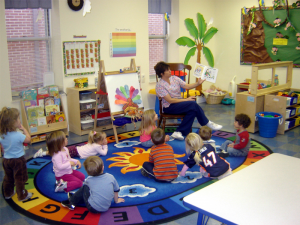
    a school for children between the ages of about two and five

    My little sister goes to nursery school.

    제 여동생은 어린이집에 다녀요.

    유의어preschooldaycarekindergartenearly learning center
    반의어universitycollegehigh school
  5. 5

    primary school(noun)

    /ˈpraɪmeri skuːl/

    초등학교

    a school for children between the ages of 4 or 5 and 11

    Children at primary schools have to study English as a compulsory subject.

    초등학생들은 필수 과목으로 영어를 공부해야 합니다.

    유의어elementary schoolgrade school
    반의어secondary schoolhigh school
  6. 6

    secondary school(noun)

    /ˈsekənderi skuːl/

    중학교 (junghakgyo)

    a school for young people between the ages of 11 and 16 or 18

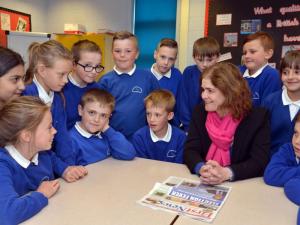
    We all go to the secondary school in town.

    우리 모두는 동네 중학교에 다닙니다. (Uri modeun-eun dongne junghakgyo-e danimnida.)

    유의어high schooljunior high schoolmiddle school
    반의어primary schoolelementary school
  7. 7

    technical college(noun)

    /ˈteknɪkl kɑːlɪdʒ/

    기술 전문 대학

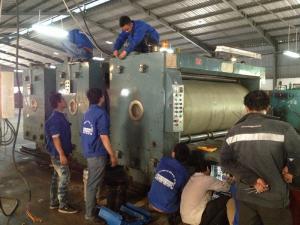
    a college where students can study mainly practical subjects

    He decided to enroll in a technical college to learn about automotive repair.

    그는 자동차 수리에 대해 배우기 위해 기술 전문 대학에 등록하기로 결정했습니다.

    유의어trade schoolvocational schoolpolytechnic
    반의어liberal arts collegeuniversity
  8. 8

    vocational college(noun)

    /və(ʊ)ˈkeɪʃ(ə)n(ə)l ˈkɒlɪdʒ/

    직업전문대학, 직업학교

    a college that trains students in the practical skills needed for a particular job

    She decided to attend a vocational college to learn carpentry.

    그녀는 목공을 배우기 위해 직업전문대학에 다니기로 했다.

    유의어trade schooltechnical collegecareer college
    반의어universityliberal arts college
  9. 9

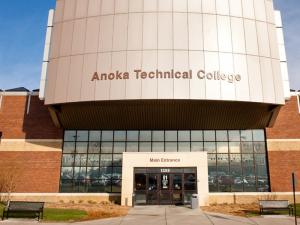
    art college(noun)

    /ɑːt ˈkɒlɪdʒ/

    예술대학, 미술대학

    a college where students study art, design and other creative subjects

    She plans to attend art college after graduating high school.

    그녀는 고등학교를 졸업한 후 예술대학에 진학할 계획이다.

    유의어art schooldesign schoolfine arts college
    반의어N/A (no direct antonym)
  10. 10

    curriculum(noun)

    /kəˈrɪkjələm/

    교육과정

    the subjects that are included in a course of study or taught in a school, college, etc.

    Music and arts should be added to the school curriculum.

    음악과 예술은 학교 교육과정에 추가되어야 합니다.

    유의어syllabuscourse of studyprogrammodulessubjects
    반의어extracurricularoptional activities
  11. 11

    attendance(noun)

    /əˈtendəns/

    출석, 참석

    the act of being present at a place, for example at school

    Teachers must keep a record of students' attendance at every lesson.

    교사는 모든 수업에서 학생들의 출석 기록을 남겨야 한다.

    유의어presenceappearancebeing thereturnout
    반의어absencenonattendancetruancy