본문으로 건너뛰기

레슨 20/202 · 11단어 · 외운 단어 0

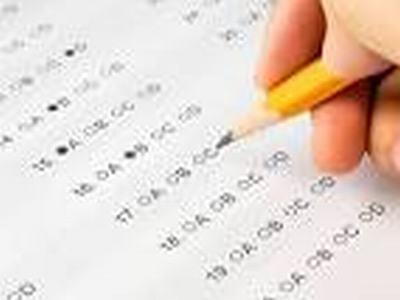
Exam

시험

  1. 1

    revise(verb)

    /rɪˈvaɪz/

    복습하다, 다시 공부하다

    to prepare for an exam by looking again at work that you have done

    I need to revise my notes carefully before the history exam next week.

    다음 주 역사 시험 전에 필기한 내용을 꼼꼼히 복습해야 한다.

    유의어amendaltercorrecteditimprovemodifyrework
    반의어damagedestroyignoreneglectworsen
  2. 2

    exam(noun)

    /ɪɡˈzæm/

    시험 (siheom)

    a formal written, spoken or practical test, especially at school or college, to see how much you know about a subject, or what you can do

    Have you prepared for the coming exam?

    다가오는 시험 준비는 다 됐어? (Dagaoneun siheom junbineun da dwaesseo?)

    유의어testassessmentquizevaluationtrial
    반의어breakrecessholidayvacation
  3. 3

    pass(verb)

    /pæs/

    합격하다, 통과하다

    to achieve the required standard in an exam, a test, etc.

    She studied hard and passed all her exams.

    그녀는 열심히 공부해서 모든 시험에 합격했다.

    유의어overtakesurpassexceedgo beyondtranscend
    반의어failstopobstructblockimpede
  4. 4

    cheat(verb)

    /tʃiːt/

    부정행위를 하다, 커닝하다

    to act in a dishonest way in order to gain an advantage, especially in a game, competition or exam

    Did you cheat in your exam?

    너 시험에서 부정행위 했니?

    She is accused of attempting to cheat the taxman.

    유의어deceivedefraudswindletrickdupescamhustle
    반의어be honestbe truthfulbe fairbe ethical
  5. 5

    examiner(noun)

    /ɪɡˈzæmɪnər/

    시험관 (siheomgwan)

    a person who writes the questions for, or marks, a test of knowledge or ability

    He was an examiner in the English speaking contest.

    그는 영어 말하기 대회 심사위원이었습니다. (Geuneun yeongeo malhagi daehoe simsawiwonieotseumnida.)

    유의어assessorevaluatorgradertesterinvestigator
    반의어examineecandidatestudent
  6. 6

    retake(verb)

    /ˌriːˈteɪk/

    재시험을 보다, 재응시하다

    to take an exam or a test again, usually because you failed it the first time

    I need to retake my exam.

    저는 시험을 다시 봐야 해요.

    유의어redorepeatre-sitre-attempt
    반의어passsucceedcomplete
  7. 7

    cram(verb)

    /kræm/

    벼락치기로 공부하다, 주입식으로 외우다

    to learn a lot of things in a short time, in preparation for an exam

    I have to cram lots of knowledge into my tiny brain.

    나는 작은 머리에 많은 지식을 억지로 쑤셔 넣어야 한다.

    유의어jampackstuffsqueezeforcepressoverfill
    반의어emptyvacateremovedispersespread out
  8. 8

    good mark(noun)

    /ɡʊd mɑːk/

    좋은 점수

    a high score given to a piece of work or in an exam

    I got many good marks.

    나는 좋은 점수를 많이 받았다.

    유의어high gradeexcellent marktop scoregood grade
    반의어poor markbad gradelow scorefailing mark
  9. 9

    bad mark(noun)

    /bad mɑːk/

    나쁜 점수

    a low score given to a piece of work or in an exam

    My teacher gave me a bad mark because I did not finish my homework.

    숙제를 끝내지 않아서 선생님이 나에게 나쁜 점수를 주셨다.

    유의어poor gradelow scorefailing grade
    반의어good gradehigh markexcellent score
  10. 10

    plodder(noun)

    /ˈplɑːdər/

    우직한 노력가, 꾸역꾸역 하는 사람

    a person who works slowly and steadily but without imagination

    They see you as cautious, careful, a slow and steady plodder.

    사람들은 당신을 신중하고 조심스러우며 느리지만 꾸준히 해 나가는 사람으로 본다.

    유의어slowpokeslowcoachsnaildawdlerlaggarddrudgetoilerworkhorse
    반의어speedstergo-getterdynamowhizlive wire
  11. 11

    learn by heart(idiom)

    /lɜːn baɪ hɑːt/

    외우다, 암기하다

    to learn something in such a way that you can say it from memory

    You shouldn't learn isolated words by heart but always put them in context.

    따로 떨어진 단어를 외우지 말고 항상 문맥 속에 넣어 익혀야 한다.

    유의어memorizecommit to memorylearn by roteget off by heartretainremember
    반의어forgetmisrememberlearn conceptuallyunderstand