본문으로 건너뛰기

레슨 8/38 · 188단어 · 외운 단어 0

Education Learning

교육과 학습

  1. 1

    attend(verb)

    /əˈtend/

    참석하다

    to be present at an event

    We expect more than 100 members to attend the annual meeting

    우리는 100명 이상의 회원이 연례 회의에 참석할 것으로 예상합니다.

    The hotel manager attended to all our needs promptly

    유의어go tobe present atshow up atbe atsit in onparticipate in
    반의어missskipbe absent fromavoidneglect
  2. 2

    failure(noun)

    /ˈfeɪljər/

    실패

    lack of success in doing or achieving something

    The mission ended in failure when the rocket exploded shortly after launch.

    로켓이 발사 직후 폭발하면서 임무는 실패로 끝났다.

    유의어deficiencyomissionderelictionfaultlackdefaultinefficacy
    반의어successachievementtriumphaccomplishment
  3. 3

    practice(noun)

    /ˈpræktɪs/

    연습, 실습, 훈련

    doing an activity or training regularly so that you can improve your skill; the time you spend doing this

    Speaking English every day is good practice for the exam.

    매일 영어로 말하는 것은 시험을 위한 좋은 연습이 된다.

    유의어exercisedrillrehearseapplicationcustom
    반의어theoryignoranceneglectdisuse
  4. 4

    skill(noun)

    /skɪl/

    기술 (gisul)

    the ability to do something well

    The software developer has excellent technical skills and would be an asset to our software programming team

    그 소프트웨어 개발자는 뛰어난 기술력을 가지고 있으며 우리 소프트웨어 프로그래밍 팀에 큰 자산이 될 것입니다.

    Salman's job as designer of electronic tools makes good use of his manual dexterity skills

    유의어abilityexpertiseproficiencytalentcompetenceaptitudeknackdexterity
    반의어inabilityineptitudeincompetenceawkwardnesslack of skill
  5. 5

    revise(verb)

    /rɪˈvaɪz/

    복습하다, 다시 공부하다

    to prepare for an exam by looking again at work that you have done

    I need to revise my notes carefully before the history exam next week.

    다음 주 역사 시험 전에 필기한 내용을 꼼꼼히 복습해야 한다.

    유의어amendaltercorrecteditimprovemodifyrework
    반의어damagedestroyignoreneglectworsen
  6. 6

    qualification(noun)

    /ˌkwɑːlɪfɪˈkeɪʃn/

    자격

    an exam that you have passed or a course of study that you have successfully completed

    The applicant had so many qualifications that the company created a new position for her

    지원자는 자격 요건이 너무 많아서 회사에서 그녀를 위해 새로운 자리를 만들었습니다.

    The job seeker had done extensive volunteer work and was able to add this experience to his list of qualifications

    유의어abilityachievementcapacitycompetencecapabilityeligibilitysuitabilityskill
    반의어disqualificationinabilityincompetenceunsuitabilityweakness
  7. 7

    explore(verb)

    /ɪkˈsplɔːr/

    탐험하다 (tamheomhada)

    to travel to or around an area or a country in order to learn about it

    The collector likes to explore antique shops looking for bargains

    수집가는 싼 물건을 찾기 위해 골동품 가게를 탐험하는 것을 좋아합니다.

    While his mother shopped for clothes, Michael wandered off to explore the toy section

    유의어investigateexamineresearchsurveyprobediscoverscout
    반의어ignoreneglectoverlookdisregard
  8. 8

    obtain(verb)

    /əbˈteɪn/

    획득하다

    to get something, especially by making an effort

    The employee obtained the report from her supervisor

    직원은 상사로부터 보고서를 획득했습니다.

    I've been trying to obtain a list of supplies from the administrator for three weeks now

    유의어acquiregetreceivegainprocuresecure
    반의어loseforfeitrelinquishsurrendergive up
  9. 9

    calculation(noun)

    /ˌkælkjuˈleɪʃn/

    계산

    the act or process of using numbers to find out an amount

    According to my calculations, I'll owe less money on my income taxes this year

    제 계산에 따르면 올해 소득세로 내야 할 돈이 줄어들 것 같아요.

    It took my accountant some time to complete the calculations on my income tax

    유의어computationestimationreckoningfiguringsummingarithmeticmathematicsforecast
    반의어guessestimationapproximationspeculation
  10. 10

    translation(noun)

    /trænzˈleɪʃn/

    번역 (beonyeok)

    the process of changing something that is written or spoken into another language

    The translation of the statement from Japanese into English was very helpful

    일본어에서 영어로의 성명 번역은 매우 도움이 되었습니다.

    The accountant was able to provide a translation of the economic terms used in the meeting

    유의어versioninterpretationrenderingtranscriptionadaptation
    반의어originalsourceunaltered text
  11. 11

    conclude(verb)

    /kənˈkluːd/

    결론짓다 (gyeolronjitda)

    to decide or believe something as a result of what you have heard or seen

    After long discussions, the board has concluded that the project has to be canceled

    긴 토론 끝에 이사회는 프로젝트를 취소해야 한다고 결론지었습니다.

    The committee members concluded the meeting early so that they could finish their budgets

    유의어deduceinferdecidedetermineresolvejudgeascertainunderstand
    반의어begincommenceinitiatestartopendoubtquestion
  12. 12

    examine(verb)

    /ɪɡˈzæmɪn/

    검토하다 (geomtohada)

    to consider or study an idea, a subject, etc. very carefully

    Before marketing a new product, researchers must carefully examine it from every aspect

    신제품을 마케팅하기 전에 연구원들은 모든 측면에서 신중하게 검토해야 합니다.

    Good researchers have to examine every possible option, including some that seem bizarre

    유의어inspectinvestigatescrutinizeanalyzestudyprobeassessreview
    반의어ignoreoverlookneglectdisregardskimglance
  13. 13

    research(noun)

    /ˈriːsɜːrtʃ/

    연구 (yeon-gu)

    a careful study of a subject, especially in order to discover new facts or information about it

    For toy manufacturers, research can be pure fun

    장난감 제조업체에게 연구는 순수한 즐거움이 될 수 있습니다.

    Part of the research the team does is to determine whether similar products are already on the market

    유의어studyinvestigationexplorationinquiryanalysisexperimentation
    반의어ignoranceneglectcarelessnesssuperficiality
  14. 14

    solve(verb)

    /sɑːlv/

    해결하다 (haegyeolhada)

    to find a way of dealing with a problem or difficult situation

    Researchers find that every time they solve one problem, two more result

    연구원들은 문제를 하나 해결할 때마다 두 개의 문제가 더 발생한다는 것을 발견했습니다.

    One of the biggest problems to solve is why people would want to own the new product

    유의어resolvefigure outwork outanswerdeterminedecipher
    반의어createcauseworsencomplicatefaillose
  15. 15

    predict(verb)

    /prɪˈdɪkt/

    예측하다 (yecheukhada)

    to say that something will happen in the future

    I predicted this restaurant would become popular and I was right

    나는 이 식당이 인기를 얻을 것이라고 예측했고, 내 말이 맞았다.

    Kona was unable to predict what time Andy, who is always late, would show up at the restaurant

    유의어forecastforeseeanticipateexpectprojectestimate
    반의어doubtquestiondisbelieveuncertainty
  16. 16

    multiple(adjective)

    /ˈmʌltɪpl/

    다수의, 여러

    many in number; involving many different people or things

    The delivery person could not keep track of multiple orders, causing a food mix-up.

    배달원이 여러 주문을 제대로 파악하지 못해 음식이 뒤바뀌는 일이 생겼다.

    유의어numerousmanyvariousseveralmanifold
    반의어singlefewuniqueindividualsole
  17. 17

    method(noun)

    /ˈmeθəd/

    방법 (bangbeop)

    a particular way of doing something

    Gloria perfected a simple method for making croissants

    글로리아는 크루아상을 만드는 간단한 방법을 완성했다.

    Many chefs borrow cooking methods from a variety of cultures and incorporate them into their cooking style

    유의어approachproceduretechniquewaysystemmannerprocess
    반의어chaosdisorderrandomness
  18. 18

    quote(verb)

    /kwəʊt/

    인용하다

    to repeat the exact words that another person has said or written

    In your essay, quote two lines from the poem to support your idea.

    에세이에서 당신의 생각을 뒷받침하도록 그 시의 두 행을 인용하세요.

    유의어estimatebidpriceofferciteexcerptmention
    반의어denialretractionwithhold
  19. 19

    description(noun)

    /dɪˈskrɪpʃn/

    설명 (seolmyeong)

    a piece of writing or speech that says what somebody/something is like; the act of writing or saying in words what somebody/something is like

    The description of the film did not match what we saw on screen

    영화에 대한 설명은 우리가 화면에서 본 것과 일치하지 않았습니다.

    The critic's description of the film made it sound very appealing

    유의어accountdepictionportrayalrepresentationnarrativeexplanation
    반의어concealmentdistortionmisrepresentationambiguity
  20. 20

    review(noun)

    /rɪˈvjuː/

    평론, 비평, 리뷰

    a report in a newspaper or magazine, or on the internet, television or radio, in which somebody gives their opinion of a book, play, film, product, etc.; the act of writing this kind of report

    The new film received excellent reviews from most critics.

    그 신작 영화는 대부분의 평론가들로부터 훌륭하다는 평가를 받았다.

    유의어assessmentevaluationinspectionstudyanalysisexamination
    반의어neglectdisregardoverlookignore
  21. 21

    category(noun)

    /ˈkætəɡɔːri/

    범주

    a group of people or things with particular features in common

    Jazz is one of many categories of music

    재즈는 많은 음악 범주 중 하나입니다.

    The works of Mozart are in a category by themselves

    유의어typekindsortclassgroupclassificationvarietydivision
    반의어wholeentiretyunclassified
  22. 22

    schedule(noun)

    /ˈskedʒuːl/

    일정, 시간표

    a plan that lists all the work that you have to do and when you must do each thing

    Our class schedule changes at the start of every new school term.

    우리 반 시간표는 새 학기가 시작될 때마다 바뀐다.

    유의어timetableplanarrangeorganizeprogramagendalistingcalendar
    반의어unscheduledunplanneddisorganizedcancellationimpromptu
  23. 23

    assignment(noun)

    /əˈsaɪnmənt/

    과제 (gwaje)

    a task or piece of work that somebody is given to do, usually as part of their job or studies

    This assignment has to be turned in before midnight

    이 과제는 자정 전에 제출해야 합니다.

    When the reporter is on assignment, research piles up on her desk

    유의어taskjobdutymissionprojectchore
    반의어leisurerecreationentertainmentfun
  24. 24

    assess(verb)

    /əˈses/

    평가하다, 가늠하다

    to make a judgement about the nature or quality of somebody/something

    Teachers assess each student's progress at the end of every term.

    교사들은 매 학기 말에 각 학생의 학업 진도를 평가한다.

    유의어evaluatejudgeappraiseestimatedeterminecalculatevalue
    반의어ignoreneglectdisregard
  25. 25

    factor(noun)

    /ˈfæktər/

    요인 (yoin)

    one of several things that cause or influence something

    Could my cat be a factor contributing to my asthma?

    제 고양이가 제 천식에 영향을 미치는 요인이 될 수 있을까요?

    Taking medications as directed is an important factor in getting well

    유의어elementcomponentinfluencecausepartaspectitem
    반의어resultconsequenceoutcomeeffect
  26. 26

    student(noun)

    /ˈstuːdnt/

    학생 (haksaeng)

    a person who is studying at a university or college

    He is a student.

    그는 학생입니다. (Geuneun haksaengimnida.)

    a graduate/postgraduate/research student

    유의어learnerpupilscholardiscipleapprentice
    반의어teacherinstructormastergraduateexpert
  27. 27

    studio(noun)

    /ˈstuːdiəʊ/

    스튜디오 (seutyudio)

    a room where radio or television programmes are recorded and broadcast from, or where music is recorded

    a recording studio

    녹음 스튜디오 (nogeum seutyudio)

    a studio audience(= one in a studio, that can be seen or heard as a programme is broadcast)

    유의어workshopatelierworkroomofficesoundstage
    반의어open spacefieldoutdoors
  28. 28

    dictionary(noun)

    /ˈdɪkʃəneri/

    사전 (sajeon)

    a book or electronic resource that gives a list of the words of a language in alphabetical order and explains what they mean, or gives a word for them in a foreign language

    To check how a word is spelt, look it up in the dictionary.

    단어의 철자를 확인하려면 사전에서 찾아보세요. (dan-eo-ui cheol-ja-reul hwaginha-ryeo-myeon sajeon-eseo chaja-bo-se-yo)

    The area has been declared a national park.

    유의어lexiconwordbookvocabulary
    반의어none
  29. 29

    calculate(verb)

    /ˈkælkjuleɪt/

    계산하다 (gyesanhada)

    to use numbers to find out a total number, amount, distance, etc.

    We haven't really calculated the cost of the vacation yet.

    우리는 아직 휴가 비용을 제대로 계산하지 않았습니다.

    Benefit is calculated on the basis of average weekly earnings.

    유의어computefigureestimatedetermineassessreckonevaluate
    반의어guessestimatespeculateassumeapproximateignoreoverlook
  30. 30

    concept(noun)

    /ˈkɑːnsept/

    개념 (gaenyeom)

    an idea or a principle that is connected with something abstract

    the concept that everyone should have equality of opportunity

    모든 사람이 기회균등을 가져야 한다는 개념 (modeun sarami gihoekyundeung-eul gajyeoya handaneun gaenyeom)

    concepts such as ‘civilization’ and ‘government’

    유의어ideanotionthoughtbeliefprincipletheoryunderstandingperception
    반의어factrealityactualitytangibility
  31. 31

    describe(verb)

    /dɪˈskraɪb/

    묘사하다 (myosahada)

    to say what somebody/something is like

    Can you describe your house?

    당신은 당신의 집을 묘사할 수 있습니까? (dangshineun dangsinui jibeul myosahal su issseumnikka?)

    Jim was described by his colleagues as ‘unusual’.

    유의어portraydepictdetailexplainoutlinecharacterizeillustraterepresent
    반의어concealhideobscuremisrepresentdistortconfuse
  32. 32

    course(noun)

    /kɔːrs/

    강좌

    a series of lessons or lectures on a particular subject

    to go on a management training course

    경영 훈련 강좌에 참여하다

    to take/do a course in art and design

    유의어classlessonprogramcurriculummoduleroutedirectionpath
    반의어deviationstrayingdigression
  33. 33

    lecture(noun)

    /ˈlektʃər/

    강의 (gang-ui)

    a talk that is given to a group of people to teach them about a particular subject, often as part of a university or college course

    The lecture was very interesting.

    그 강의는 매우 흥미로웠다.

    to deliver/give a lecture to first-year students

    유의어talkspeechpresentationaddressdiscourse
    반의어dialogueconversationdiscussion
  34. 34

    pencil(noun)

    /ˈpensl/

    연필 (yeonpil)

    a narrow piece of wood, or a metal or plastic case, containing a black or coloured substance, used for drawing or writing

    This is my pencil.

    이것은 내 연필이다. (Igeoseun nae yeonpilda.)

    She scribbled a note in pencil.

    유의어writing implementlead pencilgraphite pencil
    반의어penmarkercrayon
  35. 35

    teacher(noun)

    /ˈtiːtʃər/

    선생님 (seonsaengnim)

    a person whose job is teaching, especially in a school

    Ms. Sarah is my English teacher.

    Sarah 씨는 제 영어 선생님입니다. (Sarah ssineun je yeongeo seonsaengnimimnida.)

    a history/science, etc. teacher

    유의어educatorinstructortutorprofessormentorlecturerguide
    반의어studentpupillearner
  36. 36

    university(noun)

    /ˌjuːnɪˈvɜːrsəti/

    대학교 (daehakgyo)

    an institution at the highest level of education where you can study for a degree or do research

    Is there a university in this town?

    이 마을에 대학교가 있나요? (I maeul-e daehakgyo-ga innayo?)

    유의어collegeinstituteacademyinstitution of higher learning
    반의어schoolelementary schoolhigh schoolvocational school
  37. 37

    literature(noun)

    /ˈlɪtrətʃər/

    문학 (munhak)

    pieces of writing that are valued as works of art, especially novels, plays and poems (in contrast to technical books and newspapers, magazines, etc.)

    My sister is very good at Literature.

    제 여동생은 문학을 아주 잘합니다.

    French literature

    유의어writingslettersbookscompositioncreative writingpoetrydrama
    반의어illiteracynonfictionsciencemathematics
  38. 38

    understand(verb)

    /ˌʌndərˈstænd/

    이해하다 (ihae-hada)

    to know or realize the meaning of words, a language, what somebody says, etc.

    I'm not sure that I understand. Go over it again.

    이해했는지 잘 모르겠어요. 다시 설명해주세요. (Ihaehaenneunji jal moreugesseoyo. Dasi seolmyeonghaejuseyo.)

    I don't want you doing that again. Do you understand?

    유의어comprehendgraspperceiveknowappreciaterealize
    반의어misunderstandmisinterpretconfusedoubtdisbelieve
  39. 39

    fact(noun)

    /fækt/

    사실 (sasil)

    a thing that is known to be true, especially when it can be proved

    Despite the fact that she was wearing a seat belt, she was thrown sharply forward.

    안전벨트를 매고 있었음에도 불구하고, 그녀는 갑자기 앞으로 튕겨져 나갔다.

    Due to the fact that they did not read English, the prisoners were unaware of what they were signing.

    유의어realitytruthcertaintyevidenceactuality
    반의어fictionfalsehoodlieuntruthfantasy
  40. 40

    professor(noun)

    /prəˌfesər mɔːriˈɑːrti/

    교수

    a university teacher of the highest rank

    She is a professor of history at a famous university.

    그녀는 유명한 대학의 역사학 교수이다.

    유의어teacherlecturerinstructoracademicscholareducator
    반의어studentpupillearner
  41. 41

    instruction(noun)

    /ɪnˈstrʌkʃn/

    지침 (jichim)

    detailed information on how to do or use something

    The plant comes with full instructions on how to care for it.

    그 식물은 그것을 돌보는 방법에 대한 모든 지침과 함께 제공됩니다.

    Follow the instructions on the packet carefully.

    유의어directionguidancecommandorderbriefingteachingeducation
    반의어misinformationambiguityconfusionmisdirection
  42. 42

    note(noun)

    /nəʊt/

    메모, 필기

    a short piece of writing to help you remember something

    I wrote a note to remind myself to call the dentist tomorrow.

    나는 내일 치과에 전화하라고 스스로에게 상기시키려고 메모를 적었다.

    유의어notationrecordmemocommentannotationreminder
    반의어ignoredisregardoverlook
  43. 43

    teaching(noun)

    /ˈtiːtʃɪŋ/

    교육 (gyoyuk)

    the work of a teacher

    She wants to go into teaching (= make it a career).

    그녀는 가르치는 일을 하고 싶어합니다 (= 직업으로 삼다). (Geunyeoneun gareuchineun ireul hago sipeo hamnida (= jigeobeuro samda).)

    He has now retired from full-time teaching

    유의어instructioneducationtutoringschoolingpedagogytraining
    반의어learningignorance
  44. 44

    translate(verb)

    /trænzˈleɪt/

    번역하다

    to express the meaning of speech or writing in a different language

    ‘Suisse’ had been wrongly translated as ‘Sweden’.

    ‘Suisse’는 ‘Sweden’으로 잘못 번역되었다.

    My work involves translating from German.

    유의어interpretrenderconvertdecodeparaphrasereword
    반의어misinterpretdistortconfuse
  45. 45

    grade(noun)

    /ɡreɪd/

    성적, 점수

    a mark given in an exam or for a piece of school work

    She got a good grade in her English test last week.

    그녀는 지난주 영어 시험에서 좋은 성적을 받았다.

    유의어markscoreevaluateassessrankclassifylevel
    반의어failureincompetencedegradelower
  46. 46

    essay(noun)

    /ˈeseɪ/

    에세이 (esei)

    a short piece of writing by a student as part of a course of study

    I want you to write an essay on endangered species.

    멸종 위기 종에 대한 에세이를 써 주길 바랍니다.

    emotional stress

    유의어paperarticlecompositionthesisdissertationstudytreatise
    반의어facttruthveracity
  47. 47

    invention(noun)

    /ɪnˈvenʃn/

    발명 (balmyeong)

    a thing or an idea that has been invented

    He was given a Nobel prize for his invention.

    그는 발명으로 노벨상을 받았습니다.

    Birmingham is hosting a three-day conference on drugs.

    유의어creationinnovationdiscoverydesignbrainchild
    반의어copyimitationreplicationreproduction
  48. 48

    physics(noun)

    /ˈfɪzɪks/

    물리학 (mullihak)

    the scientific study of matter and energy and the relationships between them, including the study of forces, heat, light, sound, electricity and the structure of atoms

    I’m not good at physics.

    저는 물리를 잘 못해요. (Jeoneun mullireul jal mothaeyo.)

    particle/nuclear/theoretical physics

    유의어sciencephysical sciencenatural philosophy
    반의어artshumanities
  49. 49

    test(noun)

    /test/

    시험, 테스트

    an examination of somebody’s knowledge or ability, consisting of questions for them to answer or activities for them to perform

    We have a maths test on Friday, so I need to study tonight.

    금요일에 수학 시험이 있어서 오늘 밤에 공부해야 해.

    유의어examineassessevaluatequiztrialverify
    반의어neglectignoredisregardapprovepass
  50. 50

    topic(noun)

    /ˈtɑːpɪk/

    화제

    a subject that you talk, write or learn about

    The main topic of conversation was Tom's new girlfriend.

    대화의 주요 화제는 톰의 새 여자친구였다.

    The article covered a wide range of topics.

    유의어subjectthemematterissuepointfocus
    반의어digressiontangentasidedetour
  51. 51

    primary(adjective)

    /ˈpraɪmeri/

    초등의, 초등학교의

    connected with the education of children between the ages of about five and eleven

    She teaches at a primary school in the city centre.

    그녀는 시내 중심가에 있는 초등학교에서 가르친다.

    유의어mainchiefprincipalfirstkeyleadingforemostparamount
    반의어secondaryminorlesserunimportantsubordinate
  52. 52

    sentence(noun)

    /ˈsentəns/

    문장 (munjang)

    a set of words expressing a statement, a question or an order, usually containing a subject and a verb. In written English sentences begin with a capital letter and end with a full stop/period (.), a question mark (?) or an exclamation mark (!).

    Your conclusion is good, but the final sentence is too long and complicated.

    당신의 결론은 좋지만, 마지막 문장이 너무 길고 복잡합니다.

    the automatic recognition of handwriting and printed text by computer

    유의어phraseutteranceclauseremarkexpression
    반의어wordfragment
  53. 53

    report(noun)

    /rɪˈpɔːrt/

    보고 (bogo)

    a written or spoken account of an event, especially one that is published or broadcast

    Are these newspaper reports true?

    이 신문 기사들은 사실인가요? (I sinmun gisadeureun sasiringayo?)

    a weather report

    유의어accountstatementrecordbulletindispatcharticlestorydescription
    반의어concealmentdenialsuppressionwithholdingmisrepresentation
  54. 54

    explanation(noun)

    /ˌekspləˈneɪʃn/

    설명 (seolmyeong)

    a statement, fact, or situation that tells you why something happened; a reason given for something

    I can't think of any possible explanation for his absence.

    그의 결석에 대한 어떤 설명도 떠오르지 않아요.

    The most likely explanation is that his plane was delayed.

    유의어reasonaccountjustificationinterpretationdescriptionclarification
    반의어mysteryconfusionambiguityvagueness
  55. 55

    subject(noun)

    /ˈsʌbdʒɪkt/

    과목, 교과

    an area of knowledge studied in a school, college, etc.

    Math is my favourite subject at school.

    수학은 내가 학교에서 가장 좋아하는 과목이다.

    유의어topicthemematterissueconcerndisciplinearea of study
    반의어objectdetachmentunrelated
  56. 56

    invent(verb)

    /ɪnˈvent/

    발명하다 (balmyeonghada)

    to produce or design something that has not existed before

    Who invented the steam engine?

    누가 증기 기관을 발명했습니까? (nuga jeunggi gigwan-eul balmyeonghaessseumnikka?)

    I wish mobile phones had never been invented!

    유의어createdesignoriginatedeviseformulatediscover
    반의어copyimitatereproduceduplicateborrow
  57. 57

    origin(noun)

    /ˈɔːrɪdʒɪn/

    기원 (giwon)

    the point from which something starts; the cause of something

    It's a book about the origin of the universe.

    그것은 우주의 기원에 관한 책입니다.

    the origins of life on earth

    유의어sourcebeginninggenesisrootderivationinception
    반의어endconclusionterminationresultoutcomeeffect
  58. 58

    intelligence(noun)

    /ɪnˈtelɪdʒəns/

    지능 (jineung)

    the ability to learn, understand and think in a logical way about things; the ability to do this well

    He didn't even have the intelligence to call for an ambulance.

    그는 구급차를 부를 지능조차 없었다.

    a person of high/average/low intelligence

    유의어intellectunderstandingwisdombrainpowerclevernessbrilliancewit
    반의어stupidityfoolishnessignorancedullnessdenseness
  59. 59

    revision(noun)

    /rɪˈvɪʒn/

    복습, 시험 공부

    the process of studying work that you have already done, in order to prepare for an exam

    Have you started your revision yet?

    시험 공부는 벌써 시작했어요?

    reassuring

    유의어reviewamendmentmodificationalterationcorrectioneditingoverhaulretouching
    반의어creationintroductioninventionoriginal
  60. 60

    write(verb)

    /raɪt/

    쓰다 (sseuda)

    to make letters or numbers on a surface, especially using a pen or a pencil

    She writes in a diary.

    그녀는 일기에 쓴다. (Geunyeoneun ilgi-e sseunda.)

    Write your name at the top of the paper.

    유의어composeauthorpenrecorddraft
    반의어readerasedeleteobliteraterecant
  61. 61

    discipline(noun)

    /ˈdɪsəplɪn/

    규율 (gyuyul)

    the practice of training people to obey rules and orders and punishing them if they do not; the controlled behaviour or situation that is the result of this training

    Discipline is necessary in any school.

    규율은 어느 학교에서나 필요합니다.

    Lack of discipline at home meant that many pupils found it difficult to settle in to the ordered environment of the school.

    유의어self-controlorderregulationtrainingstrictnesscontrol
    반의어leniencydisorderchaosforgivenessindulgencelawlessness
  62. 62

    school(noun)

    /skuːl/

    학교 (hakgyo)

    a place where children go to be educated

    This is my school.

    이것은 내 학교입니다. (Igeoseun nae hakgyoimnida.)

    Which school do they attend?

    유의어academyinstituteinstitutioncollegeuniversityeducational establishment
    반의어workofficejob
  63. 63

    attention(noun)

    /əˈtenʃn/

    주의력 (juuilryeok)

    the act of listening to, looking at or thinking about something/somebody carefully; interest that people show in somebody/something

    Small children have a very short attention span.

    어린 아이들은 주의 집중 시간이 매우 짧습니다. (Eorin aideureun juui jipjung sigan-i maeu jjalpseupnida.)

    He turned his attention back to the road again.

    유의어heedfocusconcentrationobservationawarenessregard
    반의어inattentiondisregardnegligencedistractionapathyoblivion
  64. 64

    define(verb)

    /dɪˈfaɪn/

    정의하다

    to say or explain what the meaning of a word or phrase is

    Life imprisonment is defined as 60 years under state law.

    종신형은 주법에 따라 60년으로 정의됩니다.

    The term ‘mental illness’ is difficult to define.

    유의어specifyexplaindescribedetermineestablishset outidentifydelineate
    반의어confuseobscureblurvague
  65. 65

    mathematics(noun)

    /ˌmæθəˈmætɪks/

    수학 (suhak)

    the science of numbers and shapes. Branches of mathematics include arithmetic , algebra , geometry and trigonometry .

    the school mathematics curriculum

    학교 수학 교육 과정 (hakgyo suhak gyoyuk gwajeong)

    Poor housing and unemployment are the main problems.

    유의어arithmeticcalculationnumeracyalgebrageometrytrigonometrycalculus
    반의어illiteracyinnumeracy
  66. 66

    spell(verb)

    /spel/

    철자를 말하다 (cheoljareul malhada)

    to say or write the letters of a word in the correct order

    Dolly spelled her name

    돌리는 그녀의 이름을 철자를 말했어요. (Dollireuneun geunyeoui ireumeul cheoljareul malhaesseoyo.)

    She went to the doctor complaining of dizzy spells.

    유의어reciteenumeratename the letters ofindicatesignifyimply
    반의어summarizecondenseabbreviate
  67. 67

    skilled(adjective)

    /skɪld/

    숙련된 (sugnyeondoen)

    having enough ability, experience and knowledge to be able to do something well

    a skilled engineer/negotiator/craftsman

    숙련된 엔지니어/협상가/장인 (sugnyeondoen enjinieo/hyeopsangga/jangin)

    a shortage of skilled labour(= people who have had training in a skill)

    유의어proficientcompetentadeptexperttalentedcapableaccomplished
    반의어unskilledineptincompetentuntalentedamateurishinexperienced
  68. 68

    theory(noun)

    /ˈθiːəri/

    이론 (iron)

    a formal set of ideas that is intended to explain why something happens or exists

    Can you explain Darwin's theory of evolution?

    다윈의 진화론을 설명해주실 수 있나요? (Dawinui jinhwaroneul seolmyeonghaejusil su innayo?)

    The debate is centred around two conflicting theories.

    유의어hypothesisprincipleconceptideanotionspeculationpremise
    반의어factcertaintytruthreality
  69. 69

    educate(verb)

    /ˈedʒukeɪt/

    교육하다 (gyoyukhada)

    to teach somebody over a period of time at a school, university, etc.

    She was educated in the US.

    그녀는 미국에서 교육을 받았다.

    He was educated at his local comprehensive school and then at Oxford.

    유의어teachtraininstructschooltutordevelopcultivate
    반의어neglectignoremisinformmisguide
  70. 70

    exam(noun)

    /ɪɡˈzæm/

    시험 (siheom)

    a formal written, spoken or practical test, especially at school or college, to see how much you know about a subject, or what you can do

    Have you prepared for the coming exam?

    다가오는 시험 준비는 다 됐어? (Dagaoneun siheom junbineun da dwaesseo?)

    유의어testassessmentquizevaluationtrial
    반의어breakrecessholidayvacation
  71. 71

    language(noun)

    /ˈlæŋɡwɪdʒ/

    언어 (eoneo)

    the system of communication in speech and writing that is used by people of a particular country or area

    English is the international language.

    영어는 국제 언어입니다.

    Italian is my first language.

    유의어tonguedialectspeechcommunicationexpression
    반의어silenceinarticulateness
  72. 72

    lesson(noun)

    /ˈlesn/

    수업 (sueop)

    a period of time in which somebody is taught something

    Our first lesson on Tuesdays is French

    화요일 첫 수업은 프랑스어입니다. (Hwayoil cheot sueobeun Peurangseu-eo imnida.)

    Our first lesson on Tuesdays is French.

    유의어classexerciseinstructiontutoriallecture
    반의어ignoranceunlearning
  73. 73

    definition(noun)

    /ˌdefɪˈnɪʃn/

    정의 (jeong-ui)

    an explanation of the meaning of a word or phrase, especially in a dictionary

    clear simple definitions

    명확하고 간단한 정의 (myeonghwakago gandanhann jeong-ui)

    Neighbours by definition live close by (= this is what being a neighbour means).

    유의어meaningexplanationinterpretationdescriptionsenseelucidation
    반의어ambiguityobscurityvaguenessmisunderstandingmisinterpretation
  74. 74

    qualify(verb)

    /ˈkwɑːlɪfaɪ/

    자격을 얻다, 자격이 있다

    to reach the standard of ability or knowledge needed to do a particular job, for example by completing a course of study or passing exams

    She qualified as a doctor after six years of study.

    그녀는 6년간 공부한 끝에 의사 자격을 얻었다.

    유의어eligibleentitlefitsuitempowerauthorize
    반의어disqualifyinvalidateunfitincapacitate
  75. 75

    chemistry(noun)

    /ˈkemɪstri/

    화학 (hwahak)

    the scientific study of the structure of substances, how they react when combined or in contact with one another, and how they behave under different conditions

    I like learning Chemistry in the laboratory.

    저는 실험실에서 화학 배우는 것을 좋아합니다.

    the university's chemistry department

    유의어chemical sciencechemical analysiscompositionchemical processes
    반의어physical science
  76. 76

    pupil(noun)

    /ˈpjuːpl/

    학생 (haksaeng)

    a person who is being taught, especially a child in a school

    How many pupils does the school have?

    학교에 학생이 몇 명 있습니까? (Hakgyoe haksaengi myeot myeong itseumnikka?)

    She now teaches only private pupils.

    유의어studentlearnerscholardisciple
    반의어teacherinstructoreducatormaster
  77. 77

    scientist(noun)

    /ˈsaɪəntɪst/

    과학자 (gwahakja)

    a person who studies one or more of the natural sciences (= for example, physics, chemistry or biology)

    scientists and engineers

    과학자와 엔지니어 (gwahakja-wa enjieo)

    the cartoon figure of the mad scientist working in his laboratory

    유의어researcherscholarexpertinvestigatoracademic
    반의어laymanamateurnon-scientist
  78. 78

    teach(verb)

    /tiːtʃ/

    가르치다 (gareuchida)

    to give lessons to students in a school, college, university, etc.; to help somebody learn something by giving information about it

    He teaches them English.

    그는 그들에게 영어를 가르친다.

    to teach school(= teach in a school)

    유의어educateinstructtraincoachtutorimpartmentorguide
    반의어learnstudyneglectignore
  79. 79

    written(adjective)

    /ˈrɪtn/

    쓰여진

    expressed in writing rather than in speech

    written instructions

    서면 지시

    It's about 10 metres in width.

    유의어documentedrecordedin writingtranscribedpenned
    반의어oralspokenverbalunwritten
  80. 80

    examination(noun)

    /ɪɡˌzæmɪˈneɪʃn/

    시험 (siheom)

    a formal written, spoken or practical test, especially at school or college, to see how much you know about a subject, or what you can do

    They are trying their best to get ready for the examination.

    그들은 시험을 위해 최선을 다해 준비하고 있습니다. (geudeureun siheomeul wihae choeseoneul dahae junbihago itseumnida.)

    successful candidates in GCSE examinations

    유의어testassessmentquizevaluationinspectionscrutiny
    반의어ignorancenegligenceinattention
  81. 81

    explain(verb)

    /ɪkˈspleɪn/

    설명하다 (seolmyeonghada)

    to tell somebody about something in a way that makes it easy to understand

    It was difficult to explain the problem to beginners.

    초보자들에게 문제를 설명하기 어려웠다.

    It was difficult to explain the problem to beginners.

    유의어clarifyelucidateinterpretdefinedescribe
    반의어confuseobscuremisleadcomplicatemuddle
  82. 82

    correct(adjective)

    /kəˈrekt/

    옳은

    accurate or true, without any mistakes

    Is this exercise correct?

    이 연습이 옳습니까?

    Am I correct in saying that you know a lot about wine?

    유의어rightaccuratetrueexactpreciseaccurateproperappropriate
    반의어wrongincorrectfalseinaccurateimproper
  83. 83

    intelligent(adjective)

    /ɪnˈtelɪdʒənt/

    지적인 (jijeok-in)

    good at learning, understanding and thinking in a logical way about things; showing this ability

    to ask an intelligent question

    지적인 질문을 하다 (jijeok-in jilmuneul hada)

    a highly intelligent child

    유의어smartbrightcleverastuteknowledgeablewisebrilliant
    반의어stupidunintelligentdumbfoolishnaivesimple
  84. 84

    interpret(verb)

    /ɪnˈtɜːrprət/

    해석하다

    to explain the meaning of something

    The students were asked to interpret the poem.

    학생들은 그 시를 해석하도록 요청받았다.

    a highly intelligent child

    유의어explainunderstandelucidateclarifydeciphertranslateconstrue
    반의어confuseobscuremisinterpretmisunderstanddistort
  85. 85

    geography(noun)

    /dʒiˈɑːɡrəfi/

    지리학 (jiri-hak)

    the scientific study of the earth’s surface, physical features, divisions, products, population, etc.

    We know more about the countries through Geography.

    우리는 지리학을 통해 여러 나라에 대해 더 많이 알고 있습니다.

    a geography lesson/department/teacher/textbook

    유의어earth sciencetopographycartographyearth studies
    반의어historynonspatial studies
  86. 86

    spelling(noun)

    /ˈspelɪŋ/

    철자

    the act of forming words correctly from individual letters; the ability to do this

    My spelling is terrible.

    제 철자는 엉망입니다.

    the differences between British and American spelling

    유의어orthographyletteringtranscription
    반의어misspellingcacography
  87. 87

    practical(adjective)

    /ˈpræktɪkl/

    실용적인

    connected with real situations rather than with ideas or theories

    practical problems

    실용적인 문제

    From a practical point of view, it isn't a good place to live.

    유의어realisticsensiblepragmaticfeasibleworkablefunctionalappliedutilitarian
    반의어impracticaltheoreticalidealisticunrealisticuselessunworkable
  88. 88

    writing(noun)

    /ˈraɪtɪŋ/

    쓰기, 글쓰기

    the activity of writing , in contrast to reading, speaking, etc.

    Reading and writing are very important skills for every student.

    읽기와 쓰기는 모든 학생에게 매우 중요한 능력이다.

    유의어compositionauthoringdraftingpenmanshipscript
    반의어readingerasingobliteration
  89. 89

    qualified(adjective)

    /ˈkwɑːlɪfaɪd/

    자격 있는

    having passed the exams or completed the training that are necessary in order to do a particular job; having the experience to do a particular job

    to be highly/suitably/fully qualified

    높이/적절히/완전히 자격이 있다

    a qualified accountant/teacher, etc.

    유의어capablecompetentskilledproficienteligiblefittrainedsuited
    반의어incompetentunqualifiedineligibleunfituntrainedunskilleddisqualified
  90. 90

    understanding(noun)

    /ˌʌndərˈstændɪŋ/

    이해 (ihae)

    the knowledge that somebody has about a particular subject or situation

    Most of the students have a sound understanding of English grammar.

    대부분의 학생들은 영어 문법에 대한 확실한 이해를 가지고 있습니다.

    The committee has little or no understanding of the problem.

    유의어comprehensionknowledgeawarenessgraspinsightperceptionappreciation
    반의어misunderstandingignoranceconfusionbewilderment
  91. 91

    illustrate(verb)

    /ˈɪləstreɪt/

    삽화를 넣다, 도해하다

    to use pictures, photographs, diagrams, etc. in a book, etc.

    His lecture was illustrated with photos taken during the expedition.

    그의 강연에는 탐험 중에 찍은 사진들이 삽화로 곁들여졌다.

    유의어clarifyelucidateexplaindemonstratedepictshowrepresent
    반의어confuseobscuremuddlecomplicate
  92. 92

    scientific(adjective)

    /ˌsaɪənˈtɪfɪk/

    과학적인 (gwahakjeogin)

    involving science; connected with science

    sites of scientific interest

    과학적 관심 장소 (gwahakjeok gwansim jangso)

    scientific knowledge

    유의어scholarlyacademictechnicalfactualempirical
    반의어unscientificnonscientificsubjectiveartisticintuitive
  93. 93

    certificate(noun)

    /sərˈtɪfɪkət/

    증명서 (jeungmyeongseo)

    an official document that may be used to prove that the facts it states are true

    a birth/marriage/death certificate

    출생/결혼/사망 증명서 (chulsaeng/gyeolhon/samang jeungmyeongseo)

    I used to play here as a boy.

    유의어documentcredentialdiplomalicenseattestationvalidation
    반의어denialrejectiondisproofretraction
  94. 94

    prove(verb)

    /pruːv/

    증명하다 (jeungmyeonghada)

    to use facts, evidence, etc. to show that something is true

    The concept is difficult to prove.

    그 개념은 증명하기 어렵다.

    They hope this new evidence will prove her innocence.

    유의어verifyvalidateconfirmdemonstrateestablishsubstantiate
    반의어disproverefuteinvalidatecontradictdeny
  95. 95

    question(noun)

    /ˈkwestʃən/

    질문 (jilmun)

    a sentence, phrase or word that asks for information

    In an interview try to ask open questions that don't just need ‘Yes’ or ‘No’ as an answer.

    인터뷰에서 '예' 또는 '아니오'로만 답할 필요가 없는 개방형 질문을 하도록 노력하세요.

    The question arises as to whether or not he knew of the situation.

    유의어queryinquiryinterrogationproblemissue
    반의어answerstatementsolutionreply
  96. 96

    prompt(verb)

    /prɑːmpt/

    자극하다 (jageukhada)

    to make somebody decide to do something; to cause something to happen

    The thought of her daughter's wedding day prompted her to lose some weight.

    딸의 결혼식 날에 대한 생각은 그녀에게 체중 감량을 하도록 자극했다.

    The discovery of the bomb prompted an increase in security.

    유의어motivateurgeencouragestimulateinducespurprovoke
    반의어deterdiscouragedissuadehinderprevent
  97. 97

    biology(noun)

    /baɪˈɑːlədʒi/

    생물학 (saengmulhak)

    the scientific study of the life and structure of plants and animals

    What day do you have biology?

    무슨 요일에 생물 수업이 있나요? (museun yoire saengmul sueobi innayo?)

    The beach is a mile away.

    유의어life sciencenatural science
    반의어physicschemistrymathematics
  98. 98

    critical(adjective)

    /ˈkrɪtɪkl/

    비판적인 (bipanjeogin)

    saying what you think is bad about somebody/something

    The supervisor is always very critical.

    그 감독관은 항상 매우 비판적입니다. (Geu gamdokgwaneun hangsang maeu bipanjeogimnida.)

    a critical comment/report

    유의어fault-findingcensoriousjudgmentalhypercriticalnitpickinganalyticalcrucialimportant
    반의어complimentarylaudatorypraisinguncriticalsuperficialtrivialinsignificant
  99. 99

    writer(noun)

    /ˈraɪtər/

    작가 (jakga)

    a person whose job is writing books, stories, articles, etc.

    a travel/cookery, etc. writer

    여행/요리 작가 등

    writers of poetry

    유의어authornovelistjournalistreporterscribecorrespondentcolumnist
    반의어readercritic
  100. 100

    laboratory(noun)

    /ˈlæbrətɔːri/

    실험실 (silheomsil)

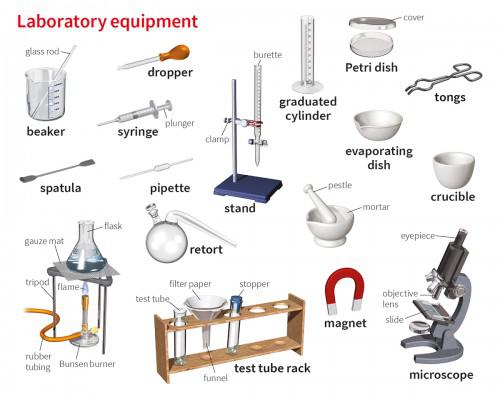
    a room or building used for scientific research, experiments, testing, etc.

    laboratory experiments/tests

    실험실 실험/검사 (silheomsil silheom/geomsa)

    a research laboratory

    유의어labresearch facilitytesting groundworkshop
    반의어fieldoutdoorsnature
  101. 101

    original(adjective)

    /əˈrɪdʒənl/

    원래의, 최초의

    existing at the beginning of a particular period, process or activity

    The original plan was to meet at the park, not the café.

    원래 계획은 카페가 아니라 공원에서 만나는 것이었다.

    유의어authenticgenuineinitialfirstprimaryprototypical
    반의어fakecopyimitationderivativesecondary
  102. 102

    interpretation(noun)

    /ɪnˌtɜːrprəˈteɪʃn/

    해석 (haeseok)

    the particular way in which something is understood or explained

    Her evidence suggests a different interpretation of the events.

    그녀의 증거는 사건에 대한 다른 해석을 제시합니다.

    Her evidence suggests a different interpretation of the events.

    유의어explanationunderstandingconstructionreadingviewanalysisperspective
    반의어misinterpretationmisunderstandingconfusionfactreality
  103. 103

    knowledge(noun)

    /ˈnɑːlɪdʒ/

    지식 (jisik)

    the information, understanding and skills that you gain through education or experience

    There is a lack of knowledge about the tax system.

    세금 제도에 대한 지식이 부족합니다.

    There is a lack of knowledge about the tax system.

    유의어understandingawarenesswisdomexpertiseinformationintelligence
    반의어ignoranceunawarenessnesciencestupidity
  104. 104

    education(noun)

    /ˌedʒuˈkeɪʃn/

    교육 (gyoyuk)

    a process of teaching, training and learning, especially in schools, colleges or universities, to improve knowledge and develop skills

    Every child should receive an education.

    모든 어린이는 교육을 받아야 합니다.

    유의어schoolingtraininginstructionlearningknowledgedevelopmentcultivationupbringing
    반의어ignoranceilliteracyneglectstupidity
  105. 105

    formula(noun)

    /ˈfɔːrmjələ/

    공식 (gongsik)

    a series of letters, numbers or symbols that represent a rule or law

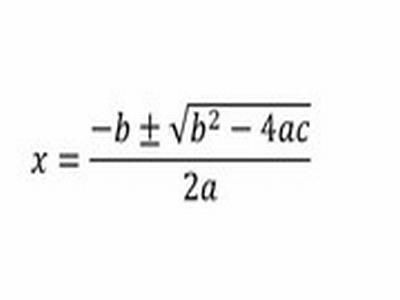
    This formula is used to calculate the area of a circle.

    이 공식은 원의 면적을 계산하는 데 사용됩니다.

    The President was forced into resigning.

    유의어equationexpressionrulemethodrecipeprescription
    반의어guessestimationapproximationrandomnesschance
  106. 106

    conclusion(noun)

    /kənˈkluːʒn/

    결론 (gyeolron)

    something that you decide when you have thought about all the information connected with the situation

    I've come to the conclusion that he's not the right person for the job.

    그가 그 일에 적합한 사람이 아니라는 결론에 도달했습니다.

    We can safely draw some conclusions from our discussion.

    유의어inferencedeductiondeterminationjudgmentresolutionoutcomeendresult
    반의어beginningstartopeningintroductionpremiseassumption
  107. 107

    college(noun)

    /ˈkɑːlɪdʒ/

    대학 (daehak)

    (in the UK) a place where students go to study or to receive training after they have left school

    a college course/library/student

    대학 강좌/도서관/학생 (daehak gangjwa/doseogwan/haksaeng)

    the Royal College of Art

    유의어universityacademyinstitutioninstituteschool
    반의어primary schoolsecondary schoolhigh school
  108. 108

    history(noun)

    /ˈhɪstri/

    역사, 역사학

    the study of past events, especially as a subject at school or university

    My mother is a history teacher.

    우리 어머니는 역사 선생님이시다.

    The area was inhabited long before the dawn of recorded history(= before people wrote about events).

    유의어pastchroniclerecordaccountevents
    반의어future
  109. 109

    academic(adjective)

    /ˌækəˈdemɪk/

    학문적인 (hakmunjeokin)

    connected with education, especially studying in schools and universities

    There are some academic subjects such as maths or science.

    수학이나 과학과 같은 학문적인 과목들이 있습니다. (Suhakina gwahakkwa gateun hakmunjeokin gwamokdeuri itseupnida.)

    The students return in October for the start of the new academic year.

    유의어scholarlyeducationalintellectualpedagogicaltheoretical
    반의어practicalappliednonacademicvocational
  110. 110

    reading(noun)

    /ˈriːdɪŋ/

    독서, 읽기

    the activity of somebody who reads

    Reading is my favourite hobby, especially in the evening.

    독서는 내가 가장 좋아하는 취미이고, 특히 저녁에 즐겨 한다.

    유의어perusalstudyscrutinycomprehension
    반의어writingilliteracy
  111. 111

    principle(noun)

    /ˈprɪnsəpl/

    원칙 (wonchik)

    a moral rule or a strong belief that influences your actions

    He doesn't invest in the arms industry on principle.

    그는 원칙적으로 군수 산업에 투자하지 않습니다.

    I refuse to lie about it; it's against my principles.

    유의어beliefstandardmoralityethicsruletenetdoctrineprecept
    반의어expediencypragmatismimmoralityunscrupulousnessflexibilitycompromise
  112. 112

    read(verb)

    /riːd/

    읽다 (ilkda)

    to look at and understand the meaning of written or printed words or symbols

    I read every day.

    나는 매일 읽는다. (Naneun maeil ilkneunda.)

    Can you read music?

    유의어perusestudyscanbrowsedecipherinterpret
    반의어writeignoreneglectskim
  113. 113

    science(noun)

    /ˈsaɪəns/

    과학 (gwahak)

    knowledge about the structure and behaviour of the natural and physical world, based on facts that you can prove, for example by experiments

    new developments in science and technology

    과학 기술의 새로운 발전

    the laws of science

    유의어academicsknowledgeresearchstudyscientific knowledge
    반의어arthumanitiespseudosciencesuperstition
  114. 114

    class(noun)

    /klæs/

    반 (ban)

    a group of students who are taught together

    My class has 25 students.

    우리 반은 학생이 25명입니다. (Uri baneun haksaengi 25myeongimnida.)

    He came top of the class.

    유의어lessoncoursegroupcategorysortkind
    반의어individualoneseparate
  115. 115

    analyse(verb)

    /ˈænəlaɪz/

    분석하다 (bunseokhada)

    to examine the nature or structure of something, especially by separating it into its parts, in order to understand or explain it

    He tried to analyse his feelings.

    그는 자신의 감정을 분석하려고 노력했다.

    The job involves gathering and analysing data.

    유의어examineinvestigatestudyscrutinizeevaluateassessinterpretdeconstruct
    반의어synthesizeunitecombinegeneralizeignoreoverlook
  116. 116

    educated(adjective)

    /ˈedʒukeɪtɪd/

    교양 있는, 교육받은

    having received a high standard of education

    She is a highly educated woman who speaks four languages fluently.

    그녀는 4개 국어를 유창하게 구사하는 고학력 여성이다.

    유의어learnedknowledgeablescholarlyculturedwell-readtutoredinstructed
    반의어uneducatedignorantilliterateuntaughtunschooled
  117. 117

    enquiry(noun)

    /ˈɪnkwəri/

    문의, 질문

    a request for information about somebody or something; a question

    The office received hundreds of enquiries about the new English course.

    사무실에는 새로운 영어 강좌에 대한 문의가 수백 건 들어왔다.

    유의어investigationprobeexaminationinquiryquestioningreview
    반의어answersolutionignoranceneglect
  118. 118

    know(verb)

    /nəʊ/

    알다 (alda)

    to have information in your mind as a result of experience or because you have learned or been told it

    I know of at least two people who did the same thing.

    나는 똑같은 일을 한 최소 두 명의 사람을 안다. (Naneun ttokgateun ireul han choeso du myeongui sarameul anda.)

    I knew where he was hiding.

    유의어understandrecognizecomprehendperceivebe awarebe familiar with
    반의어misunderstandignoreoverlookbe ignorantdoubt
  119. 119

    practise(verb)

    /ˈpræktɪs/

    연습하다

    to do an activity or train regularly so that you can improve your skill

    You need to practise playing ball every day.

    당신은 매일 공놀이하는 것을 연습해야 합니다.

    I've been practising my serve for weeks.

    유의어exercisetrainrehearsedrillwork athonepolish
    반의어neglectignoreforgetdisregard
  120. 120

    homework(noun)

    /ˈhəʊmwɜːrk/

    숙제 (sukje)

    work that is given by teachers for students to do at home

    Why don't you do your homework?

    왜 숙제를 안 해? (wae sukjeleul an hae?)

    How much homework do you get?

    유의어assignmentschoolworklessonexercise
    반의어recreationleisurefunbreak
  121. 121

    secondary(adjective)

    /ˈsekənderi/

    중등의, 중등교육의

    connected with teaching children of 11–18 years

    My sister teaches English at a secondary school in Hanoi.

    우리 언니는 하노이의 중등학교에서 영어를 가르친다.

    유의어subordinateminorlesserlowerinferioraccessoryancillary
    반의어primarymainchiefprincipalmajorimportantessential
  122. 122

    learn(verb)

    /lɜːrn/

    배우다 (bae-u-da)

    to gain knowledge or skill by studying, from experience, from being taught, etc.

    She is learning to play the piano.

    그녀는 피아노 치는 것을 배우고 있어요. (geunyeoneun piano chineun geoseul baeugo isseoyo.)

    Today we learnt how to use the new software.

    유의어acquiregraspmasterunderstandstudydiscoverfind out
    반의어forgetmisunderstandunlearnignore
  123. 123

    Presentation(noun)

    /ˌpriːznˈteɪʃn/

    발표 (balpyo)

    a meeting at which something, especially a new product or idea, or piece of work, is shown to a group of people

    There’s a presentation in the meeting room.

    회의실에 발표가 있습니다.

    유의어talklecturespeechdemonstrationperformanceshowing
    반의어silenceabsenceconcealmenthiding
  124. 124

    curriculum(noun)

    /kəˈrɪkjələm/

    교육과정

    the subjects that are included in a course of study or taught in a school, college, etc.

    Music and arts should be added to the school curriculum.

    음악과 예술은 학교 교육과정에 추가되어야 합니다.

    유의어syllabuscourse of studyprogrammodulessubjects
    반의어extracurricularoptional activities
  125. 125

    solution(noun)

    /səˈluːʃn/

    해결책 (haegyeolchaek)

    a way of solving a problem or dealing with a difficult situation

    The solution is simple: you need to spend less money.

    해결책은 간단합니다. 돈을 덜 써야 합니다.

    유의어answerresolutionremedyfixkeyway out
    반의어problemdifficultyobstaclecomplication
  126. 126

    exploration(noun)

    /ˌekspləˈreɪʃn/

    탐험, 탐사

    the act of travelling through a place in order to find out about it or look for something in it

    The aim is to pay more attention to the human factor of space exploration.

    그 목표는 우주 탐사의 인적 요소에 더 많은 관심을 기울이는 것이다.

    유의어discoveryinvestigationresearchsurveyquestprobereconnaissance
    반의어neglectignorancestagnationinactivity
  127. 127

    thesis(noun)

    /ˈθiːsɪs/

    논문 (nonmun)

    a long piece of writing completed by a student as part of a university degree, based on their own research

    Students must submit a thesis on an agreed subject within four years.

    학생들은 합의된 주제에 대한 논문을 4년 이내에 제출해야 합니다.

    유의어dissertationpapertreatisestudyargumenthypothesisproposition
    반의어facttruthreality
  128. 128

    classify(verb)

    /ˈklæsɪfaɪ/

    분류하다

    to arrange something in groups according to features that they have in common

    The books in the library are classified by subject.

    도서관의 책들은 주제별로 분류되어 있습니다.

    유의어categorizearrangegroupsortorderlabelindex
    반의어disarrangemixjumbleconfuserandomize
  129. 129

    enrol(verb)

    /ɪnˈrəʊl/

    등록하다

    to arrange for yourself or for somebody else to officially join a course, school, etc.

    You need to enrol before the end of August.

    8월 말까지 등록해야 합니다.

    유의어registersign upjoinlistrecord
    반의어cancelwithdrawdrop outleave
  130. 130

    classroom(noun)

    /ˈklæsruːm/

    교실 (gyosil)

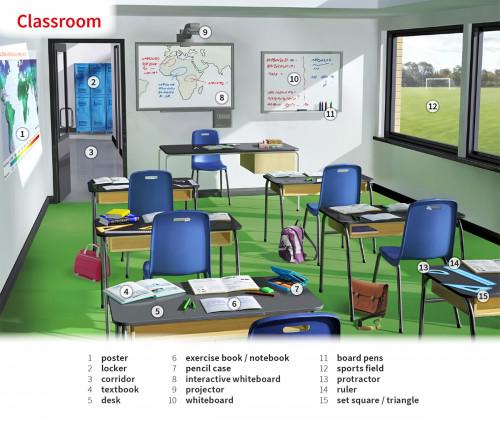
    a room where a class of children or students is taught

    That is my classroom.

    저기는 내 교실이야. (Jeogineun nae gyosiriya.)

    유의어schoolroomclasslecture hall
    반의어hallwayoutsideoffice
  131. 131

    notebook(noun)

    /ˈnəʊtbʊk/

    공책

    a small book of plain paper for writing notes in

    My mother is buying me a notebook.

    어머니가 저에게 공책을 사주고 계십니다.

    유의어paddiaryjournalmemo padwriting padexercise book
    반의어computertabletdesktopnothing
  132. 132

    principal(noun)

    /ˈprɪnsəpl/

    교장

    the person who is in charge of a school or college

    I presented an action plan to the school principal when I was at the meeting.

    나는 회의에 참석했을 때 학교 교장 선생님께 실행 계획을 발표했다.

    유의어headmasterheadmistressdirectorchiefleadermanager
    반의어subordinatefollowerstudentemployee
  133. 133

    questionnaire(noun)

    /ˌkwestʃəˈner/

    설문지

    a written list of questions that people answer to give information for a study

    Please keep the questionnaire short so people finish it.

    사람들이 끝까지 응답하도록 설문지를 짧게 만들어 주세요.

    Each shopper received a questionnaire at the checkout.

    유의어surveyformpollinquiryassessment
    반의어answerresponse
  134. 134

    clue(noun)

    /kluː/

    단서, 실마리, 힌트

    a piece of information or an object that helps you find the answer to a question, problem or mystery

    He gave me some clues to answer his question.

    그는 내 질문에 답할 수 있도록 몇 가지 힌트를 주었다.

    유의어hintindicationsuggestionsigntraceevidencelead
    반의어certaintyproofanswersolution
  135. 135

    academy(noun)

    /əˈkædəmi/

    학원, 전문 학교

    a school or college for special training

    He has just graduated from the Military Academy.

    그는 얼마 전에 사관학교를 졸업했다.

    유의어schoolinstitutecollegeinstitutionseminary
    반의어disorganizationchaoslawlessness
  136. 136

    campus(noun)

    /ˈkæmpəs/

    캠퍼스

    the buildings of a university or college and the land around them

    We often go for a walk around the school campus when we feel tired after lessons.

    우리는 수업 후에 피곤함을 느낄 때 학교 캠퍼스 주변을 산책하러 갑니다.

    유의어groundsprecinctsquadranglesite
    반의어N/A (no direct antonym)
  137. 137

    prediction(noun)

    /prɪˈdɪkʃn/

    예측 (yechuk)

    a statement that says what you think will happen; the act of making such a statement

    A prediction that economic growth would resume has been made.

    경제 성장이 재개될 것이라는 예측이 나왔다.

    유의어forecastprognosisprojectionguessestimateanticipationexpectation
    반의어factcertaintyknowledgerecollectionhindsight
  138. 138

    scholar(noun)

    /ˈskɑːlər/

    학자 (hakja)

    a person who knows a lot about a particular subject because they have studied it in detail

    Many kings and scholars worked to develop the university.

    많은 왕들과 학자들이 대학을 발전시키기 위해 노력했습니다.

    유의어academicintellectualpunditeggheadsageexpert
    반의어ignoramusnoviceamateurlayman
  139. 139

    classification(noun)

    /ˌklæsɪfɪˈkeɪʃn/

    분류 (bunlyu)

    the act or process of putting people or things into a group or class (= of classifying them)

    My classification of stamps is based on the regions they come from.

    제 우표 분류는 우표가 나온 지역을 기준으로 합니다.

    유의어categorizationgroupingarrangementsortinggradingsystematization
    반의어disorganizationrandomnesschaosdisorder
  140. 140

    admission(noun)

    /ədˈmɪʃn/

    입학, 입학 허가, 가입

    the act of accepting somebody into an institution, organization, etc.; the right to enter a place or to join an institution or organization

    She has applied for admission to a university in Hanoi.

    그녀는 하노이에 있는 한 대학교에 입학 지원을 했다.

    유의어confessionacknowledgmentconfessionavowaldeclarationdisclosureconcession
    반의어denialrejectionrefusaldisavowalrepudiation
  141. 141

    researcher(noun)

    /ˈriːsɜːrtʃər/

    연구원 (yeon-gu-won)

    a person who studies something carefully and tries to discover new facts about it

    The researcher published their findings in a scientific journal.

    그 연구원은 과학 학술지에 연구 결과를 발표했습니다. (geu yeon-gu-won-eun gwahak hak-suljie yeon-gu gyeol-gwa-reul bal-pyo-haet-seup-ni-da.)

    유의어investigatorscientistscholaranalystexaminer
    반의어laymanamateurnovicebeginner
  142. 142

    analysis(noun)

    /əˈnæləsɪs/

    분석 (bunseok)

    the detailed study or examination of something in order to understand more about it; the result of the study

    The analysis of the data revealed a surprising trend.

    데이터 분석 결과 놀라운 추세가 드러났습니다.

    유의어breakdownexaminationinvestigationstudyevaluation
    반의어synthesiscombinationwholeignorance
  143. 143

    assessment(noun)

    /əˈsesmənt/

    평가, 판단

    an opinion or a judgement about somebody/something that has been thought about very carefully

    The teacher's assessment of my essay was fair and very helpful.

    내 에세이에 대한 선생님의 평가는 공정했고 매우 도움이 되었다.

    유의어evaluationappraisalreviewtestanalysis
    반의어disregardneglectignorance
  144. 144

    biography(noun)

    /baɪˈɑːɡrəfi/

    전기 (jeon-gi)

    the story of a person’s life written by somebody else; this type of writing

    The biography detailed her early life and career.

    그 전기에는 그녀의 어린 시절과 경력이 자세히 기록되어 있었다. (geu jeon-gi-eneun geunyeoui eorin sijeol-gwa gyeongnyeok-i jasehi girokdoe-eo isseotda.)

    유의어life storyprofilememoiraccountchronicle
    반의어anonymityobscurity
  145. 145

    chapter(noun)

    /ˈtʃæptər/

    장 (jang)

    a separate section of a book, usually with a number or title

    I read the first chapter of the book.

    나는 그 책의 첫 번째 장을 읽었다. (Naneun geu chaegui cheot beonjjae jangeul ilgeotda.)

    유의어sectionepisodepartdivision
    반의어wholeentirety
  146. 146

    cite(verb)

    /saɪt/

    인용하다

    to mention something as a reason or an example, or in order to support what you are saying

    The author had to cite his sources.

    저자는 자신의 출처를 인용해야 했습니다.

    유의어quotereferencementionrefer toname
    반의어ignoreomitplagiarizedisregard
  147. 147

    critic(noun)

    /ˈkrɪtɪk/

    비평가 (bipyeongga)

    a person who expresses opinions about the good and bad qualities of books, music, etc.

    The film critic gave the movie a scathing review.

    영화 평론가는 그 영화에 혹평을 내렸다.

    유의어reviewerevaluatorjudgecommentator
    반의어supporteradvocatefanbooster
  148. 148

    critique(noun)

    /krɪˈtiːk/

    비평

    a piece of written criticism of a set of ideas, a work of art, etc.

    The art critic offered a sharp critique of the painting.

    미술 평론가는 그 그림에 대해 날카로운 비평을 제공했다.

    유의어criticismreviewassessmentevaluationanalysis
    반의어praisecomplimentendorsementapproval
  149. 149

    diagram(noun)

    /ˈdaɪəɡræm/

    도표, 도해, 다이어그램

    a simple drawing using lines to explain where something is, how something works, etc.

    The engineer drew a diagram to explain the system.

    기술자는 시스템을 설명하기 위해 도해를 그렸다.

    유의어chartfiguredrawingrepresentationsketch
    반의어disorganizationchaosconfusion
  150. 150

    educational(adjective)

    /ˌedʒuˈkeɪʃənl/

    교육적인

    connected with education

    The museum offers educational programs for children.

    박물관은 어린이를 위한 교육 프로그램을 제공합니다.

    유의어instructiveinformativeenlighteningacademic
    반의어uninstructiveuninformativenoneducational
  151. 151

    educator(noun)

    /ˈedʒukeɪtər/

    교육자

    a person whose job is to teach or educate people

    The educator inspired her students to pursue higher education.

    그 교육자는 학생들에게 고등 교육을 추구하도록 영감을 주었습니다.

    유의어teacherinstructormentortrainer
    반의어studentlearner
  152. 152

    elementary(adjective)

    /ˌelɪˈmentri/

    기초적인

    in or connected with the first stages of a course of study

    The course covers elementary mathematics.

    그 강좌는 기초 수학을 다룹니다.

    유의어basicfundamentalintroductory
    반의어advancedcomplexdifficult
  153. 153

    enquire(verb)

    /ɪnˈkwaɪər/

    문의하다

    to ask somebody for some information

    I need to enquire about the train schedule.

    기차 시간표에 대해 문의해야 합니다.

    유의어askquestionqueryinvestigate
    반의어answerreply
  154. 154

    formulate(verb)

    /ˈfɔːrmjuleɪt/

    만들다

    to create or prepare something carefully, giving particular attention to the details

    The scientists formulated a new hypothesis.

    과학자들은 새로운 가설을 만들었습니다.

    유의어createdevisedevelopdesign
    반의어destroydisarrangeruin
  155. 155

    graduate(noun)

    /ˈɡrædʒuət/

    대졸자, 졸업생, 학사

    a person who has a university degree

    She is a graduate of Hanoi University and now works as a teacher.

    그녀는 하노이 대학교 졸업생이며 현재 교사로 일하고 있다.

    유의어finishcompletepassqualify
    반의어faildrop out
  156. 156

    hypothesis(noun)

    /haɪˈpɑːθəsɪs/

    가설

    an idea or explanation of something that is based on a few known facts but that has not yet been proved to be true or correct

    The scientist proposed a hypothesis to explain the data.

    과학자는 데이터를 설명하기 위해 가설을 제시했습니다.

    유의어theoryconjecturesuppositionguess
    반의어factcertaintyprooftruth
  157. 157

    illustration(noun)

    /ˌɪləˈstreɪʃn/

    삽화

    a drawing or picture in a book, magazine, for decoration or to explain something

    The book contained a colorful illustration on each page.

    그 책에는 각 페이지마다 다채로운 삽화가 들어 있었다.

    유의어drawingpictureimagefigurediagram
    반의어textdescriptionabstraction
  158. 158

    instruct(verb)

    /ɪnˈstrʌkt/

    지시하다, 명령하다

    to tell somebody to do something, especially in a formal or official way

    The teacher instructed the students to open their books to page ten.

    선생님은 학생들에게 책 10쪽을 펴라고 지시했다.

    유의어teachguidetraineducatedirect
    반의어misleadmisinformneglect
  159. 159

    instructor(noun)

    /ɪnˈstrʌktər/

    강사

    a person whose job is to teach somebody a practical skill or sport

    The instructor explained the complex concepts clearly.

    강사는 복잡한 개념을 명확하게 설명했습니다.

    유의어teachereducatortrainercoach
    반의어studentlearner
  160. 160

    intermediate(adjective)

    /ˌɪntərˈmiːdiət/

    중급의, 중간의

    having more than a basic knowledge of something but not yet at an advanced level

    This course is designed for intermediate learners.

    이 강좌는 중급 학습자를 위해 마련되었다.

    유의어middleaveragemid-levelin-between
    반의어advancedbeginnerexpert
  161. 161

    lab(noun)

    /læb/

    연구실

    a laboratory

    The scientist works in the lab.

    과학자는 연구실에서 일합니다.

    유의어laboratoryworkshop
    반의어outsidefield
  162. 162

    learning(noun)

    /ˈlɜːrnɪŋ/

    학습

    the process of learning something

    Learning is a continuous process.

    학습은 지속적인 과정입니다.

    유의어educationstudyingacquisitiondevelopment
    반의어forgettingignoranceunlearning
  163. 163

    listener(noun)

    /ˈlɪsənər/

    청취자

    a person who listens

    She is a good listener.

    그녀는 좋은 청취자입니다.

    유의어hearerobserverattendee
    반의어speakertalker
  164. 164

    literacy(noun)

    /ˈlɪtərəsi/

    읽고 쓰는 능력

    the ability to read and write

    Literacy is essential for success in modern society.

    읽고 쓰는 능력은 현대 사회에서 성공하는 데 필수적입니다.

    유의어educationreading abilitywriting abilitycomprehension
    반의어illiteracyignorance
  165. 165

    maths(noun)

    /mæθs/

    수학

    mathematics, especially as a subject in school

    I have a maths lesson tomorrow.

    내일 수학 수업이 있습니다.

    유의어mathematicsarithmeticcalculation
    반의어humanitiesartsliterature
  166. 166

    methodology(noun)

    /ˌmeθəˈdɑːlədʒi/

    방법론

    a set of methods and principles used to perform a particular activity

    The methodology used in this study was flawed.

    이 연구에 사용된 방법론은 결함이 있었습니다.

    유의어procedureapproachsystemtechniqueprocess
    반의어disorganizationchaosunsystematic
  167. 167

    nursery(noun)

    /ˈnɜːrsəri/

    어린이집

    a place where young children are cared for while their parents are at work; a day nursery or nursery school

    The baby attends the nursery every day.

    아기는 매일 어린이집에 다닙니다.

    유의어daycarecrecheplaygroupkindergarten
    반의어homefamily
  168. 168

    paragraph(noun)

    /ˈpærəɡræf/

    단락

    a section of a piece of writing, usually consisting of several sentences dealing with a single subject. The first sentence of a paragraph starts on a new line.


    The essay was divided into several paragraphs.

    에세이는 여러 단락으로 나뉘어 있었습니다.

    유의어sectionpassageportion
    반의어wholeentirety
  169. 169

    preliminary(adjective)

    /prɪˈlɪmɪneri/

    예비의

    happening before a more important action or event

    The preliminary results suggest the experiment was successful.

    예비 결과는 실험이 성공적이었음을 시사합니다.

    유의어initialintroductoryprimaryearly
    반의어finalconclusivedefinitive
  170. 170

    quotation(noun)

    /kwəʊˈteɪʃn/

    인용구

    a group of words or a short piece of writing taken from a book, play, speech, etc. and repeated because it is interesting or useful

    The book begins with a quotation from Shakespeare.
    그 책은 셰익스피어의 인용구로 시작합니다.

    유의어excerptquotecitationpassage
    반의어originalsource
  171. 171

    scholarship(noun)

    /ˈskɑːlərʃɪp/

    장학금 (janghakgeum)

    an amount of money given to somebody by an organization to help pay for their education

    She received a scholarship to attend university.

    그녀는 대학에 다니기 위해 장학금을 받았습니다.

    유의어fellowshipgrantbursaryawardfunding
    반의어repaymentdebtobligation
  172. 172

    seminar(noun)

    /ˈsemɪnɑːr/

    세미나

    a class at a university or college when a small group of students and a teacher discuss or study a particular topic

    I attended a seminar on climate change.

    기후 변화에 대한 세미나에 참석했습니다.

    유의어conferenceworkshopsymposiumlecture
    반의어none
  173. 173

    textbook(noun)

    /ˈtekstbʊk/

    교과서

    a book that teaches a particular subject and that is used especially in schools and colleges

    The professor assigned readings from the textbook.

    교수는 교과서에서 읽을거리를 할당했습니다.

    유의어coursebookmanualreader
    반의어novelstorybook
  174. 174

    tuition(noun)

    /tuˈɪʃn/

    수업, 교습

    the act of teaching something, especially to one person or to people in small groups

    She receives private tuition in maths twice a week.

    그녀는 일주일에 두 번 수학 개인 교습을 받는다.

    유의어feesinstruction costschooling cost
    반의어free educationscholarship
  175. 175

    undergraduate(noun)

    /ˌʌndərˈɡrædʒuət/

    학부생

    a university or college student who is studying for their first degree

    She is an undergraduate student at Harvard.

    그녀는 하버드 대학교 학부생입니다.

    유의어college studentstudent
    반의어graduatepostgraduatealumnus
  176. 176

    verse(noun)

    /vɜːrs/

    운문

    writing that is arranged in lines, often with a regular rhythm or pattern of rhyme

    The poem was written in free verse.

    그 시는 자유시로 쓰여졌다.

    유의어stanzapoetryrhymeline
    반의어prose
  177. 177

    correctly(adverb)

    /kəˈrektli/

    정확히

    in a way that is accurate or true, without any mistakes

    He answered the question correctly.

    그는 그 질문에 정확히 대답했다.

    유의어accuratelypreciselyrightlyproperly
    반의어incorrectlywronglyinaccurately
  178. 178

    failed(adjective)

    /feɪld/

    실패한, 불합격의

    not successful

    After two failed attempts, she finally passed her driving test.

    두 번 실패한 끝에 그녀는 마침내 운전면허 시험에 합격했다.

    유의어unsuccessfuldefeatedcollapsed
    반의어successfulsucceededachieved
  179. 179

    sublist(noun)

    /ˈsʌblɪst/

    a list that includes some of the items from a longer list

    The list is made up of five sublists, each containing 200 items.

  180. 180

    present(verb)

    /ˈpreznt/

    제시하다, 제출하다, 발표하다

    to show or offer something for other people to look at or consider

    Applicants should present their qualifications clearly and confidently during the interview.

    지원자들은 면접 중에 자신의 자격 요건을 명확하고 자신 있게 제시해야 한다.

  181. 181

    exercise(noun)

    /ˈeksərsaɪz/

    연습문제, 과제

    a set of questions in a book or a task that helps students practise what they have learned

    Please do the grammar exercises on page twenty for homework.

    숙제로 20쪽에 있는 문법 연습문제를 풀어 오세요.

  182. 182

    degree(noun)

    /dɪˈɡriː/

    학위

    a qualification given by a university or college after a course of study

    I have a master's degree in English.

    저는 영어 석사 학위를 가지고 있습니다.

  183. 183

    term(noun)

    /tɜːrm/

    학기

    one of the periods of time into which the school or university year is divided

    The main exams are at the end of the summer term.

    주요 시험은 여름 학기 말에 있다.

  184. 184

    type(verb)

    /taɪp/

    타자 치다, 입력하다

    to write something using a keyboard on a computer or typewriter

    Has that report been typed up yet?

    그 보고서는 벌써 타자로 작성되었나요?

  185. 185

    fail(verb)

    /feɪl/

    낙제하다, 떨어지다

    to not pass a test or an exam

    He failed his driving test twice before he finally passed it.

    그는 운전면허 시험에 두 번 떨어진 끝에 마침내 합격했다.

  186. 186

    thread(noun)

    /θred/

    맥락, 줄거리

    an idea or feature that connects the different parts of an argument, a story, a talk, etc.

    I lost the thread of the lecture when the teacher changed the topic.

    선생님이 주제를 바꾸셨을 때 나는 강의의 맥락을 놓쳤다.

  187. 187

    passage(noun)

    /ˈpæsɪdʒ/

    구절, 대목, 발췌문

    a short section from a book, piece of music, etc.

    I always have difficulties reading long passages.

    나는 긴 글을 읽는 데 늘 어려움을 겪는다.

  188. 188

    reference(noun)

    /ˈrefrəns/

    추천서, 신원 보증서

    a letter written by somebody who knows you, giving information about your character and abilities, especially to a new employer

    I can send two references from my teachers.

    저는 선생님들께 받은 추천서 두 통을 보내드릴 수 있습니다.