레슨 42/50 · 14단어 · 외운 단어 0
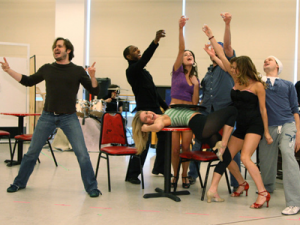
Theater
극장
행동, 조치
the process of doing something in order to make something happen or to deal with a situation
We must take action now to protect the forests and the animals.
숲과 동물들을 보호하기 위해 우리는 지금 당장 행동에 나서야 한다.
유의어deedactivityperformancemovementinitiative반의어inactioninactivitypassivityrestraint접근법, 방식
a way of dealing with somebody/something; a way of doing or thinking about something such as a problem or a task
We need a completely new approach to solving this problem.
우리는 이 문제를 해결하기 위한 완전히 새로운 접근법이 필요하다.
유의어nearadvancecome closeapproximateaccessmethodway반의어retreatrecedeavoiddepartdistance관객 (gwan-gaek)
the group of people who have gathered to watch or listen to something (a play, concert, somebody speaking, etc.)
The audience cheered the actors as they walked off the stage
관객들은 배우들이 무대에서 내려올 때 환호성을 질렀다 (gwan-gaek-deul-eun bae-u-deul-i mudae-eseo naeryeo-ol ttae hwanho-seong-eul jilleotda)
The playwright expanded his audience by writing for film as well as for stage
유의어spectatorslistenersviewersattendeeshouse반의어performerparticipantspeaker창의적인 (chang-uijeogin)
involving the use of skill and the imagination to produce something new or a work of art
The writer's creative representation of the Seven Deadly Sins was astounding
작가의 칠대 죄악에 대한 창의적인 표현은 놀라웠다.
There are a number of creative people writing for the theater these days
유의어imaginativeinnovativeoriginalingeniousinventive반의어unimaginativeuninspiredordinaryconventionaluncreative대화 (daehwa)
a conversation in a book, play or film or in language teaching materials
The actors performed the dialogue without using scripts
배우들은 대본 없이 대화를 연기했다.
The written dialogue seemed great, but was hard to perform
유의어conversationcommunicationexchangediscoursetalkinterview반의어monologuesoliloquysilence요소 (yoso)
a necessary or typical part of something; one of several parts that something contains
The audience is an essential element of live theater
관객은 라이브 극장의 필수 요소입니다.
By putting togetther all the elements of theater into one play, he overwhelmed the critics
유의어componentpartfactoringredientaspect반의어wholeentityentirety경험, 경력
the knowledge and skill that you have gained through doing something for a period of time; the process of gaining this
She has five years of experience in teaching English to children.
그녀는 아이들에게 영어를 가르친 경력이 5년이다.
유의어encounterknowledgepracticefeelingsensationbackgroundinvolvement반의어inexperienceignoranceunfamiliarity공연하다 (gongyeonhada)
to entertain an audience by playing a piece of music, acting in a play, etc.
The theater group performed a three-act play
극단은 3막극을 공연했다. (geukdaneun sammakgeugeul gongyeonhaetda.)
Juan performed the role without forgetting any lines
유의어executeenactrenderaccomplishachievepresentstageplay반의어failneglectabandonhaltstop평론, 비평, 리뷰
a report in a newspaper or magazine, or on the internet, television or radio, in which somebody gives their opinion of a book, play, film, product, etc.; the act of writing this kind of report
The new film received excellent reviews from most critics.
그 신작 영화는 대부분의 평론가들로부터 훌륭하다는 평가를 받았다.
유의어assessmentevaluationinspectionstudyanalysisexamination반의어neglectdisregardoverlookignore