레슨 7/16 · 34단어 · 외운 단어 0
Lesson 7: YOUR HOUSE
7과: 너의 집
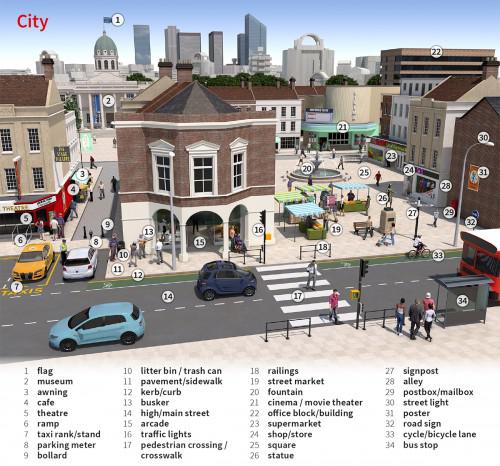
시장, 장
an occasion when people buy and sell goods; the open area or building where they meet to do this
My mother buys fresh vegetables and fruit at the market every Sunday morning.
어머니는 매주 일요일 아침 시장에서 신선한 채소와 과일을 사신다.
유의어marketplacedemandclienteleexchangetradeoutlet반의어nonmarketindividual saleseclusion설명 (seolmyeong)
a piece of writing or speech that says what somebody/something is like; the act of writing or saying in words what somebody/something is like
The description of the film did not match what we saw on screen
영화에 대한 설명은 우리가 화면에서 본 것과 일치하지 않았습니다.
The critic's description of the film made it sound very appealing
유의어accountdepictionportrayalrepresentationnarrativeexplanation반의어concealmentdistortionmisrepresentationambiguity묘사하다 (myosahada)
to say what somebody/something is like
Can you describe your house?
당신은 당신의 집을 묘사할 수 있습니까? (dangshineun dangsinui jibeul myosahal su issseumnikka?)
Jim was described by his colleagues as ‘unusual’.
유의어portraydepictdetailexplainoutlinecharacterizeillustraterepresent반의어concealhideobscuremisrepresentdistortconfuse걷다 (geotda)
to move or go somewhere by putting one foot in front of the other on the ground, but without running
I often walk to school.
저는 학교에 자주 걸어갑니다. (Jeoneun hakgyoe jaju georeo gamnida.)
The door opened and Jo walked in.
유의어strollamblepacehiketreadmarchsaunter반의어runsprintridedriveflystay은행 (eunhaeng)
an organization that provides various financial services, for example keeping or lending money
There is only one bank in this town.
이 마을에는 은행이 하나밖에 없습니다.
I need to go to the bank (= the local office of a bank).
유의어financial institutioncredit unionsavings and loandepositorytrust company반의어debtinsolvencybankruptcy차 (cha)
a road vehicle with an engine and four wheels that can carry a small number of passengers
You might want to rent a car when you go on vacation.
휴가를 갈 때 차를 렌트하는 것이 좋을 수도 있습니다. (hyugareul gal ttae chareul renteuhaneun geosi joeul sudo itseumnida.)
유의어automobilevehicle반의어nonefootbike시간 (sigan)
60 minutes; one of the 24 parts that a day is divided into
I can learn to play chess in an hour.
저는 한 시간 안에 체스 두는 법을 배울 수 있어요. (Jeoneun han sigan ane cheseu duneun beobeul baeul su isseoyo.)
It will take about an hour to get there.
유의어timeperioddurationmoment반의어instantmomenteternity정원 (jeong-won)
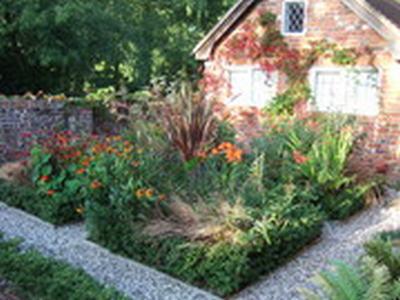
a piece of land next to or around your house where you can grow flowers, fruit, vegetables, etc., usually with a lawn (= an area of grass)
The children are playing in the garden.
아이들이 정원에서 놀고 있어요.
a front/back garden
유의어groundsyardplotpatchgreenery반의어concretedesertwastelandinsidebuilding편지 (pyeonji)
a written, typed or printed message that is put in an envelope or attached to an email and sent to somebody
Do you often write letters to your friends?
친구들에게 편지를 자주 쓰세요? (Chingu-deul-ege pyeonji-reul jaju sseuseyo?)
There's a letter for you from your mother.
유의어missivenotemessagecorrespondencecommunication반의어phone callemailtext messageconversationin-person meeting조용한 (joyonghan)
making very little noise
Nick likes living in the rural areas because they are usually quiet and peaceful.
닉은 시골 지역에 사는 것을 좋아한다. 왜냐하면 보통 조용하고 평화롭기 때문이다.
He went very quiet(= did not say much) so I knew he was upset.
유의어silentpeacefulcalmtranquilhushedstillserene반의어noisyloudboisterousrowdyturbulentstormy사진 (sajin)
a picture that is made by using a camera that stores images in digital form or that has a film sensitive to light inside it
Do you want to take a photograph?
사진 찍고 싶으세요? (Sajin jjigeo sipeuseyo?)
She refused to be photographed nude.
유의어picturesnapshotimage반의어drawingsketchpainting우체국 (ucheguk)
a place where you can buy stamps, send letters, etc.
I went to the post office to post some letters
편지를 부치러 우체국에 갔어요. (pyeonjireul buchilheo ucheguge gasseoyo.)
Can you show me the way to the post office?
유의어mail centerpostal stationmailroom (in some contexts)반의어none (no direct antonym; opposites would be related to receiving mail at home or business)그림, 사진
a painting or drawing, etc. that shows a scene, a person or thing
There is a picture of flowers on the wall.
벽에 꽃 그림이 한 점 걸려 있다.
She wanted a famous artist to paint her picture(= a picture of herself).
유의어imagephotographillustrationdrawingportraitrepresentation반의어realityactualityoriginal기차
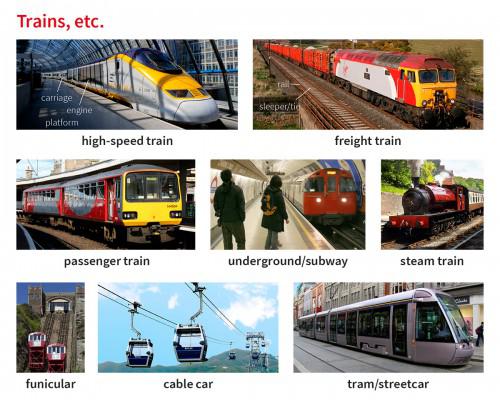
a number of connected coaches or trucks, pulled by an engine or powered by a motor in each one, taking people and goods from one place to another
I like riding on trains. It's a very relaxing way to travel.
저는 기차 타는 것을 좋아합니다. 그것은 매우 편안한 여행 방법입니다.
유의어railroad carrailcarlocomotivecar반의어automobileplanebusship사진 (sajin)
a picture that is made by using a camera that stores images in digital form or that has a film sensitive to light inside it
This is a photo of my parents.
이것은 우리 부모님 사진입니다. (Igeoseun uri bumonim sajinde입니다.)
a colour/black-and-white photo
유의어picturesnapshotimageshotprint반의어drawingsketchpainting여행 (yeohaeng)
to go from one place to another, especially over a long distance
How often do you travel abroad?
해외여행은 얼마나 자주 가세요? (haeoe yeohaeng-eun eolmana jaju gaseyo?)
The job involves a considerable amount of foreign travel.
유의어journeytourvoyageroamexplorecommute반의어stayremainsettledwell버스
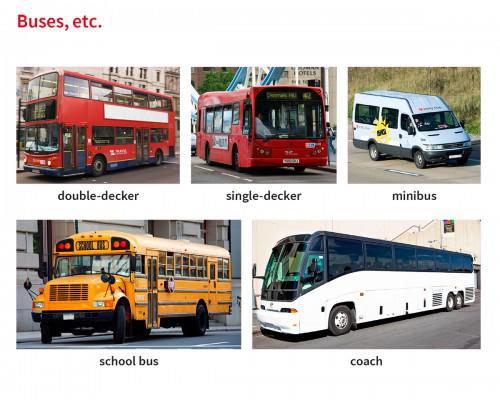
a large road vehicle that carries passengers, especially one that travels along a fixed route and stops regularly to let people get on and off
You can catch a bus for Seattle at the bus station.
버스 정류장에서 시애틀행 버스를 탈 수 있습니다.
Shall we walk or go by bus?
유의어motorbuscoachdouble-deckerminibuspublic transport반의어cartaxiprivate vehicle슈퍼마켓 (syupeomaket)
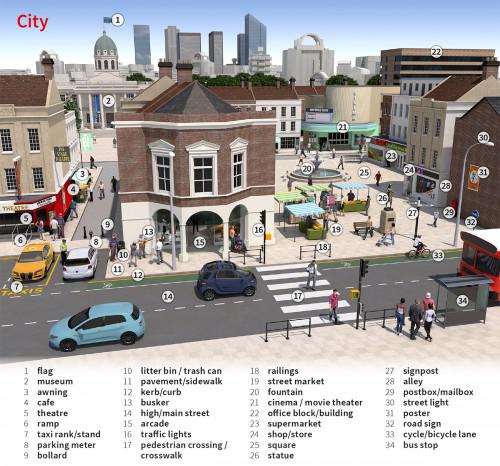
a large shop that sells food, drinks and goods used in the home. People choose what they want from the shelves and pay for it as they leave.
This is Big C supermarket.
여기는 빅C 슈퍼마켓입니다. (Yeogineun Big C syupeomakesimnida.)
storm damage
유의어grocery storemarketfood store반의어mom-and-pop shopconvenience storespecialty store의원, 클리닉, 외래 진료실
a place, often part of a hospital, where outpatients are examined, advised or treated
She attends the diabetes clinic every three months for a check-up.
그녀는 검진을 위해 3개월마다 당뇨병 클리닉을 방문한다.
The private clinic opens early so workers can be examined before their shift.
유의어medical centerhealth centersurgerydoctor's officeinfirmary반의어hospitalemergency room동물원 (dongmulwon)
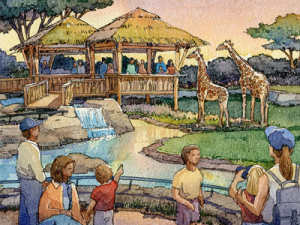
a place where many kinds of wild animals are kept for the public to see and where they are studied, bred (= kept in order to produce young) and protected
There are many kinds of animals in this zoo.
이 동물원에는 많은 종류의 동물들이 있습니다.
유의어animal parkwildlife parkmenagerieanimal sanctuary반의어wildwildernessnatural habitat