본문으로 건너뛰기

레슨 2/10 · 39단어 · 외운 단어 0

Lesson 2: CLOTHING

2과: 의복

  1. 1

    inspiration(noun)

    /ˌɪnspəˈreɪʃn/

    영감

    the process that takes place when somebody sees or hears something that causes them to have exciting new ideas or makes them want to create something, especially in art, music or literature

    The artist found inspiration for her paintings in the beautiful countryside around her home.

    그 화가는 집 주변의 아름다운 시골 풍경에서 그림의 영감을 얻었다.

    유의어motivationstimulusinfluenceimpulsecreative sparkmusevision
    반의어discouragementapathydullnessuninspireddemotivation
  2. 2

    logical(adjective)

    /ˈlɑːdʒɪkl/

    논리적인

    seeming natural, reasonable or sensible

    In addition to logical thinkers, a good research and development team should include a few dreamers

    논리적인 사고가 가능한 사람들 외에도, 좋은 연구 개발 팀에는 몇몇 몽상가들이 포함되어야 합니다.

    It is only logical for a research and development team to concentrate on one or two new products at a time

    유의어reasonablerationalsensiblevalidsoundcoherentconsistent
    반의어illogicalirrationalunreasonableinvalidabsurdincoherent
  3. 3

    announcement(noun)

    /əˈnaʊnsmənt/

    발표 (balpyo)

    a spoken or written statement that informs people about something

    Did you hear an announcement about our new departure time?

    새 출발 시간에 대한 발표 들었어요?

    I expect an announcement any time now about a snow emergency at the airport

    유의어noticestatementdeclarationproclamationbulletin
    반의어suppressionconcealmentsecret
  4. 4

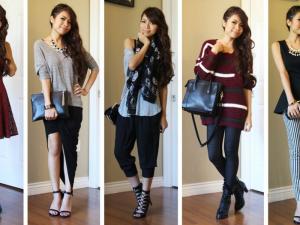
    fashion(noun)

    /ˈfæʃn/

    유행

    a popular style of clothes, hair, etc. at a particular time or place; the state of being popular

    The museum's classical architecture has never gone out of fashion

    박물관의 고전 건축은 결코 유행에 뒤쳐진 적이 없습니다.

    According to the fashion of the day, the languid pose of the sculpture was high art

    유의어styletrendvoguemodecustom
    반의어unfashionableold-fashionedoutdatedunstylish
  5. 5

    alternative(noun)

    /ɔːlˈtɜːrnətɪv/

    대안, 선택지

    a thing that you can choose to do or have out of two or more possibilities

    If the shirt is too small, the only alternative is to buy a bigger one.

    셔츠가 너무 작다면 유일한 대안은 더 큰 것을 사는 것이다.

    유의어replacementsubstituteoptionchoicedifferentotheranother
    반의어sameoriginalstandardconventionalusual
  6. 6

    encourage(verb)

    /ɪnˈkɜːrɪdʒ/

    격려하다 (gyeokryeohada)

    to give somebody support, courage or hope

    My mom always encourages me whenever I meet difficulties.

    어머니는 제가 어려움을 겪을 때마다 항상 저를 격려해 주십니다.

    My parents have always encouraged me in my choice of career.

    유의어motivateinspiresupportcheerurgehearten
    반의어discouragedeterdissuadehinderdepress
  7. 7

    poetry(noun)

    /ˈpəʊətri/

    시

    poems in general; poems as a genre of literature

    Love is an everlasting theme of poetry.

    사랑은 시의 영원한 주제입니다.

    Maya Angelou's poetry

    유의어verserhymelyricpoem
    반의어prosenarrative
  8. 8

    fashionable(adjective)

    /ˈfæʃnəbl/

    유행하는

    following a style that is popular at a particular time

    It is fashionable to have short hair nowadays.

    요즘은 짧은 머리가 유행이다.

    유의어trendystylishin vogueup-to-datechiccurrent
    반의어unfashionableoutdatedold-fashionedoutmodeddated
  9. 9

    cotton(noun)

    /ˈkɑːtn/

    면, 면직물

    cloth made from the soft white hairs of the cotton plant

    My shirt is made from cotton.

    내 셔츠는 면으로 만들어졌다.

    bales of cotton

    유의어yarnfiberthreadstuffinglint
    반의어woolsilklinensyntheticpolyester
  10. 10

    design(noun)

    /dɪˈzaɪn/

    디자인 (dijain)

    the general arrangement of the different parts of something that is made, such as a building, book, machine, etc.

    This dress has a beautiful design.

    이 드레스는 디자인이 아름답네요.

    유의어planpatternlayoutarrangementschemeblueprintmotifcomposition
    반의어accidentchancerandomnessdisorganizationformlessness
  11. 11

    symbol(noun)

    /ˈsɪmbl/

    상징

    a person, an object, an event, etc. that represents a more general quality or situation

    Mount Fuji is seen as the symbol of Japan.

    후지산은 일본의 상징으로 여겨진다.

    Mandela became a symbol of the anti-apartheid struggle.

    유의어emblemrepresentationtokensignmarkicon
    반의어realityactualityliteralsubstance
  12. 12

    material(noun)

    /məˈtɪriəl/

    재료 (jaeryo)

    a substance that things can be made from

    Clothing has been made from many different kinds of materials.

    의류는 다양한 종류의 재료로 만들어졌습니다.

    유의어stuffmatterfabricsubstancecomponentelement
    반의어immaterialspiritualintangibleabstract
  13. 13

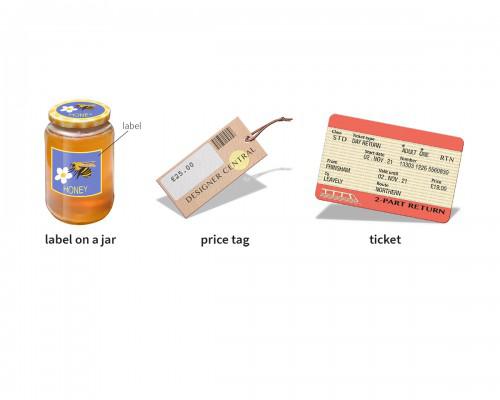
    label(noun)

    /ˈleɪbl/

    라벨, 상표, 꼬리표

    a piece of paper, etc. that is attached to something and that gives information about it

    Always read the label on the bottle before you take any medicine.

    약을 먹기 전에는 항상 병에 붙은 라벨을 읽어라.

    유의어tagstickermarkerbadgeticketmark
    반의어unmarkedunlabeledanonymousgeneric
  14. 14

    loose(adjective)

    /luːs/

    헐렁한, 느슨한

    (of clothes) not fitting closely to the body

    These jeans are too loose for me, so I need a belt.

    이 청바지는 나에게 너무 헐렁해서 벨트가 필요하다.

    유의어slackrelaxedunboundfreeunrestrainedbaggy
    반의어tightstrictboundconstrainedfirmsecure
  15. 15

    stripe(noun)

    /straɪp/

    줄무늬

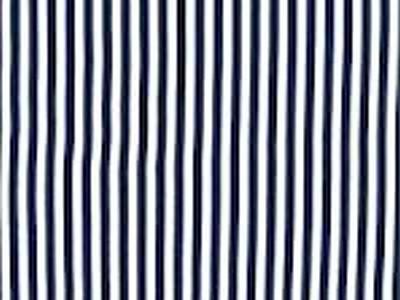
    a long narrow line of colour, that is a different colour from the areas next to it

    The pattern of stripes on his shirt makes him look like a zebra.

    그의 셔츠에 있는 줄무늬 패턴은 그를 얼룩말처럼 보이게 합니다.

    a zebra's black and white stripes

    유의어bandlinestreakstripmark
    반의어plainsolidunmarked
  16. 16

    unique(adjective)

    /juˈniːk/

    독특한

    being the only one of its kind

    That duck is very unique.

    저 오리는 매우 독특합니다.

    There's no need to take that tone with me—it's not my fault we're late.

    유의어distinctivespecialrareuncommonone-of-a-kindexceptionalsingularindividual
    반의어commonordinarytypicalusualgeneralstandard
  17. 17

    occasion(noun)

    /əˈkeɪʒn/

    경우 (gyeong-u)

    a particular time when something happens

    That rich man often goes to that place on special occasions.

    저 부자는 특별한 경우에 종종 그 장소에 갑니다.

    On one occasion, she called me in the middle of the night.

    유의어eventtimeinstanceopportunitymoment
    반의어neverinfrequencynormalityregularity
  18. 18

    cross(verb)

    /krɔːs/

    건너다, 가로지르다

    to go across; to pass or stretch from one side to the other

    Always look both ways before you cross the road.

    길을 건너기 전에는 항상 양쪽을 살펴보세요.

    유의어crucifixintersectiontraversehybridmixture
    반의어parallelalignmentagreementunitysupport
  19. 19

    casual(adjective)

    /ˈkæʒuəl/

    평상시의, 격식 없는, 캐주얼한

    not formal

    These clothes are for casual wear.

    이 옷들은 평상복용입니다.

    유의어informalrelaxedeasygoinglaid-backnonchalantunceremonious
    반의어formalceremonialstiffofficialdressy
  20. 20

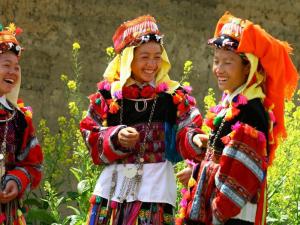
    ethnic(adjective)

    /ˈeθnɪk/

    민족의 (minjogui)

    connected with or belonging to a group of people that share a cultural tradition

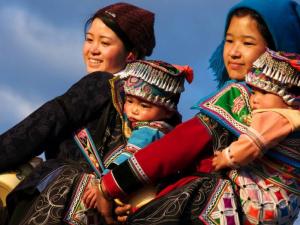
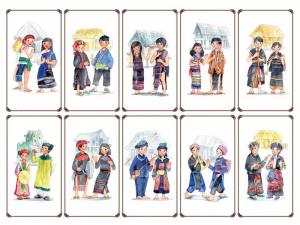
    Vietnam has 54 ethnic groups with a population of 86 million people.

    베트남은 54개의 민족 집단이 있으며 인구는 8천 6백만 명입니다.

    유의어racialculturalnationaltribal
    반의어nonethnicmainstreamgeneral
  21. 21

    peer(noun)

    /pɪr/

    또래, 동료

    a person who is the same age or who has the same social status as you

    Unlike their western peers, Vietnamese women get married at a very early age.

    서양의 또래들과 달리 베트남 여성들은 아주 어린 나이에 결혼한다.

    유의어equalcontemporaryassociatecolleaguemate
    반의어superiorinferiorstrangeroutsider
  22. 22

    rivalry(noun)

    /ˈraɪvlri/

    경쟁

    a state in which two people, companies, etc. are competing for the same thing

    There is an invisible rivalry between the two men.

    두 남자 사이에는 보이지 않는 경쟁이 있다.

    유의어competitioncontentionconflictantagonismemulationoppositiondiscordone-upmanship
    반의어cooperationcollaborationfriendshipagreementharmonypeace
  23. 23

    uniform(noun)

    /ˈjuːnɪfɔːrm/

    제복 (jeebok)

    the special set of clothes worn by all members of an organization or a group at work, or by children at school

    Students in Torah school have to wear uniform from Monday to Friday.

    토라 학교 학생들은 월요일부터 금요일까지 제복을 입어야 합니다.

    유의어attiredressgarboutfitliveryregaliacostumeensemble
    반의어casual wearcivviesstreet clothesirregularnonconformity
  24. 24

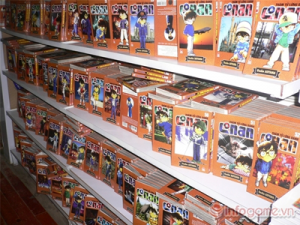
    comic(noun)

    /ˈkɑːmɪk/

    만화책, 만화

    a magazine or book that contains stories told in pictures

    I like reading comics.

    나는 만화책 읽는 것을 좋아한다.

    유의어cartoongraphic novelsequential art
    반의어noveltextbookserious literature
  25. 25

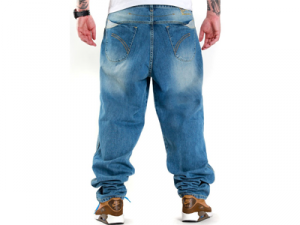
    baggy(adjective)

    /ˈbæɡi/

    헐렁한

    fitting loosely

    I like to wear baggy jeans.

    저는 헐렁한 청바지를 입는 것을 좋아합니다.

    유의어looseoversizedsaggydroopy
    반의어tightfittedsnugclose-fitting
  26. 26

    champagne(noun)

    /ʃæmˈpeɪn/

    샴페인

    a French sparkling white wine (= one with bubbles) that is drunk on special occasions

    Champagne is his favorite drink.

    샴페인은 그가 가장 좋아하는 음료입니다.

    유의어sparkling winebubblyfizz
    반의어still winenon-alcoholic beverage
  27. 27

    designer(noun)

    /dɪˈzaɪnər/

    디자이너 (dijeineo)

    a person whose job is to decide how things such as clothes, furniture, tools, etc. will look or work by making drawings, plans or patterns

    He is a talented fashion designer.

    그는 재능 있는 패션 디자이너입니다. (Geuneun jaeneung inneun paesyeon dijeineoimnida.)

    유의어creatorartiststylistinventorarchitect
    반의어copycatimitatorplagiaristfollower
  28. 28

    ethnic minority(noun)

    /ˌeθnɪk maɪˈnɔːrəti/

    소수 민족

    an ethnic group (= a group of people that share a cultural tradition, religion, etc.) , or a member of this group, living in a country where the main ethnic group is different

    There are a large number of ethnic minorities in this country.

    이 나라에는 많은 소수 민족이 있습니다.

    유의어minority groupethnic groupsubordinate group
    반의어majoritydominant group
  29. 29

    ethnic group(noun)

    / /ˈeθnɪk gruːp/ /

    민족, 소수 민족

    a group of people who share the same culture, traditions, language or origin
    How many ethnic groups do you know?

    당신은 몇 개의 민족을 알고 있나요?

    유의어racenationalitypeopletribecommunitycultural group
    반의어majoritymainstreamdominant culture
  30. 30

    on the occasion of(phrase)

    /ɒn ðə əˈkeɪʒ(ə)n ɒv/

    ~을 맞아, ~을 기념하여

    at the time of a particular special event, and in order to mark it

    On the occasion of the Tet holiday, we went to visit my grandparents.

    설을 맞아 우리는 조부모님을 뵈러 갔다.

    유의어forbecause ofdue toin light ofin celebration of
    반의어despiteregardless of
  31. 31

    plaid(noun)

    /plæd/

    격자 무늬 (gyeokja m늬)

    a type of thick cloth with a pattern of lines and squares of different colours and widths , especially a tartan pattern

    The girl in the plaid skirt is my sister.

    체크무늬 치마를 입은 소녀는 내 여동생이야.

    유의어tartancheckeredchecksquared
    반의어plainsolidunpatterned
  32. 32

    poet(noun)

    /ˈpəʊət/

    시인 (siin)

    a person who writes poems

    Huy Can is one of the 20th century's best-known Vietnamese poets.

    후이 껀은 20세기 가장 유명한 베트남 시인 중 한 명입니다.

    유의어bardverse-writerlyricistrhymer
    반의어n/aprose writer
  33. 33

    sleeveless(adjective)

    /ˈsliːvləs/

    민소매

    without any part covering your arms

    She likes wearing sleeveless shirts.

    그녀는 민소매 셔츠 입는 것을 좋아한다.

    유의어armlesswithout sleeves
    반의어sleevedlong-sleevedshort-sleeved
  34. 34

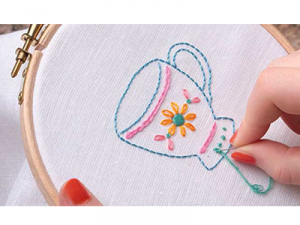
    embroider(verb)

    /ɪmˈbrɔɪdər/

    자수하다 (jasuhada)

    to decorate cloth with a pattern of stitches usually using coloured thread

    She embroidered flowers on the cushion.

    그녀는 쿠션에 꽃을 수놓았다. (Geunyeoneun kusyeone kkoceul sunoeatta.)

    유의어stitchneedlepointdecorateornamentembellish
    반의어unpickunravelplainunadorned
  35. 35

    fade(verb)

    /feɪd/

    바래다 (baraeda)

    to become or to make something become paler or less bright

    Will this material fade?

    이 재료가 바랠까요? (I jaelyoga baraelkkayo?)

    유의어dimdwindleweakenpaledisappearbleach
    반의어brightenintensifyappearstrengthendeepen
  36. 36

    slit(noun)

    /slɪt/

    트임, 슬릿, 틈

    a long, narrow cut or opening

    Her long dress had a slit up the side so she could walk easily.

    그녀의 긴 드레스는 옆에 트임이 있어서 걷기 편했다.

    유의어openingsplittearcutripincision
    반의어closureseamunbrokenwhole
  37. 37

    tunic(noun)

    /ˈtuːnɪk/

    튜닉

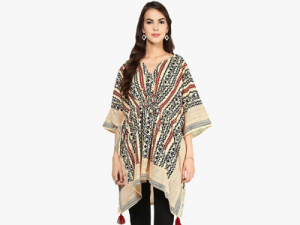
    a loose piece of clothing that covers the body down to the hips or knees, often worn over trousers

    My mother prefers wearing tunics.

    우리 어머니는 튜닉 입는 것을 더 좋아하신다.

    유의어robesmockshiftdressfrock
    반의어pantstrousersshorts
  38. 38

    pattern(noun)

    /ˈpætərn/

    무늬, 문양

    a regular arrangement of lines, shapes or colours used as a design

    She wore a dress with a pattern of roses on it.

    그녀는 장미 무늬가 있는 원피스를 입었다.

  39. 39

    miss(verb)

    /mɪs/

    그리워하다

    to feel sad because you can no longer see somebody or do something that you like

    I really miss playing football with my old friends after school.

    나는 방과 후에 옛 친구들과 축구하던 것이 정말 그립다.