레슨 26/41 · 20단어 · 외운 단어 0
Topic 27: Environment (1)
주제 27: 환경 (1)
손해 (sonhae)
physical harm caused to something which makes it less attractive, useful or valuable
The damage to his car was considerable.
그의 차에 입은 손해가 상당했다. (Geuui chae ibeun sonhaega sangdanghaetta.)
Smoking seriously damages your health.
유의어harminjuryimpairmentdestructionloss반의어repairimprovementbenefitadvantagerestoration파괴 (pague)
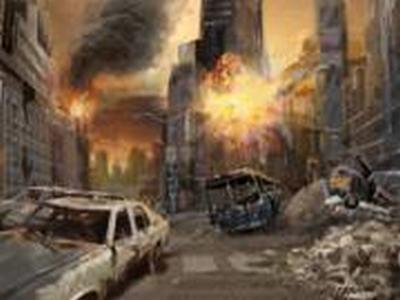
the act of destroying something; the process of being destroyed
Many people are very concerned about destruction of the rainforests.
많은 사람들이 열대 우림 파괴에 대해 매우 우려하고 있습니다.
The central argument is that capitalism sows the seeds of its own destruction(= creates the forces that destroy it).
유의어demolitiondevastationruinannihilationobliterationbreakdown반의어creationconstructionbuildingpreservationconservation파괴하다 (pagoehada)
to damage something so badly that it no longer exists, works, etc.
We can't destroy the forests anymore.
우리는 더 이상 숲을 파괴할 수 없습니다.
They've destroyed all the evidence.
유의어demolishruinannihilateobliteratewreckdevastateeradicate반의어createbuildconstructpreserveprotectrepair방출하다, 배출하다, 흘려보내다
to release a liquid, gas or other substance into a place
The river is diverted through the power station before discharging into the sea.
그 강은 바다로 흘러들기 전에 발전소를 거치도록 물길이 돌려져 있다.
유의어releaseemitexpelejectreleaseemissionreleasedismiss반의어retainholdkeepdetainabsorb생물 다양성 (saengmul dayangseong)
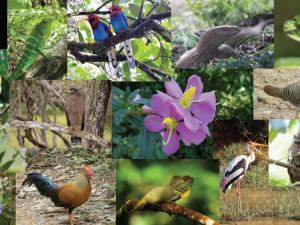
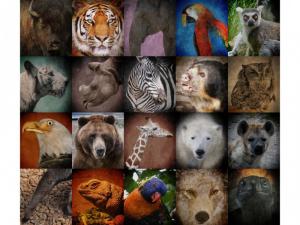
the existence of a large number of different kinds of animals and plants which make a balanced environment
A new National Biological Survey will protect species habitat and biodiversity.
새로운 국립 생물 조사에서는 종 서식지와 생물 다양성을 보호할 것입니다.
유의어variety of lifebiological diversityecological diversityspecies richnessgenetic diversity반의어monocultureuniformitylack of diversitybiological uniformity식물원 (singmulwon)
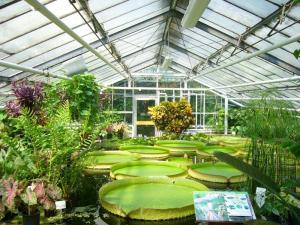
a park where plants, trees and flowers are grown for scientific study
This Sunday, our class will go to the Botanical Garden.
이번 주 일요일에 우리 반은 식물원에 갈 것입니다. (Ibeon ju iryoire uri baneun singmurwone gal geosimnida.)
유의어arboretumconservatorybotanical garden반의어wastelandindustrial parkconcrete jungle위태로운
that can be lost or damaged if a particular action is not successful
Thousands of lives will be at stake if emergency aid does not arrive in the city soon.
긴급 구호품이 곧 도시에 도착하지 않으면 수천 명의 목숨이 위태로워질 것입니다.
유의어at riskendangeredthreatenedin jeopardyon the line반의어safesecureprotectedassuredcertain침식 (chimshik)
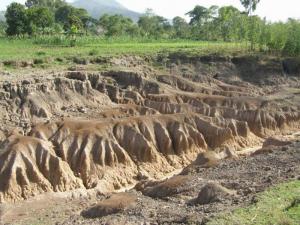
the process by which the surface of something is gradually destroyed through the action of wind, rain, etc.
The farmers fight against soil erosion every year.
농부들은 매년 토양 침식과 싸웁니다. (Nongbudeureun maenyeon toyang chimshikgwa ssaumnida.)
유의어wearing awaydegradationdeteriorationattritiondenudation반의어depositionaccretionbuilding upaccumulation오염 (oyeom)
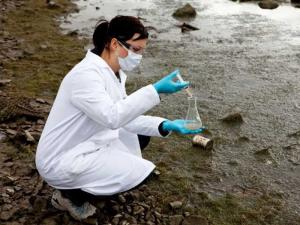
the process or fact of making a substance or place dirty or no longer pure by adding a substance that is dangerous or carries disease
The water supply is being tested for contamination.
물 공급에 오염 여부를 검사하고 있습니다.
유의어pollutiontaintdefilementimpairmentinfection반의어puritysterilitycleannesssanitation종 (jong)
a group into which animals, plants, etc. that are able to have sex with each other and produce healthy young are divided, smaller than a genus and identified by a Latin name
Over a hundred species of insect are found in this area.
이 지역에서 100종이 넘는 곤충이 발견됩니다.
유의어kindsorttypevarietybreedgenusclassification반의어individualsingular공존
to exist together at the same time or in the same place, especially peacefully
I wish the Earth could be a happy planet where human beings, animals, and plants peacefully co-exist.
지구가 인간, 동물, 식물이 평화롭게 공존하는 행복한 행성이 될 수 있기를 바랍니다.
유의어exist togetherlive togetherharmonizeget alonglive side by side반의어conflictclashopposecompetefight도시화
the process in which towns, streets, factories, etc. are built where there was once countryside
Fast urbanization can cause some environmental problems.
급속한 도시화는 몇 가지 환경 문제를 일으킬 수 있습니다.
유의어city growthurban developmenttown planningmetropolitanization반의어ruralizationdeurbanizationrural decay~의 벼랑 끝으로 내몰리다
to be forced into a situation in which something very bad is about to happen
Monkeys are being driven to the verge of extinction by human beings.
원숭이들이 인간에 의해 멸종 위기로 내몰리고 있다.
유의어be on the brink ofbe on the edge ofbe nearingbe approaching반의어be far frombe safe frombe secure from