본문으로 건너뛰기

레슨 40/41 · 20단어 · 외운 단어 0

Topic 41: Enlarging Vocabulary (6)

주제 41: 어휘 확장 (6)

  1. 1

    allocate(verb)

    /ˈæləkeɪt/

    할당하다

    to give something officially to somebody/something for a particular purpose

    The office manager did not allocate enough money to purchase software

    사무실 관리자는 소프트웨어를 구매하기에 충분한 돈을 할당하지 않았습니다.

    The soffware architect did not allocate enough memory for the sound card to work in your computer

    유의어assigndistributeapportiongrantdesignateearmark
    반의어withholdretainkeepdeny
  2. 2

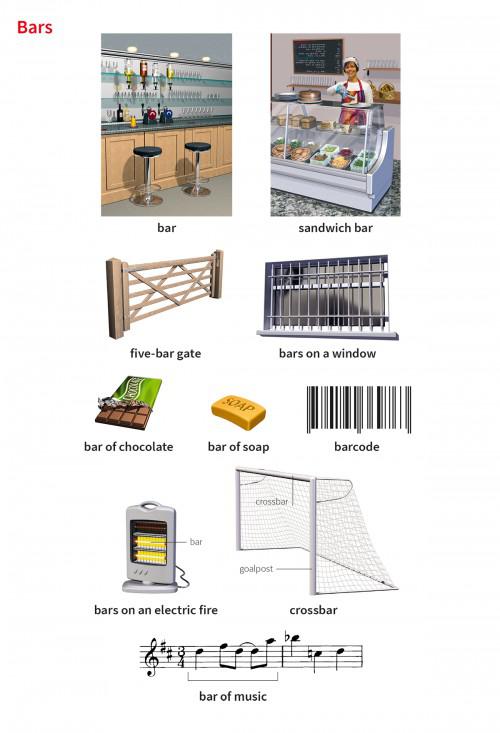
    bar(noun)

    /bɑːr/

    술집

    a place where you can buy and drink alcoholic and other drinks

    We arranged to meet in a bar called the Flamingo.

    우리는 플라밍고라는 술집에서 만나기로 약속했다.

    They work in a bar

    유의어pubtavernloungesalooncocktail loungenightclubclubbuffet
    반의어(place of abstinence) cafetea shopcoffee shoprestaurant
  3. 3

    debate(noun)

    /dɪˈbeɪt/

    토론, 논쟁

    a formal discussion of an issue at a public meeting or in a parliament. In a debate two or more speakers express opposite views and then there is often a vote on the issue.

    There was a lively debate about school uniforms on TV last night.

    어젯밤 텔레비전에서 교복에 관한 활발한 토론이 있었다.

    유의어argumentdiscussiondisputecontroversycontentioncontestpolemic
    반의어agreementaccordconcordharmonypeacesettlement
  4. 4

    stretch(verb)

    /stretʃ/

    늘이다, 뻗다, 늘어나다

    to make something longer, wider or looser, for example by pulling it; to become longer, etc. in this way

    She stretched out her arm and back.

    그녀는 팔과 등을 쭉 뻗었다.

    This sweater has stretched.

    유의어extendelongatereachstrainexpandlengthen
    반의어shortencompresscontractshrink
  5. 5

    vary(verb)

    /ˈveri/

    다르다 (dareuda)

    to be different from each other in size, shape, etc.

    The boxes vary in size from small to large.

    상자들은 크기가 작음에서 큼까지 다양하다.(sangjadeureun keugiga jageumeseo keumkkaji dayanghada.)

    The quality of the students' work varies considerably.

    유의어differchangedivergefluctuatemodifydeviate
    반의어stayremainstabilizeconformstandardize
  6. 6

    threat(noun)

    /θret/

    위협 (wiheop)

    a statement in which you tell somebody that you will punish or harm them, especially if they do not do what you want

    She is prepared to carry out her threat to resign.

    그녀는 사임하겠다는 위협을 실행할 준비가 되어 있다.

    He received death threats from right-wing groups.

    유의어menaceintimidationwarningdangerhazardperil
    반의어promiseassuranceguaranteeprotectionsecurity
  7. 7

    bring about(phrasal verb)

    /brɪŋ əˈbaʊt/

    일으키다

    to make something happen

    Dieting and exercise will bring about weight loss

    다이어트와 운동은 체중 감량을 일으킬 것입니다.

    유의어causeproducegeneratecreateeffectinitiate
    반의어preventstophaltsuppress
  8. 8

    goof off(phrasal verb)

    /ɡuːf ɒf/

    빈둥거리다 (bindunggeorida)

    to spend your time doing nothing, especially when you should be working

    Some students were using their computers to goof off or visit unauthorized websites.

    몇몇 학생들은 빈둥거리거나 허가되지 않은 웹사이트를 방문하기 위해 컴퓨터를 사용하고 있었다.

    유의어slack offlaze arounddawdleidleloafprocrastinate
    반의어work hardapply oneselffocusconcentratebe productive
  9. 9

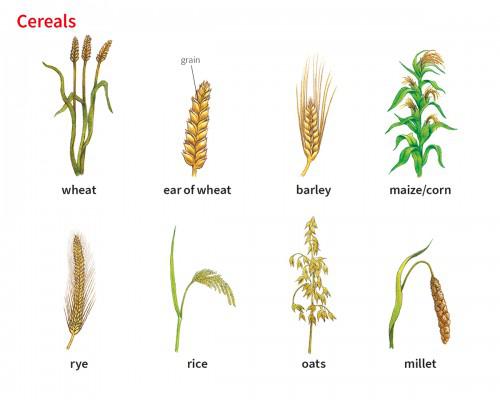
    cereal(noun)

    /ˈsɪriəl/

    시리얼, 곡물 식품

    a food made from grain, often eaten for breakfast with milk

    She headed downstairs, and had a bowl of cereal for breakfast.

    그녀는 아래층으로 내려가 아침으로 시리얼 한 그릇을 먹었다.

    유의어breakfast foodgrain foodprocessed grains
    반의어meateggsfruit
  10. 10

    make room for(phrase)

    /meɪk rʊm fɔːr/

    자리를 내다

    to make enough space available for somebody or something

    I cleaned up everything to make room for new furniture.

    새 가구를 놓기 위해 모든 것을 치웠어요.

    유의어clear space foraccommodateprovide space forallow for
    반의어take up spacecrowdfill
  11. 11

    go into detail(phrase)

    /ɡoʊ ˈɪn.tuː dɪˈteɪl/

    상세히 설명하다, 자세히 다루다

    to explain or discuss something fully, giving all the facts

    The report goes into detail about the causes of the economic crisis.

    그 보고서는 경제 위기의 원인을 자세히 다루고 있다.

    유의어elaborateexpoundflesh outspecifyitemizespell out
    반의어summarizegeneralizecondenseabridgeoutline
  12. 12

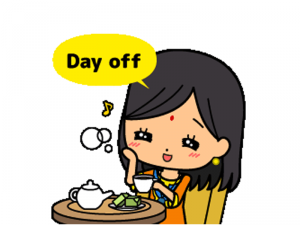
    off-duty(adjective)

    /ˌɔːf ˈduːti/

    비번인, 근무 외의

    not at work

    An off-duty police officer stopped the thief outside the bank.

    비번인 경찰관이 은행 밖에서 도둑을 붙잡았다.

    유의어not workingnot on dutyfreeat leisure
    반의어on dutyworkingemployed
  13. 13

    skyrocket(verb)

    /ˈskaɪrɑːkɪt/

    급등하다

    to rise quickly to a very high level

    The cost of housing has skyrocketed.

    주택 비용이 급등했다.

    유의어soarsurgeescalateincrease rapidlyshoot uprise sharply
    반의어plummetdeclinedecreasefalldrop
  14. 14

    undermine(verb)

    /ˌʌndərˈmaɪn/

    약화시키다 (yakwahasikida)

    to make something, especially somebody’s confidence or authority, gradually weaker or less effective

    This crisis has undermined his position.

    이번 위기로 그의 입지가 약화되었다.

    유의어weakenerodesubvertsabotagecompromisedamageimpairattenuate
    반의어strengthenbolsterreinforcesupportfortifyenhance
  15. 15

    inconceivable(adjective)

    /ˌɪnkənˈsiːvəbl/

    상상도 할 수 없는

    impossible to imagine or believe

    It's inconceivable that we won.

    우리가 이겼다는 것은 상상도 할 수 없어.

    유의어unbelievableunthinkableimpossibleimprobablefantasticincredible
    반의어believablethinkablepossibleprobableconceivablecredible
  16. 16

    predictable(adjective)

    /prɪˈdɪktəbl/

    예상대로

    if something is predictable , you know in advance that it will happen or what it will be like

    I’m bored with the predictable ending of this Korean film .

    이 한국 영화의 뻔한 결말에 지루해.

    유의어foreseeableexpectedanticipatedroutineconventionalunimaginative
    반의어unforeseeableunexpectedsurprisingunpredictableoriginalunconventional
  17. 17

    pave the way for(phrase)

    /peɪv ðə weɪ fɔːr/

    길을 열다

    to create a situation in which something can happen or develop

    The proposals will pave the way for a speedy resolution.

    그 제안들은 신속한 해결을 위한 길을 열 것이다.

    유의어facilitateenableprepareclear the waymake possible
    반의어hinderobstructimpedeblock
  18. 18

    cashless(adjective)

    /ˈkæʃləs/

    현금 없는

    done or working without using cash

    the cashless society

    현금 없는 사회

    유의어digital paymentelectronic paymentnon-cash
    반의어cash-basedcash-onlymoneyed
  19. 19

    keep sellers on their toes(idiom)

    /kiːpˈsel.ɚ ɑːn toʊs/

    판매자들을 긴장하게 하다

    to make sellers stay alert and ready to deal with any changes or competition

    More competition keeps sellers on their toes.

    경쟁이 늘면 판매자들이 긴장을 늦추지 못한다.

    유의어vigilantalertwatchfulattentivepreparedon guard
    반의어complacentrelaxedunconcernedinattentive

  20. 20

    watch out(phrasal verb)

    /wɑːtʃ aʊt/

    조심

    used to warn somebody about something dangerous

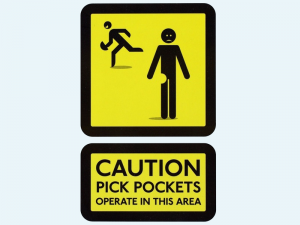
    At the station, we often see the sign "Watch out for pickpockets".

    역에서 "소매치기를 조심하세요"라는 표지판을 자주 봅니다.

    유의어be carefulbewarelook outtake carebe vigilant
    반의어ignoredisregardneglectbe careless