
본문으로 건너뛰기

레슨 1/29 · 54단어 · 외운 단어 0

Part1 - People

Part 1 - 인물

  1. 1

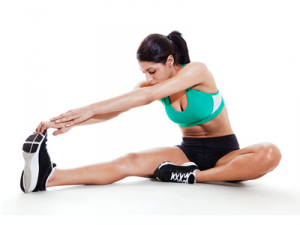
    stretch(verb)

    /stretʃ/

    늘이다, 뻗다, 늘어나다

    to make something longer, wider or looser, for example by pulling it; to become longer, etc. in this way

    She stretched out her arm and back.

    그녀는 팔과 등을 쭉 뻗었다.

    This sweater has stretched.

    유의어extendelongatereachstrainexpandlengthen
    반의어shortencompresscontractshrink
  2. 2

    Check sth(verb)

    /ʧɛk/

    확인하다 (hwaginhada)

    to examine something to see if it is correct, safe or acceptable

    The woman is checking some information

    여자는 몇 가지 정보를 확인하고 있습니다 (Yeojaneun myeot gaji jeongboreul hwagin hago itseumnida)

    유의어ExamineInspectVerifyReviewInvestigate
    반의어IgnoreNeglectOverlook
  3. 3

    Examine sth(verb)

    /ɪgˈzæmɪn/

    조사하다 (josahada)

    to look at or consider something carefully in order to learn more about it or find a problem

    He is examining an X-ray image.

    그는 X선 이미지를 조사하고 있습니다.

    유의어inspectinvestigatescrutinizeanalyzestudyprobecheckassess
    반의어ignoreneglectoverlookdisregard
  4. 4

    Gaze at sth(verb)

    /geɪz æt/

    응시하다

    to look steadily at something for a long time

    A man is gazing at the computer screen.

    한 남자가 컴퓨터 화면을 응시하고 있다.

    유의어stareglarepeerwatchcontemplateobserve
    반의어glancelook awayignoreavertskim
  5. 5

    Glance at sth(verb)

    /glɑːns æt/

    힐끗 보다 (hilkkeut boda)

    to look quickly at something

    Both of them are glancing at the screen

    그들 둘 다 화면을 힐끗 보고 있다. (Geudeul dul da hwamyeoneul hilkkeut bogo itda.)

    유의어PeekGlimpseLook quicklyPeepSquint
    반의어StareGazeContemplateExamineScrutinize
  6. 6

    Inspect sth(verb)

    /ɪnˈspɛkt/

    검사하다

    To look closely at something or someone, especially to check that everything is as it should be.

    She is inspecting some documents on the table.

    그녀는 탁자 위의 몇몇 서류들을 검사하고 있습니다.

    유의어examinecheckscanscrutinizeinvestigatereviewassesssurvey
    반의어neglectignoreoverlookdisregard
  7. 7

    Stare at sth(phrasal verb)

    /steər æt/

    ~을 응시하다, 뚫어지게 보다

    To look at something or someone for a long time with your eyes wide open.

    The woman is staring at the window.

    여자가 창문을 응시하고 있다.

    유의어gazewatchobservepeerglareogle
    반의어glancepeekignoreavert
  8. 8

    Watch sth(verb)

    /wɒʧ/

    보다 (boda)

    To look at something for a time, paying attention to what happens.

    They are watching movies in the living room.

    그들은 거실에서 영화를 보고 있어요.

    유의어ObserveViewSeeLook atWitness
    반의어IgnoreNeglectDisregardOverlook
  9. 9

    Look at sth(phrasal verb)

    /lʊk æt/

    ~을 보다, 바라보다

    To turn your eyes towards something or someone so that you can see them.

    The man is looking at the door.

    남자가 문을 바라보고 있다.

    유의어gazeobservewatchviewregardinspect
    반의어ignoreoverlookdisregardneglect
  10. 10

    Review sth(verb)

    /rɪˈvjuː/

    검토하다

    To examine or read something again carefully, especially to check it or make changes.

    He is reviewing some papers.

    그는 몇몇 논문을 검토하고 있습니다.

    유의어examineinspectassessevaluaterevisereconsidergo overcheck
    반의어ignoreneglectoverlook
  11. 11

    View sth(verb)

    /vjuː/

    보다

    To look at something, especially carefully or for a particular purpose.

    They are viewing some slides.

    그들은 몇몇 슬라이드를 보고 있습니다.

    유의어observewatchlook atexamineinspectstudycontemplate
    반의어ignoreoverlookneglectdisregardmiss
  12. 12

    Speak to sb(phrasal verb)

    /spiːk tʊ/

    ~에게 말하다, ~와 이야기하다

    To talk to somebody about something.

    The policeman is speaking to a kid.

    경찰관이 아이에게 말을 하고 있다.

    유의어addressconverse withtalk tochat withhave a conversation with
    반의어ignoresilenceavoiddisregard
  13. 13

    Have a conversation with sb(phrase)

    /həv ə ˌkɒnvəˈseɪʃən wɪð/

    ~와 대화하다, ~와 이야기를 나누다

    To talk informally with somebody, exchanging news, ideas or opinions.

    They are having a conversation with their teacher.

    그들은 선생님과 대화를 나누고 있다.

    유의어talk tospeak withdiscuss withchat withconverse with
    반의어ignoreavoidbe silentdisagreeargue
  14. 14

    Give a lecture to sb(phrase)

    /gɪv ə ˈlɛkʧə tʊ/

    ~에게 강의하다

    To give a talk to a group of people about a particular subject, especially as a way of teaching.

    The professor is giving a lecture to the class.

    교수님이 학급 학생들에게 강의를 하고 있다.

    유의어lecturepresentaddressspeaktalkinstructteach
    반의어listenattendbe quietlearn
  15. 15

    Make a call(phrase)

    /meɪk ə kɔːl/

    전화를 걸다, 전화하다

    To use a telephone to speak to somebody.

    The business woman is making a call at her office.

    여성 사업가가 사무실에서 전화를 걸고 있다.

    유의어telephonephonering updialcontact by phone
    반의어ignorehang updisconnect
  16. 16

    Address oneself to(phrase)

    /əˈdres wʌnˈself tə/

    ~에게 말을 걸다, ~에게 이야기하다

    To speak or write directly to a particular person or group.

    The teacher is addressing herself to the pupil at the front table.

    선생님이 앞 탁자에 앉은 학생에게 말을 하고 있다.

    유의어speak totalk toapproachengage withcommunicate with
    반의어ignoreavoidevadeneglect
  17. 17

    Deliver a speech(phrase)

    /dɪˈlɪvər ə spiːtʃ/

    연설하다, 발표하다

    To give a formal talk to an audience.

    The speaker is delivering a speech in the meeting room.

    연사가 회의실에서 연설하고 있다.

    유의어present a speechgive a talkaddress an audienceoratinglecture
    반의어listensilencewithhold speechbe quiet
  18. 18

    Give a speech(phrase)

    /ɡɪv ə spiːtʃ/

    연설하다, 연설을 하다

    To speak formally to a group of people, especially at a special event.

    A woman is giving a speech to the audience.

    한 여성이 청중에게 연설을 하고 있다.

    유의어addresslecturepresentspeakoratorize
    반의어listenbe silentremain quiet
  19. 19

    Laugh at sth(phrasal verb)

    /lɑːf æt/

    ~을 보고 웃다, 비웃다

    To make sounds that show you think something is funny.

    People are laughing at the comedies.

    사람들이 코미디를 보고 웃고 있다.

    유의어mockridiculescoff atderidejeer at
    반의어admirerespectpraisevenerate
  20. 20

    Smile at sb / sth(phrasal verb)

    /smaɪl æt/

    ~에게 미소 짓다

    To look at somebody or something with a smile.

    The child is smiling at his puppies.

    아이가 자기 강아지들을 보며 미소 짓고 있다.

    유의어beam atgrin atsimper atsmirk at
    반의어frown atscowl atglare atgrimace at
  21. 21

    Carry sth(verb)

    /ˈkæri/

    나르다 (nareuda)

    To hold something and take it from one place to another.

    He is carrying a box full of items

    그는 물건이 가득 찬 상자를 나르고 있다.

    유의어Transportconveybearmovehaul
    반의어Dropleaveabandondiscard
  22. 22

    Move sth(verb)

    /muːv/

    옮기다

    To change the position of something or put it in a different place.

    They are moving a heavy object.

    그들은 무거운 물건을 옮기고 있습니다.

    유의어ShiftTransferRelocateDisplaceTransport
    반의어ImmobilizeStagnateHoldKeepStop
  23. 23

    Hold sth(verb)

    /həʊld/

    잡다 (japda)

    To have something in your hand or arms.

    A woman is holding a pen in her right hand.

    여자가 오른손에 펜을 쥐고 있습니다.

    유의어graspgripclutchcarrysupportcontain
    반의어releasedropabandonlet go
  24. 24

    Use sth(verb)

    /juːz/

    사용하다 (sayonghada)

    To do something with a machine, tool or object for a particular purpose.

    He is using a public phone on the street.

    그는 길거리에서 공중전화를 사용하고 있습니다. (Geuneun gilgeorieseo gongjungjeonhwareul sayonghago itseupnida.)

    유의어UtilizeEmployApplyOperateHandleConsume
    반의어DiscardRejectRefuseNeglectIgnoreWaste
  25. 25

    Operate sth(verb)

    /ˈɒpəreɪtɪŋ/

    작동하다, 조작하다

    To use or control a machine or make it work.

    She is operating the machine.

    그녀는 기계를 작동하고 있다.

    유의어usingcontrollingrunninghandlingworkingutilizingemploying
    반의어idleinactivestoppedbrokendefunctout of order
  26. 26

    Shake hands(phrase)

    /ʃeɪk hændz/

    악수하다

    to take somebody's right hand in your own and move it up and down, as a greeting or to show agreement

    The businessmen are shaking hands with each other.

    사업가들이 서로 악수를 하고 있다.

    유의어greetmeetclose a dealmake an agreement
    반의어part waysbreak tiesdisagreerefuse to greet
  27. 27

    Point at sth(phrase)

    /pɔɪnt æt/

    ~을 가리키다

    to hold out your finger or an object towards somebody/something to show where they are

    The speaker is pointing at the screen.

    발표자가 화면을 가리키고 있다.

    유의어indicatedesignatedirect attention togesture towardsaim at
    반의어ignoreoverlookdisregardneglect
  28. 28

    Applaud(verb)

    /əˈplɔːd/

    박수 치다 (baksu chida)

    to show your approval of somebody/something by clapping your hands (= hitting your open hands together several times)

    The audience are applauding at a concert.

    관객들은 콘서트에서 박수를 치고 있다.

    유의어clapacclaimpraisecheercommend
    반의어boojeercriticizecondemnhiss
  29. 29

    Clap for(phrase)

    /klæp fər/

    ~에게 박수를 보내다

    to hit your open hands together several times to show approval of somebody/something

    They are clapping for the performance

    그들은 공연에 박수를 보내고 있다.

    유의어applaudcheeracclaimpraisegive applause
    반의어boojeerhisscriticize
  30. 30

    Touch sth(phrase)

    /tʌʧ/

    ~을 만지다, 손대다

    to put your hand or another part of your body onto somebody/something

    She is touching her cheek.

    그녀는 자기 뺨을 만지고 있다.

    유의어feelcontactstrokehandlegraze
    반의어avoidignoreleavedisregard
  31. 31

    Reach for sth(phrasal verb)

    /riːʧ fɔː/

    ~을 향해 손을 뻗다

    to stretch your hand out in order to touch or take something

    The doctor is reaching for the monitor.

    의사가 모니터를 향해 손을 뻗고 있다.

    유의어extendgrabgraspattempttrygo for
    반의어ignoreneglectdisregardretreatwithdraw
  32. 32

    Pick up sth(phrasal verb)

    /pɪk ʌp/

    집어 들다, 들어 올리다

    to take hold of somebody/something and lift them or it up

    They are picking up some apples from the shelf.

    그들은 선반에서 사과 몇 개를 집어 들고 있다.

    유의어collectgatherretrieveacquirelift
    반의어dropleaveabandonplaceput down
  33. 33

    Stand on(phrase)

    /stænd ɑːn/

    ~ 위에 서 있다

    to be on your feet on top of a surface or object

    The conductor is standing on the platform.

    지휘자가 단상 위에 서 있다.

    유의어be onbe uponrest onbe positioned on
    반의어sit onlie onfall on
  34. 34

    Stand across(phrase)

    /stænd əˈkrɔːs/

    맞은편에 서다, 마주 보고 서다

    to be on your feet on the opposite side from somebody/something, facing them

    The women are standing across from the men.

    여자들이 남자들의 맞은편에 서 있다.

    유의어oppositefacingacross fromvis-a-vis
    반의어besidenext toadjacent tobehind
  35. 35

    Stand in front of(phrase)

    /stænd ɪn frʌnt əv/

    ~ 앞에 서 있다

    to be on your feet in the position facing the front of somebody/something

    The cashier is standing in front of the counter.

    계산원이 계산대 앞에 서 있다.

    유의어faceconfrontopposefront
    반의어behindbackfollowretreat
  36. 36

    Sit around(phrase)

    /sɪt əˈraʊnd/

    ~의 주위에 둘러앉다

    to sit in a group in positions surrounding something, such as a table

    They are all sitting around a conference table.

    그들은 모두 회의 테이블에 둘러앉아 있다.

    유의어LoungeLoafIdleHang outRelaxWaste time
    반의어WorkToilStriveBe activeBe busy
  37. 37

    Sit across(phrase)

    /sɪt əˈkrɔːs/

    맞은편에 앉다, 마주 보고 앉다

    to sit on the opposite side from somebody/something, facing them

    One woman is sitting across from the rest.

    한 여자가 나머지 사람들의 맞은편에 앉아 있다.

    유의어oppositefacingacross from
    반의어besidenext toadjacent
  38. 38

    Sit in rows(phrase)

    /sɪt ɪn rəʊz/

    줄지어 앉다, 열을 지어 앉다

    to sit in lines of seats placed side by side

    The people are sitting in rows facing the stage.

    사람들이 무대를 향해 줄지어 앉아 있다.

    유의어alignform linesarrange in order
    반의어scatterdisperserandomly arranged
  39. 39

    Sit on(phrase)

    /sɪt ɑːn/

    ~에 앉다

    to be seated on or in something, such as a chair or a vehicle

    There are passengers sitting on the bus.

    버스에 앉아 있는 승객들이 있다.

    유의어perch onrest onbe seated onsettle on
    반의어standriseget up
  40. 40

    Lean on(phrase)

    /liːn ɑːn/

    ~에 기대다

    to rest your weight on somebody/something for support

    One woman is leaning on the other.

    한 여자가 다른 여자에게 기대어 있다.

    유의어depend onrely oncount ontrustsupportbank onfall back on
    반의어be independentbe self-sufficientbe independentstand alone
  41. 41

    Lean against(phrase)

    /liːn əˈɡenst/

    ~에 기대다

    to rest your body against something, such as a wall, for support

    The women are leaning against the lamp post.

    여자들이 가로등 기둥에 기대어 있다.

    유의어Rest againstrecline onprop oneself againstbe supported by
    반의어Stand uprightstand away frombe independent of
  42. 42

    Walk through(phrase)

    /wɔːk θruː/

    ~을 통과해 걷다, ~을 지나 걸어가다

    to walk from one side of a place to the other, passing through it

    They are walking through the forest

    그들은 숲속을 지나 걷고 있다.

    유의어traversecrossgo throughpass throughpenetrate
    반의어avoidbypassgo aroundskirt
  43. 43

    Walk hand in hand(phrase)

    /wɔːk hænd ɪn hænd/

    손을 잡고 걷다

    to walk together while holding each other's hand

    The girls are walking hand in hand

    소녀들이 손을 잡고 걷고 있다.

    유의어hand in handarm in armtogethercloselyin unison
    반의어separatelyapartindependently
  44. 44

    Walk across(phrase)

    /wɔːk əˈkrɔːs/

    ~을 걸어서 건너다

    to walk from one side of something, such as a street, to the other

    Some people are walking across the street.

    몇몇 사람들이 길을 걸어서 건너고 있다.

    유의어CrossTraverseGo overStep overPass over
    반의어StayRemainStop
  45. 45

    Stroll along(phrase)

    /strəʊl əˈlɔːŋ/

    ~을 따라 거닐다, ~을 따라 산책하다

    to walk slowly and in a relaxed way along something, such as a road or river

    People are strolling along the waterfront.

    사람들이 물가를 따라 거닐고 있다.

    유의어walkramblesauntermeanderwander
    반의어rushhurrydashsprint
  46. 46

    Wear sth(verb)

    /weə/

    입다 (ipda)

    To have something on your body as clothing, decoration or protection.

    They are wearing protective helmets.

    그들은 보호 헬멧을 쓰고 있습니다.

    유의어DonPut onHave onSport
    반의어Take offRemoveDo without
  47. 47

    Have sth on(phrasal verb)

    /hæv ɒnɑːn/

    ~을 착용하고 있다, ~을 입고 있다

    To be wearing a piece of clothing or an accessory.

    The couple have sunglasses on.

    그 부부는 선글라스를 끼고 있다.

    유의어WearSportDonPossessExhibitDisplay
    반의어Take offRemoveLackBe without
  48. 48

    Be dressed formally(phrase)

    /biː drɛst ˈfɔːməli/

    정장을 입다, 격식 있게 차려입다

    To be wearing clothes suitable for official or important occasions.

    They are dressed formally.

    그들은 격식 있게 차려입고 있다.

    유의어dressed upin formal attirewell-dressedsmartly dressedin evening dress
    반의어casually dressedinformally dressedunderdressed
  49. 49

    Be dressed casually(phrase)

    /bi drest ˈkæʒuəli/

    편하게 입다, 캐주얼하게 입다

    To be wearing comfortable, informal clothes rather than formal ones.

    The students are dressed casually at the school festival.

    학생들이 학교 축제에서 편한 복장을 하고 있다.

    유의어dress downdress informallydress relaxeddress comfortablybe in casual wear
    반의어dress updress formallydress elegantlydress smartly
  50. 50

    Put on sth(phrasal verb)

    /pʊt ɒn/

    ~을 입다, ~을 착용하다

    To place clothing, an accessory or a badge on your body.

    A man is putting on his name tag

    한 남자가 명찰을 달고 있다.

    유의어WearDonDress inApplyAffix
    반의어Take offRemoveDo without
  51. 51

    Try on sth(phrasal verb)

    /traɪ ɒn/

    ~을 입어 보다, ~을 신어 보다

    To put on clothes or shoes to see if they fit or look good.

    A woman is trying on some shoes

    한 여자가 신발을 신어 보고 있다.

    유의어TestSampleExperiment withPut onWear
    반의어RemoveTake offDiscard
  52. 52

    Remove sth(verb)

    /rɪˈmuːv/

    벗다, 제거하다

    To take off clothing, glasses or something you are wearing.

    He is removing his glasses.

    그는 안경을 벗고 있다.

    유의어eliminatedeleteextractwithdrawerasedetach
    반의어addattachinsertincludekeepreplace
  53. 53

    Take off sth/ take sth off(phrasal verb)

    /teɪk ɒfɔːf/

    ~을 벗다, ~을 풀다

    To remove a piece of clothing or an accessory from your body.

    He is taking off his striped sweater

    그는 줄무늬 스웨터를 벗고 있다.

    유의어RemoveDiscardUndressDetachPeel off
    반의어Put onWearAttachKeep on
  54. 54

    rest(noun)

    /rest/

    휴식, 쉼

    a period of relaxing, sleeping or doing nothing after a period of activity

    Try to get some rest. You have a busy day tomorrow.

    좀 쉬도록 해. 내일 바쁜 하루가 될 테니까.