ข้ามไปยังเนื้อหา

บทที่ 68/202 · 11 คำ · จำได้แล้ว 0

Means of transportation

ยานพาหนะ

  1. 1

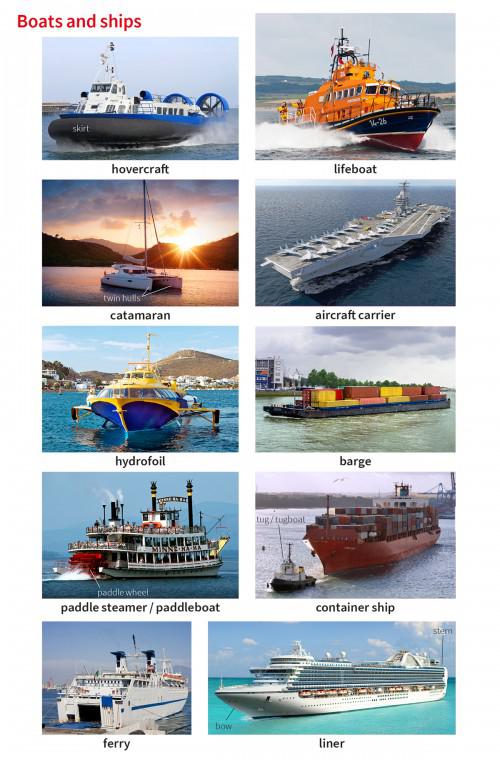
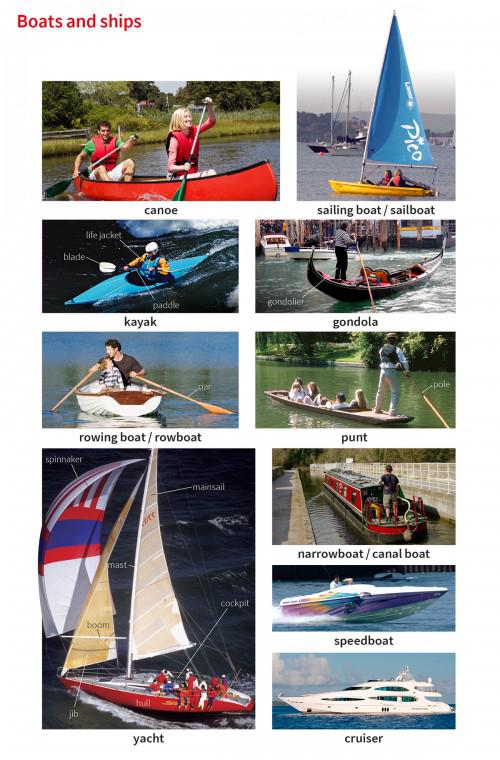
    ship(noun)

    /ʃɪp/

    เรือ, เรือเดินสมุทร

    a large boat that carries people or goods by sea

    The big ship sails across the sea to another country.

    เรือลำใหญ่แล่นข้ามทะเลไปยังอีกประเทศหนึ่ง

    คำพ้องความหมายsendtransportdispatchconveydeliver
    คำตรงข้ามkeepretainhold
  2. 2

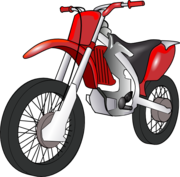
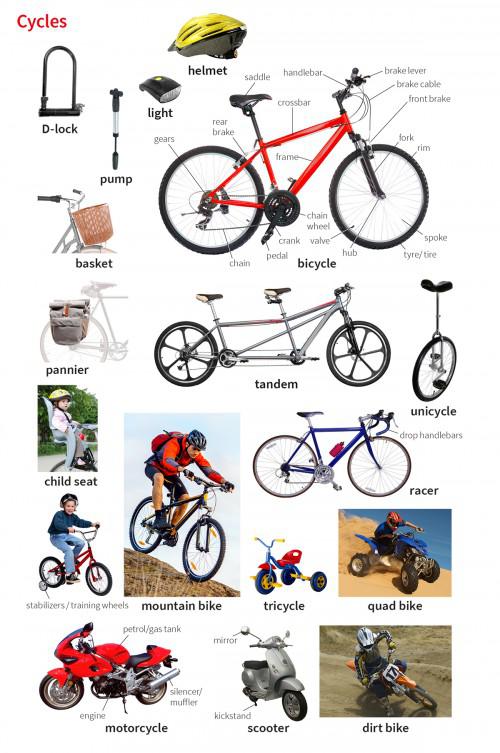
    motorbike(noun)

    /ˈməʊtərbaɪk/

    รถจักรยานยนต์

    a road vehicle with two wheels, driven by an engine, with one seat for the driver and often a seat for a passenger behind the driver

    My mother goes to work by motorbike.

    แม่ของฉันไปทำงานโดยรถจักรยานยนต์

    คำพ้องความหมายmotorcyclebikescooter
    คำตรงข้ามcarbicyclewalkingpublic transportation
  3. 3

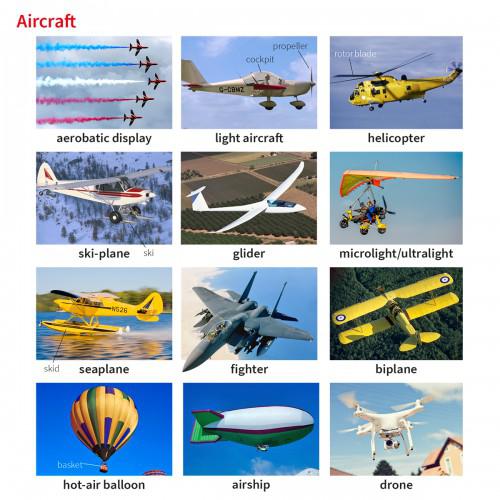
    plane(noun)

    /pleɪn/

    เครื่องบิน

    a flying vehicle with wings and one or more engines

    They boarded the plane and flew to Chicago.

    พวกเขาขึ้นเครื่องบินและบินไปชิคาโก

    The plane is packed with 300 passengers.

    คำพ้องความหมายaircraftairplanejetairliner
    คำตรงข้ามgroundseatrainboat
  4. 4

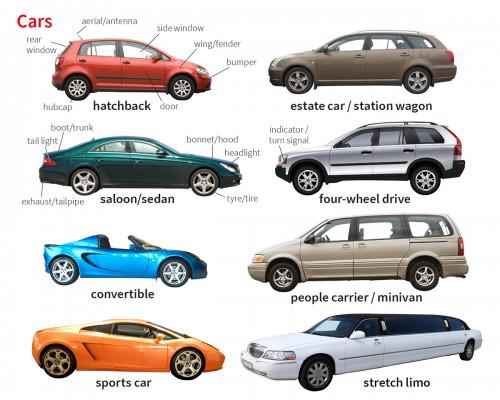
    car(noun)

    /kɑːr/

    รถยนต์ (rot yon)

    a road vehicle with an engine and four wheels that can carry a small number of passengers

    You might want to rent a car when you go on vacation.

    คุณอาจต้องการเช่ารถเมื่อคุณไปพักผ่อน (khun aat tong gaan chao rot muea khun pai phak phon)

    คำพ้องความหมายautomobilevehicle
    คำตรงข้ามnonefootbike
  5. 5

    boat(noun)

    /bəʊt/

    เรือ

    a vehicle (smaller than a ship) that travels on water, moved by oars , sails or a motor

    Have you ever piloted a boat?

    คุณเคยขับเรือไหม?

    คำพ้องความหมายvesselshipcraftwatercraft
    คำตรงข้ามland vehiclecarairplane
  6. 6

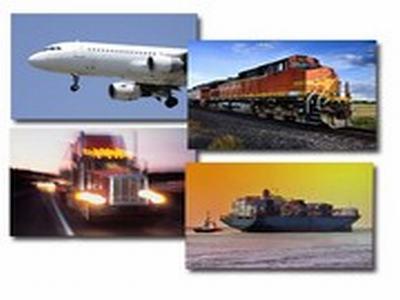
    transportation(noun)

    /ˌtrænspərˈteɪʃn/

    การขนส่ง

    a system for carrying people or goods from one place to another using vehicles, roads, etc.

    the transportation industry

    อุตสาหกรรมการขนส่ง

    transportation costs

    คำพ้องความหมายtransitcarriageconveyanceshippinghaulingmovement
    คำตรงข้ามstasisimmobilitystagnation
  7. 7

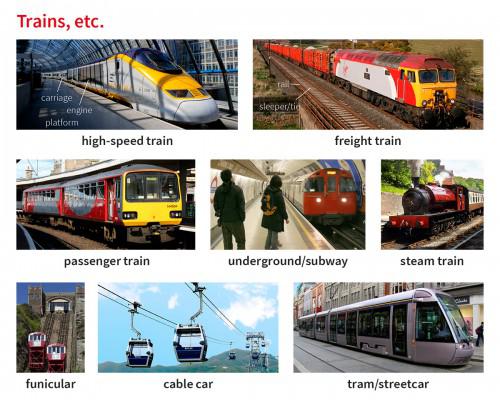
    train(noun)

    /treɪn/

    รถไฟ

    a number of connected coaches or trucks, pulled by an engine or powered by a motor in each one, taking people and goods from one place to another

    I like riding on trains. It's a very relaxing way to travel.

    ฉันชอบนั่งรถไฟ มันเป็นวิธีการเดินทางที่ผ่อนคลายมาก

    คำพ้องความหมายrailroad carrailcarlocomotivecar
    คำตรงข้ามautomobileplanebusship
  8. 8

    bike(noun)

    /baɪk/

    จักรยาน (jak-gra-yaan)

    a bicycle

    I usually go to work by bike.

    ปกติฉันไปทำงานด้วยจักรยาน (bpok-ga-ti chan bpai tham-ngaan duay jak-gra-yaan)

    She got on her bike and rode off.

    คำพ้องความหมายbicyclecycle
    คำตรงข้ามcarautomobilemotorcycle
  9. 9

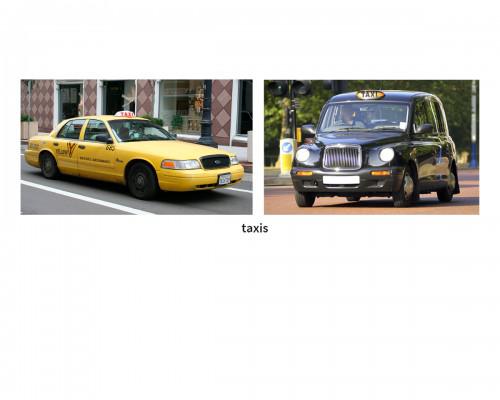
    taxi(noun)

    /ˈtæksi/

    แท็กซี่ (taeksi)

    a car with a driver that you pay to take you somewhere. Taxis usually have meters that show how much money you have to pay.

    I got in a taxi and went to the train station.

    ฉันขึ้นแท็กซี่และไปที่สถานีรถไฟ

    คำพ้องความหมายcabhackyellow cab
    คำตรงข้ามpersonal carprivate vehiclebustrain
  10. 10

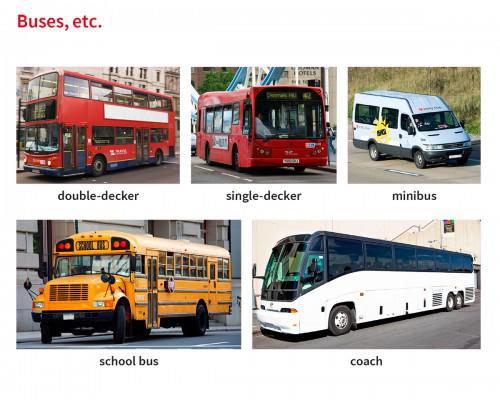
    bus(noun)

    /bʌs/

    รถโดยสารประจำทาง

    a large road vehicle that carries passengers, especially one that travels along a fixed route and stops regularly to let people get on and off

    You can catch a bus for Seattle at the bus station.

    คุณสามารถขึ้นรถโดยสารประจำทางไปซีแอตเทิลได้ที่สถานีขนส่ง

    Shall we walk or go by bus?

    คำพ้องความหมายmotorbuscoachdouble-deckerminibuspublic transport
    คำตรงข้ามcartaxiprivate vehicle
  11. 11

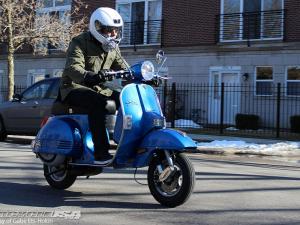
    scooter(noun)

    /ˈskuːtər/

    สกูตเตอร์

    a light motorcycle, usually with small wheels and a curved metal cover at the front to protect the rider’s legs

    I ride my scooter to work every day.

    ฉันขี่สกูตเตอร์ไปทำงานทุกวัน

    คำพ้องความหมายmopedmotor scootervespa
    คำตรงข้ามcarbicycle