跳至主要內容

第 6/16 課 · 18 個單字 · 已學會 0 個

Lesson 6: FUTURE JOBS

第6課:未來的工作

  1. 1

    wage(noun)

    /weɪdʒ/

    工資, 薪資

    a regular amount of money that you earn, usually every week or every month, for work or services

    Hourly wages have increased by 20 percent over the last two years

    過去兩年來,時薪已上漲了百分之二十。

    The intern spends more than half of her wages on rent

    同義詞salarypayearningsremunerationcompensation
    反義詞lossdebtfinepenalty
  2. 2

    creative(adjective)

    /kriˈeɪtɪv/

    有創意的, 創造性的

    involving the use of skill and the imagination to produce something new or a work of art

    The writer's creative representation of the Seven Deadly Sins was astounding

    這位作家對七宗罪充滿創意的呈現令人驚嘆。

    There are a number of creative people writing for the theater these days

    同義詞imaginativeinnovativeoriginalingeniousinventive
    反義詞unimaginativeuninspiredordinaryconventionaluncreative
  3. 3

    category(noun)

    /ˈkætəɡɔːri/

    類別, 種類

    a group of people or things with particular features in common

    Jazz is one of many categories of music

    爵士樂是眾多音樂類別之一。

    The works of Mozart are in a category by themselves

    同義詞typekindsortclassgroupclassificationvarietydivision
    反義詞wholeentiretyunclassified
  4. 4

    salary(noun)

    /ˈsæləri/

    薪水, 薪資

    money that employees receive for doing their job, especially professional employees or people working in an office, usually paid every month

    The technician was pleased to have a raise in salary after only six months on the job

    這名技術員很高興上班才六個月就加薪了。

    The receptionist believed that he worked too hard for such a small salary

    同義詞wagepayremunerationcompensationearningsincome
    反義詞debtlossliability
  5. 5

    create(verb)

    /kriˈeɪt/

    創造, 產生

    to make something happen or exist

    The main purpose of industry is to create wealth.

    工業的主要目的是創造財富。

    Scientists disagree about how the universe was created.

    同義詞generateproduceformestablishinventdevelop
    反義詞destroydemolisheliminateannihilate
  6. 6

    keen(adjective)

    /kiːn/

    熱衷的, 渴望的

    wanting to do something or wanting something to happen very much

    He was very keen and enthusiastic about learning.

    他對學習非常熱衷、充滿幹勁。

    John was very keen to help.

    同義詞eagerenthusiasticavidinterestedsharpintense
    反義詞apatheticindifferentuninteresteddullblunt
  7. 7

    accompany(verb)

    /əˈkʌmpəni/

    陪同, 陪伴

    to travel or go somewhere with somebody/something

    May I accompany you to the ball? he asked her.

    「我可以陪你去參加舞會嗎?」他問她。

    I must ask you to accompany me to the police station.

    同義詞escortattendgo withjoinchaperoneconvoy
    反義詞leaveabandondesertforsakeseparate
  8. 8

    creature(noun)

    /ˈkriːtʃər/

    生物, 動物

    a living thing, real or imaginary, that can move around, such as an animal

    Merlion which is a creature with the head of a lion and the body of a fish is the symbol of Singapore.

    魚尾獅是獅頭魚身的生物,是新加坡的象徵。

    respect for all living creatures

    同義詞beinganimalorganismentitylife form
    反義詞inanimate objectnonbeingthing
  9. 9

    vacancy(noun)

    /ˈveɪkənsi/

    職缺, 空缺

    a job in an organisation that is available for someone to fill

    We have a vacancy for an accountant in our Da Nang office.

    我們峴港辦公室有一個會計職缺。

    The vacancy was filled by an internal candidate.

    同義詞emptinessvoidopeninggapholepositionpost
    反義詞fullnessoccupationfilledincumbency
  10. 10

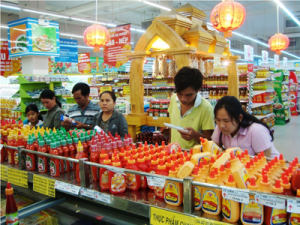
    retail(noun)

    /ˈriːteɪl/

    零售,零售業

    the selling of goods to the public, usually through shops

    The job is open to applicants with over two years' experience in retail.

    這份工作開放給具有兩年以上零售業經驗的應徵者。

    同義詞sellingdistributionmerchandisingsalescommerce
    反義詞wholesalebulk
  11. 11

    workforce(noun)

    /ˈwɜːrkfɔːrs/

    全體員工, 勞動力

    all the people who work for a particular company, organization, etc.

    The majority of factories in the region have a workforce of 50 to 100 people.

    該地區大多數工廠的員工人數在50到100人之間。

    同義詞employeesstaffpersonnellabor forcehuman resources
    反義詞managementexecutivesunemployment
  12. 12

    curriculum vitae(noun)

    /kəˌrɪkjələm ˈviːtaɪ/

    履歷表, 簡歷

    a written record of your education and the jobs you have done that you send when you are applying for a job

    Applicants interested in applying for the position should submit their curriculum vitae to the Human Resources Department no later than February 15.

    有意應徵該職位者,請於二月十五日前將履歷表送交人力資源部。

    同義詞resumeCVbioprofileemployment history
    反義詞none
  13. 13

    categorize(verb)

    /ˈkætəɡəraɪz/

    分類, 歸類

    to put people or things into groups according to what type they are

    The books are categorized into beginner and advanced.

    這些書被分成初級和進階兩類。

    同義詞classifygroupsortarrangelabelgradeindex
    反義詞jumbledisarrangemixconfuseunclassify
  14. 14

    keenness(noun)

    /ˈkiːnnəs/

    熱衷,渴望,熱忱

    the quality of being enthusiastic or wanting something very much

    You'd better show the interviewer your keenness to work.

    你最好向面試官展現你對工作的熱忱。

    同義詞eagernessenthusiasmzealardoraviditypassioninterestdesire
    反義詞apathyindifferencedisinterestlethargy
  15. 15

    wholesale(adverb)

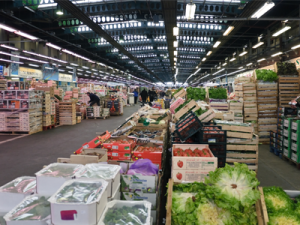
    /ˈhəʊlseɪl/

    以批發方式,大批地

    in large quantities, especially so they can be sold again to make a profit

    We only sell wholesale, not to the public.

    我們只做批發,不零售給一般大眾。

    同義詞bulkmassin quantitylarge-scale
    反義詞retailindividualsingle
  16. 16

    shortcoming(noun)

    /ˈʃɔːrtkʌmɪŋ/

    缺點,短處

    a fault in somebody’s character, a plan, a system, etc.

    Whatever his shortcomings as a husband, he was a good father to his children.

    無論他身為丈夫有什麼缺點,他對孩子來說是個好父親。

    同義詞faultweaknessdefectflawfailingimperfectiondrawback
    反義詞strengthadvantageassetperfection
  17. 17

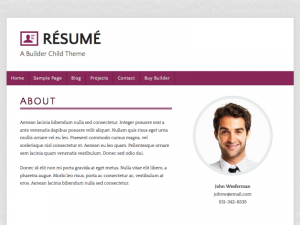
    resume(noun)

    /rɪˈzuːm/

    履歷, 履歷表

    a written record of your education and the jobs you have done, which you send when applying for a job

    She sent her résumé to fifty companies, but didn't even get an interview.

    她把履歷寄給了五十家公司,卻連一次面試機會都沒有。

    同義詞curriculum vitaeCVprofilebiosummary
    反義詞unemploymentabsenceblank
  18. 18

    creation(noun)

    /kriˈeɪʃn/

    創造,創建

    the act or process of making something that is new, or of causing something to exist that did not exist before

    It was the development of farms that led to creation of the world's first great civilisations.

    正是農場的發展促成了世界上最早幾個偉大文明的誕生。

    同義詞genesisformationgenerationinventionorigination
    反義詞destructionannihilationdemolitiondissolutionruin