第 9/16 課 · 51 個單字 · 已學會 0 個
第9課:身體
1
strong(adjective)
/strɔːŋ/
強壯的, 力氣大的
having a lot of physical power so that you can lift heavy weights, do hard physical work, etc.
He is strong enough to carry the heavy box by himself
他夠強壯,可以自己一個人搬動那個沉重的箱子。
2
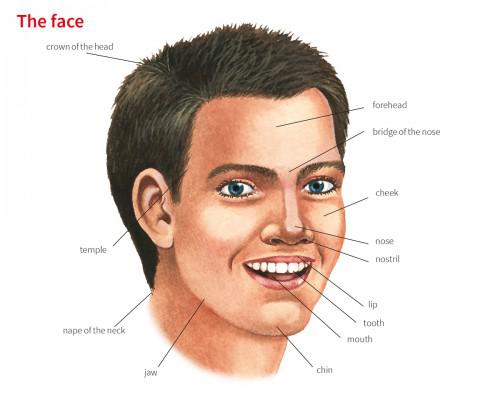
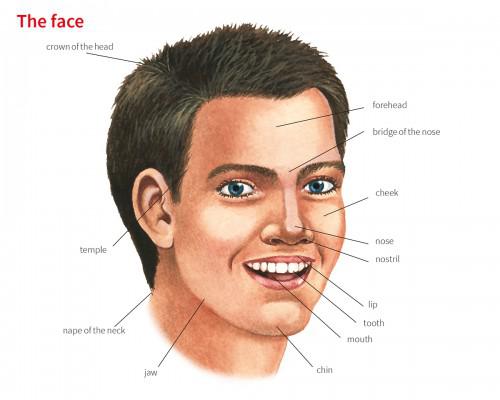
tooth(noun)
/tuːθ/
牙齒
any of the hard white structures in the mouth used for biting food
Jane had her first tooth when she was only five months.
珍只有五個月大時就長出了第一顆牙。
The cat sank its teeth into his finger.
3
blue(adjective)
/bluː/
藍色的
having the colour of a clear sky or the sea on a clear day
I have a blue pencil case.
我有一個藍色的鉛筆盒。
The room was decorated in vibrant blues and yellows.
4
fat(adjective)
/fæt/
胖的, 肥的
having too much flesh on it and weighing too much
My sister is very fat.
我姊姊很胖。
You'll get fat if you eat so much chocolate.
5
light(noun)
/laɪt/
光, 光線
the energy from the sun, a lamp, etc. that makes it possible to see things
Plants need light from the sun to grow well.
植物需要陽光才能長得好。
6
yellow(adjective)
/ˈjeləʊ/
黃色的
having the colour of lemons or butter
Is your new shirt yellow?
你的新襯衫是黃色的嗎?
the reds and yellows of the trees
7
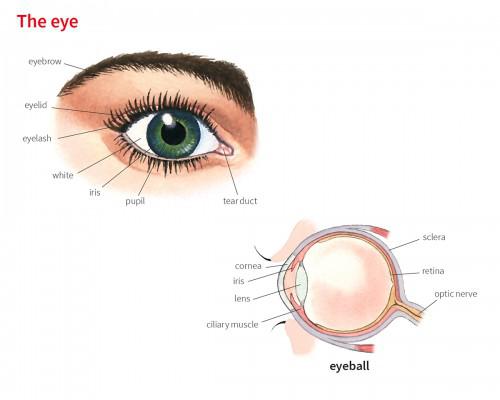
eye(noun)
/aɪ/
眼睛
either of the two organs on the face that you see with
There were tears in his eyes.
他的眼裡滿是淚水。
All eyes were on him (= everyone was looking at him) as he walked on to the stage.
8
actress(noun)
/ˈæktrəs/
女演員
a woman who performs on the stage, on television or in films, especially as a profession
She dreams about becoming an actress.
她夢想成為一位女演員。
satellite/cable/digital TV
9
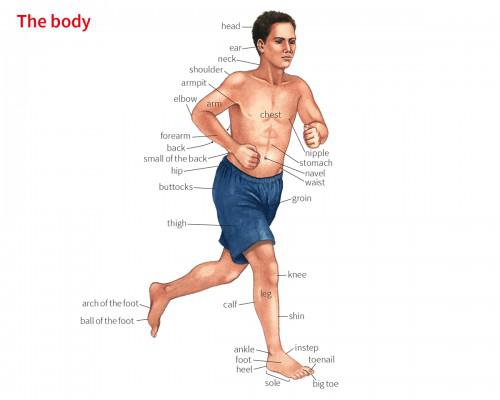
arm(noun)
/ɑːrm/
手臂,胳膊
either of the two long parts that stick out from the top of the body and connect the shoulders to the hands
The broken arm makes him uncomfortable.
手臂骨折讓他很不舒服。
The men armed themselves with sticks and stones.
10
chest(noun)
/tʃest/
胸部, 胸膛
the top part of the front of the body, between the neck and the stomach
There is a red spot on his chest.
他的胸口上有一個紅點。
a chest infection
11
white(adjective)
/waɪt/
白色的
having the colour of fresh snow or of milk
I have a white shirt.
我有一件白襯衫。
She was dressed all in white.
12
green(adjective)
/ɡriːn/
綠色的
having the colour of grass or the leaves of most plants and trees
My hat is green.
我的帽子是綠色的。
She was dressed all in green.
13
orange(noun)
/ˈɔːrɪndʒ/
柳橙, 橘子, 柳丁
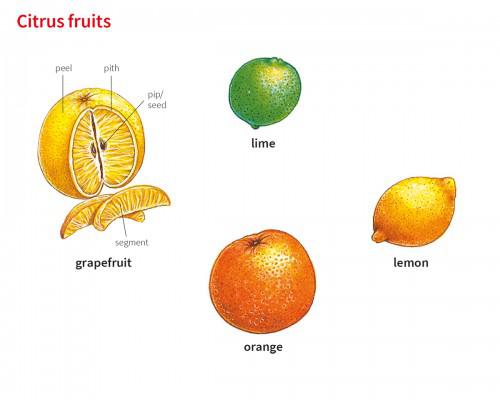
a round citrus fruit with thick skin of a colour between red and yellow and a lot of sweet juice
Would you like some orange?
你要來點柳橙嗎?
14
heavy(adjective)
/ˈhevi/
重的, 沉重的
weighing a lot; difficult to lift or move
This bag is very heavy.
這個袋子很重。
Many young people today are too heavy (= fat).
15
singer(noun)
/ˈsɪŋər/
歌手, 歌唱家
a person who sings, or whose job is singing, especially in public
Britney Spears is a famous singer.
小甜甜布蘭妮是一位著名的歌手。
an opera singer
16
round(adjective)
/raʊnd/
圓的, 圓形的
having a shape like a circle or a ball
There is a round table in the living room.
客廳裡有一張圓桌。
17
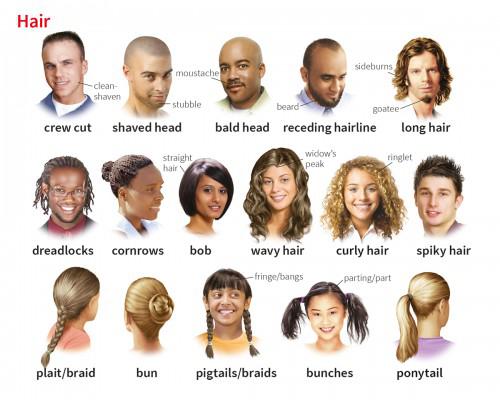
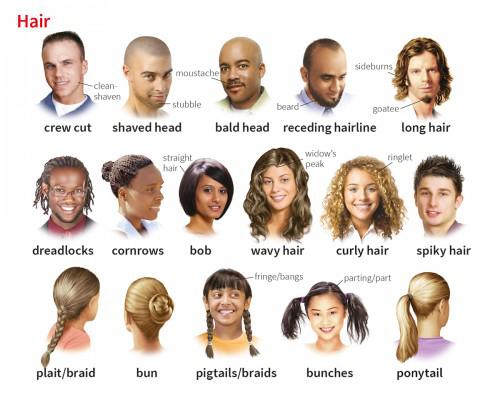
hair(noun)
/her/
頭髮, 毛髮
the substance that looks like a mass of fine threads growing on a person's head
My sister has long black hair.
我姐姐有一頭烏黑的長髮。
body/facial/pubic hair
18
weak(adjective)
/wiːk/
虛弱的, 無力的
not physically strong
He is still weak after the flu.
他得了流感之後身體還很虛弱。
She is still weak after her illness.
19
ear(noun)
/ɪr/
耳朵
either of the organs on the sides of the head that you hear with
Put your hands over your ears.
把雙手摀住耳朵。
an ear infection
20
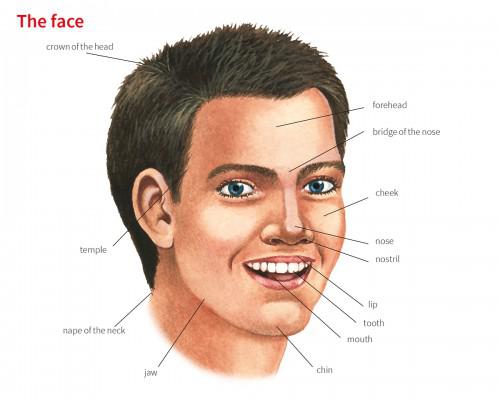
mouth(noun)
/maʊθ/
嘴, 口
the opening in the face used for speaking, eating, etc.; the area inside the head behind this opening
Please open your mouth.
請張開嘴巴。
His mouth twisted into a wry smile.
21
toe(noun)
/təʊ/
腳趾
one of the five small parts that stick out from the foot; any similar part on the foot of an animal or bird
That man has 11 toes.
那個男人有十一根腳趾。
I stubbed my toe on the step.
22
foot(noun)
/fʊt/
腳, 足
the lowest part of the leg, below the ankle, on which a person or an animal stands
He can stand on one foot very long.
他可以單腳站很久。
a foot pump(= operated using your foot, not your hand)
23
red(adjective)
/red/
紅色的
having the colour of blood or fire
I like this red dress.
我喜歡這件紅色洋裝。
She often wears red.
24
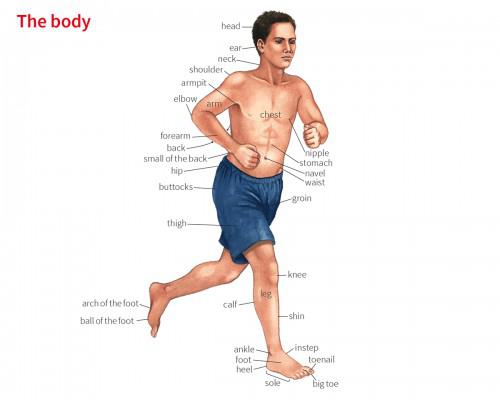
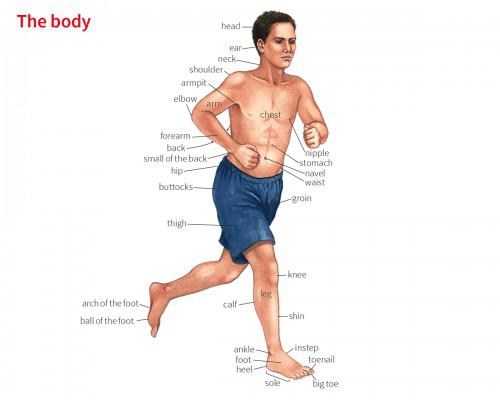
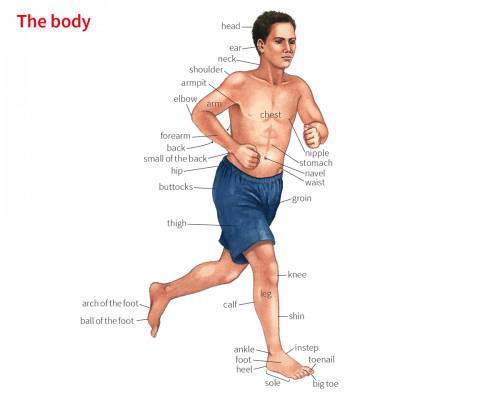
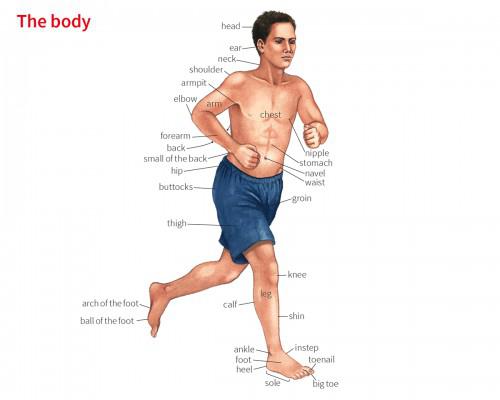
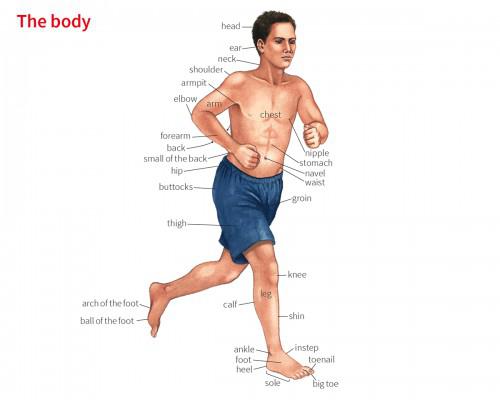
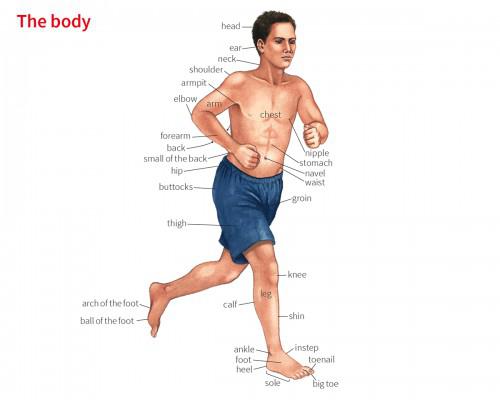
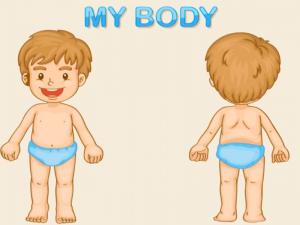
body(noun)
/ˈbɑːdi/
身體, 軀體
the whole physical structure of a human or an animal
You should keep your body clean.
你應該保持身體清潔。
body fat/weight/temperature/size/heat
25
knee(noun)
/niː/
膝蓋, 膝
the joint between the top and bottom parts of the leg where it bends in the middle
She often sits on her father’s knee while he reads her a story.
父親念故事給她聽時,她常坐在他的膝上。
I grazed my knee when I fell.
26
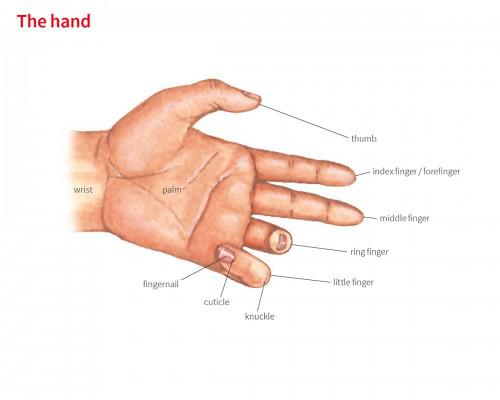
hand(noun)
/hænd/
手
the part of the body at the end of the arm, including the fingers and thumb
I want to hold your hand.
我想牽你的手。
a hand towel(= a small towel for drying your hands on)
27
finger(noun)
/ˈfɪŋɡər/
手指
one of the four long thin parts that stick out from the hand (or five, if the thumb is included)
She has very long fingers.
她的手指很長。
He was about to speak but she raised a finger to her lips.
28
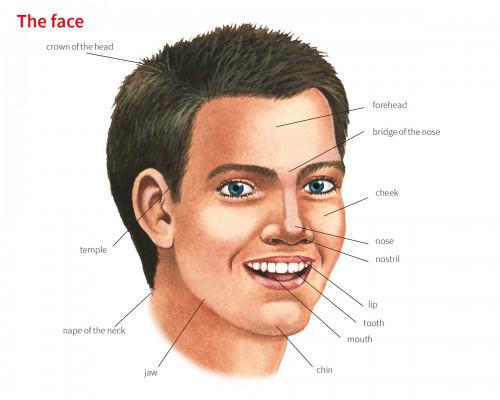
face(noun)
/feɪs/
臉, 面孔
the front part of the head, where the eyes, nose and mouth are
She has a round face and big brown eyes.
她有一張圓臉和一雙棕色的大眼睛。
29
black(adjective)
/blæk/
黑的, 黑色的
having the very darkest colour, like coal or the sky at night
I have a black dress.
我有一件黑色洋裝。
Everyone at the funeral was dressed in black.
30
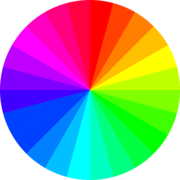
colour(noun)
/ˈkʌlər/
顏色, 色彩
the appearance that things have that results from the way in which they reflect light. Red, orange and green are colours .
What colour do you like?
你喜歡什麼顏色?
31
leg(noun)
/leɡ/
腿, 腳
one of the long parts that connect the feet to the rest of the body
How many legs does an ant have?
螞蟻有幾隻腳?
How many legs does a centipede have?
32
shoulder(noun)
/ˈʃəʊldər/
肩膀, 肩
either of the two parts of the body between the top of each arm and the neck
He carried the child on his shoulders.
他把孩子扛在肩上。
She tapped him on the shoulder.
33
head(noun)
/hed/
頭,頭部
the part of the body on top of the neck containing the eyes, nose, mouth and brain
She shakes her head when she doesn't agree.
她不同意時會搖頭。
He shook his head in disbelief.
34
long(adjective)
/lɔːŋ/
長的
measuring or covering a great length or distance, or a greater length or distance than usual
Her hair is very long.
她的頭髮很長。
It was the world's longest bridge.
35
lip(noun)
/lɪp/
嘴唇, 唇
either of the two soft edges at the opening to the mouth
Her lips are quite thin.
她的嘴唇相當薄。
The assistant pursed her lips.
36
purple(adjective)
/ˈpɜːrpl/
紫色的
having the colour of blue and red mixed together
My mother likes this purple hat.
我媽媽喜歡這頂紫色的帽子。
His face was purple with rage.
37
brown(adjective)
/braʊn/
棕色的, 褐色的
having the colour of earth or coffee
Do you like this brown table?
你喜歡這張棕色的桌子嗎?
leaves of various shades of brown
38
actor(noun)
/ˈæktər/
演員, 男演員
a person who performs on the stage, on television or in films, especially as a profession
He is a famous actor.
他是一位有名的演員。
39
oval(adjective)
/ˈəʊvl/
橢圓形的, 鵝蛋形的
like an egg in shape
She has an oval face.
她有一張鵝蛋臉。
40
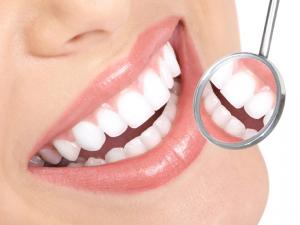
teeth(noun)
/tiːθ/
the plural of tooth; the hard white parts in your mouth used for biting and chewing
I always brush my teeth three times a day.
我總是一天刷三次牙。
41
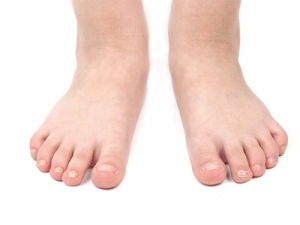
feet(noun)
/fiːt/
腳, 雙腳
the plural of foot: the parts of the body at the ends of the legs, on which you stand
You have to wash your feet before going to bed.
你睡前必須洗腳。
42
good-looking(adjective)
/ˌɡʊd ˈlʊkɪŋ/
好看的, 英俊的, 漂亮的
physically attractive
Your sister is good-looking.
你姊姊長得很好看。
43
gray(adjective)
/ɡreɪ/
灰色的
having the colour of smoke or ashes
Do you see my gray pen?
你有看到我的灰色筆嗎?
44
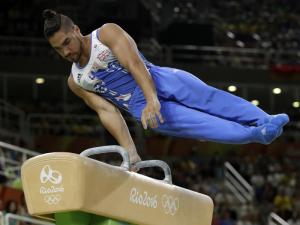
gymnast(noun)
/ˈdʒɪmnæst/
體操選手
a person who performs gymnastics , especially in a competition
My brother is a gymnast.
我哥哥是體操選手。
45
handsome(adjective)
/ˈhænsəm/
英俊的, 帥的
attractive
He is very handsome.
他非常英俊。
46
nose(noun)
/nəʊz/
鼻子
the part of the face that sticks out above the mouth, used for breathing and smelling things
Her mother has a sharp nose.
她媽媽有一個挺(尖)的鼻子。
47
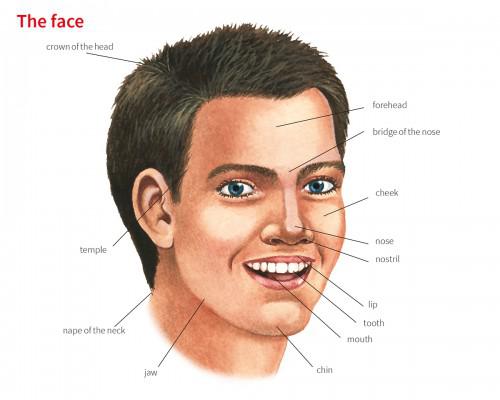
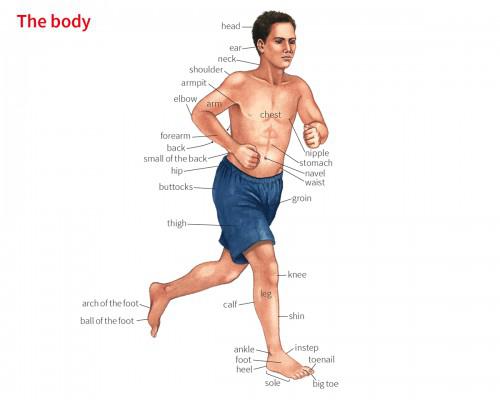
parts of the body(phrase)
/pɑ
身體部位, 身體各部位
the different sections of the human body, such as the head, arms and legs
Can you name the main parts of the body?
你能說出身體的主要部位嗎?
48
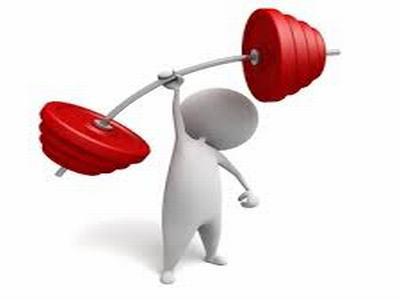
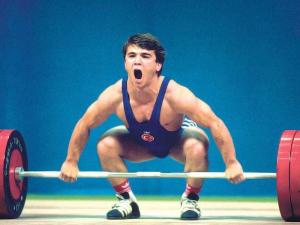
weight lifter(noun)
/ˈweɪt lɪftə(r)/
舉重選手
a person who lifts heavy weights as a sport or in competitions
He is a weight lifter.
他是舉重選手。
49
thin(adjective)
/θɪn/
瘦的, 瘦削的
(of a person or part of the body) not covered with much flesh
My father is very thin.
我爸爸很瘦。
50
short(adjective)
/ʃɔːrt/
矮的
(of a person) small in height
He is short and fat.
他又矮又胖。
51
full(adjective)
/fʊl/
飽的
having had enough to eat and not wanting any more
I can't eat any more cake because I'm full.
我吃不下蛋糕了,因為我已經飽了。