पाठ 10/16 · 48 शब्द · 0 याद हो गए
Lesson 10: NATURE IN DANGER
पाठ 10: ख़तरे में प्रकृति
वर्तमान में
at the present time
Currently, customers are demanding big discounts for bulk orders
वर्तमान में, ग्राहक थोक आदेशों के लिए भारी छूट की मांग कर रहे हैं।
We are currently exploring plans to update the MX3 model.
समानार्थीnowat presentpresentlyat the momenttodayin these timesविलोमformerlypreviouslyin the pastearlierपरिणाम
a result of something that has happened, especially an unpleasant result
As a consequence of not having seen a dentist for several years, Lydia had several cavities.
कई वर्षों तक दंत चिकित्सक को न दिखाने के परिणामस्वरूप, लिडिया को कई कैविटीज़ हो गईं।
The consequence of not following the service instructions for your car is that the warranty is invalidated
समानार्थीresultoutcomeeffectramificationaftermathsequelविलोमcauseoriginantecedentsourcereasonप्रचुर
existing in large quantities; more than enough
The computer analyst was glad to have chosen a field in which jobs were abundant
कंप्यूटर विश्लेषक को यह जानकर खुशी हुई कि उसने एक ऐसा क्षेत्र चुना है जिसमें नौकरियाँ प्रचुर मात्रा में थीं।
The recruiter was surprised by the abundant number of qualified applicants
समानार्थीplentifulcopiousampleprofuselavishteemingविलोमscarceraredeficientlackingmeagerinsufficientबनाए रखना
to make something continue at the same level, standard, etc.
I've been maintaining a list of office supplies that are in greatest demand
मैं कार्यालय की उन सामग्रियों की एक सूची बनाए रख रहा हूं जिनकी सबसे अधिक मांग है।
Trying to maintain two different stockrooms is too much work
समानार्थीpreserveconserveupholdsustainkeepretainsupportcontinueविलोमneglectabandondiscontinuedestroyabolishignoreअनुमान लगाना, आकलन करना
to judge roughly how much time, effort or money a task or project will need
The developers estimated that the migration would take three sprints.
डेवलपरों ने अनुमान लगाया कि माइग्रेशन में तीन स्प्रिंट लगेंगे।
It is hard to estimate a task when the requirements are unclear.
समानार्थीapproximatecalculategaugejudgeassessevaluatepredictreckonविलोमmeasurecalculatedetermineascertainexactकोष
an amount of money that has been saved or has been made available for a particular purpose
He will have access to his trust fund when he is 21 years old
जब वह 21 वर्ष का होगा तो उसे अपने ट्रस्ट फंड तक पहुंच प्राप्त होगी।
The company will fund the trip to the conference
समानार्थीpoolstockcapitalendowmentkittyreserveresourcesविलोमdebtliabilitydeficitप्रभाव, असर
the effect that somebody/something has on the way a person thinks or behaves or on the way that something works or develops
Television has a strong influence on the way children think and behave.
टेलीविज़न का बच्चों के सोचने और व्यवहार करने के तरीके पर गहरा प्रभाव पड़ता है।
समानार्थीaffectimpactswaypersuadecontrolguidemanipulateविलोमignoreneglectresistdeterdissuadeप्रभाव (prabhav)
the powerful effect that something has on somebody/something
The story of the presidential scandal had a huge impact on the public
राष्ट्रपति के घोटाले की कहानी का जनता पर बहुत बड़ा प्रभाव पड़ा।
The impact of the news coverage is yet to be known
समानार्थीeffectinfluenceforceconsequencerepercussionresultविलोमnegligibilityfailureunimportanceजीवित रहना (jeevit rehna)
to continue to live or exist
These plants cannot survive in very cold conditions.
ये पौधे बहुत ठंडी परिस्थितियों में जीवित नहीं रह सकते।
Some strange customs have survived from earlier times.
समानार्थीendurepersistlivewithstandcopeget byविलोमdieperishsuccumbexpireपकड़ना, क़ैद करना
to catch a person or an animal and keep them as a prisoner or shut them in a space that they cannot escape from
The hunters captured the rare bird and sold it to a zoo.
शिकारियों ने दुर्लभ पक्षी को पकड़ लिया और चिड़ियाघर को बेच दिया।
समानार्थीseizeapprehendarrestnabsnatchsecuretakecatchविलोमreleaseliberatefreeloseabandonfailसंरक्षित करना, सहेजना
to keep something in its original state or in good condition
We must preserve these forests for future generations.
हमें आने वाली पीढ़ियों के लिए इन जंगलों को संरक्षित रखना चाहिए।
समानार्थीconservemaintainprotectsafeguardkeepsaveupholdविलोमdestroydamageneglectabandondiscardछोड़ना, बहाना, उत्सर्जित करना
to release a liquid, gas or other substance into a place
The river is diverted through the power station before discharging into the sea.
नदी को बिजलीघर से होकर मोड़ा जाता है और फिर वह समुद्र में जा गिरती है।
समानार्थीreleaseemitexpelejectreleaseemissionreleasedismissविलोमretainholdkeepdetainabsorbप्रभावशाली
having a lot of influence on somebody/something
She wanted to work for a bigger and more influential newspaper.
वह एक बड़े और अधिक प्रभावशाली अखबार के लिए काम करना चाहती थी।
समानार्थीpowerfuleffectiveimportantsignificantdominantleadingविलोमpowerlessineffectiveinsignificantweakminorप्रदूषक (pradushak)
a substance that pollutes something, especially air and water
These pollutants are extremely dangerous and harmful.
ये प्रदूषक अत्यंत खतरनाक और हानिकारक हैं।
समानार्थीcontaminanttoxineffluentemissionwastedirtimpuritiesविलोमcleanserpurifierdecontaminantcleaning agentखतरे में डालना
to put somebody/something in a situation in which they could be harmed or damaged
Smoking endangers children's health.
धूम्रपान बच्चों के स्वास्थ्य को खतरे में डालता है।
समानार्थीjeopardizeimperilthreatenhazardcompromiseriskविलोमprotectsafeguardguarddefendpreserveप्रदूषित करना
to add dirty or harmful substances to land, air, water, etc. so that it is no longer pleasant or safe to use
People should not pollute their environment.
लोगों को अपने पर्यावरण को प्रदूषित नहीं करना चाहिए।
समानार्थीcontaminatetaintdefilefouldirtycorruptdebaseविलोमpurifycleansanitizedecontaminatepreserveदृश्य (drishya)
the natural features of an area, such as mountains, valleys, rivers and forests, when you are thinking about them being attractive to look at
We stopped to admire the scenery.
हम दृश्य की प्रशंसा करने के लिए रुके।
समानार्थीlandscapeviewvistaoutlooksettingpanoramaविलोमplainnesseyesoreuglinessसंतान, बच्चे
a child or children of a particular person, or the young of an animal
In the case of the Guinea pig, the number of offspring varies between two and five.
गिनी पिग के मामले में, संतानों की संख्या दो से पाँच के बीच होती है।
समानार्थीchildrendescendantsprogenyissueyoungविलोमparentancestorforebearसंकटग्रस्त
(used especially about groups of animals, plants, etc.) at risk of no longer existing
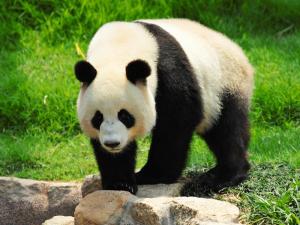
The panda is one of the most endangered species.
पांडा सबसे संकटग्रस्त प्रजातियों में से एक है।
समानार्थीthreatenedat riskimperiledjeopardizedvulnerableविलोमsafeprotectedsecurethrivingflourishingप्रजाति (prajaati)
a group into which animals, plants, etc. that are able to have sex with each other and produce healthy young are divided, smaller than a genus and identified by a Latin name
Over a hundred species of insect are found in this area.
इस क्षेत्र में सौ से अधिक प्रकार के कीड़े पाए जाते हैं।
समानार्थीkindsorttypevarietybreedgenusclassificationविलोमindividualsingularहर दृष्टि से, सभी मामलों में
in every way or detail; completely.
In all respects, the new film is better than the original.
हर दृष्टि से यह नई फ़िल्म मूल फ़िल्म से बेहतर है।
समानार्थीin every wayin every aspectby all accountsaltogetherentirelyfullyविलोमin some wayspartiallyin certain aspectsका परिणाम होना, के कारण होना
to make something happen; to cause a particular situation or effect.
This can result in severe problems.
इसके परिणामस्वरूप गंभीर समस्याएँ हो सकती हैं।
समानार्थीcauselead toproducegeneratecreatebring aboutgive rise toविलोमpreventhinderstopavertprecludeदुर्लभ जानवर
animals that are not often found because few of them still exist.
Rare animals should be strictly protected.
दुर्लभ जानवरों को सख्ती से संरक्षित किया जाना चाहिए।
समानार्थीuncommon animalsscarce animalsendangered speciesunusual animalsविलोमcommon animalsabundant animalswidespread animalsपरिणामस्वरूप, इसके फलस्वरूप
used to say that something happens because of something else mentioned before.
He was lazy and, as a result, he failed the exam.
वह आलसी था और परिणामस्वरूप परीक्षा में फ़ेल हो गया।
समानार्थीconsequentlythereforethushenceaccordinglyविलोमbecausesincedue toowing toविलुप्ति (vilupti)
a situation in which a plant, an animal, a way of life, etc. stops existing
The extinction of the dinosaurs occurred millions of years ago.
डायनासोर का विलोपन लाखों साल पहले हुआ था।
समानार्थीeradicationobliterationexterminationdying outvanishingdemiseविलोमbirthcreationgenesisemergencesurvivalexistenceनिषेध
the act of stopping something being done or used, especially by law
The local government has announced a prohibition against the hunting of whales.
स्थानीय सरकार ने व्हेल के शिकार पर निषेध की घोषणा की है।
समानार्थीbanrestrictioninterdictionvetoembargoforbiddanceविलोमpermissionallowanceauthorizationconsentapprovalsanctionदखल देना, हस्तक्षेप करना
to get involved in and try to influence a situation that should not really involve you, in a way that annoys other people
It's their problem and I'm not going to interfere.
यह उनकी समस्या है और मैं दखल नहीं दूँगा।
समानार्थीintervenemeddleintrudeobtrudebutt intamperinterjectविलोमstay outabstainleave aloneignoredisregardहस्तक्षेप (hastakshep)
the act of getting involved in and trying to influence a situation that should not really involve you, in a way that annoys other people
She moved to another part of the country to escape her mother's continual interference in her private life.
वह अपनी माँ के निजी जीवन में लगातार हस्तक्षेप से बचने के लिए देश के दूसरे हिस्से में चली गई।
समानार्थीinterventionintrusionmeddlinginvolvementobstructionimpedimentविलोमsupportassistancehelpaidfacilitationउत्तरजीविता
the state of continuing to live or exist, often despite difficulty or danger
His survival during the storm surprised everybody.
तूफान के दौरान उसका जीवित रहना सभी को आश्चर्यचकित कर गया।
समानार्थीexistencecontinuancepreservationrescuerecoveryenduranceविलोमdeathdemiseextinctionfailureसह-अस्तित्व
to exist together at the same time or in the same place, especially peacefully
I wish the Earth could be a happy planet where human beings, animals, and plants peacefully co-exist.
काश पृथ्वी एक खुशहाल ग्रह होती जहाँ मनुष्य, जानवर और पौधे शांतिपूर्वक सह-अस्तित्व में होते।
समानार्थीexist togetherlive togetherharmonizeget alonglive side by sideविलोमconflictclashopposecompetefightसह-अस्तित्व (sah-astitva)
the state of being together in the same place at the same time, especially living peacefully
The two communities enjoyed a period of peaceful coexistence.
दोनों समुदायों ने शांतिपूर्ण सह-अस्तित्व की अवधि का आनंद लिया।
समानार्थीliving togetherharmonyaccordmutualisminterdependenceविलोमconflictdiscordantagonismseparationdivisionडायनासोर (daayanaasor)
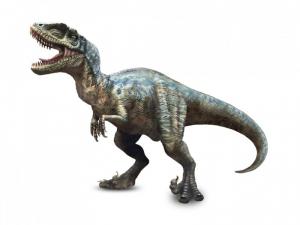
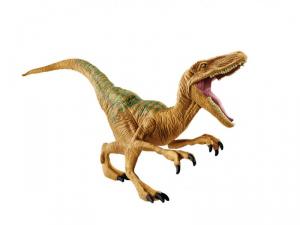
an animal that lived millions of years ago but is now extinct (= it no longer exists) . There were many types of dinosaur , some of which were very large.
Dinosaurs became extinct millions of years ago.
डायनासोर लाखों साल पहले विलुप्त हो गए। (daayanaasor laakhon saal pahale vilupt ho gae.)
समानार्थीgiant reptileprehistoric reptileविलोमmodern animalextant animalमनोरंजन, आमोद-प्रमोद
the way in which people enjoy themselves when they are not working; a particular activity people do for fun.
We shouldn’t hunt or capture animals for recreation.
हमें मनोरंजन के लिए जानवरों का शिकार नहीं करना चाहिए और न ही उन्हें पकड़ना चाहिए।
समानार्थीentertainmentleisureamusementrelaxationpastimefunenjoymentविलोमworklaborbusinessresponsibilitydutyखेती
the preparation and use of land for growing plants or crops
Using fertilizers and pesticides for cultivation is dangerous to the environment.
खेती के लिए उर्वरकों और कीटनाशकों का उपयोग करना पर्यावरण के लिए खतरनाक है।
समानार्थीfarminggrowingtillagecultureagricultureraisingdevelopmentविलोमdestructionneglectabandonmentहतोत्साहित करना, निराश करना
to make somebody feel less confident or enthusiastic about doing something.
Telling that story before an exam might discourage our children.
परीक्षा से पहले वह कहानी सुनाना हमारे बच्चों को हतोत्साहित कर सकता है।
समानार्थीdisheartendauntdemoralizedissuadedeterinhibitweakenविलोमencourageinspiremotivatesupportcheeremboldenनिराशा (niraasha)
a feeling that you no longer have the confidence or enthusiasm to do something
His comments created a feeling of discouragement.
उसकी टिप्पणियों से निराशा की भावना पैदा हुई।
समानार्थीdishearteningdespondencydisillusionmentdejectiondisappointmentfrustrationapathyविलोमencouragementinspirationhopemotivationoptimism