पाठ 11/16 · 48 शब्द · 0 याद हो गए
Lesson 11: SOURCES OF ENERGY
पाठ 11: ऊर्जा के स्रोत
खपत करना (khapat karna)
to use something, especially fuel, energy or time
The printer consumes more toner than the downstairs printer
यह प्रिंटर नीचे के प्रिंटर की तुलना में अधिक टोनर की खपत करता है।
The business plans consumed all of Fritz's attention this fall
समानार्थीusedevourexpenddepleteexhaustutilizeabsorbविलोमconservepreservesaveproducecreatehoardसख्ती से (sakhtee se)
with a lot of control and rules that must be obeyed
Our store strictly enforces its return policy
हमारी दुकान अपनी वापसी नीति को सख्ती से लागू करती है।
Their high turnover rate is no surprise, considering how strictly the manager deals with them
समानार्थीrigidlyfirmlyabsolutelypreciselycloselyexactlystringentlyविलोमlooselylenientlyflexiblymildlyरुझान
a general direction in which a situation is changing or developing
The clothing store tries to stay on top of all the new trends
कपड़ों की दुकान सभी नए रुझानों के साथ बने रहने की कोशिश करती है।
Mioshi followed market trends closely before she bought a clothing franchise
समानार्थीfashionvoguestylecrazefaddirectionmovementविलोमstabilitytraditionstagnationold-fashionedclassicप्रयोग (prayog)
a scientific test that is done in order to study what happens and to gain new knowledge
Product developers must conduct hundreds of experiments in their research
उत्पाद विकासकों को अपने शोध में सैकड़ों प्रयोग करने चाहिए।
After designing a new product, researchers continue experimenting to determine whether it has other uses
समानार्थीtesttrialinvestigationstudyprocedureobservationविलोमtheoryguessconjecturespeculationमाँग, मांग
a very strong request for something; something that somebody needs
The demand for electricity rises sharply during the hot summer months.
गर्मियों के महीनों में बिजली की माँग तेज़ी से बढ़ जाती है।
समानार्थीrequireneedinsistclaimexactrequestaskorderविलोमoffergivesupplyprovideforgosuggestwaiveसंभावित
that can develop into something or be developed in the future
To avoid any potential side effects from the medication, be sure to tell your doctor all the drugs you are currently taking
दवा के किसी भी संभावित दुष्प्रभाव से बचने के लिए, अपने डॉक्टर को उन सभी दवाओं के बारे में बताना सुनिश्चित करें जो आप वर्तमान में ले रहे हैं।
Given the potential delay in getting reimbursed by the health plan, why don't we just fill one prescription today?
समानार्थीpossiblelikelyconceivableprospectivefuturelatentविलोमactualrealcertaindefiniteunlikelyबाड़ (baad)
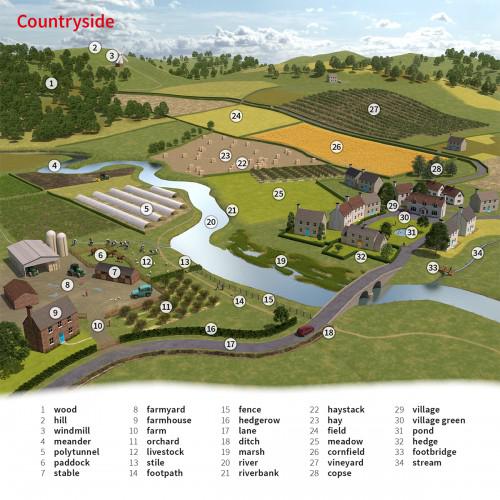
a structure made of wood or wire supported with posts that is put between two areas of land as a boundary , or around a garden, field, etc. to keep animals in, or to keep people and animals out
There is a white fence around his house.
उसके घर के चारों ओर एक सफेद बाड़ है।
a green fence
समानार्थीbarrierenclosurehedgewallrailingविलोमopen spaceunfenced areaहानिकारक
causing damage or injury to somebody/something, especially to a person’s health or to the environment
This group of chemicals is harmful to people.
रसायनों का यह समूह लोगों के लिए हानिकारक है।
Fruit juices can be harmful to children's teeth.
समानार्थीdetrimentalinjuriousperniciousdamagingdeleteriousविलोमharmlessbeneficialsafeinnocuousadvantageousज़रूरत होना, चाहिए
to require something/somebody because they are essential or very important, not just because you would like to have them
Do you need me to help?
क्या तुम्हें चाहिए कि मैं मदद करूँ?
to satisfy/meet/identify a need
समानार्थीrequiredemandlackwantdesireविलोमhavepossesssupplywant for nothingअनुपात (anupaat)
a part or share of a whole
A higher proportion of Americans go on to higher education than is the case in Britain.
ब्रिटेन की तुलना में अमेरिका में उच्च शिक्षा प्राप्त करने वाले लोगों का अनुपात अधिक है।
Loam is a soil with roughly equal proportions of clay, sand and silt.
समानार्थीratiopercentagefractionsharepartamountextentdegreeविलोमimbalancedisproportioninequalitywholeनुकसान, हानि
damage or injury that is caused by a person or an event
Pollution from burning coal causes serious harm to the environment.
कोयला जलाने से होने वाला प्रदूषण पर्यावरण को गंभीर नुकसान पहुँचाता है।
समानार्थीhurtinjuredamagewoundafflictmaltreatविलोमhelpaidassistbenefitprotecthealजीवाश्म ईंधन (jeevashm indhan)
fuel such as coal or oil that was formed over millions of years from parts of dead animals or plants
Fossil fuels include fuels such as gas, coal and oil formed underground millions of years ago from plant and animal remains .
जीवाश्म ईंधन में गैस, कोयला और तेल जैसे ईंधन शामिल हैं जो लाखों साल पहले पौधों और जानवरों के अवशेषों से भूमिगत रूप से बने थे।
समानार्थीnon-renewable energyconventional fuelhydrocarbon fuelविलोमrenewable energysustainable energygreen energyएकांतर, बारी-बारी से होने वाला
happening or following one after the other regularly
We had a week of alternate sunshine and heavy rain.
हमने एक हफ़्ते तक बारी-बारी से धूप और भारी बारिश देखी।
समानार्थीsubstitutereplaceexchangerotateinterchangeswitchविलोमkeepremainstayconstantsameपारिस्थितिकी (paaristhitiki)
the relation of plants and living creatures to each other and to their environment; the study of this
She hopes to study ecology at college.
उसे कॉलेज में पारिस्थितिकी का अध्ययन करने की उम्मीद है।
समानार्थीenvironmental scienceenvironmentalismbiotic scienceविलोमnone (ecology as a field of study doesn't have a direct antonym. Related fields like urban planning might be considered distantly opposite in some contexts.)समाप्त कर देना, खत्म कर देना
to use all of something so that there is none left
We are quickly exhausting the world's supplies of oil and coal.
हम दुनिया के तेल और कोयले के भंडार तेज़ी से खत्म करते जा रहे हैं।
समानार्थीdepletedrainconsumefatiguetirewear outविलोमreplenishrestorereviveenergizeनवीकरणीय
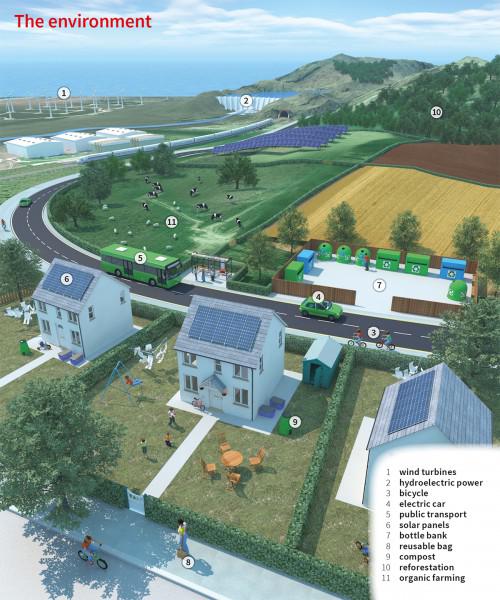
that is replaced naturally or controlled carefully and can therefore be used without the risk of using it all up
There are some renewable energy sources such as wind and wave power.
पवन और तरंग ऊर्जा जैसे कुछ नवीकरणीय ऊर्जा स्रोत हैं।
समानार्थीsustainableregenerativereplenishablerestorableविलोमnonrenewablefiniteexhaustibledepletableखपत (khapat)
the act of using energy, food or materials; the amount used
Industrialized countries should reduce their energy consumption.
औद्योगिक देशों को अपनी ऊर्जा खपत कम करनी चाहिए।
समानार्थीuseutilizationexpendituredepletionspendingabsorptionविलोमconservationpreservationsavingproductioncreationजीवाश्म (jeevashm)
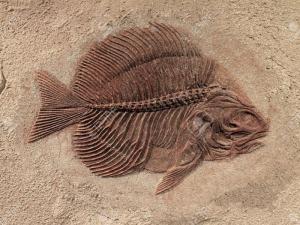
the parts of a dead animal or a plant that have become hard and turned into rock
Fossils of early reptiles were found in this area.
इस क्षेत्र में प्रारंभिक सरीसृपों के जीवाश्म पाए गए।
समानार्थीrelicremnantpetrificationarchetypeविलोमmodern creationrecent artifactसमाप्त, चुका हुआ
(of a supply of something) completely used up so that none is left
If we keep burning oil and coal so fast, they will soon be exhausted.
अगर हम तेल और कोयला इतनी तेज़ी से जलाते रहे, तो वे जल्द ही समाप्त हो जाएँगे।
समानार्थीtireddrainedfatiguedwearyspentdepletedविलोमenergeticrefreshedinvigoratedrestedvigorousसमाप्ति, क्षय
the act of using something until it is completely finished
The rapid exhaustion of fossil fuels is a serious problem for the world.
जीवाश्म ईंधनों का तेज़ी से खत्म होना दुनिया के लिए एक गंभीर समस्या है।
समानार्थीfatiguewearinesstirednessburnoutdebilitationlassitudeविलोमenergyvitalitystrengthinvigorationfreshnessपरमाणु ऊर्जा (paramanu oorja)
a powerful form of energy produced by changing matter into energy by splitting the nuclei (= central parts) of atoms . It is used to produce electricity.
I think nuclear energy will be widely used in the future.
मुझे लगता है कि परमाणु ऊर्जा का भविष्य में व्यापक रूप से उपयोग किया जाएगा।
समानार्थीatomic energyatomic powernuclear powerविलोमrenewable energysolar energywind energyhydroelectric energyनाभिक, केंद्रक
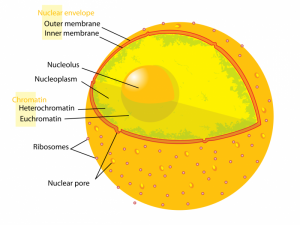
the part of an atom that contains most of its mass and that carries a positive electric charge
Splitting the nucleus of an atom releases a huge amount of energy.
परमाणु के नाभिक को विखंडित करने से भारी मात्रा में ऊर्जा निकलती है।
समानार्थीcorecenterheartkernelविलोमsurfaceexteriorperipheryedgeभूतापीय (bhutaapiy)
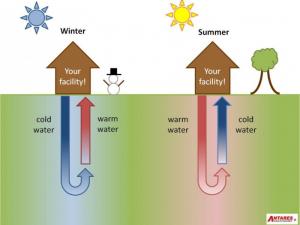
connected with the natural heat of rock deep in the ground
They are going to build a geothermal power station in this area.
वे इस क्षेत्र में एक भूतापीय विद्युत स्टेशन बनाने जा रहे हैं।
समानार्थीearth-heatgeothermicvolcanicविलोमconventionalfossil fuelnon-geothermalभूतापीय ऊष्मा
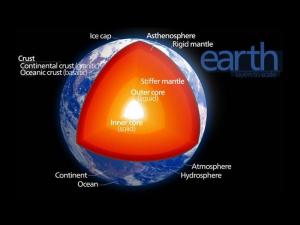
heat that comes from deep inside the earth, which can be used to produce energy
Geothermal heat comes from deep inside the Earth.
भूतापीय ऊष्मा पृथ्वी के अंदर गहराई से आती है।
समानार्थीgeothermal energyearth heatground heatविलोमsurface heatsolar heatबांध
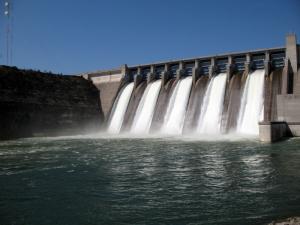
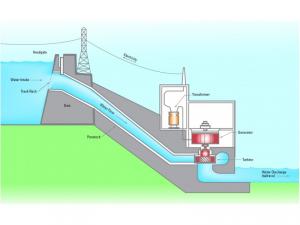
a barrier that is built across a river in order to stop the water from flowing, used especially to make a reservoir (= a lake for storing water) or to produce electricity
Dams have to be built in order to use this kind of energy.
इस तरह की ऊर्जा का उपयोग करने के लिए बांधों का निर्माण करना पड़ता है।
समानार्थीbarrierweirreservoirfloodgatelockembankmentविलोमopeningchannelgapbreachleakसौर पैनल
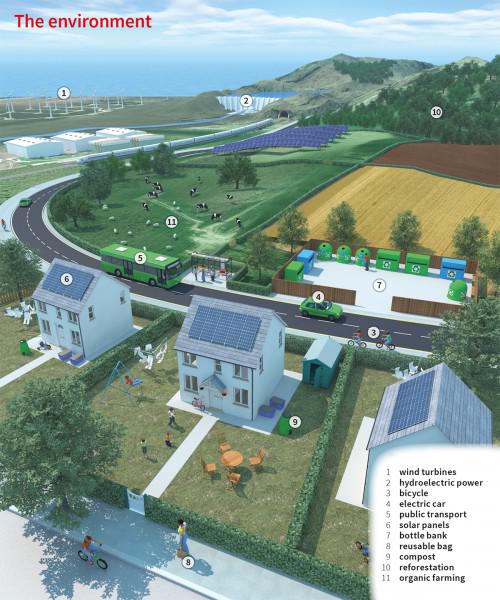
a piece of equipment, often on the roof of a building, that uses light and heat energy from the sun to produce hot water and electricity
Solar panels are used to power satellites.
सौर पैनलों का उपयोग उपग्रहों को बिजली देने के लिए किया जाता है।
समानार्थीphotovoltaic panelsolar cell arrayPV panelविलोमconventional power sourcefossil fuel generatorउपयोग करना, लाभ उठाना
to use something, especially in a way that gives you an advantage
How to make full use of the alternative sources of energy is a really big question.
ऊर्जा के वैकल्पिक स्रोतों का पूरा उपयोग कैसे किया जाए, यह वाकई एक बड़ा सवाल है।
समानार्थीutilizeemployexploitcapitalize onleverageविलोमwastesquandermisuseneglectसमारोह (samaaroh)
a public or religious occasion that includes a series of formal or traditional actions
The graduation ceremony lasted 4 hours.
स्नातक समारोह 4 घंटे तक चला। (Snaatak samaaroh 4 ghante tak chalaa.)
समानार्थीriteobservanceformalityservicefunctioncelebrationpageantsolemnityविलोमinformalityspontaneitycasualnessपरमाणु भट्टी (parmanu bhatti)
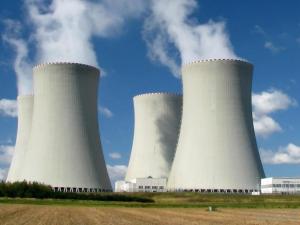
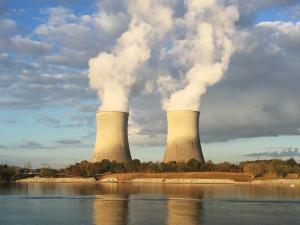
a large structure used to produce nuclear energy
Radiation from a nuclear reactor is very dangerous.
एक परमाणु भट्टी से निकलने वाला विकिरण बहुत खतरनाक होता है।
समानार्थीatomic pilefission reactorविलोमNone (antonyms relate to components or replacementsnot the reactor itself.)Renewable energy source (conceptual antonym)जलविद्युत, पनबिजली
electricity produced using the power of water
Many countries use rivers and dams to produce hydroelectricity for their homes and factories.
कई देश अपने घरों और कारखानों के लिए जलविद्युत बनाने के लिए नदियों और बाँधों का उपयोग करते हैं।
समानार्थीwater powerhydro powerविलोमthermal electricitynuclear electricityfossil fuel electricityखत्म हो जाना, चुक जाना
to be used up or finished so that there is none left
Our major sources of energy are running out.
हमारे ऊर्जा के प्रमुख स्रोत खत्म होते जा रहे हैं।
समानार्थीdepleteexhaustdiminishdwindlebe used upfinishwaneविलोमreplenishincreasegrowaboundaccumulateनवीकरण, पुनर्जीवन
a situation in which something begins again after it stopped or was interrupted
Forests need many years for natural renewal after the trees are cut down.
पेड़ कटने के बाद जंगलों को प्राकृतिक रूप से फिर से उगने में कई वर्ष लगते हैं।
समानार्थीextensionresumptionreactivationrevivalrestorationविलोमterminationexpirationcancellationlapseपारिस्थितिकीविद् (paaristikivigya)
a scientist who studies ecology
An ecologist studies the natural relationships between the air, land, water, animals, plants, etc.
एक पारिस्थितिकीविद् हवा, भूमि, पानी, जानवरों, पौधों आदि के बीच प्राकृतिक संबंधों का अध्ययन करता है।
समानार्थीconservationistenvironmental scientistenvironmental biologistnature scientistविलोमdeveloperexploiterपारिस्थितिकीय
connected with the relation of plants and living creatures to each other and to their environment
The destruction of the rain forests is an ecological disaster.
वर्षा वनों का विनाश एक पारिस्थितिक आपदा है।
समानार्थीenvironmentalnaturalbioticविलोमnon-ecologicalartificialunnaturalकंधे उचकाना
to raise your shoulders and then drop them to show that you do not know or care about something
He shrugged his shoulders as if to say that there was nothing he could do about it.
उसने अपने कंधे उचकाए मानो कह रहा हो कि वह इसके बारे में कुछ नहीं कर सकता।
समानार्थीhunchraisedraw upmove upwarddismissविलोमstraightenaffirmacknowledgeआसपास का
that is near or around something
A lot of the children at the school come from the surrounding countryside.
स्कूल में बहुत सारे बच्चे आसपास के ग्रामीण इलाकों से आते हैं।
समानार्थीneighboringadjacentnearbyvicinalenclosingencompassingविलोमdistantremotefar-offremovedवैकल्पिक, अलग
that can be used instead of something else; different from the usual or traditional way
To lower the cost of health insurance, my employer chose an alternative method of insuring us
स्वास्थ्य बीमा की लागत घटाने के लिए मेरे नियोक्ता ने हमारा बीमा करने का एक वैकल्पिक तरीका चुना।