コンテンツへスキップ

レッスン16/16 · 26語 · 覚えた単語 0

Lesson 16: THE ASSOCIATION OF SOUTHEAST ASIAN NATIONS

第16課:東南アジア諸国連合(ASEAN)

  1. 1

    stable(adjective)

    /ˈsteɪbl/

    安定した, 安定的な

    fixed or steady; not likely to move, change or fail

    The country has had a stable government and a growing economy for many years.

    その国は長年、安定した政権と成長する経済を保ってきた。

    類義語steadyfirmsecurefixedconstantreliabledependable
    対義語unstableshakyinsecureunreliablevolatileerratic
  2. 2

    empire(noun)

    /ˈempaɪər/

    帝国 (teikoku)

    a group of countries or states that are controlled by one leader or government

    The Roman empire ruled many countries in the past.

    ローマ帝国は過去に多くの国を支配した。

    He dismissed the opinion polls as worthless.

    類義語realmkingdomdominionpowerstateauthority
    対義語republicdemocracysmall statenation
  3. 3

    Currency(noun)

    /ˈkɜːrənsi/

    通貨, 貨幣

    the system of money that a country uses

    Many European countries use the same currency, the euro.

    ヨーロッパの多くの国は、ユーロという同じ通貨を使っている。

    類義語MoneyLegal tenderCashMedium of exchange
    対義語BarterDebtWorthlessness
  4. 4

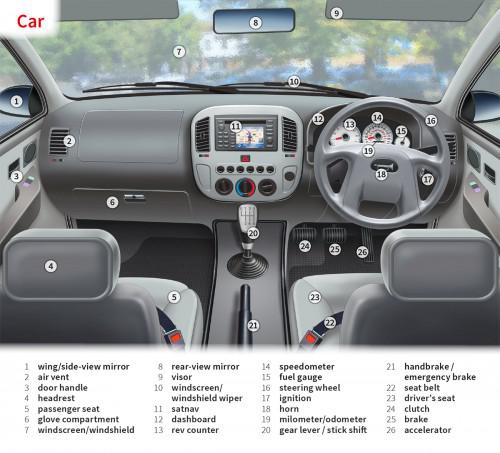
    accelerator(noun)

    /əkˈseləreɪtər/

    アクセル

    the pedal in a car or other vehicle that you press with your foot to control the speed of the engine

    In a car, you push the accelerator with your foot.

    車の中で、アクセルを足で踏みます。

    類義語gas pedalthrottlespeed controlaccelerator pedal
    対義語brakedecelerator
  5. 5

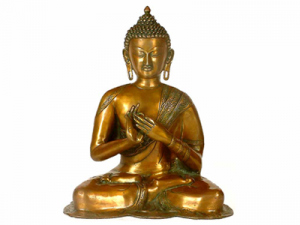
    Buddhism(noun)

    /ˈbuːdɪzəm/

    仏教 (Bukkyō)

    an Indian religion widely followed in Asia, based on the teaching of Siddhartha Gautama (or Buddha)

    Buddhism is the dominant religion in Thailand.

    仏教はタイで最も有力な宗教です。

    類義語Buddhist faithBuddhist philosophyDharma
    対義語ChristianityIslamJudaismHinduismatheismsecularism
  6. 6

    Buddhist(adjective)

    /ˈbuːdɪst/

    仏教の, 仏教徒の

    following or connected with the religion of Buddhism

    There is a Buddhist temple at the centre of the city.

    市の中心には仏教寺院がある。

    類義語adherent of Buddhismfollower of Buddha
    対義語non-Buddhistnon-religious
  7. 7

    integrate(verb)

    /ˈɪntɪɡreɪt/

    統合する (tougou suru)

    to combine two or more things so that they work together; to combine with something else in this way

    We need to help disabled students to become independent, integrate in the community and achieve success at school.

    私たちは、障害のある学生が自立し、地域社会に統合され、学校で成功を収めるのを支援する必要があります。

    類義語incorporateassimilateblendmergeunitemeldfuse
    対義語separateisolatesegregatedividedisconnectexclude
  8. 8

    predominant(adjective)

    /prɪˈdɑːmɪnənt/

    主要な, 支配的な, 優勢な

    being the main or strongest element; having more importance or influence than others

    Research is the predominant part of my job.

    研究は私の仕事の主要な部分である。

    類義語dominantchiefmainprincipalprimaryleadingforemostparamount
    対義語minorsecondarysubordinateinsignificantunimportant
  9. 9

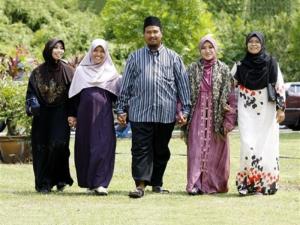
    Islam(noun)

    /ˈɪzlɑːm/

    イスラム教

    the Muslim religion, based on belief in one God and revealed through Muhammad as the Prophet of Allah

    Islam was created by Muhammad.

    イスラム教はムハンマドによって創始された。

    類義語MuhammadanismMuslimismIslamic faith
    対義語AtheismIrreligionPaganism
  10. 10

    accelerate(verb)

    /əkˈseləreɪt/

    加速する, 促進する, 早める

    to happen faster or earlier; to make something happen faster or earlier

    The government is taking measures to accelerate economic growth in the region.

    政府は地域の経済成長を促進するための措置を講じている。

    類義語hastenexpeditequickenspeed upadvancefurtherpromote
    対義語decelerateslow downretarddelayhinderimpede
  11. 11

    acceleration(noun)

    /əkˌseləˈreɪʃn/

    加速, 促進

    an increase in how fast something happens

    The acceleration of economic growth in the region has attracted many foreign investors.

    地域の経済成長の加速は、多くの外国人投資家を引きつけてきた。

    類義語speedupquickeningimpetusmomentumboost
    対義語decelerationslowingretardation
  12. 12

    integration(noun)

    /ˌɪntɪˈɡreɪʃn/

    統合 (tougou)

    the act or process of combining two or more things so that they work together

    The integration of different kinds of cultures has become a new trend.

    異文化の統合は新しいトレンドになっています。(ibunka no tougou wa atarashii torendo ni natteimasu)

    類義語assimilationincorporationfusionunificationamalgamationsynthesismerger
    対義語separationsegregationfragmentationdivisiondisconnectionalienation
  13. 13

    integrated(adjective)

    /ˈɪntɪɡreɪtɪd/

    統合された (tougou sareta)

    in which many different parts are closely connected and work successfully together

    The town's modern architecture is very well integrated with the old.

    その町の近代建築は古いものと非常によく統合されています。

    類義語combinedunifiedblendedassimilatedincorporated
    対義語separatedisolateddisintegrateddisconnectedsegregated
  14. 14

    predominance(noun)

    /prɪˈdɑːmɪnəns/

    優勢 (yuusei)

    the situation of being greater in number or amount than other things or people

    There is a predominance of people with a university degree on the board of governors.

    理事会には大学の学位を持つ人が圧倒的に多い。(rijikai ni wa daigaku no gakui o motsu hito ga attouteki ni ooi.)

    類義語prevalencedominanceascendancysuperioritypreponderance
    対義語inferioritysubordinationminorityscarcity
  15. 15

    forge(verb)

    /fɔːrdʒ/

    築き上げる, 築く

    to put a lot of effort into making something successful or strong so that it will last

    ASEAN members have forged close economic ties over the past few decades.

    ASEAN加盟国は過去数十年にわたり、緊密な経済的結びつきを築き上げてきた。

    類義語createformfabricateconstructshapemanufacturefakecounterfeit
    対義語destroybreakdismantlewreckruingenuineauthentic
  16. 16

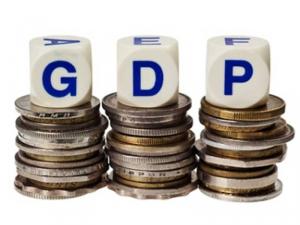
    gross domestic product (GDP)(noun)

    /grəʊs dəˈmestɪk prɒdʌkt/

    国内総生産

    the total value of all the goods and services produced by a country in one year

    If the gross domestic product continues to shrink, the country will be in a recession.

    国内総生産が縮小し続けると、国は不況に陥るでしょう。

    類義語GDPeconomic outputnational productaggregate output
  17. 17

    namely(adverb)

    /ˈneɪmli/

    すなわち

    used to introduce more exact and detailed information about something that you have just mentioned

    I learned an important lesson when I lost my job, namely that nothing is a hundred percent guaranteed.

    私は仕事を失った時、重要な教訓を学びました。すなわち、100%保証されているものはないということです。

    類義語that is to sayspecificallyin other wordsto wit
    対義語generallybroadlyvaguelyin general
  18. 18

    stability(noun)

    /stəˈbɪləti/

    安定

    the quality or state of being steady and not changing or being upset in any way (= the quality of being stable)

    ASEAN focuses on maintaining regional peace and stability.

    ASEANは、地域の平和と安定の維持に焦点を当てています。

    類義語steadinesssecurityfirmnessbalanceconstancydurability
    対義語instabilitychangeabilityunsteadinessturmoiluncertainty
  19. 19

    Islamic(adjective)

    /ɪzˈlæmɪk/

    イスラムの

    connected with the Muslim religion

    According to Islamic law, a man can get married to four women.

    イスラム法によれば、男性は4人の女性と結婚することができます。

    類義語MuslimMuhammadanIslamite
    対義語non-Islamicsecularatheistic
  20. 20

    Muslim(adjective)

    /ˈmʊzlɪm/

    イスラム教の, イスラム教徒の

    believing in and practising Islam; connected with the religion of Islam

    Indonesia has the largest Muslim population in the world.

    インドネシアは世界で最大のイスラム教徒人口を抱えている。

    類義語adherent of Islamfollower of IslamIslamist
    対義語non-Musliminfideldisbeliever
  21. 21

    Catholicism(noun)

    /kəˈθɑːləsɪzəm/

    カトリック (katorikku)

    the beliefs and principles of the part of the Christian Church that has the pope as its leader

    The Pope is the leader of Catholicism.

    法王はカトリックの指導者です。(Houou wa katorikku no shidousha desu.)

    類義語Roman CatholicismCatholic ChurchPapismRomanism
    対義語ProtestantismNon-CatholicSecularismAtheism
  22. 22

    Christianity(noun)

    /ˌkrɪstiˈænəti/

    キリスト教

    the religion that is based on the teachings of Jesus Christ and the belief that he was the son of God

    Christianity is a religion based on belief in God and Jesus.

    キリスト教は、神とイエスへの信仰に基づく宗教です。

    類義語ChristendomChristian faithChristian belief
    対義語paganismatheismirreligion
  23. 23

    imperialism(noun)

    /ɪmˈpɪriəlɪzəm/

    帝国主義 (teikokushugi)

    a system in which one country controls other countries, often after defeating them in a war

    That was the age of imperialism.

    それは帝国主義の時代だった。(Sore wa teikokushugi no jidai datta.)

    類義語colonialismexpansionismhegemonydomination
    対義語isolationismself-determinationindependencedecolonization

  24. 24

    imperial(adjective)

    /ɪmˈpɪriəl/

    帝国の

    connected with an empire

    The imperial army is very strong.

    帝国の軍隊は非常に強い。

    類義語regalroyalmajestickinglysovereign
    対義語commonplebeiandemocraticrepublican
  25. 25

    emperor(noun)

    /ˈempərər/

    皇帝 (koutei)

    the ruler of an empire

    The first university in Vietnam was built in 1076 under Emperor Ly Nhan Tong.

    ベトナムで最初の大学は、李仁宗皇帝の統治下の1076年に建てられました。

    類義語sovereignrulermonarchpotentateautocrat
    対義語subjectcommonercitizen
  26. 26

    series(noun)

    /ˈsɪriːz/

    一連, 連続, シリーズ

    several events or things of a similar kind that happen one after another

    The leaders held a series of meetings to discuss trade in the region.

    指導者たちは地域の貿易について話し合うため、一連の会議を開いた。