본문으로 건너뛰기

레슨 16/16 · 26단어 · 외운 단어 0

Lesson 16: THE ASSOCIATION OF SOUTHEAST ASIAN NATIONS

16과: 동남아시아 국가 연합(ASEAN)

  1. 1

    stable(adjective)

    /ˈsteɪbl/

    안정된, 안정적인

    fixed or steady; not likely to move, change or fail

    The country has had a stable government and a growing economy for many years.

    그 나라는 오랫동안 안정된 정부와 성장하는 경제를 유지해 왔다.

    유의어steadyfirmsecurefixedconstantreliabledependable
    반의어unstableshakyinsecureunreliablevolatileerratic
  2. 2

    empire(noun)

    /ˈempaɪər/

    제국 (jeguk)

    a group of countries or states that are controlled by one leader or government

    The Roman empire ruled many countries in the past.

    로마 제국은 과거에 많은 나라를 통치했습니다.

    He dismissed the opinion polls as worthless.

    유의어realmkingdomdominionpowerstateauthority
    반의어republicdemocracysmall statenation
  3. 3

    Currency(noun)

    /ˈkɜːrənsi/

    통화, 화폐

    the system of money that a country uses

    Many European countries use the same currency, the euro.

    많은 유럽 국가들이 유로라는 같은 통화를 사용한다.

    유의어MoneyLegal tenderCashMedium of exchange
    반의어BarterDebtWorthlessness
  4. 4

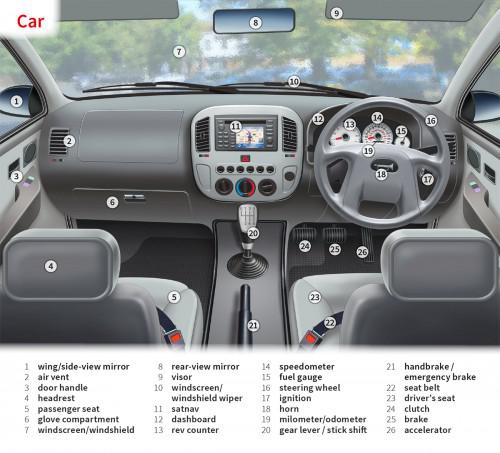
    accelerator(noun)

    /əkˈseləreɪtər/

    가속 페달

    the pedal in a car or other vehicle that you press with your foot to control the speed of the engine

    In a car, you push the accelerator with your foot.

    자동차에서 발로 가속 페달을 밟습니다.

    유의어gas pedalthrottlespeed controlaccelerator pedal
    반의어brakedecelerator
  5. 5

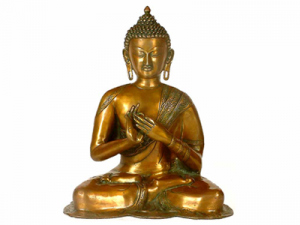
    Buddhism(noun)

    /ˈbuːdɪzəm/

    불교 (Bulgyo)

    an Indian religion widely followed in Asia, based on the teaching of Siddhartha Gautama (or Buddha)

    Buddhism is the dominant religion in Thailand.

    불교는 태국에서 지배적인 종교입니다.

    유의어Buddhist faithBuddhist philosophyDharma
    반의어ChristianityIslamJudaismHinduismatheismsecularism
  6. 6

    Buddhist(adjective)

    /ˈbuːdɪst/

    불교의

    following or connected with the religion of Buddhism

    There is a Buddhist temple at the centre of the city.

    도시 중심부에 불교 사원이 하나 있다.

    유의어adherent of Buddhismfollower of Buddha
    반의어non-Buddhistnon-religious
  7. 7

    integrate(verb)

    /ˈɪntɪɡreɪt/

    통합하다 (tonghaphada)

    to combine two or more things so that they work together; to combine with something else in this way

    We need to help disabled students to become independent, integrate in the community and achieve success at school.

    우리는 장애 학생이 자립하고 지역사회에 통합되어 학교에서 성공할 수 있도록 도와야 합니다.

    유의어incorporateassimilateblendmergeunitemeldfuse
    반의어separateisolatesegregatedividedisconnectexclude
  8. 8

    predominant(adjective)

    /prɪˈdɑːmɪnənt/

    주된, 우세한

    being the main or strongest element; having more importance or influence than others

    Research is the predominant part of my job.

    연구는 내 일에서 가장 큰 부분을 차지한다.

    유의어dominantchiefmainprincipalprimaryleadingforemostparamount
    반의어minorsecondarysubordinateinsignificantunimportant
  9. 9

    Islam(noun)

    /ˈɪzlɑːm/

    이슬람교

    the Muslim religion, based on belief in one God and revealed through Muhammad as the Prophet of Allah

    Islam was created by Muhammad.

    이슬람교는 무함마드에 의해 창시되었다.

    유의어MuhammadanismMuslimismIslamic faith
    반의어AtheismIrreligionPaganism
  10. 10

    accelerate(verb)

    /əkˈseləreɪt/

    가속하다, 촉진하다

    to happen faster or earlier; to make something happen faster or earlier

    The government is taking measures to accelerate economic growth in the region.

    정부는 이 지역의 경제 성장을 촉진하기 위한 조치를 취하고 있다.

    유의어hastenexpeditequickenspeed upadvancefurtherpromote
    반의어decelerateslow downretarddelayhinderimpede
  11. 11

    acceleration(noun)

    /əkˌseləˈreɪʃn/

    가속, 촉진

    an increase in how fast something happens

    The acceleration of economic growth in the region has attracted many foreign investors.

    그 지역의 경제 성장 가속은 많은 외국인 투자자를 끌어들였다.

    유의어speedupquickeningimpetusmomentumboost
    반의어decelerationslowingretardation
  12. 12

    integration(noun)

    /ˌɪntɪˈɡreɪʃn/

    통합 (tonghap)

    the act or process of combining two or more things so that they work together

    The integration of different kinds of cultures has become a new trend.

    서로 다른 문화의 통합이 새로운 추세가 되었습니다. (seoro dareun munhwaui tonghabi saeroun chusega doe었습니다.)

    유의어assimilationincorporationfusionunificationamalgamationsynthesismerger
    반의어separationsegregationfragmentationdivisiondisconnectionalienation
  13. 13

    integrated(adjective)

    /ˈɪntɪɡreɪtɪd/

    통합된 (tonghapdoen)

    in which many different parts are closely connected and work successfully together

    The town's modern architecture is very well integrated with the old.

    그 도시의 현대 건축은 옛 건축과 매우 잘 통합되어 있습니다.

    유의어combinedunifiedblendedassimilatedincorporated
    반의어separatedisolateddisintegrateddisconnectedsegregated
  14. 14

    predominance(noun)

    /prɪˈdɑːmɪnəns/

    우세 (use)

    the situation of being greater in number or amount than other things or people

    There is a predominance of people with a university degree on the board of governors.

    이사회의 임원진은 대졸자들이 주류를 이룬다.(isahoeeui imwonjineun daejoljadeuri juryureul irunda.)

    유의어prevalencedominanceascendancysuperioritypreponderance
    반의어inferioritysubordinationminorityscarcity
  15. 15

    forge(verb)

    /fɔːrdʒ/

    구축하다, 다지다

    to put a lot of effort into making something successful or strong so that it will last

    ASEAN members have forged close economic ties over the past few decades.

    아세안 회원국들은 지난 수십 년 동안 긴밀한 경제 관계를 구축해 왔다.

    유의어createformfabricateconstructshapemanufacturefakecounterfeit
    반의어destroybreakdismantlewreckruingenuineauthentic
  16. 16

    gross domestic product (GDP)(noun)

    /grəʊs dəˈmestɪk prɒdʌkt/

    국내총생산

    the total value of all the goods and services produced by a country in one year

    If the gross domestic product continues to shrink, the country will be in a recession.

    국내총생산이 계속 줄어들면, 그 나라는 불황에 빠질 것입니다.

    유의어GDPeconomic outputnational productaggregate output
  17. 17

    namely(adverb)

    /ˈneɪmli/

    즉

    used to introduce more exact and detailed information about something that you have just mentioned

    I learned an important lesson when I lost my job, namely that nothing is a hundred percent guaranteed.

    직장을 잃었을 때 중요한 교훈을 얻었습니다. 즉, 100% 보장되는 것은 없다는 것입니다.

    유의어that is to sayspecificallyin other wordsto wit
    반의어generallybroadlyvaguelyin general
  18. 18

    stability(noun)

    /stəˈbɪləti/

    안정

    the quality or state of being steady and not changing or being upset in any way (= the quality of being stable)

    ASEAN focuses on maintaining regional peace and stability.

    ASEAN은 지역 평화와 안정을 유지하는 데 중점을 둡니다.

    유의어steadinesssecurityfirmnessbalanceconstancydurability
    반의어instabilitychangeabilityunsteadinessturmoiluncertainty
  19. 19

    Islamic(adjective)

    /ɪzˈlæmɪk/

    이슬람의

    connected with the Muslim religion

    According to Islamic law, a man can get married to four women.

    이슬람 법에 따르면, 남자는 네 명의 여자와 결혼할 수 있습니다.

    유의어MuslimMuhammadanIslamite
    반의어non-Islamicsecularatheistic
  20. 20

    Muslim(adjective)

    /ˈmʊzlɪm/

    이슬람교의, 무슬림의

    believing in and practising Islam; connected with the religion of Islam

    Indonesia has the largest Muslim population in the world.

    인도네시아는 세계에서 무슬림 인구가 가장 많다.

    유의어adherent of Islamfollower of IslamIslamist
    반의어non-Musliminfideldisbeliever
  21. 21

    Catholicism(noun)

    /kəˈθɑːləsɪzəm/

    가톨릭교 (gatollikgyo)

    the beliefs and principles of the part of the Christian Church that has the pope as its leader

    The Pope is the leader of Catholicism.

    교황은 가톨릭교의 지도자입니다. (gyohwang-eun gatollikgyo-ui jidoja-imnida.)

    유의어Roman CatholicismCatholic ChurchPapismRomanism
    반의어ProtestantismNon-CatholicSecularismAtheism
  22. 22

    Christianity(noun)

    /ˌkrɪstiˈænəti/

    기독교

    the religion that is based on the teachings of Jesus Christ and the belief that he was the son of God

    Christianity is a religion based on belief in God and Jesus.

    기독교는 하나님과 예수에 대한 믿음을 바탕으로 한 종교입니다.

    유의어ChristendomChristian faithChristian belief
    반의어paganismatheismirreligion
  23. 23

    imperialism(noun)

    /ɪmˈpɪriəlɪzəm/

    제국주의 (jegukjuui)

    a system in which one country controls other countries, often after defeating them in a war

    That was the age of imperialism.

    그것은 제국주의 시대였다. (Geugeoseun jegukjuui sidaeieotda.)

    유의어colonialismexpansionismhegemonydomination
    반의어isolationismself-determinationindependencedecolonization

  24. 24

    imperial(adjective)

    /ɪmˈpɪriəl/

    제국의

    connected with an empire

    The imperial army is very strong.

    제국 군대는 매우 강하다.

    유의어regalroyalmajestickinglysovereign
    반의어commonplebeiandemocraticrepublican
  25. 25

    emperor(noun)

    /ˈempərər/

    황제 (hwangje)

    the ruler of an empire

    The first university in Vietnam was built in 1076 under Emperor Ly Nhan Tong.

    베트남 최초의 대학교는 1076년 리인종 황제 치하에 건설되었습니다.

    유의어sovereignrulermonarchpotentateautocrat
    반의어subjectcommonercitizen
  26. 26

    series(noun)

    /ˈsɪriːz/

    연속, 일련

    several events or things of a similar kind that happen one after another

    The leaders held a series of meetings to discuss trade in the region.

    지도자들은 지역 무역을 논의하기 위해 일련의 회의를 열었다.