コンテンツへスキップ

レッスン13/16 · 52語 · 覚えた単語 0

Lesson 13: ACTIVITIES

第13課:活動

  1. 1

    competition(noun)

    /ˌkɑːmpəˈtɪʃn/

    大会, コンテスト, 競技会

    an event in which people compete with each other to find out who is the best at something

    Our school won first prize in the football competition last year.

    私たちの学校は昨年、サッカー大会で優勝しました。

    類義語rivalrycontestmatchtournamentbattlegamechallengerace
    対義語cooperationcollaborationharmonyagreementpeaceaccord
  2. 2

    risk(noun)

    /rɪsk/

    リスク

    the possibility of something bad happening at some time in the future; a situation that could be dangerous or have a bad result
    The primary risk for most start-up businesses is insufficient capital

    ほとんどのスタートアップ企業にとって主なリスクは、資本不足です。

    Expanding into a new market is a big risk

    類義語hazarddangerperilthreatpossibilitychance
    対義語safetysecuritycertaintyprotectionassurance
  3. 3

    ability(noun)

    /əˈbɪləti/

    能力 (nōryoku)

    the fact that somebody/something is able to do something

    The designer's ability was obvious from her portfolio.
    デザイナーの能力は彼女のポートフォリオから明らかだった。(dezainā no nōryoku wa kanojo no pōtoforio kara akiraka datta.)

    The ability to work with others is a key requirement
    類義語capabilitycapacityskilltalentproficiencycompetenceaptitude
    対義語inabilityincapacityincompetencedisabilityweakness
  4. 4

    be aware of(phrase)

    /bi əˈwer əv/

    〜を知っている, 〜に気づいている

    to be conscious of

    Are you aware of the new employee's past work history?

    新入社員の過去の職歴をご存じですか。

    The new staff member wasn't aware of the company's position on working a second job

    類義語knowrealizeunderstandrecognizenoticeconscious ofmindful of
    対義語unawareignorantobliviousunconscious
  5. 5

    explore(verb)

    /ɪkˈsplɔːr/

    探検する (tankensuru)

    to travel to or around an area or a country in order to learn about it

    The collector likes to explore antique shops looking for bargains

    コレクターは掘り出し物を探して骨董品店を探検するのが好きです。

    While his mother shopped for clothes, Michael wandered off to explore the toy section

    類義語investigateexamineresearchsurveyprobediscoverscout
    対義語ignoreneglectoverlookdisregard
  6. 6

    choose(verb)

    /tʃuːz/

    選ぶ (erabu)

    to decide which thing or person you want out of the ones that are available

    Alan chooses to read The New York Times over the Wall Street Journal

    アランはウォール・ストリート・ジャーナルよりもニューヨーク・タイムズを読むことを選びます。

    I did not choose that candidate to be the editor of our student newspaper

    類義語selectpickoptelectprefer
    対義語rejectrefusedeclinedisregard
  7. 7

    volunteer(noun)

    /ˌvɑːlənˈtɪr/

    ボランティア, 志願者

    a person who does a job without being paid for it

    She works as a volunteer at the local hospital every weekend.

    彼女は毎週末、地元の病院でボランティアとして働いている。

    類義語offerdonatepresentprofferstep forward
    対義語compelforcerequiredemandcoerce
  8. 8

    jump(verb)

    /dʒʌmp/

    跳ぶ, 跳ねる, 飛び降りる

    to move quickly off the ground or away from a surface by pushing yourself with your legs and feet

    She jumped down from the chair.

    彼女は椅子から飛び降りた。

    ‘Quick, jump!’ he shouted.

    類義語leapspringboundvaultbounceskip
    対義語falldropdescendstumble
  9. 9

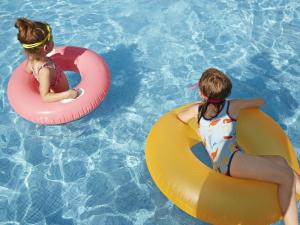
    swimming pool(noun)

    /ˈswɪmɪŋ puːl/

    プール

    an area of water that has been created for people to swim in

    The swimming pool is my favorite place to come in the summer.

    夏に私が一番好きな場所はプールです。

    類義語poolnatatoriumswimming bath
    対義語dry landdesert
  10. 10

    careless(adjective)

    /ˈkerləs/

    不注意 (fuchūi)

    not giving enough attention and thought to what you are doing, so that you make mistakes

    He is a careless taxi driver.

    彼は不注意なタクシー運転手です。 (Kare wa fuchūi na takushī untenshu desu.)

    It was careless of me to leave the door open.

    類義語negligentinattentivethoughtlessrecklessheedless
    対義語carefulattentivecautiousmindfulthorough
  11. 11

    increase(verb)

    /ɪnˈkriːs/

    増える, 増加する, 増やす

    to become greater in amount, number, value, etc.; to make something greater in amount, number, value, etc.

    The number of injuries from automobile accidents increases every year.

    自動車事故による負傷者の数は毎年増加している。

    price/tax/wage increases

    類義語risegrowescalateaugmentexpandmultiply
    対義語decreasedeclinereducelessendiminish
  12. 12

    equipment(noun)

    /ɪˈkwɪpmənt/

    設備 (setsubi)

    the things that are needed for a particular purpose or activity

    The company is in need of new office equipment such as computers, printers and photocopiers.

    会社は、コンピューター、プリンター、コピー機などの新しいオフィス機器を必要としています。

    Everyone should bring the necessary equipment for camping in the mountains.

    類義語gearapparatusappliancestoolssuppliesimplementsmaterialsparaphernalia
    対義語lackdeficiencyshortagewantabsence
  13. 13

    opportunity(noun)

    /ˌɑːpərˈtuːnəti/

    機会 (kikai)

    a time when a particular situation makes it possible to do or achieve something

    This is the perfect opportunity to make a new start.

    これは新たなスタートを切る絶好の機会です。

    There'll be plenty of opportunity for relaxing once the work is done.

    類義語chanceoccasionpossibilityprospectopeningmoment
    対義語closuremisfortunelossdifficultyimpossibility
  14. 14

    obey(verb)

    /əˈbeɪ/

    従う (shitagau)

    to do what you are told or expected to do

    Road users should obey traffic rules strictly.

    道路利用者は交通ルールを厳守すべきです。

    He had always obeyed his parents without question.

    類義語complyadherefollowheedobserve
    対義語disobeydefyignorerebelresist
  15. 15

    aim(verb)

    /eɪm/

    目指す, 目標とする

    to try or plan to achieve something

    They are aiming to reduce unemployment by 50%.

    彼らは失業率を50%減らすことを目指している。

    They're aiming at training everybody by the end of the year.

    類義語goalpurposeobjectivetargetintendstriveaspire
    対義語aimlessdriftwanderstray
  16. 16

    kid(noun)

    /kɪd/

    子ども, 若者

    a child or young person

    The kids are playing football in the park after school.

    子どもたちは放課後、公園でサッカーをしている。

    類義語joketeasefoolhoaxspoof
    対義語serioustruthfact
  17. 17

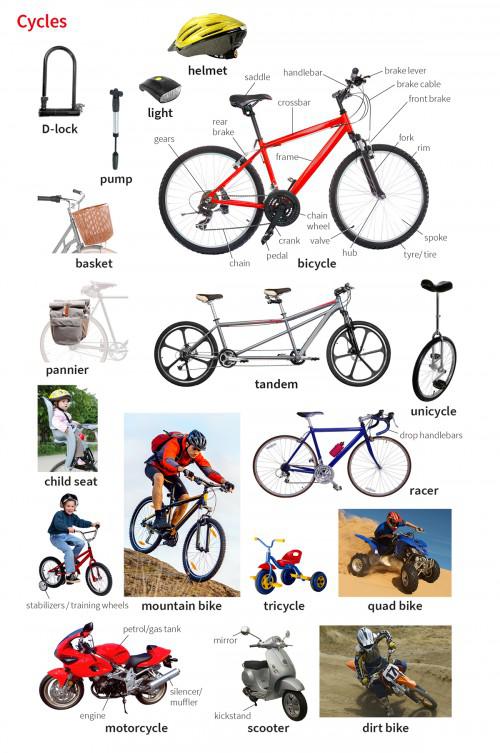
    cycle(verb)

    /ˈsaɪkl/

    自転車に乗る, 自転車で行く

    to ride a bicycle; to travel by bicycle

    I cycle every day.

    私は毎日自転車に乗ります。

    a cycle route/track

    類義語bicycleridepedal
    対義語walkdriveremainstay
  18. 18

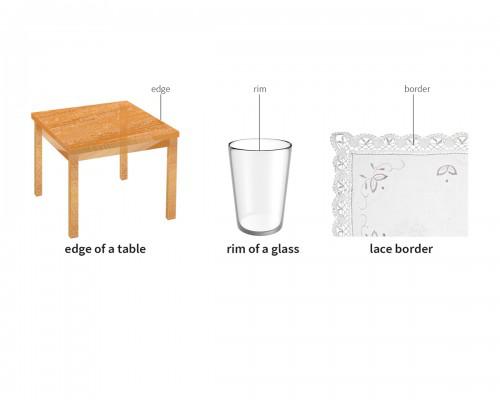
    edge(noun)

    /edʒ/

    端 (hashi)

    the outside limit of an object, a surface or an area; the part furthest from the centre

    He fell off the edge of the cliff.

    彼は崖の端から落ちた。

    Stand the coin on its edge.

    類義語brinkrimvergebordermarginboundary
    対義語centermiddleinterior
  19. 19

    strict(adjective)

    /strɪkt/

    厳しい, 厳格な

    that must be obeyed exactly

    There are strict rules about who can enter the building.

    その建物に誰が入れるかについては厳しい規則がある。

    類義語severesternfirmrigidstringentdisciplinarianexacting
    対義語lenientpermissivelaxeasygoingflexibletolerant
  20. 20

    surprising(adjective)

    /sərˈpraɪzɪŋ/

    驚くべき

    causing surprise

    His performance is surprising.

    彼のパフォーマンスは驚くべきものです。

    It's surprising how many people applied for the job.

    類義語astonishingunexpectedremarkableamazingstartlingunforeseen
    対義語predictableexpectedunsurprisingordinarytypicalusual
  21. 21

    badly(adverb)

    /ˈbædli/

    下手に, まずく, ひどく

    without skill or care

    He played badly in the match and his team lost.

    彼は試合で下手なプレーをし、チームは負けた。

    類義語poorlyterriblyawfullyseverelywickedlywrongly
    対義語wellnicelykindlyrightlycorrectly
  22. 22

    sign(noun)

    /saɪn/

    標識, 看板, 掲示

    a piece of paper, wood or metal that has writing or a picture on it giving information, directions or a warning

    The sign on the door said the shop was closed for lunch.

    ドアの掲示には、店は昼休みで閉まっていると書かれていた。

    類義語indicationmarksignalevidencetraceomensymptomgesture
    対義語obscurityconcealmentignorancelack of evidence
  23. 23

    choice(noun)

    /tʃɔɪs/

    選択

    an act of choosing between two or more possibilities; something that you can choose

    A yellow bag is my last choice.

    黄色のバッグは私の最後の選択です。

    women forced to make a choice between family and career

    類義語optionselectionalternativepreferencepickdecision
    対義語necessityrequirementobligationcompulsionconstraint
  24. 24

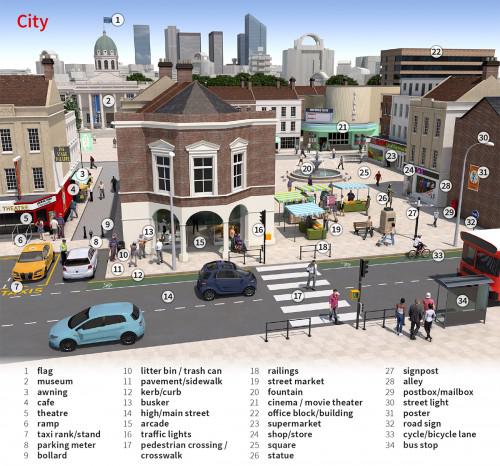
    flag(noun)

    /flæɡ/

    旗 (hata)

    a piece of cloth with a special coloured design on it that may be the symbol of a particular country or organization, may be used to give a signal or may have a particular meaning. A flag can be attached to a pole (= a long thin straight piece of wood or metal) or held in the hand.

    This is the Vietnamese flag.

    これはベトナムの旗です (Kore wa Betonamu no hata desu).

    the flag of Italy

    類義語bannerstandardensignpennantcolors
    対義語disregardneglecthide
  25. 25

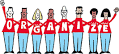
    organize(verb)

    /ˈɔːrɡənaɪz/

    組織する (soshiki suru)

    to make all the arrangements for something to happen or be provided

    The meeting is organized every month.

    会議は毎月組織されます。(Kaigi wa maitsuki soshiki saremasu.)

    to organize a meeting/party/trip

    類義語arrangecoordinatesystematizestructureformestablishmanagecontrol
    対義語disorganizedisarrangeconfusemess upjumble
  26. 26

    surface(noun)

    /ˈsɜːrfɪs/

    表面, 水面

    the outside or top layer of something

    These fish sometimes float on the surface of the water.

    これらの魚は時々水面に浮かびます。

    類義語exteriorfacetopoutsideskinveneer
    対義語interiorinsidedepthcorebottom
  27. 27

    speed(noun)

    /spiːd/

    速度 (sokudo)

    the rate at which somebody/something moves or travels

    There are speed restrictions on this road.

    この道路には速度制限があります。(Kono douro ni wa sokudo seigen ga arimasu.)

    類義語velocitypaceswiftnessrapidityhasteacceleration
    対義語slownessdeliberationleisuredelay
  28. 28

    fly(verb)

    /flaɪ/

    飛ぶ (tobu)

    to move through the air, using wings

    This bird cannot fly.

    この鳥は飛べない。

    A wasp had flown in through the window.

    類義語soarglidewingascendfloathovertravel by air
    対義語falldescenddropsinkplungestayremain
  29. 29

    prize(noun)

    /praɪz/

    賞

    an award that is given to a person who wins a competition, race, etc. or who does very good work

    Everybody tries their best to win the prize.

    誰もが賞を得るために最善を尽くします。

    I won £500 in prize money.

    類義語awardrewardtrophyaccoladeboonperkplum
    対義語penaltyfinelosspunishment
  30. 30

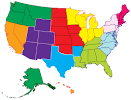
    district(noun)

    /ˈdɪstrɪkt/

    地区 (chiku)

    an area of a country or town, especially one that has particular features

    Athletes come from different districts.

    運動選手は異なる地区から来ます。

    The need for sleep varies considerably from person to person.

    類義語arearegionzonesectionneighborhoodcommunityward
    対義語wholeentiretyunseparated
  31. 31

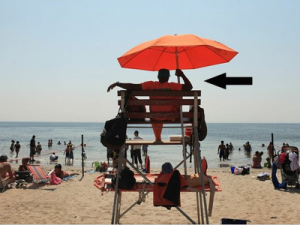
    lifeguard(noun)

    /ˈlaɪfɡɑːrd/

    ライフガード

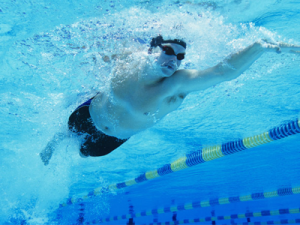
    a person who is employed at a beach or a swimming pool to rescue people who are in danger in the water

    They need a lifeguard.

    彼らはライフガードを必要としている。

    類義語rescuersaviorlife preserver
    対義語endangerer
  32. 32

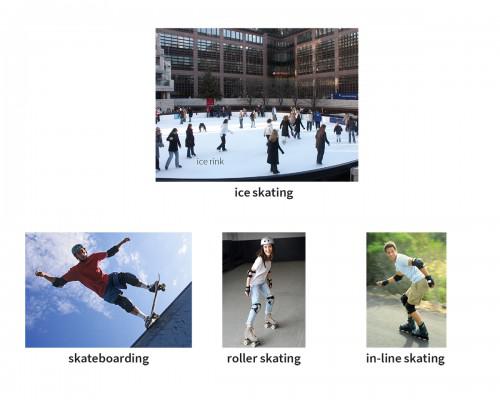
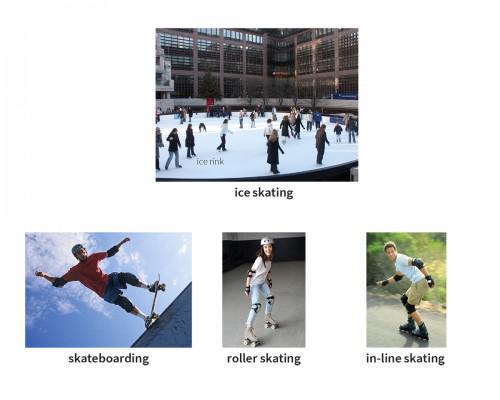
    skateboarding(noun)

    /ˈskeɪtbɔːrdɪŋ/

    スケートボード (sukētobōdo)

    the sport or activity of riding on a skateboard

    I like skateboarding.

    私はスケートボードが好きです。(Watashi wa sukētobōdo ga suki desu.)

    類義語skatingboardingstreetboarding
    対義語walkingstandingsitting
  33. 33

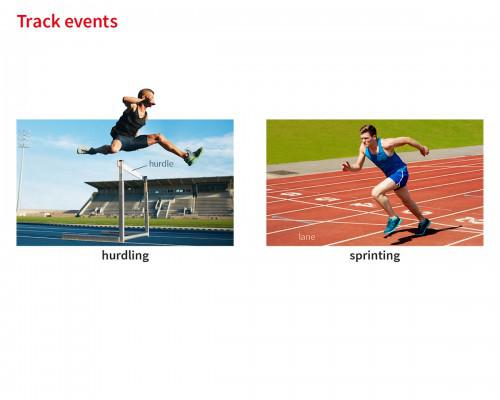
    athletics(noun)

    /æθˈletɪks/

    陸上競技

    sports such as running, jumping and throwing that people compete in

    She has been competing in athletics since she was at school.

    彼女は学生の頃からずっと陸上競技に出場しています。

    類義語sportsphysical activitytrack and fieldgamesexercise
    対義語sedentary activitiesinactivitynon-physical pursuits
  34. 34

    teenager(noun)

    /ˈtiːneɪdʒər/

    ティーンエイジャー (tiin'eijaa)

    a person who is between 13 and 19 years old

    Parents should be aware of teenagers' psychology.

    親はティーンエイジャーの心理を理解しておくべきです。(Oya wa tiin'eijaa no shinri o rikai shite okubeki desu.)

    類義語adolescentyouthyoung personminor
    対義語adulteldersenior citizen
  35. 35

    awareness(noun)

    /əˈwernəs/

    意識 (ishiki)

    knowing something; knowing that something exists and is important

    We should raise public awareness of environmental issues.

    私たちは環境問題に対する国民の意識を高めるべきです。

    類義語consciousnessknowledgeunderstandingperceptionrecognitionsensitivity
    対義語ignoranceunawarenessobliviousness
  36. 36

    be on one's way(idiom)

    /biː ɒn wʌnz weɪ/

    ~に向かう途中である, 途中で

    to be travelling towards a place; to have started a journey

    I met him when I was on my way to school.

    学校へ行く途中で彼に会った。

    類義語en routeheading togoing towardstraveling toproceeding to
    対義語arrivingstayingremaining
  37. 37

    bump(noun)

    /bʌmp/

    ドスン(という音), 衝突

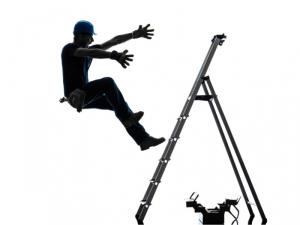
    the action or the dull sound of something hitting a hard surface

    He fell off the ladder and landed on the ground with a bump.

    彼ははしごから落ちて、ドスンと地面に着地した。

    類義語knockthumpjoltcollisionlumpprotuberance
    対義語smoothnessindentationdepression
  38. 38

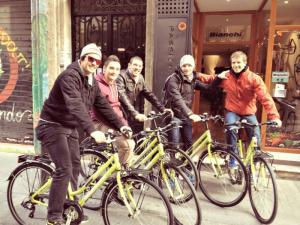
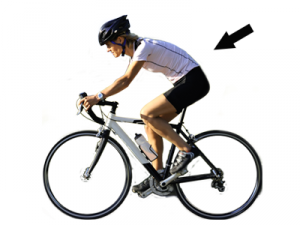
    cyclist(noun)

    /ˈsaɪklɪst/

    自転車選手 (jitensha senshu)

    a person who rides a bicycle

    He is the best cyclist.

    彼は最高の自転車選手です。(Kare wa saikō no jitensha senshu desu.)

    類義語bikerbicycle riderwheelman
    対義語pedestriandriver
  39. 39

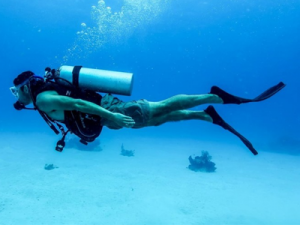
    diver(noun)

    /ˈdaɪvər/

    ダイバー

    a person who swims underwater using special equipment, usually for their job

    Nowadays, a diver can stay underwater longer with breathing equipment.

    今日では、ダイバーは呼吸装置を使うことで、より長く水中に留まることができます。

    類義語aquanautswimmerfrogmansubmariner
    対義語non-swimmerland dweller
  40. 40

    land on one's back(phrase)

    /lænd ɔ

    仰向けに倒れる, 背中から落ちる

    to fall so that your back hits the ground

    He slipped on the wet floor and landed on his back.

    彼は濡れた床で滑って、仰向けに倒れた。

    類義語fall backwardfall on one's backfall supine
    対義語land on one's feetland on one's stomachfall forward
  41. 41

    participant(noun)

    /pɑːrˈtɪsɪpənt/

    参加者 (sanka-sha)

    a person who is taking part in an activity or event

    There are 44 participants in this competition.

    この競技会には44人の参加者がいます。

    類義語attendeecompetitorentrantplayermember
    対義語observerspectatorbystandernon-participant
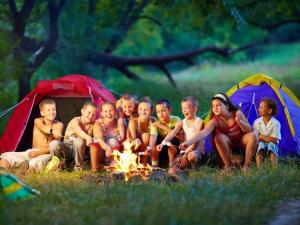
  42. 42

    regular activity(noun)

    /'rəgjulə ækˈtɪvəti/

    定期的な活動

    an activity that is done often, usually at fixed times

    Going camping is a regular activity of their club.

    キャンプに行くことは彼らのクラブの定期的な活動です。

    類義語routine activityhabitual activitycommon activityusual activitytypical activity
    対義語unusual activityrare activityoccasional activitysporadic activityinfrequent activity
  43. 43

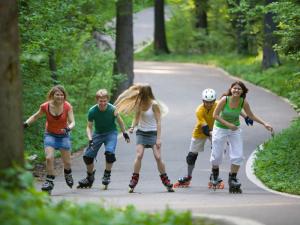
    roller-blading(noun)

    /rəʊlə bleidiɳ/

    ローラースケート

    the activity of moving over the ground wearing boots with a single row of small wheels

    Roller-blading is a popular youth hobby.

    ローラースケートは若者に人気のある趣味です。

    類義語inline skatingskatingblading
    対義語walkingrunningstationary
  44. 44

    roller-skating(noun)

    /ˈrəʊlər skeɪtɪŋ/

    ローラースケート

    the activity of moving over the ground wearing roller skates (= a type of boot with two pairs of small wheels attached to the bottom)

    Roller-skating is a popular entertainment for teenagers nowadays.

    ローラースケートは、最近の若者の間で人気のある娯楽です。

    類義語skatingrollerblading
    対義語walkingrunningstationary
  45. 45

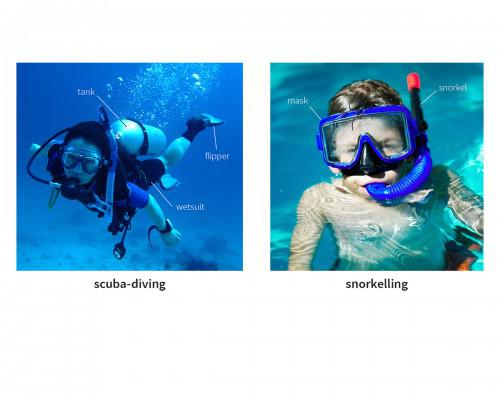
    scuba-diving(noun)

    /ˈskuːbə daɪvɪŋ/

    スキューバダイビング

    the sport or activity of swimming underwater using special breathing equipment consisting of a container of air which you carry on your back and a tube through which you breathe the air

    I have never tried scuba-diving.

    スキューバダイビングをしたことがありません。

    類義語divingunderwater divingaquatic exploration
    対義語surface swimmingsunbathingstaying ashore
  46. 46

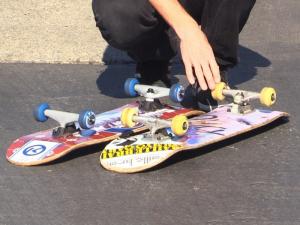
    skateboard(noun)

    /ˈskeɪtbɔːrd/

    スケートボード

    a short narrow board with small wheels at each end, which you stand on and ride

    This skateboard is so great.

    このスケートボードはとてもすばらしいです。

    類義語boarddeckstreetboard
    対義語None
  47. 47

    skateboarder(noun)

    /ˈskeɪtbɔːrdər/

    スケートボーダー

    a person who rides on a skateboard

    Everybody recognizes that he is an excellent skateboarder.

    誰もが彼が優秀なスケートボーダーだと認めている。

    類義語skaterboarder
    対義語non-skater
  48. 48

    skillful(adjective)

    /ˈskɪlfl/

    熟練した (juku ren shita)

    good at doing something, especially something that needs a particular ability or special training

    She is very skillful at cooking.

    彼女は料理がとても上手です。(Kanojo wa ryouri ga totemo jouzu desu.)

    類義語adeptproficientexperttalentedcompetentcapable
    対義語ineptunskilledincompetentawkwardclumsy
  49. 49

    stay away(phrasal verb)

    /stei ə'wei/

    近づかないで

    to not go near a particular person or place

    Tell him to stay away from my sister !

    彼に私の妹に近づかないように言って!

    類義語keep awaysteer clearavoidkeep at a distanceshun
    対義語approachcome neardraw nearassociate
  50. 50

    swimmer(noun)

    /ˈswɪmər/

    スイマー

    a person who can swim; a person who is swimming

    He is a strong swimmer.

    彼は強いスイマーです。

    類義語aquaticdivernatator
    対義語non-swimmersinker
  51. 51

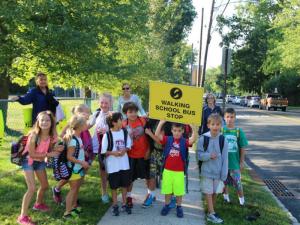
    walk-to-school day(noun)

    /wɔ

    徒歩通学日

    a day when students are encouraged to walk to school instead of going by car or bus

    Friday is a walk-to-school day.

    金曜日は徒歩通学日です。

    類義語Walking school dayActive travel dayWalk and roll day
    対義語Drive-to-school dayBus-to-school day
  52. 52

    water safety(noun)

    /ˈwɔːtər ˈseɪfti/

    水の安全, 水辺の安全

    the knowledge and actions needed to stay safe in or near water, such as rivers, lakes and pools

    Our teacher taught us about water safety before the swimming trip.

    先生は水泳旅行の前に、水の安全について教えてくれた。

    類義語water securitysafe waterwater sanitationwater hygiene
    対義語water contaminationwater pollutionwater insecurity