본문으로 건너뛰기

레슨 13/16 · 52단어 · 외운 단어 0

Lesson 13: ACTIVITIES

13과: 활동

  1. 1

    competition(noun)

    /ˌkɑːmpəˈtɪʃn/

    대회, 경기, 경쟁

    an event in which people compete with each other to find out who is the best at something

    Our school won first prize in the football competition last year.

    우리 학교는 작년 축구 대회에서 우승했다.

    유의어rivalrycontestmatchtournamentbattlegamechallengerace
    반의어cooperationcollaborationharmonyagreementpeaceaccord
  2. 2

    risk(noun)

    /rɪsk/

    위험

    the possibility of something bad happening at some time in the future; a situation that could be dangerous or have a bad result
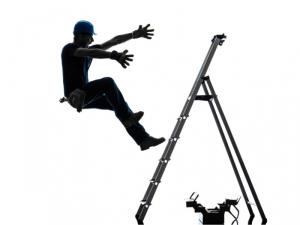
    The primary risk for most start-up businesses is insufficient capital

    대부분의 신생 기업의 주요 위험은 자본 부족입니다.

    Expanding into a new market is a big risk

    유의어hazarddangerperilthreatpossibilitychance
    반의어safetysecuritycertaintyprotectionassurance
  3. 3

    ability(noun)

    /əˈbɪləti/

    능력 (neungnyeok)

    the fact that somebody/something is able to do something

    The designer's ability was obvious from her portfolio.
    디자이너의 능력은 그녀의 포트폴리오에서 분명히 드러났다. (dijaineo-ui neungnyeogeun geunyeoui poteupollio-eseo bunmyeonghi deureonatda.)

    The ability to work with others is a key requirement
    유의어capabilitycapacityskilltalentproficiencycompetenceaptitude
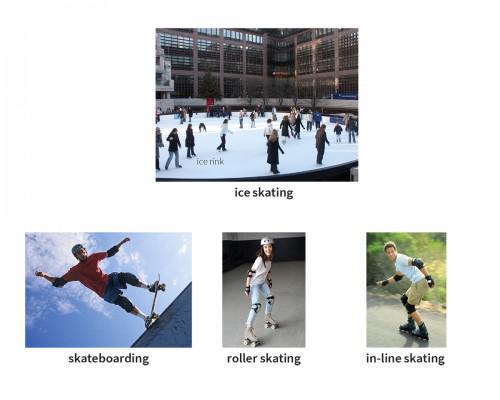
    반의어inabilityincapacityincompetencedisabilityweakness
  4. 4

    be aware of(phrase)

    /bi əˈwer əv/

    ~을 알고 있다, ~을 의식하다

    to be conscious of

    Are you aware of the new employee's past work history?

    새로 온 직원의 과거 근무 이력을 알고 계십니까?

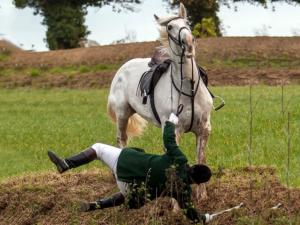
    The new staff member wasn't aware of the company's position on working a second job

    유의어knowrealizeunderstandrecognizenoticeconscious ofmindful of
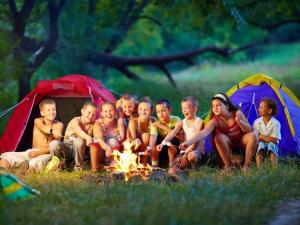
    반의어unawareignorantobliviousunconscious
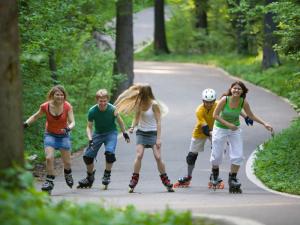
  5. 5

    explore(verb)

    /ɪkˈsplɔːr/

    탐험하다 (tamheomhada)

    to travel to or around an area or a country in order to learn about it

    The collector likes to explore antique shops looking for bargains

    수집가는 싼 물건을 찾기 위해 골동품 가게를 탐험하는 것을 좋아합니다.

    While his mother shopped for clothes, Michael wandered off to explore the toy section

    유의어investigateexamineresearchsurveyprobediscoverscout
    반의어ignoreneglectoverlookdisregard
  6. 6

    choose(verb)

    /tʃuːz/

    선택하다 (seontaekhada)

    to decide which thing or person you want out of the ones that are available

    Alan chooses to read The New York Times over the Wall Street Journal

    앨런은 월스트리트 저널보다 뉴욕 타임스를 읽는 것을 선택합니다.

    I did not choose that candidate to be the editor of our student newspaper

    유의어selectpickoptelectprefer
    반의어rejectrefusedeclinedisregard
  7. 7

    volunteer(noun)

    /ˌvɑːlənˈtɪr/

    자원봉사자

    a person who does a job without being paid for it

    She works as a volunteer at the local hospital every weekend.

    그녀는 매주 주말 지역 병원에서 자원봉사자로 일한다.

    유의어offerdonatepresentprofferstep forward
    반의어compelforcerequiredemandcoerce
  8. 8

    jump(verb)

    /dʒʌmp/

    뛰다, 점프하다

    to move quickly off the ground or away from a surface by pushing yourself with your legs and feet

    She jumped down from the chair.

    그녀는 의자에서 뛰어내렸다.

    ‘Quick, jump!’ he shouted.

    유의어leapspringboundvaultbounceskip
    반의어falldropdescendstumble
  9. 9

    swimming pool(noun)

    /ˈswɪmɪŋ puːl/

    수영장

    an area of water that has been created for people to swim in

    The swimming pool is my favorite place to come in the summer.

    수영장은 제가 여름에 가장 좋아하는 곳입니다.

    유의어poolnatatoriumswimming bath
    반의어dry landdesert
  10. 10

    careless(adjective)

    /ˈkerləs/

    부주의한 (bujeuihan)

    not giving enough attention and thought to what you are doing, so that you make mistakes

    He is a careless taxi driver.

    그는 부주의한 택시 운전사입니다. (Geuneun bujueuihan taeksi unjeonsaimnida.)

    It was careless of me to leave the door open.

    유의어negligentinattentivethoughtlessrecklessheedless
    반의어carefulattentivecautiousmindfulthorough
  11. 11

    increase(verb)

    /ɪnˈkriːs/

    증가하다, 늘리다

    to become greater in amount, number, value, etc.; to make something greater in amount, number, value, etc.

    The number of injuries from automobile accidents increases every year.

    교통사고로 인한 부상자 수가 해마다 증가한다.

    price/tax/wage increases

    유의어risegrowescalateaugmentexpandmultiply
    반의어decreasedeclinereducelessendiminish
  12. 12

    equipment(noun)

    /ɪˈkwɪpmənt/

    장비 (jangbi)

    the things that are needed for a particular purpose or activity

    The company is in need of new office equipment such as computers, printers and photocopiers.

    그 회사는 컴퓨터, 프린터, 복사기와 같은 새로운 사무 장비가 필요합니다.

    Everyone should bring the necessary equipment for camping in the mountains.

    유의어gearapparatusappliancestoolssuppliesimplementsmaterialsparaphernalia
    반의어lackdeficiencyshortagewantabsence
  13. 13

    opportunity(noun)

    /ˌɑːpərˈtuːnəti/

    기회 (gihoe)

    a time when a particular situation makes it possible to do or achieve something

    This is the perfect opportunity to make a new start.

    이것은 새로운 시작을 할 수 있는 완벽한 기회입니다.

    There'll be plenty of opportunity for relaxing once the work is done.

    유의어chanceoccasionpossibilityprospectopeningmoment
    반의어closuremisfortunelossdifficultyimpossibility
  14. 14

    obey(verb)

    /əˈbeɪ/

    준수하다 (junsuhada)

    to do what you are told or expected to do

    Road users should obey traffic rules strictly.

    도로 이용자들은 교통 규칙을 엄격히 준수해야 합니다.

    He had always obeyed his parents without question.

    유의어complyadherefollowheedobserve
    반의어disobeydefyignorerebelresist
  15. 15

    aim(verb)

    /eɪm/

    목표로 하다, 겨냥하다

    to try or plan to achieve something

    They are aiming to reduce unemployment by 50%.

    그들은 실업률을 50% 줄이는 것을 목표로 하고 있다.

    They're aiming at training everybody by the end of the year.

    유의어goalpurposeobjectivetargetintendstriveaspire
    반의어aimlessdriftwanderstray
  16. 16

    kid(noun)

    /kɪd/

    아이, 어린이

    a child or young person

    The kids are playing football in the park after school.

    아이들이 방과 후에 공원에서 축구를 하고 있다.

    유의어joketeasefoolhoaxspoof
    반의어serioustruthfact
  17. 17

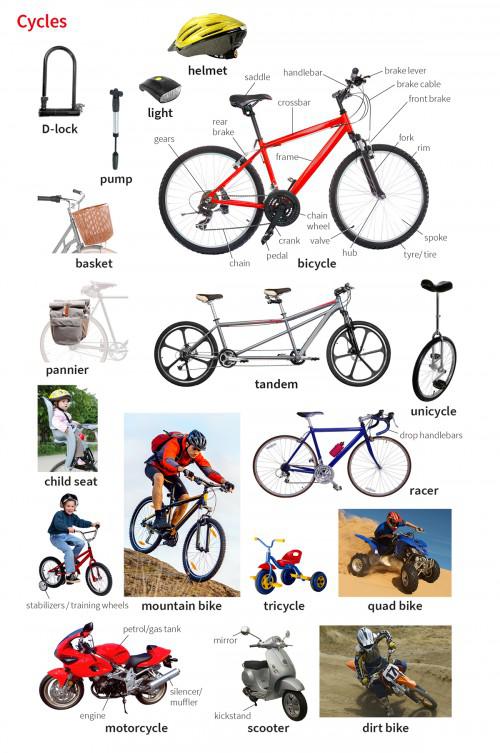
    cycle(verb)

    /ˈsaɪkl/

    자전거를 타다

    to ride a bicycle; to travel by bicycle

    I cycle every day.

    나는 매일 자전거를 탄다.

    a cycle route/track

    유의어bicycleridepedal
    반의어walkdriveremainstay
  18. 18

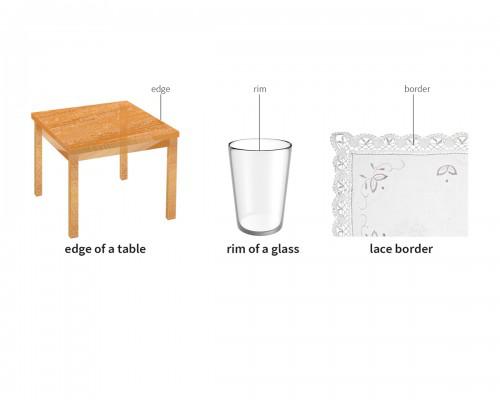
    edge(noun)

    /edʒ/

    가장자리 (gajangjari)

    the outside limit of an object, a surface or an area; the part furthest from the centre

    He fell off the edge of the cliff.

    그는 절벽 가장자리에서 떨어졌다.

    Stand the coin on its edge.

    유의어brinkrimvergebordermarginboundary
    반의어centermiddleinterior
  19. 19

    strict(adjective)

    /strɪkt/

    엄격한, 엄한

    that must be obeyed exactly

    There are strict rules about who can enter the building.

    그 건물에 누가 들어갈 수 있는지에 대해 엄격한 규칙이 있다.

    유의어severesternfirmrigidstringentdisciplinarianexacting
    반의어lenientpermissivelaxeasygoingflexibletolerant
  20. 20

    surprising(adjective)

    /sərˈpraɪzɪŋ/

    놀라운

    causing surprise

    His performance is surprising.

    그의 공연은 놀랍습니다.

    It's surprising how many people applied for the job.

    유의어astonishingunexpectedremarkableamazingstartlingunforeseen
    반의어predictableexpectedunsurprisingordinarytypicalusual
  21. 21

    badly(adverb)

    /ˈbædli/

    서투르게, 형편없이

    without skill or care

    He played badly in the match and his team lost.

    그는 경기에서 형편없이 뛰었고 그의 팀은 졌다.

    유의어poorlyterriblyawfullyseverelywickedlywrongly
    반의어wellnicelykindlyrightlycorrectly
  22. 22

    sign(noun)

    /saɪn/

    표지판, 간판

    a piece of paper, wood or metal that has writing or a picture on it giving information, directions or a warning

    The sign on the door said the shop was closed for lunch.

    문에 붙은 표지판에는 가게가 점심시간 동안 문을 닫았다고 적혀 있었다.

    유의어indicationmarksignalevidencetraceomensymptomgesture
    반의어obscurityconcealmentignorancelack of evidence
  23. 23

    choice(noun)

    /tʃɔɪs/

    선택

    an act of choosing between two or more possibilities; something that you can choose

    A yellow bag is my last choice.

    노란 가방은 제가 마지막으로 선택할 거예요.

    women forced to make a choice between family and career

    유의어optionselectionalternativepreferencepickdecision
    반의어necessityrequirementobligationcompulsionconstraint
  24. 24

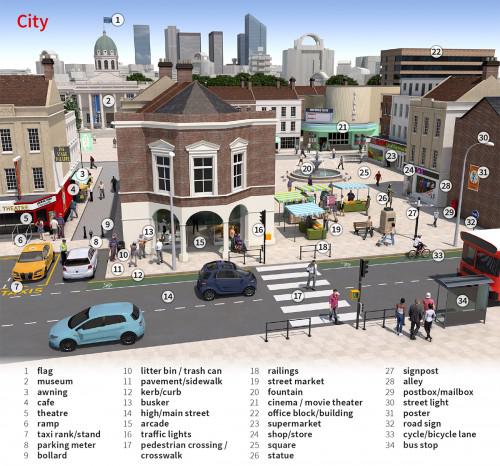
    flag(noun)

    /flæɡ/

    깃발 (gitbal)

    a piece of cloth with a special coloured design on it that may be the symbol of a particular country or organization, may be used to give a signal or may have a particular meaning. A flag can be attached to a pole (= a long thin straight piece of wood or metal) or held in the hand.

    This is the Vietnamese flag.

    이것은 베트남 국기입니다 (Igeoseun Beteunam gukgiimnida).

    the flag of Italy

    유의어bannerstandardensignpennantcolors
    반의어disregardneglecthide
  25. 25

    organize(verb)

    /ˈɔːrɡənaɪz/

    조직하다 (jojikhada)

    to make all the arrangements for something to happen or be provided

    The meeting is organized every month.

    회의는 매달 조직됩니다. (hoe-uineun maedal jojikdoem-nida.)

    to organize a meeting/party/trip

    유의어arrangecoordinatesystematizestructureformestablishmanagecontrol
    반의어disorganizedisarrangeconfusemess upjumble
  26. 26

    surface(noun)

    /ˈsɜːrfɪs/

    표면, 겉면

    the outside or top layer of something

    These fish sometimes float on the surface of the water.

    이 물고기들은 가끔 수면에 떠 있다.

    유의어exteriorfacetopoutsideskinveneer
    반의어interiorinsidedepthcorebottom
  27. 27

    speed(noun)

    /spiːd/

    속도 (sokdo)

    the rate at which somebody/something moves or travels

    There are speed restrictions on this road.

    이 도로에는 속도 제한이 있습니다. (I doroe-neun sokdo jehan-i isseumnida.)

    유의어velocitypaceswiftnessrapidityhasteacceleration
    반의어slownessdeliberationleisuredelay
  28. 28

    fly(verb)

    /flaɪ/

    날다 (nalda)

    to move through the air, using wings

    This bird cannot fly.

    이 새는 날 수 없습니다.

    A wasp had flown in through the window.

    유의어soarglidewingascendfloathovertravel by air
    반의어falldescenddropsinkplungestayremain
  29. 29

    prize(noun)

    /praɪz/

    상

    an award that is given to a person who wins a competition, race, etc. or who does very good work

    Everybody tries their best to win the prize.

    모두가 상을 받기 위해 최선을 다합니다.

    I won £500 in prize money.

    유의어awardrewardtrophyaccoladeboonperkplum
    반의어penaltyfinelosspunishment
  30. 30

    district(noun)

    /ˈdɪstrɪkt/

    지역 (jiyeok)

    an area of a country or town, especially one that has particular features

    Athletes come from different districts.

    선수들은 서로 다른 지역에서 옵니다.

    The need for sleep varies considerably from person to person.

    유의어arearegionzonesectionneighborhoodcommunityward
    반의어wholeentiretyunseparated
  31. 31

    lifeguard(noun)

    /ˈlaɪfɡɑːrd/

    인명 구조원

    a person who is employed at a beach or a swimming pool to rescue people who are in danger in the water

    They need a lifeguard.

    그들은 인명 구조원이 필요하다.

    유의어rescuersaviorlife preserver
    반의어endangerer
  32. 32

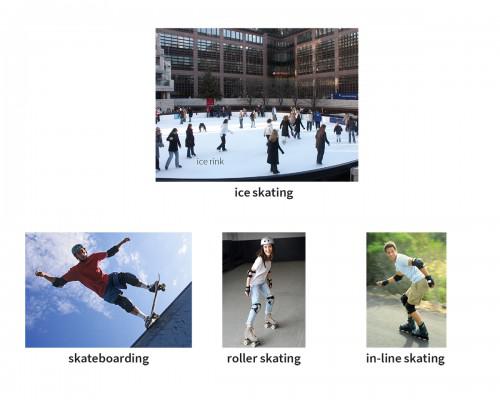
    skateboarding(noun)

    /ˈskeɪtbɔːrdɪŋ/

    스케이트보드 (seukeiteubodeu)

    the sport or activity of riding on a skateboard

    I like skateboarding.

    저는 스케이트보드 타는 것을 좋아해요. (Jeoneun seukeiteubodeu taneun geoseul joahaeyo.)

    유의어skatingboardingstreetboarding
    반의어walkingstandingsitting
  33. 33

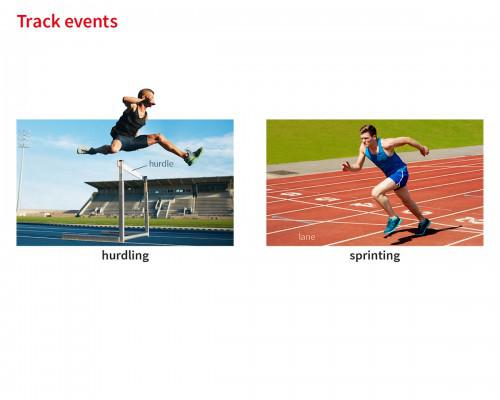
    athletics(noun)

    /æθˈletɪks/

    육상 경기, 운동 경기

    sports such as running, jumping and throwing that people compete in

    She has been competing in athletics since she was at school.

    그녀는 학교 다닐 때부터 육상 경기에 출전해 왔다.

    유의어sportsphysical activitytrack and fieldgamesexercise
    반의어sedentary activitiesinactivitynon-physical pursuits
  34. 34

    teenager(noun)

    /ˈtiːneɪdʒər/

    십대 (sipdae)

    a person who is between 13 and 19 years old

    Parents should be aware of teenagers' psychology.

    부모는 십대들의 심리에 대해 알아야 합니다. (bumoneun sipdaedeul-ui simnie daehae al-aya hamnida.)

    유의어adolescentyouthyoung personminor
    반의어adulteldersenior citizen
  35. 35

    awareness(noun)

    /əˈwernəs/

    인식 (insik)

    knowing something; knowing that something exists and is important

    We should raise public awareness of environmental issues.

    우리는 환경 문제에 대한 대중의 인식을 높여야 합니다.

    유의어consciousnessknowledgeunderstandingperceptionrecognitionsensitivity
    반의어ignoranceunawarenessobliviousness
  36. 36

    be on one's way(idiom)

    /biː ɒn wʌnz weɪ/

    ~로 가는 길이다, ~로 가는 중이다

    to be travelling towards a place; to have started a journey

    I met him when I was on my way to school.

    나는 학교에 가는 길에 그를 만났다.

    유의어en routeheading togoing towardstraveling toproceeding to
    반의어arrivingstayingremaining
  37. 37

    bump(noun)

    /bʌmp/

    쿵 하는 소리, 부딪침

    the action or the dull sound of something hitting a hard surface

    He fell off the ladder and landed on the ground with a bump.

    그는 사다리에서 떨어져 쿵 소리를 내며 땅에 떨어졌다.

    유의어knockthumpjoltcollisionlumpprotuberance
    반의어smoothnessindentationdepression
  38. 38

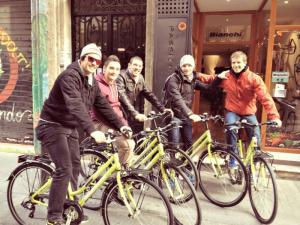
    cyclist(noun)

    /ˈsaɪklɪst/

    자전거 선수 (jajeongeo seonsu)

    a person who rides a bicycle

    He is the best cyclist.

    그는 최고의 자전거 선수입니다. (Geuneun choegoui jajeongeo seonsuimnida.)

    유의어bikerbicycle riderwheelman
    반의어pedestriandriver
  39. 39

    diver(noun)

    /ˈdaɪvər/

    잠수부

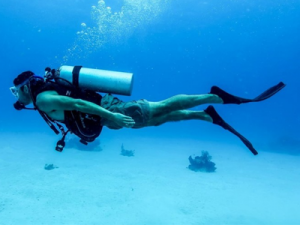
    a person who swims underwater using special equipment, usually for their job

    Nowadays, a diver can stay underwater longer with breathing equipment.

    오늘날에는 잠수부가 호흡 장비를 사용하여 물속에서 더 오래 머물 수 있습니다.

    유의어aquanautswimmerfrogmansubmariner
    반의어non-swimmerland dweller
  40. 40

    land on one's back(phrase)

    /lænd ɔ

    등으로 떨어지다, 뒤로 넘어지다

    to fall so that your back hits the ground

    He slipped on the wet floor and landed on his back.

    그는 젖은 바닥에서 미끄러져 등으로 넘어졌다.

    유의어fall backwardfall on one's backfall supine
    반의어land on one's feetland on one's stomachfall forward
  41. 41

    participant(noun)

    /pɑːrˈtɪsɪpənt/

    참가자 (chamgaja)

    a person who is taking part in an activity or event

    There are 44 participants in this competition.

    이 대회에는 44명의 참가자가 있습니다.

    유의어attendeecompetitorentrantplayermember
    반의어observerspectatorbystandernon-participant
  42. 42

    regular activity(noun)

    /'rəgjulə ækˈtɪvəti/

    정기적인 활동

    an activity that is done often, usually at fixed times

    Going camping is a regular activity of their club.

    캠핑 가는 것은 그들 클럽의 정기적인 활동입니다.

    유의어routine activityhabitual activitycommon activityusual activitytypical activity
    반의어unusual activityrare activityoccasional activitysporadic activityinfrequent activity
  43. 43

    roller-blading(noun)

    /rəʊlə bleidiɳ/

    인라인 스케이트

    the activity of moving over the ground wearing boots with a single row of small wheels

    Roller-blading is a popular youth hobby.

    인라인 스케이트는 인기있는 청소년 취미입니다.

    유의어inline skatingskatingblading
    반의어walkingrunningstationary
  44. 44

    roller-skating(noun)

    /ˈrəʊlər skeɪtɪŋ/

    롤러스케이트

    the activity of moving over the ground wearing roller skates (= a type of boot with two pairs of small wheels attached to the bottom)

    Roller-skating is a popular entertainment for teenagers nowadays.

    롤러스케이트는 요즘 십대들에게 인기 있는 오락입니다.

    유의어skatingrollerblading
    반의어walkingrunningstationary
  45. 45

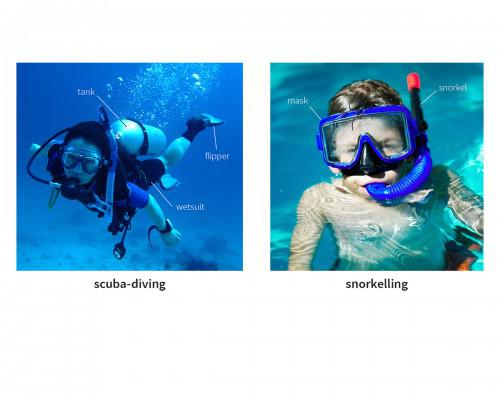
    scuba-diving(noun)

    /ˈskuːbə daɪvɪŋ/

    스쿠버 다이빙

    the sport or activity of swimming underwater using special breathing equipment consisting of a container of air which you carry on your back and a tube through which you breathe the air

    I have never tried scuba-diving.

    저는 스쿠버 다이빙을 해본 적이 없습니다.

    유의어divingunderwater divingaquatic exploration
    반의어surface swimmingsunbathingstaying ashore
  46. 46

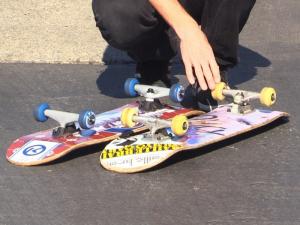
    skateboard(noun)

    /ˈskeɪtbɔːrd/

    스케이트보드

    a short narrow board with small wheels at each end, which you stand on and ride

    This skateboard is so great.

    이 스케이트보드는 정말 멋지다.

    유의어boarddeckstreetboard
    반의어None
  47. 47

    skateboarder(noun)

    /ˈskeɪtbɔːrdər/

    스케이트보더

    a person who rides on a skateboard

    Everybody recognizes that he is an excellent skateboarder.

    모두가 그가 훌륭한 스케이트보더라고 인정합니다.

    유의어skaterboarder
    반의어non-skater
  48. 48

    skillful(adjective)

    /ˈskɪlfl/

    능숙한 (neung sughan)

    good at doing something, especially something that needs a particular ability or special training

    She is very skillful at cooking.

    그녀는 요리에 매우 능숙합니다. (Geunyeoneun yorie maeu neungsukhamnida.)

    유의어adeptproficientexperttalentedcompetentcapable
    반의어ineptunskilledincompetentawkwardclumsy
  49. 49

    stay away(phrasal verb)

    /stei ə'wei/

    다가가지 마세요

    to not go near a particular person or place

    Tell him to stay away from my sister !

    그에게 내 여동생에게 가까이 가지 말라고 해!

    유의어keep awaysteer clearavoidkeep at a distanceshun
    반의어approachcome neardraw nearassociate
  50. 50

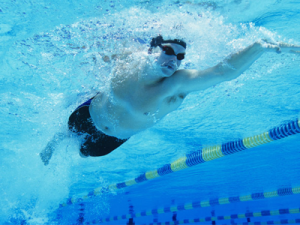
    swimmer(noun)

    /ˈswɪmər/

    수영하는 사람, 수영 선수

    a person who can swim; a person who is swimming

    He is a strong swimmer.

    그는 수영을 잘한다.

    유의어aquaticdivernatator
    반의어non-swimmersinker
  51. 51

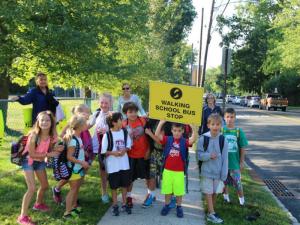
    walk-to-school day(noun)

    /wɔ

    도보 통학의 날

    a day when students are encouraged to walk to school instead of going by car or bus

    Friday is a walk-to-school day.

    금요일은 도보 통학의 날입니다.

    유의어Walking school dayActive travel dayWalk and roll day
    반의어Drive-to-school dayBus-to-school day
  52. 52

    water safety(noun)

    /ˈwɔːtər ˈseɪfti/

    수상 안전, 물놀이 안전

    the knowledge and actions needed to stay safe in or near water, such as rivers, lakes and pools

    Our teacher taught us about water safety before the swimming trip.

    선생님은 수영 여행을 가기 전에 우리에게 수상 안전에 대해 가르쳐 주셨다.

    유의어water securitysafe waterwater sanitationwater hygiene
    반의어water contaminationwater pollutionwater insecurity