コンテンツへスキップ

レッスン4/16 · 36語 · 覚えた単語 0

Lesson 4: OUR PAST

第4課:私たちの過去

  1. 1

    comfortable(adjective)

    /ˈkʌmftəbl/

    快適な

    making you feel physically relaxed; pleasant to wear, sit on, etc.

    A sofa is more comfortable than a chair.

    ソファは椅子よりも快適です。

    It's such a comfortable bed.

    類義語cozypleasantrelaxingagreeableeasysatisfyingrestful
    対義語uncomfortableawkwarddifficultpainfuldistressingirritating
  2. 2

    upset(adjective)

    /ˌʌpˈset/

    動揺した, 取り乱した, 悲しんでいる

    unhappy or disappointed because of something unpleasant that has happened

    There's no point in getting upset about it.

    そのことで悩んでも仕方がない。

    I understand how upset you must be feeling.

    類義語disturbedagitatedannoyedperturbeddistressed
    対義語calmpeacefulcontenthappypleased
  3. 3

    mark(verb)

    /mɑːrk/

    印をつける, 記す

    to write or draw a symbol, line, etc. on something in order to give information about it

    Please mark the correct answer with a small tick.

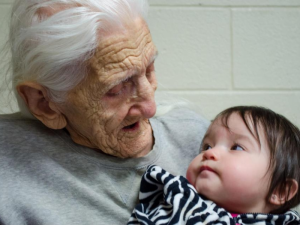
    正しい答えに小さなチェックマークをつけてください。

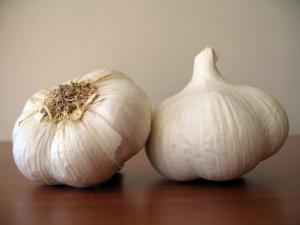
    類義語blemishscartracesignimpressioncharacteristic
    対義語erasureabsencecleanlinessnothingness
  4. 4

    appear(verb)

    /əˈpɪr/

    現れる, 姿を見せる

    to start to be seen

    Suddenly a small boat appeared on the horizon.

    突然、水平線に小さな船が現れた。

    類義語seemlookemergearisesurfacematerialize
    対義語disappearvanishhiderecede
  5. 5

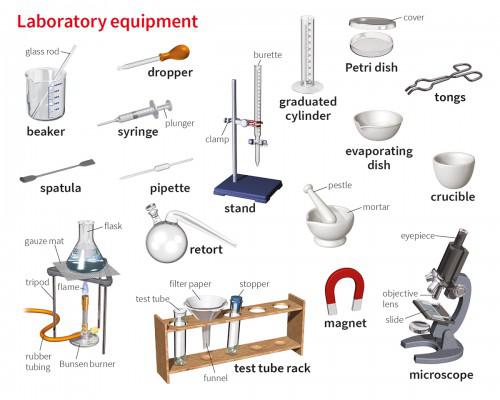
    equipment(noun)

    /ɪˈkwɪpmənt/

    設備 (setsubi)

    the things that are needed for a particular purpose or activity

    The company is in need of new office equipment such as computers, printers and photocopiers.

    会社は、コンピューター、プリンター、コピー機などの新しいオフィス機器を必要としています。

    Everyone should bring the necessary equipment for camping in the mountains.

    類義語gearapparatusappliancestoolssuppliesimplementsmaterialsparaphernalia
    対義語lackdeficiencyshortagewantabsence
  6. 6

    shout(verb)

    /ʃaʊt/

    叫ぶ (sakebu)

    to say something in a loud voice; to speak loudly/angrily to somebody

    I shouted for help but nobody came.

    助けを求めて叫んだが、誰も来なかった。

    He shouted that he couldn't swim.

    類義語yellcryscreamhollerbawlexclaim
    対義語whispermurmurmutter
  7. 7

    sound(noun)

    /saʊnd/

    音, 物音

    something that you can hear

    I heard a strange sound coming from the kitchen last night.

    昨夜、台所から変な音が聞こえた。

    類義語seemappearlookfeel
    対義語be silentfall flatjar
  8. 8

    fit(verb)

    /fɪt/

    合う (au)

    to be the right shape and size for somebody/something

    This skirt does not fit me.

    このスカートは私に合いません。(Kono sukaato wa watashi ni aimasen.)

    I tried the dress on but it didn't fit.

    類義語suitaccommodatecorrespondconformmatchtailor
    対義語misfitunsuitablelooseill-fittingincompatible
  9. 9

    marry(verb)

    /ˈmæri/

    結婚する (kekkon suru - to marry)

    to become the husband or wife of somebody; to get married to somebody

    Men tend to marry later than women.

    男性は女性よりも結婚するのが遅い傾向があります。

    I guess I'm not the marrying kind(= the kind of person who wants to get married).

    類義語wedget marriedtie the knottake to wife/husbandespouse
    対義語divorceseparatesplit upremain singledissolve marriage
  10. 10

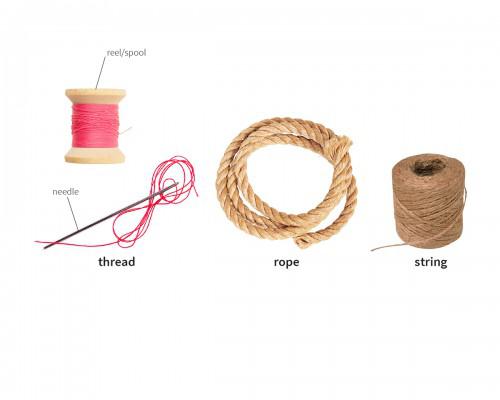
    rope(noun)

    /rəʊp/

    ロープ

    very strong thick string made by twisting thinner strings, wires, etc. together

    A sailor threw a rope ashore, and we tied the boat to the post.

    船乗りがロープを岸に投げ、私たちはボートを柱に結びました。

    The anchor was attached to a length of rope.

    類義語cordlinecabletwinestrand
    対義語None
  11. 11

    cruel(adjective)

    /ˈkruːəl/

    残酷な

    having a desire to cause physical or mental pain and make somebody suffer

    She was often cruel to her sister.

    彼女は妹にしばしば残酷だった。

    Her eyes were cruel and hard.

    類義語brutalcallousruthlessheartlessinhumanevicioussadisticmerciless
    対義語kindcompassionatemercifulbenevolenthumanegentle
  12. 12

    escape(verb)

    /ɪˈskeɪp/

    脱走する, 逃げ出す

    to get away from a place where you have been kept as a prisoner or not allowed to leave

    Two prisoners escaped from the jail late last night.

    昨夜遅く、2人の囚人が刑務所から脱走した。

    類義語fleeevadeavoideludebreak freeget away
    対義語captureimprisondetainconfineincarcerate
  13. 13

    unfortunately(adverb)

    /ʌnˈfɔːrtʃənətli/

    残念ながら

    used to say that a particular situation or fact makes you sad or disappointed, or gets you into a difficult position

    Unfortunately, I didn't have my credit card with me.

    残念ながら、クレジットカードを持っていませんでした。

    Unfortunately for him, the police had been informed and were waiting outside.

    類義語sadlyregrettablyalasunluckilyby bad luck
    対義語fortunatelyluckilyhappily
  14. 14

    stripe(noun)

    /straɪp/

    ストライプ

    a long narrow line of colour, that is a different colour from the areas next to it

    The pattern of stripes on his shirt makes him look like a zebra.

    彼のシャツのストライプの模様は、彼をシマウマのように見せます。

    a zebra's black and white stripes

    類義語bandlinestreakstripmark
    対義語plainsolidunmarked
  15. 15

    modern(adjective)

    /ˈmɑːdərn/

    現代的 (gendai-teki)

    of the present time or recent times

    Hanoi is more modern than Yen Bai.

    ハノイはイエンバイよりも現代的です。

    Stress is a major problem of modern life.

    類義語contemporarynewcurrentup-to-datestate-of-the-artinnovative
    対義語old-fashionedtraditionalancientoutdatedobsolete
  16. 16

    tie(verb)

    /taɪ/

    縛る, 結ぶ, つなぐ

    to attach or hold two or more things together using string, rope, etc.; to fasten somebody/something with string, rope, etc.

    The farmer tied the tiger to a tree with a strong rope.

    農夫は丈夫なロープでトラを木に縛りつけました。

    類義語necktiecravatbondconnection
    対義語loosenuntieseverdisconnect
  17. 17

    discover(verb)

    /dɪˈskʌvər/

    発見する, 知る

    to find or learn something that you did not know about before

    The programme helps us discover strange facts about the animal life.

    その番組は、動物の生態に関する不思議な事実を発見する手助けをしてくれます。

    Cook is credited with discovering Hawaii.

    類義語finduncoverdetectreveallearnascertaindetermine
    対義語hideconcealcoverlosemissoverlook
  18. 18

    servant(noun)

    /ˈsɜːrvənt/

    召使い (meshitsukai)

    a person who works in another person’s house, and cooks, cleans, etc. for them

    They treat their mother like a servant.

    彼らは母親を召使いのように扱う。

    a domestic servant

    類義語attendanthelperdomesticemployeeunderlingmenial
    対義語masterleaderemployerboss
  19. 19

    traditional(adjective)

    /trəˈdɪʃənl/

    伝統的 (dentōteki)

    being part of the beliefs, customs or way of life of a particular group of people, that have not changed for a long time

    A group of children will perform traditional dances.

    子供たちのグループが伝統的な踊りを披露します。

    traditional dress

    類義語conventionalcustomaryestablishedtypicaltime-honoredfolkhistorical
    対義語moderncontemporarynewunconventionaloriginalinnovative
  20. 20

    prince(noun)

    /prɪns/

    王子 (ōji)

    a male member of a royal family who is not king, especially the son or grandson of the king or queen

    Once upon a time, there lived a king who had seven princes.

    昔々、七人の王子を持つ王様がいました。

    the royal princes

    類義語heirroyalcrown princesuccessornobleman
    対義語commonersubjectpeasant
  21. 21

    master(noun)

    /ˈmæstər/

    主人 (shujin)

    a man who has people working for him, often as servants in his home

    They lived in fear of their master.

    彼らは主人を恐れて暮らしていた。(Karera wa shujin o osorete kurashiteita.)

    Today we learnt how to use the new software.

    類義語ownerrulerlordbosscommanderchief
    対義語servantslavefollowerunderling
  22. 22

    Tiger(noun)

    /ˈtaɪɡər/

    虎 (tora)

    a large wild animal of the cat family that has orange fur with black stripes (= narrow lines) and lives in parts of Asia

    The tiger is the largest living cat species and a member of the genus Panthera.

    虎は現存する最大の猫の種であり、ヒョウ属の一種です。

    類義語none (tiger is a specific animal)
    対義語none (tiger is a specific animal)
  23. 23

    greedy(adjective)

    /ˈɡriːdi/

    貪欲

    wanting more money, power, food, etc. than you really need

    He is greedy for power.

    彼は権力を貪欲に求めている。

    類義語avariciouscovetousgraspingrapaciousacquisitivematerialistic
    対義語generousbenevolentaltruisticgivingcharitableselfless
  24. 24

    excited(adjective)

    /ɪkˈsaɪtɪd/

    興奮した (kōfun shita)

    feeling or showing happiness and enthusiasm

    The children were excited about opening their presents.

    子供たちはプレゼントを開けることに興奮していました (Kodomo-tachi wa purezento o akeru koto ni kōfun shite imashita).

    類義語enthusiasticthrilledeagerelatedanimatedpassionate
    対義語boredapatheticuninterestedindifferentcalmunexcited
  25. 25

    festival(noun)

    /ˈfestɪvl/

    祭り (matsuri)

    a series of performances of music, plays, films, etc., usually organized in the same place once a year; a series of public events connected with a particular activity or idea

    He had a chance to take part in the World Youth festival.

    彼は世界青少年祭に参加する機会があった。

    類義語celebrationgalacarnivalfairfeteholidayjubilee
    対義語workdaytragedymourningbusiness as usual
  26. 26

    folk tale(noun)

    /ˈfəʊk teɪl/

    民話 (minwa)

    a very old traditional story from a particular place that was originally passed on to people in a spoken form

    He is telling me a long folk tale.

    彼は私に長い民話を話している。

    類義語fairy talelegendmythyarntraditional story
    対義語nonfictiontrue storyfact
  27. 27

    foolish(adjective)

    /ˈfuːlɪʃ/

    愚かな (oroka na)

    not showing good sense or judgement

    I was foolish enough to believe what Jeff told me.

    私はジェフが言ったことを信じるほど愚かだった。(Watashi wa Jeff ga itta koto o shinjiru hodo oroka datta.)

    類義語sillystupidunwiseasininedaftidioticabsurd
    対義語wisesensibleprudentintelligentsmartclever
  28. 28

    graze(verb)

    /ɡreɪz/

    草を食べる, 放牧される

    to eat grass that is growing in a field

    The cows continued to graze.

    牛たちは草を食べ続けた。

    類義語feedbrowsepasturenipcrop
    対義語starveabstain
  29. 29

    great-grandfather(noun)

    /ɡreɪt ˈɡrænfɑːðər/

    曽祖父 (sofu)

    the father of your grandfather or grandmother

    My great-grandfather was a peasant.

    私の曽祖父は農民でした。(Watashi no sofu wa noumin deshita.)

    類義語ancestorforefatherprogenitor
    対義語descendantgrandchildsuccessor
  30. 30

    great-grandmother(noun)

    /ɡreɪt ˈɡrænmʌðər/

    曽祖母 (sobo)

    the mother of your grandfather or grandmother

    My great-grandmother was a housewife.

    私の曽祖母は主婦でした。(Watashi no sobo wa shufu deshita.)

    類義語ancestorforemotherprogenitor
    対義語grandchilddescendant
  31. 31

    magically(adverb)

    /ˈmædʒɪkli/

    魔法のように

    in a way that cannot easily be explained and seems to involve the use of magic

    Some people think garlic is magically powerful.

    ニンニクには魔法のような力があると思っている人もいます。

    類義語miraculouslysupernaturallyfantasticallywonderfullyinexplicably
    対義語naturallyordinarilyrealisticallyfactuallynormally
  32. 32

    rag(noun)

    /ræɡ/

    ぼろ, ぼろ着

    old torn clothes

    A magical power turns her rags into beautiful clothes.

    魔法の力が彼女のぼろ着を美しい服に変える。

    類義語scrapshredtattersworn fabricremnantpiece of cloth
    対義語treasureluxurywealthfine clothperfect piece
  33. 33

    straw(noun)

    /strɔː/

    わら

    stems of wheat or other grain plants that have been cut and dried, used for making mats or roofs and for feeding animals

    The farmer tied the tiger to a tree and set fire to some straw.

    農夫は虎を木に縛りつけ、わらに火をつけた。

    類義語tubesuckerdrinking tube
    対義語None (in the context of a drinking straw)cupglass
  34. 34

    wisdom(noun)

    /ˈwɪzdəm/

    知恵 (chie)

    the ability to make sensible decisions and give good advice because of the experience and knowledge that you have

    Before I went off to university, my father gave me a few words of wisdom.

    私が大学に行く前に、父は私にいくつかの知恵の言葉を授けてくれた。

    類義語sagacityinsightunderstandingprudenceknowledgeintelligence
    対義語follystupidityignorancefoolishness

  35. 35

    own(verb)

    /əʊn/

    所有する, 持っている

    to have something that belongs to you, especially because you have bought it

    Do you own your house or do you rent it?

    あなたは家を所有していますか、それとも借りていますか。

  36. 36

    lay(verb)

    /leɪ/

    産む, 卵を産む

    (of a bird, insect, etc.) to produce eggs

    His chickens lay many eggs.

    彼のニワトリはたくさん卵を産む。