본문으로 건너뛰기

레슨 4/16 · 36단어 · 외운 단어 0

Lesson 4: OUR PAST

4과: 우리의 과거

  1. 1

    comfortable(adjective)

    /ˈkʌmftəbl/

    편안한

    making you feel physically relaxed; pleasant to wear, sit on, etc.

    A sofa is more comfortable than a chair.

    소파가 의자보다 더 편안합니다.

    It's such a comfortable bed.

    유의어cozypleasantrelaxingagreeableeasysatisfyingrestful
    반의어uncomfortableawkwarddifficultpainfuldistressingirritating
  2. 2

    upset(adjective)

    /ˌʌpˈset/

    속상한, 마음이 상한

    unhappy or disappointed because of something unpleasant that has happened

    There's no point in getting upset about it.

    그 일로 속상해해 봐야 소용없어.

    I understand how upset you must be feeling.

    유의어disturbedagitatedannoyedperturbeddistressed
    반의어calmpeacefulcontenthappypleased
  3. 3

    mark(verb)

    /mɑːrk/

    표시하다

    to write or draw a symbol, line, etc. on something in order to give information about it

    Please mark the correct answer with a small tick.

    정답에 작게 체크 표시를 해 주세요.

    유의어blemishscartracesignimpressioncharacteristic
    반의어erasureabsencecleanlinessnothingness
  4. 4

    appear(verb)

    /əˈpɪr/

    나타나다, 모습을 드러내다

    to start to be seen

    Suddenly a small boat appeared on the horizon.

    갑자기 수평선 위에 작은 배 한 척이 나타났다.

    유의어seemlookemergearisesurfacematerialize
    반의어disappearvanishhiderecede
  5. 5

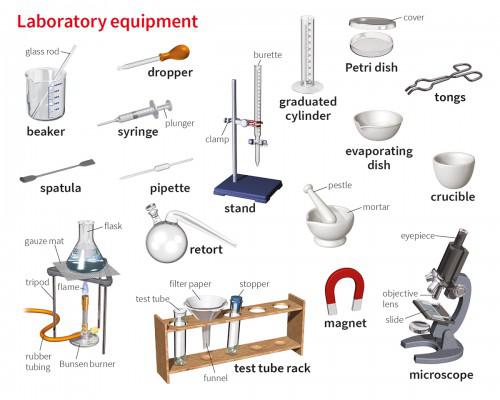
    equipment(noun)

    /ɪˈkwɪpmənt/

    장비 (jangbi)

    the things that are needed for a particular purpose or activity

    The company is in need of new office equipment such as computers, printers and photocopiers.

    그 회사는 컴퓨터, 프린터, 복사기와 같은 새로운 사무 장비가 필요합니다.

    Everyone should bring the necessary equipment for camping in the mountains.

    유의어gearapparatusappliancestoolssuppliesimplementsmaterialsparaphernalia
    반의어lackdeficiencyshortagewantabsence
  6. 6

    shout(verb)

    /ʃaʊt/

    외치다 (oechida)

    to say something in a loud voice; to speak loudly/angrily to somebody

    I shouted for help but nobody came.

    도와달라고 외쳤지만 아무도 오지 않았다.

    He shouted that he couldn't swim.

    유의어yellcryscreamhollerbawlexclaim
    반의어whispermurmurmutter
  7. 7

    sound(noun)

    /saʊnd/

    소리

    something that you can hear

    I heard a strange sound coming from the kitchen last night.

    어젯밤 부엌에서 이상한 소리가 나는 것을 들었다.

    유의어seemappearlookfeel
    반의어be silentfall flatjar
  8. 8

    fit(verb)

    /fɪt/

    맞다 (matda)

    to be the right shape and size for somebody/something

    This skirt does not fit me.

    이 치마는 나에게 맞지 않아요. (I chimaneun naege matchi anhayo.)

    I tried the dress on but it didn't fit.

    유의어suitaccommodatecorrespondconformmatchtailor
    반의어misfitunsuitablelooseill-fittingincompatible
  9. 9

    marry(verb)

    /ˈmæri/

    결혼하다 (gyeolhonhada - to marry)

    to become the husband or wife of somebody; to get married to somebody

    Men tend to marry later than women.

    남성은 여성보다 늦게 결혼하는 경향이 있습니다.

    I guess I'm not the marrying kind(= the kind of person who wants to get married).

    유의어wedget marriedtie the knottake to wife/husbandespouse
    반의어divorceseparatesplit upremain singledissolve marriage
  10. 10

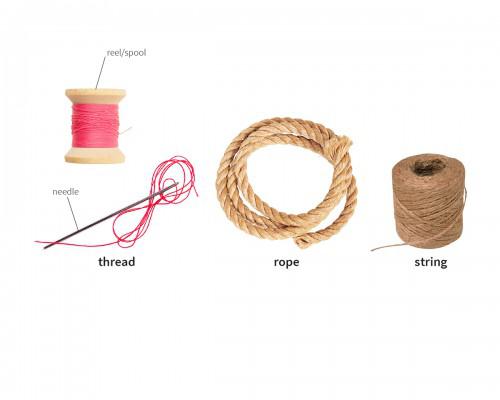
    rope(noun)

    /rəʊp/

    밧줄

    very strong thick string made by twisting thinner strings, wires, etc. together

    A sailor threw a rope ashore, and we tied the boat to the post.

    선원이 밧줄을 육지로 던졌고, 우리는 배를 기둥에 묶었습니다.

    The anchor was attached to a length of rope.

    유의어cordlinecabletwinestrand
    반의어None
  11. 11

    cruel(adjective)

    /ˈkruːəl/

    잔인한

    having a desire to cause physical or mental pain and make somebody suffer

    She was often cruel to her sister.

    그녀는 종종 여동생에게 잔인했다.

    Her eyes were cruel and hard.

    유의어brutalcallousruthlessheartlessinhumanevicioussadisticmerciless
    반의어kindcompassionatemercifulbenevolenthumanegentle
  12. 12

    escape(verb)

    /ɪˈskeɪp/

    탈출하다, 도망치다

    to get away from a place where you have been kept as a prisoner or not allowed to leave

    Two prisoners escaped from the jail late last night.

    어젯밤 늦게 죄수 두 명이 교도소에서 탈옥했다.

    유의어fleeevadeavoideludebreak freeget away
    반의어captureimprisondetainconfineincarcerate
  13. 13

    unfortunately(adverb)

    /ʌnˈfɔːrtʃənətli/

    불행히도

    used to say that a particular situation or fact makes you sad or disappointed, or gets you into a difficult position

    Unfortunately, I didn't have my credit card with me.

    불행히도, 신용카드를 가지고 있지 않았어요.

    Unfortunately for him, the police had been informed and were waiting outside.

    유의어sadlyregrettablyalasunluckilyby bad luck
    반의어fortunatelyluckilyhappily
  14. 14

    stripe(noun)

    /straɪp/

    줄무늬

    a long narrow line of colour, that is a different colour from the areas next to it

    The pattern of stripes on his shirt makes him look like a zebra.

    그의 셔츠에 있는 줄무늬 패턴은 그를 얼룩말처럼 보이게 합니다.

    a zebra's black and white stripes

    유의어bandlinestreakstripmark
    반의어plainsolidunmarked
  15. 15

    modern(adjective)

    /ˈmɑːdərn/

    현대적인 (hyeondaejeogin)

    of the present time or recent times

    Hanoi is more modern than Yen Bai.

    하노이는 옌바이보다 더 현대적입니다.

    Stress is a major problem of modern life.

    유의어contemporarynewcurrentup-to-datestate-of-the-artinnovative
    반의어old-fashionedtraditionalancientoutdatedobsolete
  16. 16

    tie(verb)

    /taɪ/

    묶다, 매다, 동여매다

    to attach or hold two or more things together using string, rope, etc.; to fasten somebody/something with string, rope, etc.

    The farmer tied the tiger to a tree with a strong rope.

    농부는 튼튼한 밧줄로 호랑이를 나무에 묶었다.

    유의어necktiecravatbondconnection
    반의어loosenuntieseverdisconnect
  17. 17

    discover(verb)

    /dɪˈskʌvər/

    발견하다, 알아내다

    to find or learn something that you did not know about before

    The programme helps us discover strange facts about the animal life.

    그 프로그램은 우리가 동물의 삶에 관한 신기한 사실을 알아내도록 도와준다.

    Cook is credited with discovering Hawaii.

    유의어finduncoverdetectreveallearnascertaindetermine
    반의어hideconcealcoverlosemissoverlook
  18. 18

    servant(noun)

    /ˈsɜːrvənt/

    하인 (hain)

    a person who works in another person’s house, and cooks, cleans, etc. for them

    They treat their mother like a servant.

    그들은 그들의 어머니를 하인처럼 대한다.

    a domestic servant

    유의어attendanthelperdomesticemployeeunderlingmenial
    반의어masterleaderemployerboss
  19. 19

    traditional(adjective)

    /trəˈdɪʃənl/

    전통적인 (jeontongjeogin)

    being part of the beliefs, customs or way of life of a particular group of people, that have not changed for a long time

    A group of children will perform traditional dances.

    한 무리의 아이들이 전통 춤을 공연할 것입니다.

    traditional dress

    유의어conventionalcustomaryestablishedtypicaltime-honoredfolkhistorical
    반의어moderncontemporarynewunconventionaloriginalinnovative
  20. 20

    prince(noun)

    /prɪns/

    왕자 (wangja)

    a male member of a royal family who is not king, especially the son or grandson of the king or queen

    Once upon a time, there lived a king who had seven princes.

    옛날 옛적에 일곱 왕자를 가진 왕이 살았습니다.

    the royal princes

    유의어heirroyalcrown princesuccessornobleman
    반의어commonersubjectpeasant
  21. 21

    master(noun)

    /ˈmæstər/

    주인 (juin)

    a man who has people working for him, often as servants in his home

    They lived in fear of their master.

    그들은 그들의 주인에 대한 두려움 속에서 살았습니다. (Geudeureun geudeurui juine daehan duryeoum sogeseo saratseumnida.)

    Today we learnt how to use the new software.

    유의어ownerrulerlordbosscommanderchief
    반의어servantslavefollowerunderling
  22. 22

    Tiger(noun)

    /ˈtaɪɡər/

    호랑이 (horangi)

    a large wild animal of the cat family that has orange fur with black stripes (= narrow lines) and lives in parts of Asia

    The tiger is the largest living cat species and a member of the genus Panthera.

    호랑이는 현존하는 가장 큰 고양이 종이며 표범속의 일원입니다.

    유의어none (tiger is a specific animal)
    반의어none (tiger is a specific animal)
  23. 23

    greedy(adjective)

    /ˈɡriːdi/

    탐욕스러운

    wanting more money, power, food, etc. than you really need

    He is greedy for power.

    그는 권력에 탐욕스럽다.

    유의어avariciouscovetousgraspingrapaciousacquisitivematerialistic
    반의어generousbenevolentaltruisticgivingcharitableselfless
  24. 24

    excited(adjective)

    /ɪkˈsaɪtɪd/

    신난 (shinnan)

    feeling or showing happiness and enthusiasm

    The children were excited about opening their presents.

    아이들은 선물을 뜯는 것에 신이 났습니다. (aideureun seonmureul tteutneun geose sininnaesseumnida).

    유의어enthusiasticthrilledeagerelatedanimatedpassionate
    반의어boredapatheticuninterestedindifferentcalmunexcited
  25. 25

    festival(noun)

    /ˈfestɪvl/

    축제 (chukje)

    a series of performances of music, plays, films, etc., usually organized in the same place once a year; a series of public events connected with a particular activity or idea

    He had a chance to take part in the World Youth festival.

    그는 세계 청소년 축제에 참여할 기회가 있었다.

    유의어celebrationgalacarnivalfairfeteholidayjubilee
    반의어workdaytragedymourningbusiness as usual
  26. 26

    folk tale(noun)

    /ˈfəʊk teɪl/

    민담 (mindam)

    a very old traditional story from a particular place that was originally passed on to people in a spoken form

    He is telling me a long folk tale.

    그는 나에게 긴 민담을 이야기하고 있다.

    유의어fairy talelegendmythyarntraditional story
    반의어nonfictiontrue storyfact
  27. 27

    foolish(adjective)

    /ˈfuːlɪʃ/

    어리석은 (eoriseogeun)

    not showing good sense or judgement

    I was foolish enough to believe what Jeff told me.

    나는 제프가 말한 것을 믿을 만큼 어리석었다.(Naneun jepeu-ga malhan geoseul mideul mankeum eoriseogeotda.)

    유의어sillystupidunwiseasininedaftidioticabsurd
    반의어wisesensibleprudentintelligentsmartclever
  28. 28

    graze(verb)

    /ɡreɪz/

    풀을 뜯다 (puleul tteutda)

    to eat grass that is growing in a field

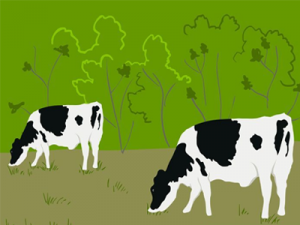
    The cows continued to graze.

    소들은 계속 풀을 뜯었다. (sodeureun gyesok puleul tteudeotda.)

    유의어feedbrowsepasturenipcrop
    반의어starveabstain
  29. 29

    great-grandfather(noun)

    /ɡreɪt ˈɡrænfɑːðər/

    증조할아버지 (jeungjohal-abeoji)

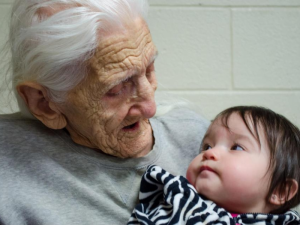
    the father of your grandfather or grandmother

    My great-grandfather was a peasant.

    저의 증조할아버지는 농부였습니다. (Jeo-ui jeungjohal-abeojineun nongbu-yeotseumnida.)

    유의어ancestorforefatherprogenitor
    반의어descendantgrandchildsuccessor
  30. 30

    great-grandmother(noun)

    /ɡreɪt ˈɡrænmʌðər/

    증조할머니

    the mother of your grandfather or grandmother

    My great-grandmother was a housewife.

    나의 증조할머니는 전업주부셨다.

    유의어ancestorforemotherprogenitor
    반의어grandchilddescendant
  31. 31

    magically(adverb)

    /ˈmædʒɪkli/

    마법처럼

    in a way that cannot easily be explained and seems to involve the use of magic

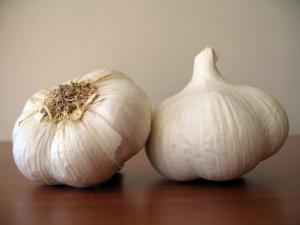
    Some people think garlic is magically powerful.

    어떤 사람들은 마늘이 마법처럼 강력하다고 생각합니다.

    유의어miraculouslysupernaturallyfantasticallywonderfullyinexplicably
    반의어naturallyordinarilyrealisticallyfactuallynormally
  32. 32

    rag(noun)

    /ræɡ/

    누더기, 넝마

    old torn clothes

    A magical power turns her rags into beautiful clothes.

    마법의 힘이 그녀의 누더기를 아름다운 옷으로 바꿔 준다.

    유의어scrapshredtattersworn fabricremnantpiece of cloth
    반의어treasureluxurywealthfine clothperfect piece
  33. 33

    straw(noun)

    /strɔː/

    짚, 밀짚

    stems of wheat or other grain plants that have been cut and dried, used for making mats or roofs and for feeding animals

    The farmer tied the tiger to a tree and set fire to some straw.

    농부는 호랑이를 나무에 묶고 짚에 불을 질렀다.

    유의어tubesuckerdrinking tube
    반의어None (in the context of a drinking straw)cupglass
  34. 34

    wisdom(noun)

    /ˈwɪzdəm/

    지혜 (jihye)

    the ability to make sensible decisions and give good advice because of the experience and knowledge that you have

    Before I went off to university, my father gave me a few words of wisdom.

    대학교에 가기 전에 아버지께서 저에게 몇 마디 지혜를 주셨습니다.

    유의어sagacityinsightunderstandingprudenceknowledgeintelligence
    반의어follystupidityignorancefoolishness

  35. 35

    own(verb)

    /əʊn/

    소유하다, 가지고 있다

    to have something that belongs to you, especially because you have bought it

    Do you own your house or do you rent it?

    당신은 집을 소유하고 있나요, 아니면 세 들어 사나요?

  36. 36

    lay(verb)

    /leɪ/

    알을 낳다

    (of a bird, insect, etc.) to produce eggs

    His chickens lay many eggs.

    그의 닭들은 알을 많이 낳는다.