コンテンツへスキップ

レッスン9/10 · 41語 · 覚えた単語 0

Lesson 9: NATURAL DISASTERS

第9課:自然災害

  1. 1

    forecast(noun)

    /ˈfɔːrkæst/

    売上予測, 売上見込み, 需要予測

    a statement of expected future sales or results, based on current information and data

    Each manager must submit a sales forecast by the fifth of every month.

    各マネージャーは毎月5日までに売上予測を提出しなければなりません。

    Our forecast for the third quarter was too optimistic.

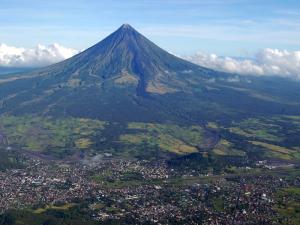
    類義語predictprojectanticipateestimateexpectforesee
    対義語recollectrememberrecountreportdocument
  2. 2

    expect(verb)

    /ɪkˈspekt/

    期待する

    to think or believe that something will happen or that somebody will do something

    You can expect a clean room when you check in at a hotel

    ホテルにチェックインする際、きれいな部屋を期待できます。

    Mr. Kim expected that the bed linens would be changed daily

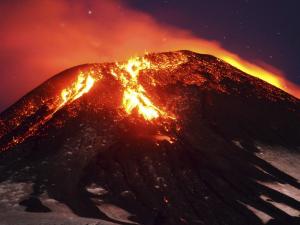
    類義語anticipateawaitforeseepredictassumepresume
    対義語doubtdisbelievequestionmisunderstanduncertain
  3. 3

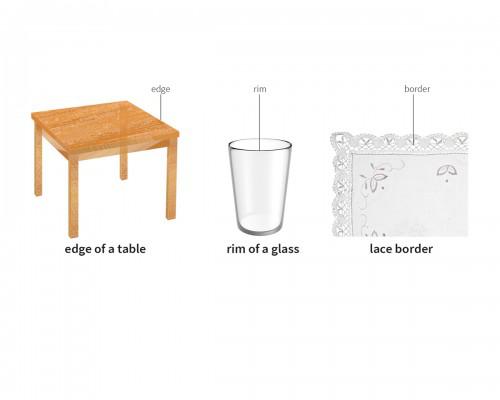
    border(noun)

    /ˈbɔːrdər/

    国境, 境界

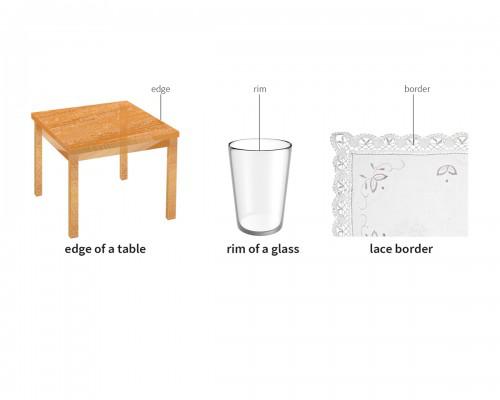
    the line that divides two countries or areas; the land near this line

    We crossed the border into France early in the morning.

    私たちは早朝に国境を越えてフランスに入った。

    類義語boundaryedgemarginfrontiervergerimperimeter
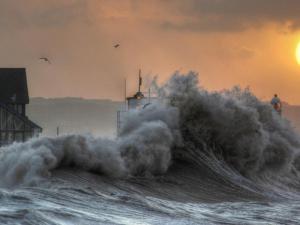
    対義語centermiddleinterior
  4. 4

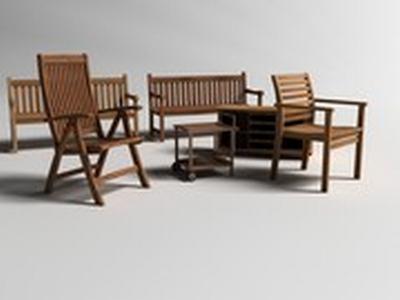
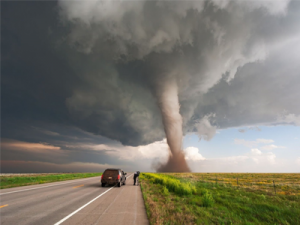
    furniture(noun)

    /ˈfɜːrnɪtʃər/

    家具 (kagu)

    objects that can be moved, such as tables, chairs and beds, that are put into a house or an office to make it suitable for living or working in

    Williams is buying some furniture for his new apartment.

    ウィリアムズは新しいアパートのために家具を買っています。

    a piece of furniture

    類義語furnishingsequipmentappliancehousehold goods
    対義語emptinessvoidbareness
  5. 5

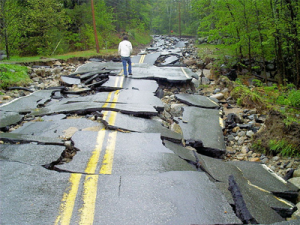
    damage(noun)

    /ˈdæmɪdʒ/

    損害 (songai)

    physical harm caused to something which makes it less attractive, useful or valuable

    The damage to his car was considerable.

    彼の車の損害は相当なものだった。(Kare no kuruma no songai wa soutou na mono datta.)

    Smoking seriously damages your health.

    類義語harminjuryimpairmentdestructionloss
    対義語repairimprovementbenefitadvantagerestoration
  6. 6

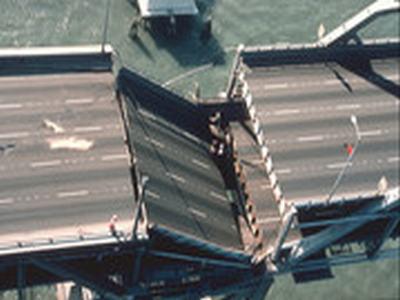
    collapse(verb)

    /kəˈlæps/

    崩壊する, 倒壊する, 崩れ落ちる

    to fall down or fall in suddenly, often after breaking apart

    Several old buildings collapsed during the earthquake last night.

    昨夜の地震で古い建物がいくつか倒壊した。

    類義語fall apartbreak downcrumblefailimplodesuccumbcave in
    対義語thrivesucceedstandendurebuildflourish
  7. 7

    extensive(adjective)

    /ɪkˈstensɪv/

    広範 (kōhan)

    covering a large area; great in amount

    It is an extensive collection of silver.

    それは銀の広範なコレクションです。(Sore wa gin no kōhan na collection desu.)

    The fire caused extensive damage.

    類義語largebroadwidecomprehensiveconsiderablefar-reaching
    対義語limitednarrowsmallrestrictedconfined
  8. 8

    battery(noun)

    /ˈbætəri/

    バッテリー

    a device that is placed inside a car engine, clock, radio, etc. and that produces the electricity that makes it work

    Please charge the battery; it is very low now.

    バッテリーを充電してください。もう残量が非常に少ないです。

    to replace the batteries

    類義語cellaccumulatorpower sourceenergy source
    対義語dischargedraindepletion
  9. 9

    destroy(verb)

    /dɪˈstrɔɪ/

    破壊する (hakai suru)

    to damage something so badly that it no longer exists, works, etc.

    We can't destroy the forests anymore.

    もう森林を破壊することはできません。

    They've destroyed all the evidence.

    類義語demolishruinannihilateobliteratewreckdevastateeradicate
    対義語createbuildconstructpreserveprotectrepair
  10. 10

    disaster(noun)

    /dɪˈzæstər/

    災害

    an unexpected event, such as a very bad accident, a flood or a fire, that kills a lot of people or causes a lot of damage

    The film begins with a terrible disaster.

    その映画はひどい災害から始まる。

    a natural disaster(= one that is caused by nature)

    類義語catastrophecalamitytragedymisfortuneadversity
    対義語successfortuneblessingtriumphbenefit
  11. 11

    lift(verb)

    /lɪft/

    持ち上げる

    to raise somebody/something or be raised to a higher position or level

    He lifted his trophy over his head.

    彼はトロフィーを頭上に掲げた。

    John lifted his eyes (= looked up) from his book.

    類義語raiseelevatehoistboostpick up
    対義語lowerdropdescenddecreasereduce
  12. 12

    volcano(noun)

    /vɑːlˈkeɪnəʊ/

    火山 (kazan)

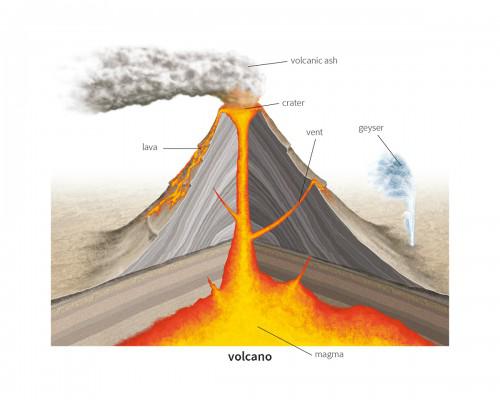
    a mountain with a large opening at the top through which gases and lava (= hot liquid rock) are forced out into the air, or have been in the past

    This volcano hasn't erupted for years.

    この火山は何年も噴火していません。

    類義語cratermountainvent
    対義語plainvalleyplateau
  13. 13

    typhoon(noun)

    /taɪˈfuːn/

    台風 (taifuu)

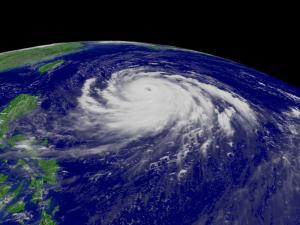
    a violent tropical storm with very strong winds

    Such a terrible typhoon is spreading over the country.

    そのようなひどい台風が国中に広がっています。 (Sono youna hidoi taifuu ga kuni-juu ni hirogatte imasu.)

    類義語hurricanecyclonetropical cyclonestorm
    対義語calmstillnesspeacetranquility
  14. 14

    abrupt(adjective)

    /əˈbrʌpt/

    突然の

    sudden and unexpected, often in an unpleasant way

    I was surprised by the abrupt change of subject.

    私は突然の話題の変更に驚いた。

    類義語suddenunexpectedsharpsteepunforeseenprecipitoussummary
    対義語gradualsmoothexpectedgentleanticipatedleisurely
  15. 15

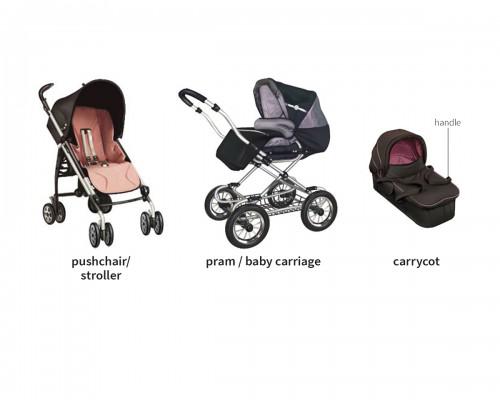
    baby carriage(noun)

    /ˈbeɪbi kærɪdʒ/

    乳母車 (nyūbasha)

    a small vehicle on four wheels for a baby to go out in, pushed by a person on foot

    The baby was put into the baby carriage.

    赤ちゃんは乳母車に入れられました。

    類義語strollerprambuggypushchair
    対義語none (because it's a specific object)
  16. 16

    behave(verb)

    /bɪˈheɪv/

    振る舞う

    to do things in a particular way

    Everyone should behave well at Tet.

    みんな、テトの時は行儀よく振る舞うべきです。

    類義語actconductdeportcomportact properlyconduct oneself
    対義語misbehavemisconductact updisobey
  17. 17

    bureau(noun)

    /ˈbjʊrəʊ/

    支局, 事務所, 局

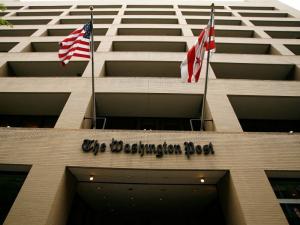
    an office or department that does a particular job, such as a branch of a news organization

    The Washington post has a bureau in London.

    ワシントン・ポスト紙はロンドンに支局を持っている。

    類義語officeagencydepartmentdivisionbranch
    対義語(lack of) organization(lack of) department
  18. 18

    carriage(noun)

    /ˈkærɪdʒ/

    客車, 車両

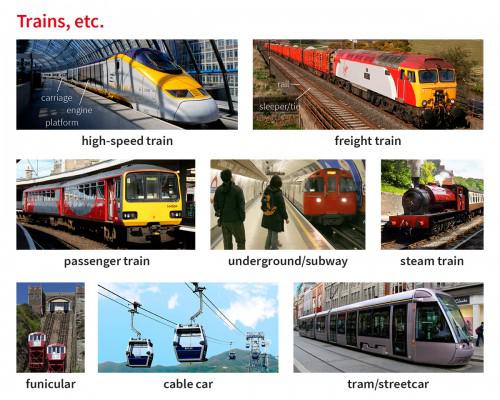
    a separate section of a train for carrying passengers

    We walked through the train to find an empty carriage at the back.

    私たちは列車の中を歩いて、一番後ろの空いている車両を見つけた。

    類義語coachwagonvehiclebuggy
    対義語pedestrianwalking
  19. 19

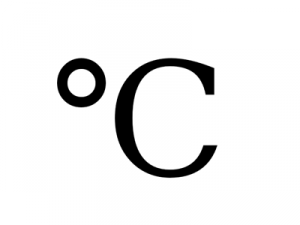
    Celsius(adjective)

    /ˈselsiəs/

    セルシウス (Serushiusu)

    of or using a scale of temperature in which water freezes at 0° and boils at 100°

    Water boils at 100 degrees Celsius.

    水は摂氏100度で沸騰する。(Mizu wa sesshi hyaku-do de futtō suru.)

    類義語centigradedegrees CelsiusC
    対義語FahrenheitKelvin
  20. 20

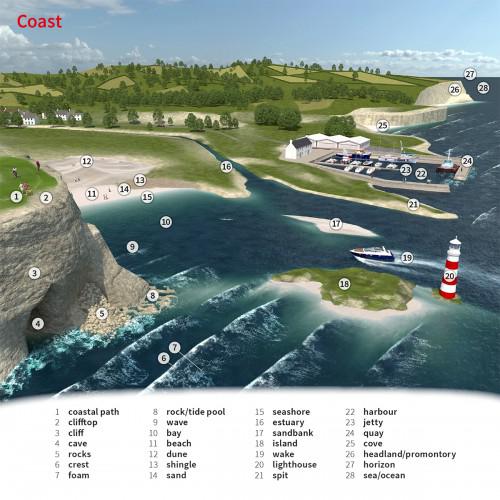
    coast(noun)

    /kəʊst/

    沿岸

    the land next to or near to the sea or ocean

    Do you want to explore the coast by boat?

    ボートで沿岸を探索したいですか?

    類義語shoreseashorebeachlittoral
    対義語inlandinteriorhinterland
  21. 21

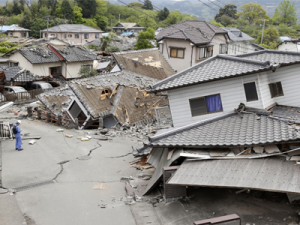
    earthquake(noun)

    /ˈɜːrθkweɪk/

    地震 (jishin)

    a sudden, violent shaking of the earth’s surface

    It is the most terrible earthquake I've ever seen.

    これは私が今まで見た中で最も恐ろしい地震です。

    類義語temblorseismtremor
    対義語calmstabilitystillness
  22. 22

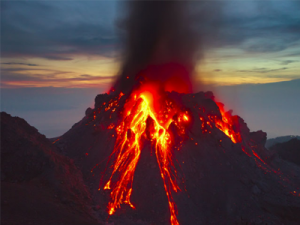
    erupt(verb)

    /ɪˈrʌpt/

    噴火する (funka suru)

    when a volcano erupts or burning rocks, smoke, etc. erupt or are erupted , the burning rocks, etc. are thrown out from the volcano

    Hot lava erupted from the crust.

    熱い溶岩が地殻から噴火した。

    類義語burst forthexplodedischargeventbreak out
    対義語calmsubsidequiescentdormant
  23. 23

    fixture(noun)

    /ˈfɪkstʃər/

    試合, 競技日程

    a sports event that has been arranged to take place on a particular date and at a particular place

    Our team's next home fixture is against the league leaders on Saturday.

    私たちのチームの次のホームゲームは、土曜日のリーグ首位チーム戦です。

    類義語attachmentapplianceequipmentfittinginstallation
    対義語detachmentremovalunfixed
  24. 24

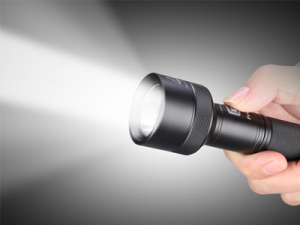
    flashlight(noun)

    /ˈflæʃlaɪt/

    懐中電灯 (kaichuudentou)

    a small electric lamp that you can hold in your hand and carry with you

    The children used the flashlight to find a pen under their bed.

    子供たちはベッドの下でペンを見つけるために懐中電灯を使った。

    類義語torchelectric torchpocket lamphand lamp
    対義語floodlightspotlightlantern
  25. 25

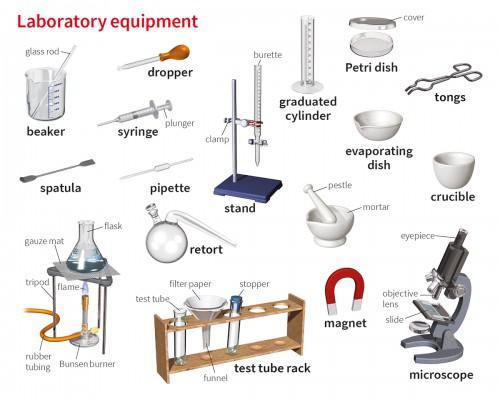
    funnel(noun)

    /ˈfʌnl/

    漏斗 (rōto)

    a device that is wide at the top and narrow at the bottom, used for pouring liquids or powders into a small opening

    He poured wine into a bottle through a funnel.

    彼は漏斗を使ってワインをボトルに注いだ。

    類義語conetubechannelduct
    対義語blockageobstruction
  26. 26

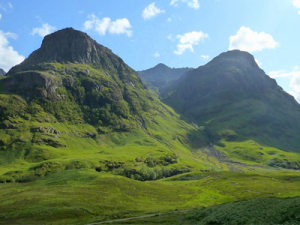
    highland(adjective)

    /ˈhaɪlənd/

    高地の, 山岳地帯の

    connected with an area of land that has hills or mountains

    She lives in a highland region of Vietnam.

    彼女はベトナムの高地地方に住んでいる。

    類義語uplandelevated landhigh groundmountainous region
    対義語lowlandplainvalley
  27. 27

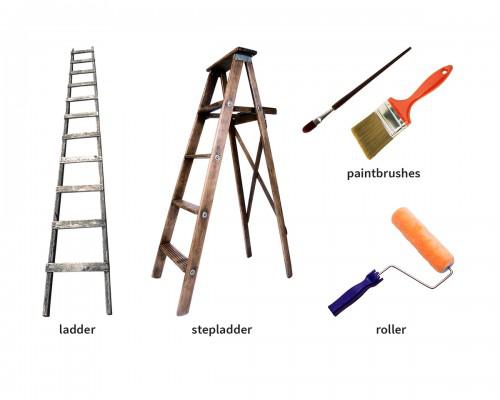
    ladder(noun)

    /ˈlædər/

    はしご (hashigo)

    a piece of equipment for climbing up and down a wall, the side of a building, etc., consisting of two lengths of wood or metal that are joined together by steps or rungs

    My father asked me to hold a ladder for him.

    父は私に彼のために梯子を支えてくれと頼んだ。

    類義語step-ladderrung ladderclimbing frame
    対義語declinedescentdrop
  28. 28

    latch(noun)

    /lætʃ/

    掛け金 (kakegane)

    a small metal bar that is used to fasten a door or a gate. You raise it to open the door and drop it to fasten it.

    The latch on this door was broken.

    このドアの掛け金は壊れていた。

    類義語fastenercatchbolthaspclasp
    対義語openingreleaseunfastening
  29. 29

    rim(noun)

    /rɪm/

    縁, へり, 火口縁

    the edge of something in the shape of a circle

    We stood on the rim of the volcano and looked down into the crater.

    私たちは火山の縁に立ち、火口を見下ろした。

    類義語edgebrimborderlipmargin
    対義語centermiddleinterior
  30. 30

    snowstorm(noun)

    /ˈsnəʊstɔːrm/

    吹雪 (fubuki)

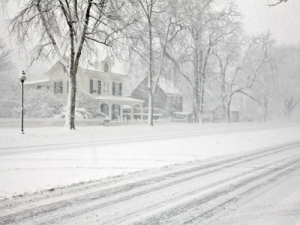
    a very heavy fall of snow, usually with a strong wind

    The snowstorm last month caused a lot of damage for the residents here.

    先月の吹雪はここの住民に多くの被害をもたらしました。 (Sengetsu no fubuki wa koko no jumin ni ooku no higai o motarashimashita.)

    類義語blizzardsnow squallsnowfallwinter storm
    対義語heatwavedroughtsunshinefair weather
  31. 31

    thunderstorm(noun)

    /ˈθʌndərstɔːrm/

    雷雨 (rai'u)

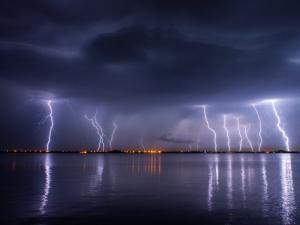
    a storm with thunder and lightning and usually very heavy rain

    We are used to suffering from the annual thunderstorms.

    私たちは毎年の雷雨に苦しむことに慣れています。

    類義語tempeststormelectrical stormrainstorm
    対義語calmclear skiessunshine
  32. 32

    tidal(adjective)

    /ˈtaɪdl/

    潮汐の

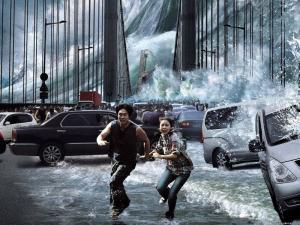
    connected with tides (= the regular rise and fall of the sea)

    The two people were watching the strong tidal waves.

    二人の人は強い潮汐波を見ていました。

    類義語marineseasidecoastaloceanic
    対義語non-tidalinlandterrestrial
  33. 33

    tide(noun)

    /taɪd/

    潮 (shio)

    a regular rise and fall in the level of the sea, caused by the pull of the moon and sun; the flow of water that happens as the sea rises and falls

    The rising tide covered the wharf.

    満潮が埠頭を覆った。

    類義語ebb and flowsurgecurrentflowrisesea
    対義語ebbreflux
  34. 34

    tornado(noun)

    /tɔːrˈneɪdəʊ/

    竜巻 (tatsumaki)

    a violent storm with very strong winds that move in a circle. There is often also a long cloud that is narrower at the bottom than the top.

    A lot of people died in the tornado yesterday.

    昨日、竜巻で多くの人が亡くなりました。(Kinō, tatsumaki de ōku no hito ga nakunarimashita.)

    類義語twistercyclonewhirlwind
    対義語calmstillnessbreeze
  35. 35

    active volcano(noun)

    /ˈæktɪv vɒlˈkeɪnəʊ/

    活火山 (kakkazan)

    a volcano that has erupted recently and is likely to erupt again

    There are many active volcanoes in Japan.

    日本には活火山がたくさんあります。(Nihon ni wa kakkazan ga takusan arimasu.)

    類義語live volcanoerupting volcanorestless volcano
    対義語dormant volcanoextinct volcanoinactive volcano
  36. 36

    extinct volcano(noun)

    /ɪkˈstɪŋkt vɒlˈkeɪnəʊ/

    死火山

    a volcano that has not erupted for a very long time and is not expected to erupt again

    The town is built on the slopes of an extinct volcano that last erupted long ago.

    その町は、遠い昔に最後の噴火を起こした死火山の斜面に築かれている。

    類義語dormant volcanoinactive volcanodead volcano
    対義語active volcanolive volcanoerupting volcano
  37. 37

    volume(noun)

    /ˈvɑːljəm/

    体積, 容積, 容量

    the amount of space that an object or a substance fills; the amount of space that a container has

    Scientists measured the volume of water in the tank after the flood.

    科学者たちは洪水の後、タンク内の水の体積を測定した。

    類義語loudnesssound levelamplitudequantityamountbulk
    対義語quietnesssoftnesssilencesmallnesslack
  38. 38

    shift(verb)

    /ʃɪft/

    動く, 移す, 移動させる

    to move, or move something, from one position or place to another

    He shifted a little in his chair.

    彼は椅子の上で少し体を動かした。

  39. 39

    can(noun)

    /kən/

    缶, 缶詰

    a metal container in which food and drink is sold

    Open a can of tomatoes and add them to the soup.

    トマト缶を1つ開けて、スープに加えてください。

  40. 40

    carriage(noun)

    /ˈkærɪdʒ/

    馬車

    a vehicle with wheels that is pulled by horses, used in the past to carry people

    The king sat on a horse-drawn carriage.

    王は馬車に座っていた。

  41. 41

    fixture(noun)

    /ˈfɪkstʃər/

    備え付け設備, 固定設備

    a piece of equipment or furniture which is fixed in position in a house or building

    Before the storm, they checked that all the fixtures in the house were secure.

    嵐の前に、彼らは家の備え付けの設備がすべてしっかり固定されているか確認した。