コンテンツへスキップ

レッスン8/10 · 51語 · 覚えた単語 0

Lesson 8: CELEBRATIONS

第8課:お祝い

  1. 1

    preparation(noun)

    /ˌprepəˈreɪʃn/

    準備 (junbi)

    the act or process of getting ready for something or making something ready

    Income tax preparation can take a long time

    所得税の準備には時間がかかることがあります (Shotokuzei no junbi ni wa jikan ga kakaru koto ga arimasu)

    It is important to do some preparation on your own before hiring an accountant to work on your tax form

    類義語readinessarrangementplanninggroundworkprovisionpreparatory work
    対義語neglectignorancedisregardimpromptucarelessness
  2. 2

    priority(noun)

    /praɪˈɔːrəti/

    優先順位

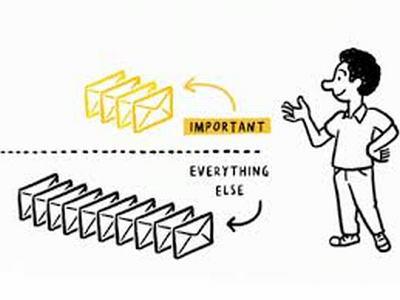
    something that you think is more important than other things and should be dealt with first

    Since the remaining issues were not a priority, the group decided to move them to the next week's agenda

    残りの問題は優先順位が高くなかったので、グループはそれらを来週の議題に移すことにしました。

    The manager was ineffective because she was unable to set priorities

    類義語importanceprecedenceurgencyweightconcernsignificance
    対義語unimportanceinsignificancetrivialityafterthought
  3. 3

    enhance(verb)

    /ɪnˈhæns/

    高める, 向上させる

    to increase or further improve the good quality, value or status of somebody/something

    Good lighting can greatly enhance the quality of product photos.

    良い照明は商品写真の質を大幅に高めることができる。

    類義語improveboostaugmentintensifyenrichupgrade
    対義語decreasediminishworsenreducedegrade
  4. 4

    predict(verb)

    /prɪˈdɪkt/

    予測する (yosoku suru)

    to say that something will happen in the future

    I predicted this restaurant would become popular and I was right

    このレストランが人気になると予測したが、その通りだった。

    Kona was unable to predict what time Andy, who is always late, would show up at the restaurant

    類義語forecastforeseeanticipateexpectprojectestimate
    対義語doubtquestiondisbelieveuncertainty
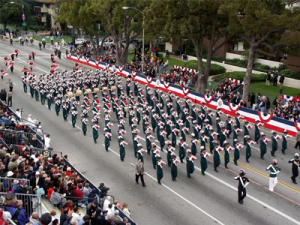
  5. 5

    distinguish(verb)

    /dɪˈstɪŋɡwɪʃ/

    区別する (kubetsu suru)

    to recognize the difference between two people or things

    Suki was able to distinguish between the different types of jets on the runway

    スージは滑走路に並んだ様々な種類のジェット機を区別することができた。

    My travel agent has distinguished herself as being one of the best in our area

    類義語differentiatediscernperceiverecognizeseparatetell apart
    対義語confusemix upobscureuniteconflate
  6. 6

    description(noun)

    /dɪˈskrɪpʃn/

    説明 (setsumei)

    a piece of writing or speech that says what somebody/something is like; the act of writing or saying in words what somebody/something is like

    The description of the film did not match what we saw on screen

    映画の説明は、私たちがスクリーンで見たものと一致しませんでした。

    The critic's description of the film made it sound very appealing

    類義語accountdepictionportrayalrepresentationnarrativeexplanation
    対義語concealmentdistortionmisrepresentationambiguity
  7. 7

    occur(verb)

    /əˈkɜːr/

    起こる (okoru)

    to happen

    The murder in the play occurs in the second act

    劇中の殺人は第二幕で起こります。

    It never occurred to me that the wife whom the character referred to was imaginary

    類義語happentake placetranspireariseresultmaterializeexistprevail
    対義語ceaseendstopvanishdisappear
  8. 8

    apart(adverb)

    /əˈpɑːrt/

    別々に

    separated by a distance, of space or time

    We are not divorced but we are living apart now.

    私たちは離婚していませんが、今は別々に暮らしています。

    Their birthdays are only three days apart.

    類義語separatedistancedasunderisolatedremoteremovedaside
    対義語togetherclosenearunitedconnected
  9. 9

    active(adjective)

    /ˈæktɪv/

    活発な (kappatsu na)

    always busy doing things, especially physical activities

    She is over 70 but she is very active.

    彼女は70歳を超えているが、とても活発だ。

    Although he's nearly 80, he is still very active.

    類義語energeticlivelydynamicvigorousbusy
    対義語inactivepassivelethargicdormantlazy
  10. 10

    describe(verb)

    /dɪˈskraɪb/

    描写する (byōsha suru)

    to say what somebody/something is like

    Can you describe your house?

    あなたの家を描写できますか? (Anata no ie o byōsha dekimasu ka?)

    Jim was described by his colleagues as ‘unusual’.

    類義語portraydepictdetailexplainoutlinecharacterizeillustraterepresent
    対義語concealhideobscuremisrepresentdistortconfuse
  11. 11

    decorate(verb)

    /ˈdekəreɪt/

    飾る (kazaru)

    to make something look more attractive by putting things on it

    You should clean and decorate your house for Tet.

    テトのために家を掃除して飾り付けたほうがいいです。

    The cake was decorated to look like a car.

    類義語embellishadornbeautifyornamentfurbish
    対義語defaceuglifystripdisfiguremar
  12. 12

    last(determiner)

    /læst/

    この前の, 先〜

    most recent; coming just before the present time

    I was at Linh's birthday party last Sunday.

    私はこの前の日曜日、リンの誕生日パーティーに行った。

    類義語endurecontinuepersistremainextendsurvive
    対義語endfinishstopceaseterminate
  13. 13

    humorous(adjective)

    /ˈhjuːmərəs/

    ユーモラス

    funny; showing a sense of humour

    We had a humorous and entertaining talk.

    私たちはユーモラスで面白い話をした。

    He gave a humorous account of their trip to Spain.

    類義語funnycomicalamusingwittydrolljocularlaughablehilarious
    対義語serioussolemngravesombertragicsad
  14. 14

    guest(noun)

    /ɡest/

    客 (kyaku)

    a person that you have invited to your house or to a particular event that you are paying for

    I have two guests coming to dinner tonight.

    今夜、夕食に客が2人来ます。(Kon'ya, yūshoku ni kyaku ga futari kimasu.)

    We have guests staying this weekend.

    類義語visitorcallerinviteepatronboarder
    対義語hostresidenttenant
  15. 15

    prepare(verb)

    /prɪˈper/

    準備する (junbi suru)

    to make something or somebody ready to be used or to do something

    The children are preparing to leave for Halloween.

    子供たちはハロウィーンに出かける準備をしています。

    A hotel room is being prepared for them.

    類義語readyarrangeequipdevelopget readytrain
    対義語neglectignoredisregardforget
  16. 16

    ancient(adjective)

    /ˈeɪnʃənt/

    古代

    belonging to a period of history that is thousands of years in the past

    The ancient forests were found only in books.

    古代の森は本の中でのみ見つかりました。

    ancient history/civilization

    類義語oldhistoricalagedvenerabletime-honoredantique
    対義語modernnewrecentcontemporary
  17. 17

    generous(adjective)

    /ˈdʒenərəs/

    寛大 (kandai)

    giving or willing to give freely; given freely

    It’s very generous of him to pay all the bill.

    彼がすべての請求書を支払うなんて、とても寛大だ。

    The car has a generous amount of space.

    類義語charitablebenevolentkindmagnanimousliberalgivingunselfish
    対義語stingymeanselfishungenerousmiserlytightfisted
  18. 18

    satisfied(adjective)

    /ˈsætɪsfaɪd/

    満足

    pleased because you have achieved something or because something that you wanted to happen has happened

    He's now satisfied with his position.

    彼は今、自分の地位に満足している。

    a satisfied smile

    類義語contentpleasedfulfilledgratifiedcontentedhappy
    対義語dissatisfieddiscontentunhappydispleasedunfulfilled
  19. 19

    congratulate(verb)

    /kənˈɡrætʃəleɪt/

    祝う (iwau)

    to tell somebody that you are pleased about their success or achievements

    The operators are to be congratulated for the service that they provide.

    オペレーターは、提供するサービスに対して祝福されるべきです。

    The authors are to be congratulated on producing such a clear and authoritative work.

    類義語praisecommendcomplimentapplaudcelebrateextol
    対義語criticizecondemnreproachdisapproverebuke
  20. 20

    decoration(noun)

    /ˌdekəˈreɪʃn/

    装飾

    a thing that makes something look more attractive on special occasions

    We should buy some decorations for the house before Tet.

    テトの前に家の装飾をいくつか買うべきです。

    a table decoration

    類義語adornmentembellishmentornamenttrimmingaccessory
    対義語plainnesssimplicitybarenessausterity
  21. 21

    sticky(adjective)

    /ˈstɪki/

    粘着性

    made of or covered in a substance that sticks to things that touch it

    He used his finger to take the rice, so it is very sticky now.

    彼はお米を取るのに指を使ったので、今はとても粘着性があります。

    sticky fingers covered in jam

    類義語adhesivegummytackyviscousgluey
    対義語slipperydrysmoothloose
  22. 22

    charity(noun)

    /ˈtʃærəti/

    慈善

    an organization for helping people in need

    At our last meeting, we decided to organize a football match to raise money for charity.

    前回の会議で、私たちは慈善活動のためにお金を集めるためにサッカーの試合を企画することにしました。

    The concert will raise money for local charities.

    類義語benevolencegenerosityhumanityphilanthropygoodwill
    対義語crueltymeannessselfishnessgreed
  23. 23

    congratulation(noun)

    /kənˌɡrætʃəˈleɪʃn/

    おめでとう (Omedetou)

    a message congratulating somebody (= saying that you are happy about their good luck or success)

    Congratulations! I hear you won the match yesterday.

    おめでとう!昨日、試合で勝ったって聞いたよ。(Omedetou! Kinou, shiai de katta tte kiita yo.)

    a sword with a steel blade

    類義語accoladepraisekudoscomplimentsplaudits
    対義語condemnationcriticismreproachdisapprovaldisappointment
  24. 24

    celebration(noun)

    /ˌselɪˈbreɪʃn/

    お祝い (oiwai)

    a special event that people organize in order to celebrate something

    I will tell you about New Year celebrations in Vietnam.

    ベトナムの正月のお祝いについてお話します。

    breast milk

    類義語jubileepartyfestivityobservancecommemorationfestival
    対義語mourningsorrowgrieflamenttragedy
  25. 25

    celebrate(verb)

    /ˈselɪbreɪt/

    祝う (iwau)

    to show that a day or an event is important by doing something special on it

    Vietnamese people celebrate Tet at different times each year.

    ベトナム人は毎年違う時期にテトを祝います。

    How do people celebrate New Year in your country?

    類義語commemorateobservehonorrejoicemarksolemnize
    対義語mournlamentcondemnignoreneglect
  26. 26

    compliment(noun)

    /ˈkɑːmplɪmənt/

    褒め言葉 (homerareru kotoba)

    a comment that expresses praise or approval of somebody

    She often gets many compliments from guys.

    彼女は男性からよく褒められる。(Kanojo wa dansei kara yoku homerareru.)

    類義語praiseacclaimflatteryadmirationapproval
    対義語criticisminsultreproachcondemnationdisapproval
  27. 27

    Easter(noun)

    /ˈiːstər/

    イースター

    (in the Christian religion) a Sunday in March or April when Christians remember the death of Christ and his return to life

    Easter is an important holiday in Western countries.

    イースターは、欧米諸国にとって重要な祝日です。

    類義語Resurrection DayEastertide
  28. 28

    festival(noun)

    /ˈfestɪvl/

    祭り (matsuri)

    a series of performances of music, plays, films, etc., usually organized in the same place once a year; a series of public events connected with a particular activity or idea

    He had a chance to take part in the World Youth festival.

    彼は世界青少年祭に参加する機会があった。

    類義語celebrationgalacarnivalfairfeteholidayjubilee
    対義語workdaytragedymourningbusiness as usual
  29. 29

    lunar(adjective)

    /ˈluːnər/

    月の

    connected with the moon

    People are preparing for the Lunar New Year.

    人々は旧正月に向けて準備をしています。

    類義語moon-relatedmoonlike
    対義語solarsun-related
  30. 30

    acquaintance(noun)

    /əˈkweɪntəns/

    知人 (chijin)

    a person that you know but who is not a close friend

    She's my old acquaintance.

    彼女は私の古い知人です。(Kanojo wa watashi no furui chijin desu.)

    類義語associatecontactneighborcolleaguecomradefriend
    対義語strangerenemyfoeadversary
  31. 31

    activist(noun)

    /ˈæktɪvɪst/

    活動家 (katsudōka)

    a person who works to achieve political or social change, especially as a member of an organization with particular aims

    Mr. Anderson is considered the most effective activist in this area.

    アンダーソン氏は、この地域で最も効果的な活動家と見なされています。

    類義語advocatecampaignerprotesterreformercrusader
    対義語inactivepassiveapatheticnonparticipant
  32. 32

    compose(verb)

    /kəmˈpəʊz/

    作曲する (sakkyoku suru)

    to write music

    James composed music for over 100 films.

    ジェームズは100本以上の映画の音楽を作曲した。

    類義語createformproducewritefashionarrange
    対義語decomposedisarrangedestroydisorganize
  33. 33

    considerate(adjective)

    /kənˈsɪdərət/

    思いやりがある

    always thinking of other people’s wishes and feelings; careful not to hurt or upset others

    She is the most considerate woman I have ever known.

    彼女は私が今まで会った中で最も思いやりのある女性です。

    類義語thoughtfulkindcaringunderstandingattentivetactfulsympathetic
    対義語inconsiderateselfishthoughtlessinsensitiveuncaring
  34. 34

    freedom(noun)

    /ˈfriːdəm/

    自由 (jiyuu)

    the power or right to do or say what you want without anyone stopping you

    We do have some freedom of choice.

    私たちには選択の自由が少しはある。

    類義語libertyindependenceautonomylicenseprivilege
    対義語captivityimprisonmentservitudeoppressionrestraint
  35. 35

    groom(noun)

    /ɡruːm/

    新郎, 花婿

    a man on his wedding day, or just before or after it; a bridegroom

    The groom looked cheerful at the wedding.

    結婚式で新郎は楽しそうだった。

    類義語bridegroomnewlywed (male)man getting married
    対義語brideex-husband
  36. 36

    hug(verb)

    /hʌɡ/

    抱きしめる, ハグする

    to put your arms around somebody and hold them tightly, especially to show that you like or love them

    People kissed and hugged each other.

    人々はキスをして抱き合った。

    類義語embraceclaspsqueezecuddle
    対義語pushshoverepelrelease
  37. 37

    humor(noun)

    /ˈhjuːmər/

    ユーモア

    the quality in something that makes it funny; the ability to laugh at things that are funny

    He has a good sense of humor.

    彼はユーモアのセンスがある。

    類義語witcomedyfunninessjocularityamusementdrollness
    対義語seriousnesssolemnitygravitysadnesstragedy
  38. 38

    Israel(noun)

    /ˈɪzreɪl/

    イスラエル

    a country in the Middle East

    He is living in Israel.

    彼はイスラエルに住んでいます。

    類義語The Holy LandState of Israel
  39. 39

    Jewish(adjective)

    /ˈdʒuːɪʃ/

    ユダヤの, ユダヤ人の, ユダヤ教の

    connected with Jews or Judaism; believing in and practising Judaism

    There used to be prejudice against Jewish people.

    かつてはユダヤ人に対する偏見があった。

    類義語HebrewIsraelite
    対義語GentileNon-Jewish
  40. 40

    joyful(adjective)

    /ˈdʒɔɪfl/

    喜ばしい (yorokobashii)

    very happy; causing people to be happy

    They are enjoying a joyful piece of music.

    彼らは喜ばしい音楽を楽しんでいます。(karera wa yorokobashii ongaku o tanoshinde imasu.)

    類義語happydelightfulcheerfulmerrygladgleefulblissful
    対義語sadunhappysorrowfuldepressedmiserablegloomy
  41. 41

    nationwide(adjective)

    /ˌneɪʃnˈwaɪd/

    全国的な, 全国規模の

    happening or existing in all parts of a particular country

    The new holiday was celebrated with nationwide parades and fireworks last year.

    昨年、新しい祝日は全国各地でパレードと花火で祝われた。

    類義語countrywidenationalacross the countrythroughout the nation
    対義語localregionalstatewide
  42. 42

    nominate(verb)

    /ˈnɑːmɪneɪt/

    推薦する (suisen suru)

    to formally suggest that somebody/something should be chosen for an important role, prize, position, etc.

    Four young singers were nominated for that Grammy Award.

    4人の若い歌手があのグラミー賞に推薦されました。

    類義語proposesuggestrecommendput forwarddesignateappoint
    対義語rejectdeclinedismissvetodisqualify
  43. 43

    parade(noun)

    /pəˈreɪd/

    パレード

    a public celebration of a special day or event, usually with bands in the streets and decorated vehicles

    The children were eager to see the military parade yesterday.

    子供たちは昨日、軍事パレードを見るのを楽しみにしていました。

    類義語processionmarchcavalcadereviewdemonstration
    対義語hideconcealretreatdispersal
  44. 44

    Passover(noun)

    /ˈpæsəʊvər/

    過越の祭り (Kosetsu no matsuri)

    the Jewish religious festival and holiday in memory of the escape of the Jews from Egypt

    I have never celebrated Passover.

    私は過ぎ越しの祭りをお祝いしたことがありません。

    類義語Pesach
    対義語(None - Passover is a specific religious holiday)
  45. 45

    prediction(noun)

    /prɪˈdɪkʃn/

    予測 (yosoku)

    a statement that says what you think will happen; the act of making such a statement

    A prediction that economic growth would resume has been made.

    経済成長が再開するという予測がなされた。

    類義語forecastprognosisprojectionguessestimateanticipationexpectation
    対義語factcertaintyknowledgerecollectionhindsight

  46. 46

    slave(noun)

    /sleɪv/

    奴隷 (dorei)

    a person who is owned by another person and is forced to work for and obey them

    By the time I was ten, I had become her slave, doing all the housework.

    10歳になる頃には、私は彼女の奴隷になり、家事全般をしていた。

    類義語bondmanthrallvassalserfservantcaptive
    対義語free personmasterliberatedemancipated
  47. 47

    slavery(noun)

    /ˈsleɪvəri/

    奴隷制度 (dorei seido)

    the state of being forced to work as a slave

    Slavery still exists in this country.

    奴隷制度はまだこの国に存在しています。

    類義語bondageservitudeenslavementoppressionthralldom
    対義語freedomlibertyindependenceemancipation
  48. 48

    terrific(adjective)

    /təˈrɪfɪk/

    最高

    excellent; wonderful

    I feel absolutely terrific today!

    今日はとても最高の気分です!

    類義語wonderfulexcellentfantasticamazinggreatsplendidsuperb
    対義語awfulterriblebadpoordreadfulhorrible
  49. 49

    throughout(preposition)

    /θruːˈaʊt/

    至る所に, ~の間ずっと, ~中に

    in or into every part of something

    The campaign has been spreading throughout the world.

    そのキャンペーンは世界中に広がり続けている。

    類義語all overeverywherein every part ofduringfor the duration of
    対義語nowherelocallyin part
  50. 50

    trusty(adjective)

    /ˈtrʌsti/

    頼りになる

    that you have had a long time and have always been able to rely on

    She spent years touring Europe with her trusty old camera.

    彼女は何年も信頼できる古いカメラを持ってヨーロッパを旅しました。

    類義語reliabledependablefaithfulsturdytrue
    対義語unreliableuntrustworthydeceitfulundependable
  51. 51

    miss(verb)

    /mɪs/

    恋しく思う, 寂しく思う

    to feel sad because you can no longer see somebody or do something that you like

    I really miss playing football with my old friends after school.

    放課後に昔の友達とサッカーをするのが本当に恋しい。