コンテンツへスキップ

レッスン27/41 · 18語 · 覚えた単語 0

Topic 28: Environment (2)

トピック28:環境 (2)

  1. 1

    burden(noun)

    /ˈbɜːrdn/

    負担 (futan)

    a duty, responsibility, etc. that causes worry, difficulty or hard work

    The secretary usually takes on the burden of ordering lunch for business meetings

    秘書は通常、ビジネス会議の昼食を注文する負担を引き受ける。

    The deliveryman's back ached from the heavy burden he carried

    類義語loadweightresponsibilityhardshiptrialoppression
    対義語reliefeaselightnesscomfortjoyaid
  2. 2

    removal(noun)

    /rɪˈmuːvl/

    除去

    the act of taking somebody/something away from a particular place

    Allegations of abuse led to the removal of several children from their families.

    虐待の申し立てにより、数人の子供たちが家族から除去されました。

    Allegations of abuse led to the removal of several children from their families.

    類義語extractioneliminationdismissaleradicationdisplacementexpulsionousting
    対義語additioninsertioninclusionplacementinstallation
  3. 3

    capture(verb)

    /ˈkæptʃər/

    捕らえる, 捕獲する, 捕まえる

    to catch a person or an animal and keep them as a prisoner or shut them in a space that they cannot escape from

    The hunters captured the rare bird and sold it to a zoo.

    ハンターたちはその珍しい鳥を捕まえて動物園に売った。

    類義語seizeapprehendarrestnabsnatchsecuretakecatch
    対義語releaseliberatefreeloseabandonfail
  4. 4

    fume(noun)

    /fjuːm/

    煙, 有毒ガス, 排気ガス

    smoke, gas or something similar that smells strongly or is dangerous to breathe in

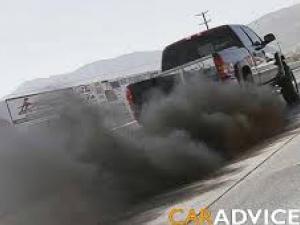
    Exhaust fumes from cars are a major cause of air pollution in cities.

    自動車の排気ガスは都市の大気汚染の主な原因である。

    類義語smokeemitexhaleevaporaterageseethevent
    対義語appeasedelightpleasebe happypacifysoothe
  5. 5

    offshore(adjective)

    /ˌɔːfˈʃɔːr/

    沖合の

    happening or existing in the sea, not far from the land

    Vietnam is developing more and more offshore fishing boats.

    ベトナムは沖合漁船をますます開発しています。

    類義語seawardouterdistantremotehigh seas
    対義語onshoreinshorecoastalnearshore
  6. 6

    spill(verb)

    /spɪl/

    こぼす

    to flow over the edge of a container by accident; to make liquid do this

    Coffee had spilled out of the cup onto the floor.

    コーヒーがカップからこぼれて床に落ちた。

    類義語overfilloverflowshedscatterdischargepourslop
    対義語containholdkeepretaincollect
  7. 7

    natural resources(noun)

    /ˈnætʃ.ɚ.əl rɪˈzɔːrs/

    天然資源 (tennen shigen)

    materials such as minerals, forests, water and fertile land that exist in nature and can be used by people

    Some natural resources, such as natural gas and fossil fuel, cannot be replaced.

    天然ガスや化石燃料など、一部の天然資源は代替できません。

    類義語raw materialsenvironmental resourcesnature's bountyearth's resources
    対義語man-made resourcessynthetic resourcesartificial resourcesprocessed materials
  8. 8

    kill off(phrasal verb)

    /kɪl ɒf/

    根絶する

    to make a lot of plants, animals, etc. die

    Killing off predators such as grizzly bears could throw the ecosystem out of balance.

    ハイイログマのような捕食者を根絶すると、生態系のバランスが崩れる可能性があります。

    類義語eliminateeradicateexterminatedestroywipe outdecimate
    対義語preserveprotectsaveconserve
  9. 9

    give out(phrasal verb)

    /ɡɪv aʊt/

    尽きる (tsukiru)

    to come to an end; to be completely used up

    After a month their food supplies gave out.

    一ヶ月後、彼らの食糧供給は尽きた。

    類義語run outexhaustdepletefailbreak down
    対義語replenishsupplyprovidefunctionwork
  10. 10

    combine with(phrase)

    /kəmˈbaɪn wɪð/

    組み合わせる

    to join or mix with something else, or to happen together with it, so as to produce a particular effect

    Sickness, combined with terrible weather, contrived to ruin the trip.

    病気は、ひどい天候と組み合わさって、旅行を台無しにするように仕向けました。

    類義語mergeuniteincorporateintegratefuseblendmix
    対義語separatedividedisconnectdetachisolate
  11. 11

    distribution(noun)

    /ˌdɪstrɪˈbjuːʃn/

    分布 (bunpu)

    the way that something is spread or exists over a particular area or among a particular group of people

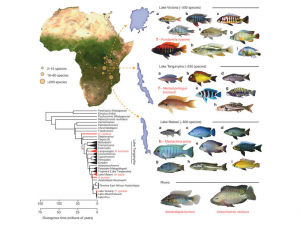
    The map shows the distribution of this species across the world.

    地図は、この種の地球全体での分布を示しています。

    類義語allocationarrangementspreaddispersiondivisionapportionment
    対義語concentrationcollectiongatheringcentralization
  12. 12

    wipe out(phrasal verb)

    /waɪp aʊt/

    全滅させる, 一掃する, 根絶する

    to destroy or remove somebody or something completely

    Whole villages were wiped out in the fighting.

    戦闘で村々がまるごと壊滅した。

    類義語destroyeliminateannihilateeradicateobliteratedecimate
    対義語createbuildestablishpreserveprotect
  13. 13

    relish(verb)

    /ˈrelɪʃ/

    満喫 (mankitsu)

    to get great pleasure from something; to want very much to do or have something

    She's relishing the studying in Bologna for six months.

    彼女はボローニャでの6ヶ月間の留学を満喫している (Kanojo wa Borōnya de no 6kagetsu-kan no ryūgaku o mankitsu shite iru).

    類義語enjoysavorappreciatedelightrevelluxuriate
    対義語dislikehatedetestabhor

  14. 14

    forage(verb)

    /ˈfɔːrɪdʒ/

    食べ物を探し回る, あさる

    to search widely for food

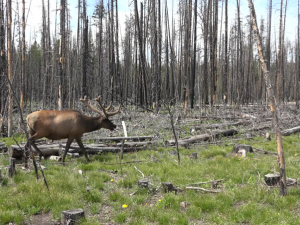
    In winter, deer must forage for food in the snowy forest.

    冬になると、シカは雪の積もった森で食べ物を探し回らなければなりません。

    類義語feedfodderpasturegrazebrowse
    対義語starvedeprive
  15. 15

    supplement(noun)

    /ˈsʌplɪmənt/

    補足, 補完物, サプリメント

    a thing that is added to something else to improve or complete it

    Vitamin tablets should only be a supplement to a healthy, balanced diet.

    ビタミン剤は、健康的でバランスの取れた食事の補助にとどめるべきです。

    類義語additionadjunctcomplementaccessoryextra
    対義語subtractiondecreasereductionbasecore
  16. 16

    predator(noun)

    /ˈpredətər/

    捕食者 (hoshokusha)

    an animal that kills and eats other animals

    the relationship between predator and prey

    捕食者と被食者の関係 (hoshokusha to hishokusha no kankei)

    類義語huntercarnivoreassailantattackermarauderplunderer
    対義語preyvictimdefenderprotector
  17. 17

    poverty(noun)

    /ˈpɑːvərti/

    貧困 (hinkon)

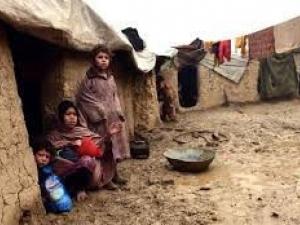
    the state of being poor

    Two million people in the city live in poverty.

    その都市には、200万人が貧困の中で暮らしています。

    類義語destitutionindigencepenuryneedwantprivation
    対義語wealthaffluenceprosperityabundanceriches
  18. 18

    pick(verb)

    /pɪk/

    摘む, もぐ

    to take flowers, fruit, etc. from the plant or tree where they are growing

    They are picking ripe tomatoes.

    彼らは熟したトマトを摘んでいる。