บทที่ 27/41 · 18 คำ · จำได้แล้ว 0
Topic 28: Environment (2)
หัวข้อ 28: สิ่งแวดล้อม (2)
ภาระ
a duty, responsibility, etc. that causes worry, difficulty or hard work
The secretary usually takes on the burden of ordering lunch for business meetings
โดยปกติเลขานุการจะเป็นภาระในการสั่งอาหารกลางวันสำหรับการประชุมทางธุรกิจ
The deliveryman's back ached from the heavy burden he carried
คำพ้องความหมายloadweightresponsibilityhardshiptrialoppressionคำตรงข้ามreliefeaselightnesscomfortjoyaidการกำจัด
the act of taking somebody/something away from a particular place
Allegations of abuse led to the removal of several children from their families.
ข้อกล่าวหาเรื่องการทารุณกรรมนำไปสู่การนำเด็กหลายคนออกจากครอบครัวของพวกเขา
Allegations of abuse led to the removal of several children from their families.
คำพ้องความหมายextractioneliminationdismissaleradicationdisplacementexpulsionoustingคำตรงข้ามadditioninsertioninclusionplacementinstallationจับ, จับกุม, จับกุมตัว
to catch a person or an animal and keep them as a prisoner or shut them in a space that they cannot escape from
The hunters captured the rare bird and sold it to a zoo.
นายพรานจับนกหายากแล้วขายให้สวนสัตว์
คำพ้องความหมายseizeapprehendarrestnabsnatchsecuretakecatchคำตรงข้ามreleaseliberatefreeloseabandonfailควัน, ไอพิษ, ก๊าซพิษ
smoke, gas or something similar that smells strongly or is dangerous to breathe in
Exhaust fumes from cars are a major cause of air pollution in cities.
ไอเสียจากรถยนต์เป็นสาเหตุสำคัญของมลพิษทางอากาศในเมือง
คำพ้องความหมายsmokeemitexhaleevaporaterageseetheventคำตรงข้ามappeasedelightpleasebe happypacifysootheทรัพยากรธรรมชาติ
materials such as minerals, forests, water and fertile land that exist in nature and can be used by people
Some natural resources, such as natural gas and fossil fuel, cannot be replaced.
ทรัพยากรธรรมชาติบางอย่าง เช่น ก๊าซธรรมชาติและเชื้อเพลิงฟอสซิล ไม่สามารถทดแทนได้
คำพ้องความหมายraw materialsenvironmental resourcesnature's bountyearth's resourcesคำตรงข้ามman-made resourcessynthetic resourcesartificial resourcesprocessed materialsกำจัด
to make a lot of plants, animals, etc. die
Killing off predators such as grizzly bears could throw the ecosystem out of balance.
การกำจัดผู้ล่าอย่างหมีกริซลีอาจทำให้ระบบนิเวศเสียสมดุล
คำพ้องความหมายeliminateeradicateexterminatedestroywipe outdecimateคำตรงข้ามpreserveprotectsaveconserveรวมกับ
to join or mix with something else, or to happen together with it, so as to produce a particular effect
Sickness, combined with terrible weather, contrived to ruin the trip.
ความเจ็บป่วยรวมกับสภาพอากาศที่เลวร้ายทำให้ทริปพัง
คำพ้องความหมายmergeuniteincorporateintegratefuseblendmixคำตรงข้ามseparatedividedisconnectdetachisolateการกระจาย
the way that something is spread or exists over a particular area or among a particular group of people
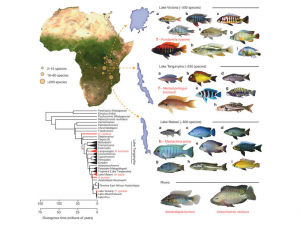
The map shows the distribution of this species across the world.
แผนที่แสดงการกระจายของสายพันธุ์นี้ทั่วโลก
คำพ้องความหมายallocationarrangementspreaddispersiondivisionapportionmentคำตรงข้ามconcentrationcollectiongatheringcentralizationทำลายล้าง, ล้างผลาญ, กวาดล้าง
to destroy or remove somebody or something completely
Whole villages were wiped out in the fighting.
หมู่บ้านทั้งหมู่บ้านถูกทำลายล้างในการสู้รบ
คำพ้องความหมายdestroyeliminateannihilateeradicateobliteratedecimateคำตรงข้ามcreatebuildestablishpreserveprotectชื่นชม (cheun chom)
to get great pleasure from something; to want very much to do or have something
She's relishing the studying in Bologna for six months.
เธอกำลังชื่นชมกับการเรียนที่โบโลญญาเป็นเวลาหกเดือน (Thoe gamlang cheun chom gap gaan rian tee Bologna pen welaa hok duean)
คำพ้องความหมายenjoysavorappreciatedelightrevelluxuriateคำตรงข้ามdislikehatedetestabhorส่วนเสริม, ส่วนเพิ่มเติม, อาหารเสริม
a thing that is added to something else to improve or complete it
Vitamin tablets should only be a supplement to a healthy, balanced diet.
วิตามินเม็ดควรเป็นเพียงส่วนเสริมของอาหารที่ดีต่อสุขภาพและสมดุลเท่านั้น
คำพ้องความหมายadditionadjunctcomplementaccessoryextraคำตรงข้ามsubtractiondecreasereductionbasecore