レッスン31/41 · 20語 · 覚えた単語 0
Topic 32: International organizations (2)
トピック32:国際機関 (2)
合意 (goui)
an arrangement, a promise or a contract made with somebody
According to the agreement, the caterer will also supply the flowers for the event
合意によると、ケータリング業者はイベントのために花も提供します。
The landlord and tenant were in agreement that the rent should be prorated to the middle of the month
類義語contractdealpactunderstandingsettlementaccordarrangementbargain対義語disagreementdisputeconflictdiscordcontentiondenialrefusal設立する (setsuritsu suru)
to start or create an organization, a system, etc. that is meant to last for a long time
The merger of the two companies established a powerful new corporation
2社の合併は、強力な新しい企業を設立した。
Through her many books and interviews, Dr. Wan established herself as an authority on conflict resolution
類義語createformfoundinstitutestartbuildset upprove対義語abolishdestroyeliminateabolishdemolishdisproveundermineneglect提出
to give a document, proposal, etc. to somebody in authority so that they can study or consider it
Submit your résumé to the human resources department
人事部に履歴書を提出してください
The applicant submitted all her paperwork in a professional and timely manner
類義語presentfilehand intenderproposeofferyieldgive対義語withdrawrefuseretainkeepreject訴え, 呼びかけ, 懇願
a deeply felt request for money, help or information that is needed immediately, especially one made by a charity or by the police
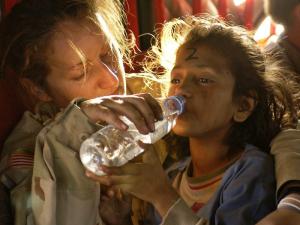
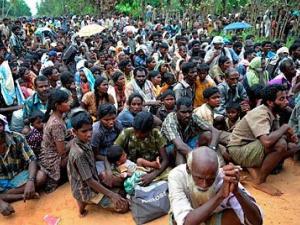
The charity launched an urgent appeal for food and clean water for refugees.
その慈善団体は、難民のための食料と清潔な水を求めて緊急の呼びかけを行った。
類義語attractioninterestcharmallureattractivenessfascination対義語repulsiondeterrentdisgustrepugnance使命 (shimei)
an important official job that a person or group of people is given to do, especially when they are sent to another country
The nurse explained that the mission of everyone in the unit was to make sure the patients got well as soon as possible
看護師は、ユニットの全員の使命は、患者ができるだけ早く回復することを確認することであると説明しました。
The hospital chaplain took as his mission to visit every patient admitted each day
類義語purposeaimgoalobjectivetaskassignmentcallingvocation対義語aimlessnessfrivolityidlenessinactivitypassivity国際的 (kokusaiteki)
connected with or involving two or more countries
Jane is joining an international camp with 30 students from different countries.
ジェーンは、さまざまな国から来た30人の学生と国際的なキャンプに参加します。
international relations
類義語globalworldwidemultinationaltransnationaluniversal対義語nationaldomesticlocalregional対立
a situation in which people, groups or countries disagree strongly or are involved in a serious argument
When conflicts do happen, we work together to find the solutions.
紛争が起きた場合は、解決策を見つけるために協力します。
conflicting emotions/interests/loyalties
類義語disputeclashstrugglediscordoppositionfriction対義語peaceharmonyagreementaccordconcord象徴
a person, an object, an event, etc. that represents a more general quality or situation
Mount Fuji is seen as the symbol of Japan.
富士山は日本の象徴と見なされています。
Mandela became a symbol of the anti-apartheid struggle.
類義語emblemrepresentationtokensignmarkicon対義語realityactualityliteralsubstance本社 (honsha)
a place from which an organization or a military operation is controlled; the people who work there
I have to make a call to headquarters before we get down to business
仕事に取り掛かる前に、本社に電話しなければなりません。
類義語main officecentral officebasecommand centergeneral headquarters対義語branchoutpostsubsidiaryannex執行する, 強制する, 履行を強制する
to make sure that a law, rule, contract or court decision is obeyed or carried out
The bank went to court to enforce its rights under the loan agreement.
銀行は融資契約に基づく自らの権利を行使するため、裁判所に訴えた。
Local authorities have started to enforce the new parking rules strictly.
類義語implementapplyexecuteadministerimposecompeloblige対義語violatedisregardignoreneglectbreach開始する (kaishi suru)
to make something begin
The program was initiated by the state government.
そのプログラムは州政府によって開始されました。(Sono puroguramu wa shūseifu ni yotte kaishi sa remashita.)
類義語beginstartlaunchcommenceoriginateinstituteintroduceestablish対義語endfinishcompleteconcludeterminatehaltstop人道的
connected with helping people who are suffering and improving the conditions that they are living in
The prisoner has been released for humanitarian reasons.
囚人は人道的な理由で釈放された。
類義語compassionatebenevolentcharitablealtruistickindcaringhumane対義語cruelinhumanecallousmercilessruthlessheartless