コンテンツへスキップ

レッスン30/41 · 20語 · 覚えた単語 0

Topic 31: International organizations (1)

トピック31:国際機関 (1)

  1. 1

    emphasize(verb)

    /ˈemfəsaɪz/

    強調する (kyōchō suru)

    to give special importance to something

    The nurse emphasized the importance of eating a balanced diet

    看護師はバランスの取れた食事をすることの重要性を強調しました。

    The new insurance plan emphasizes wellness by providing reimbursement for health club memberships

    類義語stresshighlightunderlineunderscoreaccentuatepoint out
    対義語downplayunderstateminimizeignorede-emphasize
  2. 2

    contemporary(adjective)

    /kənˈtempəreri/

    同時代

    belonging to the same time

    He was contemporary with Ho Chi Minh President.

    彼はホー・チ・ミン大統領と同時代の人だった。

    We have no contemporary account of the battle (= written near the time that it happened).

    類義語moderncurrentpresent-dayexistingcoevalof the timeconcurrentsimultaneous
    対義語oldancientpastoutdatedhistoricalprecedingfuture
  3. 3

    drought(noun)

    /draʊt/

    干ばつ (kanbatsu)

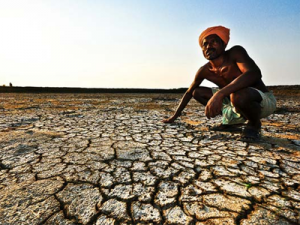
    a long period of time when there is little or no rain

    A drought caused most of the corn crop to fail.

    干ばつにより、ほとんどのトウモロコシが不作になった。

    類義語dry spellaridnesslack of raindesiccationshortage of water
    対義語flooddelugedownpourexcess rainabundance of water
  4. 4

    devastate(verb)

    /ˈdevəsteɪt/

    壊滅させる

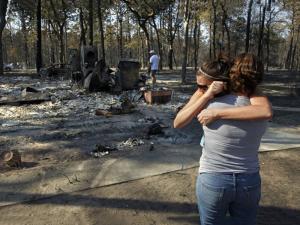
    to completely destroy a place or an area

    Such pollutants can devastate the environment.

    そのような汚染物質は環境を壊滅させる可能性があります。

    類義語destroyruinwreckdemolishravagedesolatedecimateannihilate
    対義語buildcreateconstructpreserverestorerepair
  5. 5

    exploitation(noun)

    /ˌeksplɔɪˈteɪʃn/

    搾取, 食い物にすること

    a situation in which somebody treats somebody else in an unfair way, especially in order to make money from their work

    The organization fights against the exploitation of child workers in poor countries.

    その組織は、貧しい国々における児童労働者の搾取に反対して闘っている。

    類義語utilizationuseabusemanipulationprofiteeringextraction
    対義語conservationpreservationprotectionsustainabilitystewardship
  6. 6

    reforest(verb)

    /ˌriːˈˈfɔːr.ɪst/

    再び植林する, 森林を回復させる

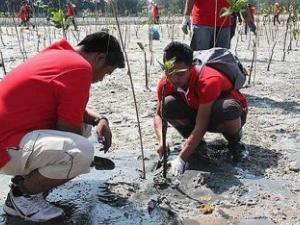
    to plant new trees in an area where there used to be a forest.

    They try to reforest this area.

    彼らはこの地域に再び植林しようとしています。

    類義語replantre-establish forestsrestore forest
    対義語deforestdeforestationclear-cut
  7. 7

    permanent(adjective)

    /ˈpɜːrmənənt/

    永続的な (eizokutekina)

    lasting for a long time or for all time in the future; existing all the time

    Eighty-five percent of the land of Greenland lies beneath a permanent ice cap.

    グリーンランドの土地の85パーセントは、永久氷床の下にあります。

    類義語lastingenduringstablefixedestablishedconstantimmutable
    対義語temporarytransientfleetingimpermanentunstablechangeable
  8. 8

    shorten(verb)

    /ˈʃɔːrtn/

    短縮する (tanshuku suru)

    to make something shorter; to become shorter

    I've asked him to shorten my blue jeans.

    彼に私のブルージーンズを短くしてもらうように頼みました。

    類義語abridgecondensetruncatereducecut
    対義語lengthenextendincreaseprolong
  9. 9

    acronym(noun)

    /ˈækrənɪm/

    頭字語 (tōjigo)

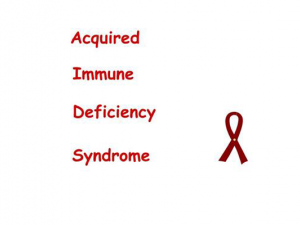
    a word formed from the first letters of the words that make up the name of something, for example ‘AIDS’ is an acronym for ‘acquired immune deficiency syndrome’

    AIDS is an acronym for "Acquired Immune Deficiency Syndrome".

    エイズは「後天性免疫不全症候群(Acquired Immune Deficiency Syndrome)」の頭字語です。

    類義語initialismabbreviation
    対義語full formexpanded form
  10. 10

    adolescence(noun)

    /ˌædəˈlesns/

    青年期

    the time in a person’s life when they develop from a child into an adult

    She had a troubled adolescence.

    彼女は問題のある青年期を過ごした。

    類義語teenage yearsyouthteenspuberty
    対義語childhoodadulthoodold age
  11. 11

    heighten(verb)

    /ˈhaɪtn/

    高める

    if a feeling or an effect heightens , or something heightens it, it becomes stronger or increases

    The strong police presence only heightened the tension among the crowd.

    警察の強力な存在は、群衆の緊張を高めただけだった。

    類義語increaseintensifyamplifymagnifyescalateaggravate
    対義語decreasereducelessendiminishweakenalleviate
  12. 12

    donor(noun)

    /ˈdəʊnər/

    寄付者 (kifusha)

    a person or an organization that makes a gift of money, clothes, food, etc. to a charity, etc.

    The charity received £100,000 from an unnamed donor.

    慈善団体は、匿名の寄付者から10万ポンドを受け取りました。

    類義語contributorgiverbenefactorpatronphilanthropistsponsor
    対義語recipientbeneficiary
  13. 13

    outpost(noun)

    /ˈaʊtpəʊst/

    前哨基地

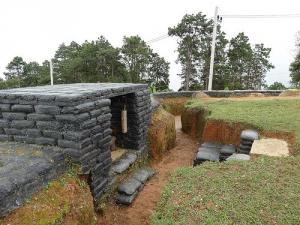
    a small military camp away from the main army, used for watching an enemy’s movements, etc.

    a military outpost

    軍の前哨基地

    類義語stationbasepositionguard postforward postfrontier post
    対義語retreatrearcenterheadquarters
  14. 14

    lodge(noun)

    /lɑːdʒ/

    山小屋 (yamagoya)

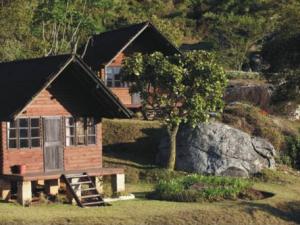
    a small house in the country where people stay when they want to take part in some types of outdoor sport

    a mountain lodge used by climbers

    登山者が利用する山小屋

    類義語cabinchalethutretreatresort
    対義語citymetropolisbustling area
  15. 15

    dues(noun)

    /duː/

    会費, 組合費

    an amount of money that you pay regularly to belong to an organization

    Members of the club pay $50 in annual dues.

    クラブの会員は年会費として50ドルを支払います。

    類義語feessubscriptionschargespaymentslevies
    対義語refundrebatedonationfree
  16. 16

    organization(noun)

    /ˌɔːrɡənəˈzeɪʃn/

    組織 (soshiki)

    a group of people who form a business, club, etc. together in order to achieve a particular aim

    He's the president of a large international organization.

    彼は大規模な国際組織の会長です。

    類義語institutioncompanyassociationgroupbodyestablishmentsystemarrangement
    対義語disorderchaosdisorganizationindividualismanarchy
  17. 17

    self-help(noun)

    /ˌself ˈhelp/

    自助, 自立

    the act of relying on your own efforts and abilities in order to solve your problems, rather than depending on other people for help

    It is a group providing self-help for single parents.

    それはシングルペアレントのための自助グループだ。

    類義語self-improvementpersonal developmentself-relianceself-sufficiency
    対義語dependencereliance on othershelp from othersassistance

  18. 18

    abuse(noun)

    /əˈbjuːs/

    虐待, 乱用

    unfair, cruel or violent treatment of somebody

    The organization works to stop child abuse and other human rights abuses.

    その団体は児童虐待やその他の人権侵害をなくすために活動している。

  19. 19

    relief(noun)

    /rɪˈliːf/

    救援, 救援物資, 救済

    food, money, medicine, etc. that is given to help people in a place where there has been a war or natural disaster

    The United Nations sent relief to the victims of the earthquake.

    国連は地震の被災者に救援物資を送りました。

  20. 20

    veteran(noun)

    /ˈvetərən/

    退役軍人, 復員軍人

    a person who has been a soldier, sailor, etc. in a war

    He is a Vietnam veteran.

    彼はベトナム戦争の退役軍人です。