본문으로 건너뛰기

레슨 4/12 · 11단어 · 외운 단어 0

Lesson 4: WHO'S HE?

4과: 그는 누구예요?

  1. 1

    we(pronoun)

    /wi/

    우리

    I and another person or other people; I and you

    We are students.

    우리는 학생입니다.

    We'd (= the company would) like to offer you the job.

    유의어usourselves
    반의어Ime
  2. 2

    who(pronoun)

    /huː/

    누구

    used in questions to ask about the name, identity or function of one or more people

    Who is this?

    이 사람은 누구입니까?

    Who is that woman?

    유의어which personwhat person
    반의어nobody
  3. 3

    please(exclamation)

    /pliːz/

    제발, 부디

    used as a polite way of asking for something or telling somebody to do something

    Can I have a glass of water, please?

    물 한 잔 주시겠어요?

    유의어satisfydelightgratifyappeasehumor
    반의어displeaseoffendannoydissatisfyupset
  4. 4

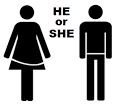
    she(pronoun)

    /ʃi/

    그녀 (geunyeo)

    a female person or animal that has already been mentioned or is easily identified

    Daisy is my friend. She is very kind.

    데이지는 내 친구예요. 그녀는 매우 친절해요. (Deijineun nae chinguyeyo. Geunyeoneun maeu chinjeolhaeyo.)

    Doesn't she (= the woman we are looking at) look like Sue?

    유의어herthe womanthat woman
    반의어hehim
  5. 5

    friend(noun)

    /frend/

    친구 (chingu)

    a person you know well and like, and who is not usually a member of your family

    He's one of my best friends.

    그는 내 가장 친한 친구 중 한 명이야.

    a childhood/family/lifelong friend

    유의어companionacquaintancepalbuddymateassociateconfidant
    반의어enemyfoeadversaryrivalstranger
  6. 6

    play(verb)

    /pleɪ/

    놀다 (nolda)

    to do things for pleasure, as children do; to enjoy yourself, rather than work

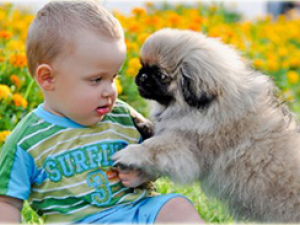
    All kids like playing.

    모든 아이들은 노는 것을 좋아합니다. (Modeun aideureun noneun geoseul joahamnida.)

    the importance of learning through play

    유의어gamerecreationfunfrolicsportamusemententertainmentperform
    반의어worklaborstudyserious
  7. 7

    he(pronoun)

    /hi/

    그 (geu)

    a male person or animal that has already been mentioned or is easily identified

    He is 10 years old and he is a student.

    그는 10살이고 학생입니다. (Geuneun yeolsaligo haksaengimnida.)

    He (= the man we are watching) went through that door.

    유의어himthat personthe manthe boy
    반의어shethey
  8. 8

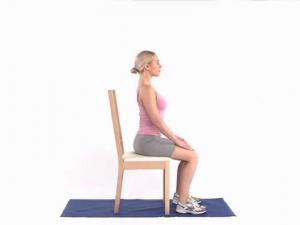
    sit down(phrasal verb)

    /sɪt daʊn/

    앉다 (antda)

    to move from a standing position to a sitting position

    Please sit down, students.

    학생 여러분, 앉으세요.

    유의어be seatedtake a seatsettleperchsquat
    반의어stand upriseget up
  9. 9

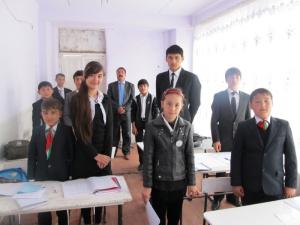
    stand up(phrasal verb)

    /ˈstænd ʌp/

    일어서다, 일어나다

    to get up from a sitting or lying position so that you are standing

    All students stand up.

    모든 학생은 일어나세요.

    유의어ariseriseget upuprightdefendassert
    반의어sitsit downlie downreclinesubmit
  10. 10

    let's(phrase)

    /lets/

    ~하자

    short for 'let us', used for suggesting that you and other people do something together

    Let's go to the beach.

    해변에 가자.

    유의어come onshall wewhy don't we
    반의어stopdon'trefrain
  11. 11

    miss(noun)

    /mɪs/

    양, ~선생님

    a title used before the name of a girl or a woman who is not married, or of a female teacher

    Good morning, Miss Sarah.

    안녕하세요, 사라 선생님.