ข้ามไปยังเนื้อหา

บทที่ 4/12 · 11 คำ · จำได้แล้ว 0

Lesson 4: WHO'S HE?

บทที่ 4: เขาคือใคร?

  1. 1

    we(pronoun)

    /wi/

    พวกเรา

    I and another person or other people; I and you

    We are students.

    พวกเราเป็นนักเรียน

    We'd (= the company would) like to offer you the job.

    คำพ้องความหมายusourselves
    คำตรงข้ามIme
  2. 2

    who(pronoun)

    /huː/

    ใคร

    used in questions to ask about the name, identity or function of one or more people

    Who is this?

    นี่คือใคร

    Who is that woman?

    คำพ้องความหมายwhich personwhat person
    คำตรงข้ามnobody
  3. 3

    please(exclamation)

    /pliːz/

    กรุณา, โปรด

    used as a polite way of asking for something or telling somebody to do something

    Can I have a glass of water, please?

    ขอน้ำสักแก้วได้ไหมคะ

    คำพ้องความหมายsatisfydelightgratifyappeasehumor
    คำตรงข้ามdispleaseoffendannoydissatisfyupset
  4. 4

    she(pronoun)

    /ʃi/

    เธอ (เธอ)

    a female person or animal that has already been mentioned or is easily identified

    Daisy is my friend. She is very kind.

    เดซี่เป็นเพื่อนของฉัน เธอใจดีมาก (Desi bpen pêuan khǒng chǎn. Ther jai dee mâak).

    Doesn't she (= the woman we are looking at) look like Sue?

    คำพ้องความหมายherthe womanthat woman
    คำตรงข้ามhehim
  5. 5

    friend(noun)

    /frend/

    เพื่อน

    a person you know well and like, and who is not usually a member of your family

    He's one of my best friends.

    เขาเป็นเพื่อนที่ดีที่สุดคนหนึ่งของฉัน

    a childhood/family/lifelong friend

    คำพ้องความหมายcompanionacquaintancepalbuddymateassociateconfidant
    คำตรงข้ามenemyfoeadversaryrivalstranger
  6. 6

    play(verb)

    /pleɪ/

    เล่น

    to do things for pleasure, as children do; to enjoy yourself, rather than work

    All kids like playing.

    เด็กทุกคนชอบเล่น

    the importance of learning through play

    คำพ้องความหมายgamerecreationfunfrolicsportamusemententertainmentperform
    คำตรงข้ามworklaborstudyserious
  7. 7

    he(pronoun)

    /hi/

    เขา (khāo)

    a male person or animal that has already been mentioned or is easily identified

    He is 10 years old and he is a student.

    เขาอายุ 10 ปี และเขาเป็นนักเรียน (khāo ayu sip pi lae khāo pen nak rian)

    He (= the man we are watching) went through that door.

    คำพ้องความหมายhimthat personthe manthe boy
    คำตรงข้ามshethey
  8. 8

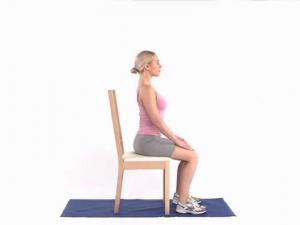
    sit down(phrasal verb)

    /sɪt daʊn/

    นั่งลง

    to move from a standing position to a sitting position

    Please sit down, students.

    นักเรียน กรุณานั่งลง

    คำพ้องความหมายbe seatedtake a seatsettleperchsquat
    คำตรงข้ามstand upriseget up
  9. 9

    stand up(phrasal verb)

    /ˈstænd ʌp/

    ลุกขึ้นยืน, ยืนขึ้น

    to get up from a sitting or lying position so that you are standing

    All students stand up.

    นักเรียนทุกคนลุกขึ้นยืน

    คำพ้องความหมายariseriseget upuprightdefendassert
    คำตรงข้ามsitsit downlie downreclinesubmit
  10. 10

    let's(phrase)

    /lets/

    เรา...กันเถอะ, ไป...กันเถอะ

    short for 'let us', used for suggesting that you and other people do something together

    Let's go to the beach.

    ไปชายหาดกันเถอะ

    คำพ้องความหมายcome onshall wewhy don't we
    คำตรงข้ามstopdon'trefrain
  11. 11

    miss(noun)

    /mɪs/

    คุณครู, นางสาว

    a title used before the name of a girl or a woman who is not married, or of a female teacher

    Good morning, Miss Sarah.

    สวัสดีตอนเช้าค่ะ คุณครูซาราห์