본문으로 건너뛰기

레슨 31/38 · 21단어 · 외운 단어 0

Life Death

삶과 죽음

  1. 1

    dead(adjective)

    /ded/

    죽은

    no longer alive

    dead leaves/wood/skin

    죽은 잎/나무/피부

    The poor child looks more dead than alive.

    유의어deceasedlifelessinanimateexpireddefunct
    반의어alivelivinganimatethrivingactive
  2. 2

    die(verb)

    /daɪ/

    죽다 (jukda)

    to stop living

    She died young.

    그녀는 젊어서 죽었다. (geunyeoneun jeolm-eo seo jugeotda.)

    At least they died happy.

    유의어perishexpirepass awaydeceasedepart
    반의어livebe bornsurvivethrive
  3. 3

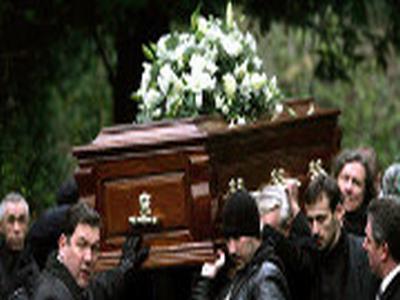
    funeral(noun)

    /ˈfjuːnərəl/

    장례식 (jangnyesik)

    a ceremony, often a religious one, for burying or cremating (= burning) a dead person

    The funeral will be held next Friday.

    장례식은 다음 주 금요일에 열립니다. (Jangnyesigeun daeum ju geumyoire yeollimnida.)

    Hundreds of people attended the funeral.

    유의어memorial serviceburialintermentrequiemobsequies
    반의어birthcelebrationpartyjubilation
  4. 4

    survive(verb)

    /sərˈvaɪv/

    생존하다 (saengjonhada)

    to continue to live or exist

    These plants cannot survive in very cold conditions.

    이 식물들은 매우 추운 환경에서 생존할 수 없습니다.

    Some strange customs have survived from earlier times.

    유의어endurepersistlivewithstandcopeget by
    반의어dieperishsuccumbexpire
  5. 5

    life(noun)

    /laɪf/

    삶 (salm)

    the ability to breathe, grow, produce young, etc. that people, animals and plants have before they die and that objects do not have

    My father died last year—I wish I could bring him back to life.

    아버지는 작년에 돌아가셨어요. 다시 살릴 수 있으면 좋을 텐데요.

    In spring the countryside bursts into life.

    유의어existencelivingbeinganimationvitality
    반의어deathnonexistenceinanimate
  6. 6

    alive(adjective)

    /əˈlaɪv/

    살아있는

    living; not dead

    Doctors kept the baby alive for six weeks.

    의사들은 아기를 6주 동안 살려두었다.

    We don't know whether he's alive or dead.

    유의어livingexistingbreathinganimateconsciousvigorousactivealert
    반의어deaddeceasedlifelessinanimateextinct
  7. 7

    death(noun)

    /deθ/

    죽음 (jugeum)

    the fact of somebody dying or being killed

    the anniversary of his wife's death

    그의 아내의 죽음 기념일 (geuui anaeui jugeum ginyeomil)

    He died a slow and painful death.

    유의어demisepassingenddeparturefatality
    반의어birthlifeexistence
  8. 8

    wedding(noun)

    /ˈwedɪŋ/

    결혼식

    a marriage ceremony, and the meal or party that usually follows it

    I received a wedding invitation from Mandy.

    맨디에게서 결혼식 초대를 받았습니다.

    a wedding ceremony/reception

    유의어marriagenuptialsmatrimony
    반의어divorceseparation
  9. 9

    kill(verb)

    /kɪl/

    죽이다

    to make somebody/something die

    Three people were killed in the car crash last night.

    어젯밤 자동차 사고로 세 사람이 사망했다.

    유의어slayeliminatemurderassassinateexecutedestroyendneutralize
    반의어savepreserveprotectcreatehealrevive
  10. 10

    bury(verb)

    /ˈberi/

    묻다 (mutda)

    to place a dead body in the ground

    His father is buried in the cemetery on the hill.

    그의 아버지는 언덕 위 묘지에 묻혀 있습니다.

    He was buried in Highgate Cemetery.

    유의어interentombinhumesepulcherlay to rest
    반의어exhumedisinterunearthresurrect
  11. 11

    birth(noun)

    /bɜːrθ/

    출생 (chulsaeng)

    the time when a baby is born; the process of being born

    The baby weighed three kilos at birth.

    아기는 태어날 때 3킬로그램이었다. (agineun taeeonal ttae 3killeogeuraemieotda.)

    Please state your date and place of birth.

    유의어deliverynativityinceptiongenesisorigincommencement
    반의어deathenddemisetermination
  12. 12

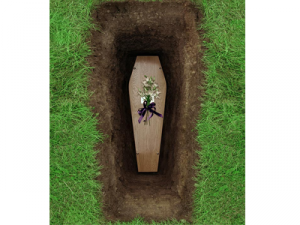
    grave(noun)

    /ɡreɪv/

    무덤, 묘

    a place in the ground where a dead person is buried

    Every year they put flowers on their grandfather's grave.

    그들은 해마다 할아버지 무덤에 꽃을 놓는다.

    유의어seriouscriticalsevereimportantmomentoussolemn
    반의어minorinsignificanttrivialunimportant
  13. 13

    born(verb)

    /bɔːrn/

    태어난

    to come out of your mother’s body at the beginning of your life

    I was born with a sense of curiosity.

    나는 호기심을 가지고 태어났다.

    Her brother was born blind(= was blind when he was born).

    유의어brought into the worldcreatedoriginatedderived
    반의어deaddeceasednonexistent
  14. 14

    birthday(noun)

    /ˈbɜːrθdeɪ/

    생일 (saengil)

    the day in each year which is the same date as the one on which you were born

    Happy Birthday!

    생일 축하합니다! (Saengil chukhahamnida!)

    유의어anniversary of birthnatal day
    반의어death dayday of passing
  15. 15

    ghost(noun)

    /ɡəʊst/

    유령 (yuryeong)

    the spirit of a dead person that a living person believes they can see or hear

    She was afraid of ghosts when she was a child.

    그녀는 어렸을 때 유령을 무서워했어요.

    유의어spiritspecterphantomapparitionshadewraith
    반의어beinghumanliving
  16. 16

    burial(noun)

    /ˈberiəl/

    매장

    the act or ceremony of burying a dead body

    We went back to England for our uncle’s burial.

    우리는 삼촌의 매장을 위해 잉글랜드로 돌아갔습니다.

    유의어funeralintermentinhumationsepultureentombment
    반의어exhumationcremation
  17. 17

    cemetery(noun)

    /ˈseməteri/

    묘지 (myoji)

    an area of land used for burying dead people, especially one that is not next to a church

    We visited the cemetery to pay our respects.

    우리는 경의를 표하기 위해 묘지를 방문했습니다. (urineun gyeongeuireul pyohagi wihae myojireul bangmunhaetseumnida.)

    유의어graveyardburial groundmemorial parknecropolis
    반의어birthplacewombnursery
  18. 18

    deadly(adjective)

    /ˈdedli/

    치명적인, 죽음을 부르는, 독이 있는

    causing or likely to cause death

    The snake's venom is deadly.

    그 뱀의 독은 치명적이다.

    유의어fatallethalmortaldangerous
    반의어harmlessbenignsafe
  19. 19

    lethal(adjective)

    /ˈliːθl/

    치명적인

    causing or able to cause death

    That snake's venom is lethal.

    그 뱀의 독은 치명적입니다.

    유의어deadlyfatalmortal
    반의어harmlessnonlethalsafe
  20. 20

    lifelong(adjective)

    /ˈlaɪflɔːŋ/

    평생의

    lasting or existing all through your life

    She had a lifelong passion for learning.

    그녀는 평생 학습에 대한 열정을 가지고 있었습니다.

    유의어enduringpermanentlastingchronic
    반의어temporaryshort-livedtransient
  21. 21

    lifetime(noun)

    /ˈlaɪftaɪm/

    평생

    the length of time that somebody lives or that something lasts

    He dedicated his lifetime to helping others.

    그는 평생을 다른 사람들을 돕는 데 헌신했습니다.

    유의어durationexistenceperiod
    반의어momentinstantsplit second