본문으로 건너뛰기

레슨 32/38 · 108단어 · 외운 단어 0

Movement Position

움직임과 위치

  1. 1

    hold(verb)

    /həʊld/

    잡다, 들다, 쥐다

    to have somebody/something in your hand, arms, etc.

    She was holding a cup of coffee in her hand.

    그녀는 손에 커피 한 잔을 들고 있었다.

    유의어accommodatecontainsupportgrasppossessconductorganize
    반의어releaseabandonrejectfailforfeit
  2. 2

    raise(verb)

    /reɪz/

    들다, 올리다

    to lift or move something to a higher level

    Raise your hand if you know the answer to the question.

    답을 아는 사람은 손을 드세요.

    유의어elevateincreaseliftboostpromoteheighten
    반의어lowerdecreasereducedropdemote
  3. 3

    return(verb)

    /rɪˈtɜːrn/

    돌아오다, 돌아가다

    to come or go back from one place to another

    She returned home after a long trip to Paris.

    그녀는 파리로의 긴 여행을 마치고 집으로 돌아왔다.

    유의어yieldprofitgainrevenueproceedsrepaymentrestitution
    반의어lossdebtcostexpenditureinvestment
  4. 4

    adjacent(adjective)

    /əˈdʒeɪsnt/

    인접한

    next to something

    My office is adjacent to the receptionist area on the third floor

    제 사무실은 3층 접수처 옆에 있습니다.

    The office manager found it very efficient to have the copier adjacent to the mail room

    유의어neighboringadjoiningnearbyclosecontiguous
    반의어distantremotefarseparatedisolated
  5. 5

    beneath(preposition)

    /bɪˈniːθ/

    아래에 (araee)

    in or to a lower position than somebody/something; under somebody/something

    Beneath this floor there's a cellar.

    이 바닥 아래에는 지하실이 있다. (I badak araeeneun jihasil-i itda.)

    The boat sank beneath the waves.

    유의어underbelowunderneathlowerdown
    반의어aboveoveron tophigherup
  6. 6

    go(verb)

    /ɡəʊ/

    가다 (gada)

    to move or travel from one place to another

    I go to school by bus.

    나는 버스로 학교에 간다. (Naneun beoseu-ro hakgyoe ganda.)

    She has gone to China (= is now in China or is on her way there).

    유의어moveproceeddeparttravelheadadvancepassrun
    반의어stayremainstophaltwait
  7. 7

    onto(preposition)

    /ˈɑːntə/

    위에

    used with verbs to express movement on or to a particular place or position

    She stepped down from the train onto the platform.

    그녀는 기차에서 내려 플랫폼으로 걸어갔다.

    Move the books onto the second shelf.

    유의어upononto
    반의어off
  8. 8

    step(noun)

    /step/

    걸음, 발소리

    the act of lifting your foot and putting it down in order to walk or move somewhere; the sound this makes

    We heard steps outside.

    우리는 밖에서 발소리를 들었다.

    a baby's first steps

    유의어pacefootstepstridemovestage
    반의어inactionstagnationstillness
  9. 9

    struggle(verb)

    /ˈstrʌɡl/

    애쓰다, 발버둥 치다, 분투하다

    to try very hard to do something when it is difficult or when there are a lot of problems

    By this time he'd managed to struggle out of bed.

    이때쯤 그는 간신히 침대에서 몸을 일으켜 나올 수 있었다.

    They struggled just to pay their bills.

    유의어effortcontendgrapplewrestlestrainlabor
    반의어easepeacecomfortsurrenderacquiesce
  10. 10

    bring(verb)

    /brɪŋ/

    가져오다 (gajeo-oda)

    to come to a place with somebody/something

    You should bring the umbrella in case it rains.

    비가 올 경우를 대비해서 우산을 가져가야 해요.

    Bring Helen a present.

    유의어takecarryfetchconveytransport
    반의어take awayremoveleavesenddepart
  11. 11

    hang(verb)

    /hæŋ/

    걸다

    to attach something, or to be attached, at the top so that the lower part is free or loose

    Shall I hang your coat up?

    코트를 걸어 드릴까요?

    There were several expensive suits hanging in the wardrobe.

    유의어suspenddangleappendslingmount
    반의어layplacerestset
  12. 12

    rush(verb)

    /rʌʃ/

    서두르다, 돌진하다

    to move or to do something with great speed, often too fast

    We rushed to the station to catch the last train home.

    우리는 집으로 가는 마지막 기차를 타려고 역으로 서둘러 갔다.

    유의어hastehurrydashsprintscurrycharge
    반의어leisurecalmdelaydawdlelingerease
  13. 13

    touch(verb)

    /tʌtʃ/

    만지다 (manjida)

    to put your hand or another part of your body onto somebody/something

    I touched him lightly on the arm.

    나는 그의 팔을 가볍게 만졌다. (Naneun geueui pareul gabyeopge manjyeotda.)

    We stayed in a village where time has stood still(= life has not changed for many years).

    유의어feelcontactbrushstrokehandletappat
    반의어avoidignoremissdisregard
  14. 14

    off(adverb)

    /ɔːf/

    떨어져, 멀리

    away from a place; at a distance in space or time

    They were still 100 metres off the summit.

    그들은 아직 정상에서 100미터 떨어진 곳에 있었다.

    I fell off the ladder.

    유의어awaydistantremovedseparatedisconnected
    반의어onattachedconnectednearclose
  15. 15

    arise(verb)

    /əˈraɪz/

    발생하다 (balsaenghada)

    to happen; to start to exist

    A storm arose during the night.

    밤에 폭풍이 발생했다. (bame pokpungi balsaenghaetda.)

    Children should be disciplined when the need arises(= when it is necessary).

    유의어emergeoriginatebeginstartdevelopspring upoccur
    반의어disappearendceasevanishdescendterminate
  16. 16

    pause(verb)

    /pɔːz/

    잠시 멈추다, 잠깐 쉬다

    to stop talking or doing something for a short time before continuing

    She paused for a moment before answering the teacher's question.

    그녀는 선생님의 질문에 대답하기 전에 잠시 말을 멈췄다.

    유의어breakinterruptionlullhiatusintermissioncessationrespite
    반의어continuationresumptionproceedingpersistence
  17. 17

    rise(verb)

    /raɪz/

    떠오르다 (tteooreuda)

    to come or go upwards; to reach a higher level or position

    The Sun rises in the East.

    태양은 동쪽에서 떠오른다. (Taeyangeun dongjjogeseo tteooreunda.)

    The river has risen (by) several metres.

    유의어ascendemergeincreaseariseoriginatemount
    반의어falldeclinedescenddecreasedrop
  18. 18

    forward(adverb)

    /ˈfɔːrwərd/

    앞으로

    towards a place or position that is in front

    They ran forward to welcome her.

    그들은 그녀를 환영하기 위해 앞으로 달려갔다.

    He took two steps forward.

    유의어onwardaheadforthprogressingleading
    반의어backwardbackretreatingregressing
  19. 19

    ahead(adverb)

    /əˈhed/

    앞으로 (apeuro)

    further forward in space or time; in front

    The road ahead is very long.

    앞으로의 길은 매우 깁니다.

    This will create problems in the months ahead.

    유의어forwardonwardin frontleadingfuture
    반의어behindbackpastbackward
  20. 20

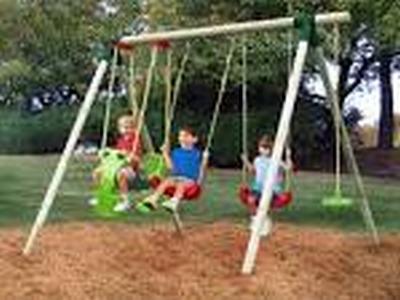
    swing(verb)

    /swɪŋ/

    흔들리다, 매달려 흔들다

    to move backwards or forwards or from side to side while hanging from a fixed point; to make something do this

    The monkeys swing from branch to branch in the tall trees.

    원숭이들은 높은 나무에서 가지에서 가지로 매달려 건너뛴다.

    유의어oscillaterotatepivotswaymovehangdanglevibrate
    반의어stillnessfixitystabilitymotionlessnessimmobility
  21. 21

    near(preposition)

    /nɪr/

    가까이 (gakkai)

    at a short distance away from somebody/something

    There's a bicycle near the tree.

    나무 근처에 자전거가 있습니다.

    Do you live near here?

    유의어closeadjacentnearbyapproaching
    반의어fardistantremote
  22. 22

    carry(verb)

    /ˈkæri/

    나르다

    to support the weight of somebody/something and take them or it from place to place; to take somebody/something from one place to another

    The injured were carried away on stretchers.

    부상자들은 들것에 실려 옮겨졌다.

    a train carrying commuters to work

    유의어transportconveybearmovetransfer
    반의어dropleaveabandonneglect
  23. 23

    outside(adverb)

    /ˌaʊtˈsaɪd/

    바깥

    not in a room, building or container but on or to the outside of it

    He was waiting outside for two hours.

    그는 두 시간 동안 밖에서 기다리고 있었어요.

    I'm seeing a patient—please wait outside.

    유의어exterioroutdoorsoutwardwithoutbeyond
    반의어insidewithininterior
  24. 24

    lie(verb)

    /laɪ/

    눕다, 누워 있다

    to be or put yourself in a flat position so that you are not standing or sitting

    My brother often lies on this sofa.

    우리 형은 이 소파에 자주 누워 있다.

    a barefaced lie(= a lie that is deliberate and shocking)

    유의어prevaricatefalsifydeceivefabricatemisleadfib
    반의어tell the truthbe honestverifyvalidate
  25. 25

    below(adverb)

    /bɪˈləʊ/

    아래에

    at or to a lower level, position or place

    I could still see the airport buildings far below.

    나는 여전히 멀리 아래에 있는 공항 건물을 볼 수 있었다.

    The passengers who felt seasick stayed below (= on a lower deck ).

    유의어underbeneathunderneathlowerdowndownward
    반의어aboveoverhigherupupward
  26. 26

    grab(verb)

    /ɡræb/

    잡다 (japda)

    to take or hold somebody/something with your hand suddenly or roughly

    She grabbed the child's hand and ran.

    그녀는 아이의 손을 잡고 달렸다.

    Don't grab—there's plenty for everyone.

    유의어seizesnatchclutchgrasppluckcapture
    반의어releasedroplet gorelinquish
  27. 27

    inside(preposition)

    /ˌɪnˈsaɪd/

    ~의 안에, ~의 안쪽에

    on or to the inner part of something/somebody; within something/somebody

    The children are playing inside the house because it is raining.

    비가 와서 아이들은 집 안에서 놀고 있다.

    유의어withinininternallyinwardlyindoors
    반의어outsideexteriorwithoutoutdoors
  28. 28

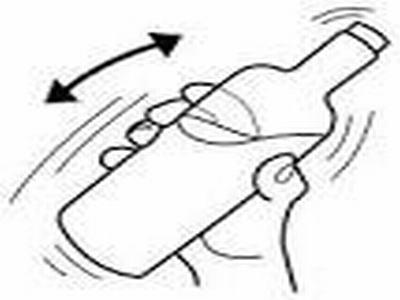
    shake(verb)

    /ʃeɪk/

    흔들다

    to move or make somebody/something move with short quick movements from side to side or up and down

    He shook her violently by the shoulders.

    그는 그녀의 어깨를 격렬하게 흔들었다.

    She shook her hair loose.

    유의어tremblevibratequiverjoltagitatestir
    반의어steadystillstabilizecalm
  29. 29

    downwards(adverb)

    /ˈdaʊnwərdz/

    아래쪽으로

    towards the ground; towards a lower place or position

    She was lying face downwards on the grass.

    그녀는 풀밭에 얼굴을 아래로 향한 채 누워 있었다.

    It was a policy welcomed by world leaders from the US president downwards.

    유의어downbelowunderneathlowerdescending
    반의어upwardsupabovehigherascending
  30. 30

    push(verb)

    /pʊʃ/

    밀다 (milda)

    to use your hands, arms or body in order to make somebody/something move forward or away from you; to move part of your body into a particular position

    He pushed his chair back and stood up.

    그는 의자를 뒤로 밀고 일어섰다.

    I pushed the door open.

    유의어shovepressthrustforcepropel
    반의어pulldrawattractdragresist
  31. 31

    roll(verb)

    /rəʊl/

    구르다

    to turn over and over and move in a particular direction; to make a round object do this

    The ball rolled down the hill.

    공이 언덕 아래로 굴러갔다.

    Delivery men were rolling barrels across the yard.

    유의어revolverotateturnwheelwindcoil
    반의어stopremainstayunfoldstraighten
  32. 32

    up(preposition)

    /ʌp/

    위로, 위에

    to or in a higher position somewhere

    She climbed up the flight of steps.

    그녀는 계단을 걸어 올라갔다.

    She climbed up the flight of steps.

    유의어aboveonatopuponskywardraisedascended
    반의어downbelowunderbeneath
  33. 33

    drop(verb)

    /drɑːp/

    떨어뜨리다, 떨어지다

    to allow something to fall by accident; to fall by accident

    Be careful not to drop the glass on the kitchen floor.

    부엌 바닥에 유리잔을 떨어뜨리지 않게 조심해.

    유의어droplettricklesplashparticleglobule
    반의어oceanflooddelugeabundancesea
  34. 34

    slip(verb)

    /slɪp/

    미끄러지다 (mikkeureojida)

    to slide a short distance by accident so that you fall or nearly fall

    She slipped over on the ice and broke her leg.

    그녀는 얼음 위에서 미끄러져 다리가 부러졌다.

    As I ran up the stairs, my foot slipped and I fell.

    유의어slideskidglidestumbletriperrlapse
    반의어gripholdadhereclingstick
  35. 35

    exit(noun)

    /ˈeksɪt/

    출구 (chulgu)

    a way out of a public building or vehicle

    There are four emergency exits in the department store.

    백화점에는 4개의 비상구가 있습니다.

    The emergency exit is at the back of the bus.

    유의어way outegressdepartureescape routegateway
    반의어entranceentryaccessinlet
  36. 36

    out(adverb, preposition)

    /aʊt/

    밖으로

    away from the inside of a place or thing

    He opened the box and out jumped a frog.

    그가 상자를 열자 개구리가 튀어나왔다.

    She ran out into the corridor.

    유의어awayoutsidebeyondforthwithout
    반의어ininsidewithin
  37. 37

    left(adjective)

    /left/

    왼쪽의, 좌측의

    on the side of your body that is towards the west when you are facing north

    The museum is on the left side of the street, next to the bank.

    박물관은 거리 왼쪽, 은행 옆에 있다.

    유의어portlarboardremainingabandoneddeparted
    반의어right
  38. 38

    without(preposition)

    /wɪˈðaʊt/

    없이

    not having, experiencing or showing something

    He found the place without difficulty.

    그는 어려움 없이 그 장소를 찾았다.

    They had gone two days without food.

    유의어lackingabsentbereftexcludingminus
    반의어withincludingplus
  39. 39

    wrap(verb)

    /ræp/

    포장하다

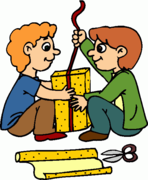
    to cover something completely in paper or other material, for example when you are giving it as a present

    The book is carefully wrapped.

    그 책은 조심스럽게 포장되어 있습니다.

    individually wrapped chocolates

    유의어coverenclosepackageenfoldprotect
    반의어unwrapopenexposeuncover
  40. 40

    spin(verb)

    /spɪn/

    빙빙 돌다, 회전하다

    to turn round and round quickly; to make something do this

    The plane was spinning out of control.

    비행기가 통제 불능 상태로 빙빙 돌고 있었다.

    The dancers spun round and round.

    유의어rotatetwirlwhirlrevolveturngyrate
    반의어stillnessimmobilitystabilityfixity
  41. 41

    fall(verb)

    /fɔːl/

    떨어지다, 넘어지다

    to drop down from a higher level to a lower level

    Be careful not to fall on the icy steps outside.

    바깥의 얼어붙은 계단에서 넘어지지 않도록 조심해.

    유의어autumndescentdeclinedropplummet
    반의어riseascentspringsummer
  42. 42

    follow(verb)

    /ˈfɑːləʊ/

    따르다 (ttareuda)

    to come or go after or behind somebody/something

    He followed her into the house.

    그는 그녀를 따라 집 안으로 들어갔다.

    Sam walked in, with the rest of the boys following closely behind.

    유의어chasepursuetrackobeyadhere toobservecome afterresult from
    반의어leadignoredisobeyprecedeavoid
  43. 43

    move(verb)

    /muːv/

    이동하다

    to change position or make somebody/something change position in a way that can be seen, heard or felt

    He is moving to a corner of the house.

    그는 집 구석으로 이동하고 있습니다.

    I can't move my fingers.

    유의어shiftrelocatetransferproceedadvancebudgedisplace
    반의어stayremainstophaltfreeze
  44. 44

    put(verb)

    /pʊt/

    놓다 (nohda)

    to move something into a particular place or position

    Did you put sugar in my coffee?

    내 커피에 설탕 넣었어요?

    Put your hand up if you need more paper.

    유의어placesetlaypositionlocateinsert
    반의어removetakeextractwithdraw
  45. 45

    lay(verb)

    /leɪ/

    놓다, 눕히다

    to put somebody/something in a particular position, especially when it is done gently or carefully

    She laid the sleeping baby gently on the bed.

    그녀는 잠든 아기를 침대에 살며시 눕혔다.

    유의어producedepositset downplace
    반의어removepick uplift
  46. 46

    between(preposition)

    /bɪˈtwiːn/

    사이에 (saie)

    in or into the space separating two or more points, objects, people, etc.

    The lion is sitting between the two lamps.

    사자가 두 램프 사이에 앉아 있습니다. (Sajaga du raempeu saie anja isseumnida.)

    I see her most weekends but not very often in between.

    유의어amongmidwaybetwixtin the middle ofseparating
    반의어outsidebeyondseparateexcluding
  47. 47

    through(preposition)

    /θruː/

    통하여 (tonghayeo)

    from one end or side of something/somebody to the other

    The flood was too deep to drive through.

    홍수가 너무 깊어서 차를 몰고 지나갈 수 없었다.

    The onlookers stood aside to let the paramedics through.

    유의어viaby way ofacrosspastthroughoutduring
    반의어outsideexcludingstopping
  48. 48

    next(adjective)

    /nekst/

    다음

    coming straight after somebody/something in time, order or space

    We'll go to Corfu next year.

    내년에 코르푸에 갈 거예요.

    One moment he wasn't there, the next he was.

    유의어followingsucceedingsubsequentupcomingensuinglater
    반의어previousprecedinglastformerpast
  49. 49

    above(preposition)

    /əˈbʌv/

    ~ 위에, ~보다 위에

    at or to a higher place or position than something/somebody

    There is a big clock above the door of our classroom.

    우리 교실 문 위에는 큰 시계가 있다.

    유의어overon top ofhigher thanoverheadaloft
    반의어belowunderbeneathunderneath
  50. 50

    away(adverb)

    /əˈweɪ/

    멀리

    to or at a distance from somebody/something in space or time

    Christmas is still months away.

    크리스마스는 아직 몇 달 남았다.

    The beach is a mile away.

    유의어distantoffgoneapartelsewhere
    반의어nearclosepresenthere
  51. 51

    come(verb)

    /kʌm/

    오다 (oda)

    to move to or towards a person or place

    They're coming to stay for a week.

    그들은 일주일 동안 머무르러 올 거예요.

    Here comes Jo! (= Jo is coming)

    유의어arriveapproachappearreachenter
    반의어goleavedepartexitdisappear
  52. 52

    flow(noun)

    /fləʊ/

    흐름 (heureum)

    the steady and continuous movement of something/somebody in one direction

    She tried to stop the flow of blood from the wound.

    그녀는 상처에서 피가 흐르는 것을 막으려고 했다. (Geunyeoneun sangcheoeseo piga heureuneun geoseul makkeuryeogo haetda.)

    She lost control and the tears began to flow.

    유의어streamcurrentrushsurgemovementdischarge
    반의어stagnationcessationhaltblockagestoppage
  53. 53

    upwards(adverb)

    /ˈʌpwərdz/

    위쪽으로

    towards a higher place or position

    Place your hands on the table with the palms facing upwards.

    손바닥이 위로 향하게 테이블 위에 손을 놓으세요.

    A flight of steps led upwards to the front door.

    유의어upwardaboveskywardnorthwardon high
    반의어downwardsdownwardbelowunderneath
  54. 54

    across(preposition)

    /əˈkrɔːs/

    ~의 건너편에, ~의 맞은편에

    on the other side of something

    The rabbit is across the street.

    토끼는 길 건너편에 있다.

    A grin spread across her face.

    유의어overbeyondon the other side ofoppositeathwart
    반의어alongwithinnearbeside
  55. 55

    beyond(preposition)

    /bɪˈjɑːnd/

    ~ 너머에, ~ 저편에

    on or to the further side of something

    The small village lies just beyond the river.

    그 작은 마을은 강 바로 건너편에 있다.

    유의어furtherpastafteron the other sideoutside
    반의어beforewithinnearclose
  56. 56

    sit(verb)

    /sɪt/

    앉다 (antda)

    to rest your weight on your bottom with your back straight, for example on/in a chair

    It's too cold to sit outside.

    밖에 앉기에는 너무 춥다.

    She sat and stared at the letter in front of her.

    유의어perchrestsettlesquatrecline
    반의어standriseget up
  57. 57

    pull(verb)

    /pʊl/

    당기다

    to take hold of something and use force in order to move it or try to move it towards yourself

    The cow has to pull the cart.

    소는 수레를 끌어야 한다.

    Stop pulling her hair!

    유의어tugdraghaulyankdraw
    반의어pushthrustpropel
  58. 58

    reach(verb)

    /riːtʃ/

    닿다 (dahda)

    to arrive at the place that you have been travelling to

    I hope this letter reaches you.

    이 편지가 당신에게 닿기를 바랍니다.

    They didn't reach the border until after dark.

    유의어arriveattaincontactget toextend toachieve
    반의어fall shortmisslose
  59. 59

    alongside(preposition)

    /əˌlɔːŋˈsaɪd/

    ~ 옆에, ~와 나란히

    next to or at the side of somebody/something

    a lifeboat moored alongside the yacht

    요트 옆에 정박해 있는 구명보트

    Much of the land alongside the river is below sea level.

    유의어besidenext toalongadjacent toby
    반의어away fromdistantoppositefar from
  60. 60

    over(preposition)

    /ˈəʊvər/

    위에

    resting on the surface of somebody/something and partly or completely covering them/it

    She put her hand over her mouth to stop herself from screaming

    그녀는 비명을 지르지 않기 위해 입에 손을 얹었다.

    She put her hand over her mouth to stop herself from screaming.

    유의어aboveacrossonuponfinisheddonepast
    반의어underbelowbeneath
  61. 61

    around(preposition)

    /əˈraʊnd/

    주변

    surrounding somebody/something; on each side of something

    The house is built around a central courtyard.

    그 집은 중앙 안뜰을 중심으로 지어졌습니다.

    The house is built around a central courtyard.

    유의어surroundingaboutnearapproximatelyin the vicinity of
    반의어away fromdistantfar fromoutside
  62. 62

    reverse(verb)

    /rɪˈvɜːrs/

    후진하다, 후진시키다

    to move a vehicle backwards; to make a vehicle move backwards

    She reversed the car slowly into the narrow parking space.

    그녀는 좁은 주차 공간으로 차를 천천히 후진했다.

    유의어invertoverturnrepealrevokeundochangeopposite
    반의어confirmmaintaincontinueadvanceforwarduphold
  63. 63

    down(preposition)

    /daʊn/

    ~을 따라 내려가, ~ 아래로

    from a higher to a lower position along, through or on something

    The stone rolled down the hill.

    돌이 언덕 아래로 굴러 내려갔다.

    Tears ran down her face.

    유의어belowunderdownwardlowerbeneath
    반의어upaboveupwardhigher
  64. 64

    nearby(adjective)

    /ˌnɪrˈbaɪ/

    가까운, 인근의

    near in position; not far away

    We had lunch at a nearby café after the walk.

    우리는 산책을 마치고 근처 카페에서 점심을 먹었다.

    유의어closeadjacentneighboringat handproximate
    반의어fardistantremotefaraway
  65. 65

    under(preposition)

    /ˈʌndər/

    ~ 아래에, ~ 밑에

    in, to or through a position that is below something

    The cat is sleeping under the table.

    고양이가 탁자 밑에서 자고 있다.

    유의어beneathbelowunderneathlowerinferior
    반의어aboveoveron topsuperior
  66. 66

    overcome(verb)

    /ˌəʊvərˈkʌm/

    극복하다 (geukbokhada)

    to succeed in dealing with or controlling a problem that has been preventing you from achieving something

    He finally managed to overcome his fear of flying

    그는 마침내 비행 공포증을 극복했다.

    The two parties managed to overcome their differences on the issue.

    유의어conquerdefeatprevailsubduemastersurmountget overtriumph over
    반의어succumbyieldsurrenderlosefail
  67. 67

    drag(verb)

    /dræɡ/

    끌다, 끌고 가다

    to pull somebody/something along with effort and difficulty

    He dragged the heavy suitcase slowly across the floor.

    그는 무거운 여행 가방을 바닥 위로 천천히 끌고 갔다.

    유의어pullhaultowdrawtraillug
    반의어pushpropelurgeshove
  68. 68

    lean(verb)

    /liːn/

    기울다 (giulda)

    to bend or move from a straight position to a sloping position

    The tower is leaning dangerously.

    그 탑은 위험하게 기울고 있다.

    I leaned back in my chair.

    유의어inclineslantbendslopelisttend
    반의어straightuprighterectvertical
  69. 69

    to(preposition)

    /tə/

    ~로, ~에, ~까지

    in the direction of something; towards something

    We walked to the park after lunch with our friends.

    우리는 점심 식사 후에 친구들과 함께 공원까지 걸어갔다.

    유의어in order tofortowards
    반의어from
  70. 70

    knock(verb)

    /nɑːk/

    두드리다

    to hit a door, etc. in order to attract attention

    He knocked three times and waited.

    그는 세 번 두드리고 기다렸다.

    Somebody was knocking on the window.

    유의어raptapstrikebangpound
    반의어openyieldunlock
  71. 71

    among(preposition)

    /əˈmʌŋ/

    사이에

    surrounded by somebody/something; in the middle of somebody/something

    Which is your book among these books?

    이 책들 중에서 당신의 책은 어느 것입니까?

    They strolled among the crowds.

    유의어amidwithinsurrounded byin the middle of
    반의어outsideaway fromexcluding
  72. 72

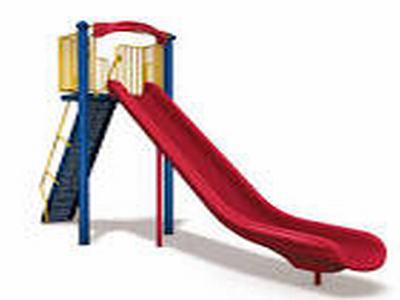
    slide(verb)

    /slaɪd/

    미끄러지다 (mikkeureojida)

    to move easily over a smooth or wet surface; to make something move in this way

    The drawers slide in and out easily.

    서랍이 쉽게 들락날락합니다. (seorabi swipge deullak nallakhamnida.)

    The automatic doors slid open.

    유의어glideslipskiddriftmove smoothly
    반의어stickstopcatchresist
  73. 73

    enter(verb)

    /ˈentər/

    들어가다, 들어오다

    to come or go into something

    Everyone stood up when the teacher entered the room.

    선생님이 교실에 들어오시자 모두 자리에서 일어났다.

    유의어go income inaccesspenetratejoininsert
    반의어exitleavewithdrawdeparteliminate
  74. 74

    grasp(verb)

    /ɡræsp/

    꽉 잡다, 움켜쥐다

    to take a strong hold of somebody/something

    She grasped the rope with both hands and pulled hard.

    그녀는 두 손으로 밧줄을 꽉 잡고 세게 당겼다.

    유의어understandingcomprehensionapprehensionknowledgeholdgrip
    반의어misunderstandingignorancereleaseloosen
  75. 75

    seek(verb)

    /siːk/

    찾다, 구하다

    to look for something/somebody

    The police are seeking the missing man throughout the entire county.

    경찰은 실종된 남성을 카운티 전역에서 찾고 있다.

    유의어searchlook forpursuehuntexplorerequestattempt
    반의어avoidignoreneglectabandonshunfinddiscover
  76. 76

    plunge(verb)

    /plʌndʒ/

    뛰어들다, 곤두박질치다

    to move or make somebody/something move suddenly forwards and/or downwards

    The car skidded on the ice and plunged into the river.

    그 차는 얼음 위에서 미끄러져 강으로 곤두박질쳤다.

    유의어divedropfalldescendnosedivetumble
    반의어risesoarascendincreasesurge
  77. 77

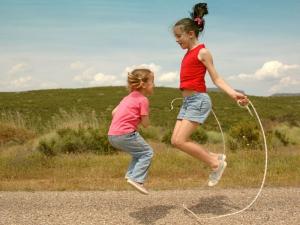
    skip(verb)

    /skɪp/

    깡충깡충 뛰다, 스킵하다

    to move forwards lightly and quickly making a little jump with each step

    The little girl skipped happily along the path to school.

    그 어린 소녀는 학교로 가는 길을 신나게 깡충깡충 뛰어갔다.

    유의어jumpleapboundhop
    반의어walkproceedcontinue
  78. 78

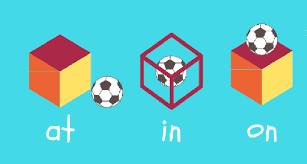
    on(preposition)

    /ɑːn/

    위에 (wie)

    in or into a position covering, touching or forming part of a surface

    The elephant is standing on the ball.

    코끼리가 공 위에 서 있습니다.

    유의어uponaboveatopover
    반의어underbelowbeneath
  79. 79

    behind(preposition)

    /bɪˈhaɪnd/

    뒤

    at or towards the back of somebody/something, and often hidden by it or them

    There's a cat behind the television.

    텔레비전 뒤에 고양이가 있다.

    유의어afterfollowingin back ofbeyondat the back of
    반의어in front ofaheadbefore
  80. 80

    overturn(verb)

    /ˌəʊvərˈtɜːrn/

    전복

    if something overturns , or if somebody overturns it, it turns into a position in which the top of it is where the bottom of it normally is or on its side

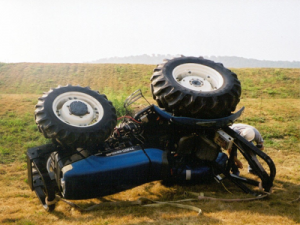
    The boat overturned and everyone fell into the water.

    배가 전복되어 모두 물에 빠졌습니다.

    유의어capsizetip overinvertupsetoverthrowreverse
    반의어rightstabilizeupholdsupportmaintain
  81. 81

    stumble(verb)

    /ˈstʌmbl/

    비틀거리다, 발이 걸려 넘어질 뻔하다

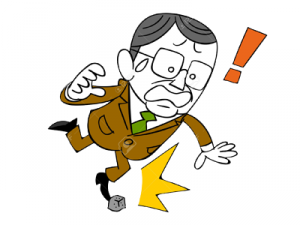
    to hit your foot against something while you are walking or running and almost fall

    I stumbled over a tree root.

    나는 나무뿌리에 걸려 넘어질 뻔했다.

    유의어tripfalterlurchtottermiss a step
    반의어stridemarchglidewalk steadily
  82. 82

    despite(preposition)

    /dɪˈspaɪt/

    에도 불구하고

    used to show that something happened or is true although something else might have happened to prevent it

    She went to work yesterday despite her illness.

    그녀는 어제 아팠음에도 불구하고 출근했다.

    유의어notwithstandingin spite ofregardless ofeven thoughalthough
    반의어because ofdue toowing to
  83. 83

    leap(verb)

    /liːp/

    뛰다, 뛰어오르다

    to jump high or a long way

    The cat leapt from the floor onto the top of the cupboard.

    고양이는 바닥에서 찬장 위로 뛰어올랐다.

    유의어jumpboundspringvaultsurgeincreaseadvancement
    반의어declinedecreasestagnationdescentstepwalk
  84. 84

    amid(preposition)

    /əˈmɪd/

    가운데

    in the middle of or during something, especially something that causes excitement or fear

    The company struggled amid rising costs.

    회사는 상승하는 비용 가운데 고전했다.

    유의어amongin the middle ofsurrounded byduring
    반의어away fromoutsidebeyond
  85. 85

    aside(adverb)

    /əˈsaɪd/

    곁에

    to one side; out of the way
    He pulled me aside to tell me a secret.

    그는 나를 옆으로 데려가 비밀을 말해줬다.

    유의어privatelyseparatelyon the sidein private
    반의어publiclyopenlybefore everyone
  86. 86

    backwards(adverb)

    /ˈbækwərdz/

    뒤로, 뒤쪽으로

    towards a place or position that is behind

    He walked backwards to avoid tripping.

    그는 넘어지지 않으려고 뒤로 걸었다.

    유의어reversedinvertedretrograderearward
    반의어forwardsonwardaheadadvancing
  87. 87

    beside(preposition)

    /bɪˈsaɪd/

    옆에

    next to or at the side of somebody/something

    The cat sat beside the fireplace.

    고양이가 벽난로 옆에 앉았다.

    유의어next toalongsideadjacent tonearclose to
    반의어far fromaway fromdistant from
  88. 88

    bounce(verb)

    /baʊns/

    튀다 (twida)

    if something bounces or you bounce it, it moves quickly away from a surface it has just hit or you make it do this

    The rubber ball began to bounce.

    고무공이 튀기 시작했다.

    유의어reboundspringrecoilricochet
    반의어falldropsettlesink
  89. 89

    crawl(verb)

    /krɔːl/

    기다 (gida)

    to move forward on your hands and knees or with your body close to the ground

    The baby began to crawl across the floor.

    아기가 바닥을 기기 시작했다.

    유의어creepinchwormslither
    반의어walkrunsprintstand
  90. 90

    creep(verb)

    /kriːp/

    살금살금 움직이다, 기어가다, 몰래 다가가다

    to move slowly, quietly and carefully, because you do not want to be seen or heard

    The cat crept slowly towards the bird without making a sound.

    고양이는 소리 없이 천천히 새를 향해 살금살금 다가갔다.

    유의어weirdopervertsleazecrawlinchskulk
    반의어angeldelightrushsprintdart
  91. 91

    descend(verb)

    /dɪˈsend/

    내려가다

    to come or go down from a higher to a lower level

    The airplane began to descend toward the airport.

    비행기가 공항을 향해 하강하기 시작했다.

    유의어falldropgo downplummet
    반의어ascendriseclimb
  92. 92

    flee(verb)

    /fliː/

    도망치다

    to leave a person or place very quickly, especially because you are afraid of possible danger

    The suspect tried to flee the scene.

    용의자는 현장에서 도망치려 했다.

    유의어escaperun awaydepartboltabscond
    반의어stayremainarriveconfrontface
  93. 93

    float(verb)

    /fləʊt/

    뜨다

    to move slowly on water or in the air

    A cork will float on water.

    코르크는 물에 뜰 것입니다.

    유의어drifthoverswimbob
    반의어sinkdescend
  94. 94

    grip(noun)

    /ɡrɪp/

    붙잡음

    an act of holding somebody/something tightly; a particular way of doing this

    She had a firm grip on the steering wheel.

    그녀는 핸들을 꽉 잡았다.

    유의어graspholdclutchseize
    반의어releaselooselet go
  95. 95

    lower(verb)

    /ˈləʊər/

    낮추다

    to reduce something or to become less in value, quality, etc.

    Please lower your voice.

    목소리를 낮춰 주세요.

    유의어reducedecreasediminishdepress
    반의어raiseincreaseelevateheighten
  96. 96

    seize(verb)

    /siːz/

    붙잡다, 움켜쥐다

    to take somebody/something in your hand suddenly and using force

    She seized my arm and pulled me away from the busy road.

    그녀는 내 팔을 붙잡고 붐비는 도로에서 나를 끌어냈다.

    유의어grabcapturetakeconfiscateapprehend
    반의어releasegivereturnfreerelinquish
  97. 97

    soar(verb)

    /sɔːr/

    날아오르다, 높이 날다

    to fly very high in the air or to stay high in the air

    The eagle soared through the sky.

    독수리가 하늘 높이 날아올랐다.

    유의어ascendriseflyclimbrocket
    반의어plummetdescenddropfall
  98. 98

    tighten(verb)

    /ˈtaɪtn/

    조이다

    to hold or fix something more securely in position; to make something or become more difficult to move, open or separate

    Please tighten the bolt.

    볼트를 조여 주세요.

    유의어securefastenconstrictclamp
    반의어loosenrelaxslacken
  99. 99

    toss(verb)

    /tɔːs/

    던지다

    to throw something lightly or carelessly

    Please toss the ball to me.

    저에게 공을 던져주세요.

    유의어throwflinghurlpitch
    반의어catchholdkeep
  100. 100

    vanish(verb)

    /ˈvænɪʃ/

    사라지다

    to disappear suddenly and/or in a way that you cannot explain

    The magician made the rabbit vanish.

    마술사는 토끼를 사라지게 만들었다.

    유의어disappearevaporatefadedissolve
    반의어appearmaterializeemerge
  101. 101

    settle(verb)

    /ˈsetl/

    내려앉다, 자리 잡다, 편히 앉다

    to come down and rest on something, or to make yourself comfortable in a new position

    A bird settled on the branch outside my window.

    새 한 마리가 내 창문 밖 나뭇가지에 내려앉았다.

  102. 102

    get(verb)

    /ɡet/

    도착하다, 다다르다

    to arrive at or reach a place or point

    What time did you get home last night after the party?

    어젯밤 파티가 끝나고 몇 시에 집에 도착했어?

  103. 103

    pursue(verb)

    /pərˈsuː/

    추적하다, 뒤쫓다

    to follow or chase somebody/something, especially in order to catch them

    The police pursued the stolen car along the motorway for several miles.

    경찰은 도난 차량을 고속도로를 따라 수 마일 동안 추적했다.

  104. 104

    against(preposition)

    /əˈɡenst/

    ~에 기대어, ~에 대고

    close to, touching or leaning on somebody/something for support

    He leaned his bike against the wall and went inside.

    그는 자전거를 벽에 기대어 세워 놓고 안으로 들어갔다.

  105. 105

    right(noun)

    /raɪt/

    오른쪽, 우측

    the right side or direction

    Go straight ahead and the museum is on your right.

    곧장 앞으로 가시면 박물관이 오른쪽에 있어요.

  106. 106

    within(preposition)

    /wɪˈðɪn/

    ~이내에, ~의 안에

    inside a particular area or space

    Please stay within the school grounds during the lunch break.

    점심시간에는 교내에 머물러 주세요.

  107. 107

    keep(verb)

    /kiːp/

    계속하다, ~하게 두다

    to continue doing something, or to make somebody/something stay in a particular state or position

    I'm very sorry to keep you waiting.

    기다리게 해서 정말 죄송합니다.

  108. 108

    mount(verb)

    /maʊnt/

    올라타다, 오르다

    to go up something, or to get onto a horse or bicycle

    She mounted her bicycle and rode away down the street.

    그녀는 자전거에 올라타고 길을 따라 달려갔다.