본문으로 건너뛰기

레슨 12/38 · 80단어 · 외운 단어 0

Sports Exercise

스포츠와 운동

  1. 1

    match(noun)

    /mætʃ/

    경기, 시합

    a sports event where people or teams compete against each other

    We watched an exciting football match on TV last night.

    우리는 어젯밤 텔레비전으로 흥미진진한 축구 경기를 보았다.

    유의어correspondequalfitcoordinateharmonizeresembleagree
    반의어mismatchdifferclashdisagreecontrast
  2. 2

    run(verb)

    /rʌn/

    달리다, 뛰다

    to move using your legs, going faster than when you walk

    The children run across the playground to catch the ball.

    아이들이 공을 잡으려고 운동장을 가로질러 달린다.

    유의어operatefunctionworkgoproceedflow
    반의어stophaltceaseidlebreakdown
  3. 3

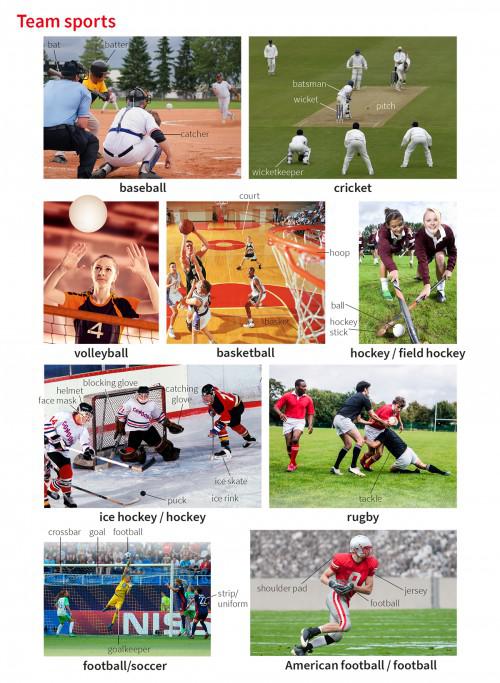
    goal(noun)

    /ɡəʊl/

    골대, 골문

    a frame with a net into which players must kick or hit the ball in order to score a point

    The ball flew past the goalkeeper and into the goal.

    공은 골키퍼를 지나 골대 안으로 날아 들어갔다.

    유의어objectiveaimtargetpurposeintentionambition
    반의어failureaimlessnessindecision
  4. 4

    jump(verb)

    /dʒʌmp/

    뛰다, 점프하다

    to move quickly off the ground or away from a surface by pushing yourself with your legs and feet

    She jumped down from the chair.

    그녀는 의자에서 뛰어내렸다.

    ‘Quick, jump!’ he shouted.

    유의어leapspringboundvaultbounceskip
    반의어falldropdescendstumble
  5. 5

    football(noun)

    /ˈfʊtbɔːl/

    축구

    a game played by two teams of 11 players, using a round ball that players kick up and down the playing field. Teams try to kick the ball into the other team’s goal.

    The kids were outside playing football.

    아이들은 밖에서 축구를 하고 있었어요.

    유의어soccergridiron
    반의어None
  6. 6

    swim(verb)

    /swɪm/

    수영하다 (suyeonghada)

    to move through water by moving your arms and legs, without touching the bottom

    She can swim very fast.

    그녀는 매우 빨리 수영할 수 있습니다. (Geunyeoneun maeu ppalli suyeonghal su isseumnida.)

    I can't swim.

    유의어floatpaddlestrokeglidedrift
    반의어sinkdrownfounder
  7. 7

    mountain(noun)

    /ˈmaʊntn/

    산 (san)

    a very high hill, often with rocks near the top

    The world’s highest mountain is Mount Everest.

    세계에서 가장 높은 산은 에베레스트 산입니다.

    to enjoy the mountain air/scenery

    유의어peakmountsummitridgehighland
    반의어valleyplainlowlanddepression
  8. 8

    defeat(verb)

    /dɪˈfiːt/

    이기다 (igida)

    to win against somebody in a war, competition, sports game, etc.

    If we can defeat the Italian team, we'll be through to the final.

    만약 우리가 이탈리아 팀을 이길 수 있다면, 우리는 결승에 진출할 것이다.

    a narrow/heavy defeat

    유의어vanquishovercomeconquerbeatroutsubdueoverthrowcrush
    반의어surrenderyieldsuccumblosefail
  9. 9

    game(noun)

    /ɡeɪm/

    게임

    an activity that you do to have fun, often one that has rules and that you can win or lose; the equipment for a game

    We often play games during recess.

    우리는 쉬는 시간에 종종 게임을 합니다.

    We're going to the ball game(= baseball game).

    유의어playcontestsportactivityrecreationentertainment
    반의어worklaborchoretaskstudy
  10. 10

    pitch(noun)

    /pɪtʃ/

    경기장 (gyeonggijang)

    an area of ground specially prepared and marked for playing a sports game

    The rugby tour was a disaster both on and off the pitch.

    그 럭비 투어는 경기장 안팎으로 재앙이었습니다. (geu reokbi tueoneun gyeonggijang anppageuro jaangieotseupnida.)

    a football/cricket/rugby pitch

    유의어fieldarenagroundturfareacourt
    반의어off-fieldoutsideindoorsbleachers
  11. 11

    strike(verb)

    /straɪk/

    파업

    to hit somebody/something hard or with force

    The train drivers have voted to take strike action.

    기차 운전사들은 파업을 하기로 투표했습니다.

    The train drivers have voted to take strike action.

    유의어work stoppagewalkoutboycottprotestindustrial action
    반의어workemploymentagreementsettlement
  12. 12

    coach(noun)

    /kəʊtʃ/

    코치, 감독

    a person who trains a person or team in sport

    Our football coach makes us run around the field before every practice.

    우리 축구 코치님은 매 연습 전에 우리에게 운동장을 뛰게 하신다.

    유의어busmotorcoachtour buscarriagetrainer
    반의어personal carwalkingairplane
  13. 13

    victory(noun)

    /ˈvɪktəri/

    승리 (seungri)

    success in a game, an election, a war, etc.

    She is confident of victory in Saturday's final.

    그녀는 토요일 결승전에서 승리할 것이라고 확신합니다.

    the team's 3–2 victory against Poland

    유의어triumphsuccesswinconquestachievement
    반의어defeatfailureloss
  14. 14

    runner(noun)

    /ˈrʌnər/

    달리기 선수

    a person or an animal that runs, especially one taking part in a race

    a long-distance/cross-country/marathon, etc. runner

    장거리/크로스컨트리/마라톤 등 주자

    a list of runners (= horses in a race) and riders

    유의어athletesprinterjoggerracercontestant
    반의어walkeridlerloungerstroller
  15. 15

    kick(verb)

    /kɪk/

    차다 (chada)

    to hit somebody/something with your foot

    The boys were kicking a ball around in the yard.

    소년들은 마당에서 공을 차고 있었다.

    She was punched and kicked by her attackers.

    유의어bootpuntthumpknockstrike
    반의어caressstrokepat
  16. 16

    winner(noun)

    /ˈwɪnər/

    승자 (seungja)

    a person, a team, an animal, etc. that wins something

    Johnson rode his 48th winner of the year.

    존슨은 올해 48번째 우승을 차지했습니다. (Jonseuneun olhae 48beonjjae useungeul chajihaetseupnida.)

    the Champions League winners

    유의어championvictorconquerortriumphatorfirst placetop dog
    반의어loserfailureunderdogvanquished
  17. 17

    race(noun)

    /reɪs/

    경주 (gyeongju)

    a competition between people, animals, vehicles, etc. to see which one is the faster or fastest

    He's already in training for the big race against Bailey.

    그는 이미 베일리와의 큰 경주를 위해 훈련 중입니다.

    a race between the two best runners of the club

    유의어competitioncontestchampionshipdashsprint
    반의어leisureambledawdlestroll
  18. 18

    racing(noun)

    /ˈreɪsɪŋ/

    경주, 레이싱

    the sport of taking part in races, for example of horses, cars or boats

    My brother loves watching motor racing on TV at the weekend.

    내 형은 주말에 TV로 자동차 경주 보는 것을 아주 좋아한다.

    유의어speedcompetitiverunninghigh-speed
    반의어stationarystillunhurriednon-competitive
  19. 19

    opponent(noun)

    /əˈpəʊnənt/

    상대 (sangdae)

    a person that you are playing or fighting against in a game, competition, argument, etc.

    In the second game, her opponent hurt her leg and had to retire.

    두 번째 경기에서, 그녀의 상대가 다리를 다쳐서 기권해야 했습니다.

    The team's opponents are unbeaten so far this season.

    유의어rivaladversaryantagonistcompetitorfoe
    반의어allyfriendsupporterteammateassociate
  20. 20

    fight(verb)

    /faɪt/

    싸우다, 다투다

    to use physical force against somebody, or to take part in a war or battle

    The two boys started to fight in the playground after school.

    그 두 소년은 방과 후 운동장에서 싸우기 시작했다.

    유의어brawlscuffleclashconflictstrugglebattlecombataltercation
    반의어peaceharmonyagreementaccordconciliation
  21. 21

    running(noun)

    /ˈrʌnɪŋ/

    달리기

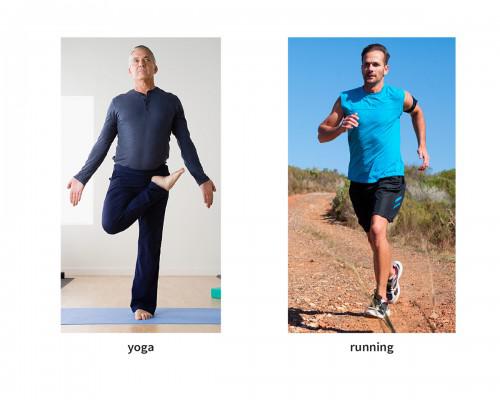
    the action or sport of running

    running shoes

    운동화

    to go running

    유의어sprintingdashingracingjoggingoperating
    반의어walkingstationaryidlestillstopped
  22. 22

    play(verb)

    /pleɪ/

    놀다 (nolda)

    to do things for pleasure, as children do; to enjoy yourself, rather than work

    All kids like playing.

    모든 아이들은 노는 것을 좋아합니다. (Modeun aideureun noneun geoseul joahamnida.)

    the importance of learning through play

    유의어gamerecreationfunfrolicsportamusemententertainmentperform
    반의어worklaborstudyserious
  23. 23

    win(verb)

    /wɪn/

    이기다, 승리하다

    to be the most successful in a competition, race, battle, etc.

    Which team won?

    어느 팀이 이겼어?

    to win an election/a game/a war, etc.

    유의어triumphsucceedprevailconquerachieveattain
    반의어losefailforfeitdefeat
  24. 24

    player(noun)

    /ˈpleɪər/

    선수

    a person who takes part in a game or sport

    This game needs two players.

    이 게임은 두 명의 선수가 필요합니다.

    a midfield player

    유의어participantcompetitorcontestantperformerathletegamer
    반의어spectatorobserverbystandernonparticipant
  25. 25

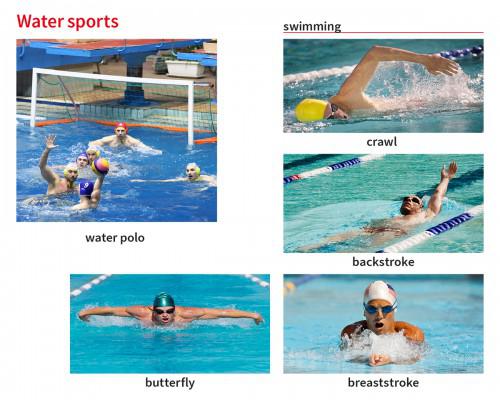
    swimming(noun)

    /ˈswɪmɪŋ/

    수영 (suyeong)

    the sport or activity of swimming

    Swimming is a good form of exercise.

    수영은 좋은 운동 방법입니다. (Suyeongeun joeun undong bangbeopimnida.)

    She arrived shortly after us.

    유의어bathingfloatingstrokediving
    반의어sinkingdrowningstaying dry
  26. 26

    stretch(verb)

    /stretʃ/

    늘이다, 뻗다, 늘어나다

    to make something longer, wider or looser, for example by pulling it; to become longer, etc. in this way

    She stretched out her arm and back.

    그녀는 팔과 등을 쭉 뻗었다.

    This sweater has stretched.

    유의어extendelongatereachstrainexpandlengthen
    반의어shortencompresscontractshrink
  27. 27

    score(noun)

    /skɔːr/

    점수, 득점, 스코어

    the number of points, goals, etc. scored by each player or team in a game or competition

    The score of the match was 3-2.

    경기 스코어는 3대 2였다.

    What's the score now?

    유의어resulttotalcountgrademarkpointachievement
    반의어failureloss
  28. 28

    sport(noun)

    /spɔːrt/

    스포츠

    activity that you do for pleasure and that needs physical effort or skill, usually done in a special area and according to fixed rules

    I like this sport.

    저는 이 스포츠를 좋아합니다.

    There are excellent facilities for sport and recreation.

    유의어gameactivityexerciserecreationathletics
    반의어inactivitysedentarinessstillness
  29. 29

    hunting(noun)

    /ˈhʌntɪŋ/

    사냥

    going after and killing wild animals as a sport or for food

    to go hunting

    사냥하러 가다

    In the tiger, evolution has produced a perfect hunting machine.

    유의어chasingstalkingpursuitfishingtrapping
    반의어protectionconservationpreservationrefuge
  30. 30

    throw(verb)

    /θrəʊ/

    던지다

    to send something from your hand through the air by moving your hand or arm quickly

    You shouldn't throw trash out the window.

    창밖으로 쓰레기를 던지면 안 됩니다.

    They had a competition to see who could throw the furthest.

    유의어tosshurlflingpitchcastpropel
    반의어catchgrabholdkeepretain
  31. 31

    ball(noun)

    /bɔːl/

    공

    a round object used for throwing, hitting or kicking in games and sports

    Bounce the ball and try and hit it over the net

    공을 튀겨서 네트 위로 쳐 보세요.

    a golf/tennis/cricket ball

    유의어sphereglobeorbround
    반의어none (in the sense of a specific object)irregular shape
  32. 32

    climb(verb)

    /klaɪm/

    오르다, 올라가다

    to go up something towards the top

    Bears can climb trees very well to find food.

    곰은 먹이를 찾으려고 나무를 아주 잘 탄다.

    유의어ascendmountscalerisego up
    반의어descendfalldropdeclinego down
  33. 33

    lost(adjective)

    /lɔːst/

    길을 잃은

    unable to find your way; not knowing where you are

    We always get lost in London.

    우리는 항상 런던에서 길을 잃는다.

    We're completely lost.

    유의어misplacedgone astraymissingdisorientedconfused
    반의어foundlocatedsavedon coursedirected
  34. 34

    outdoor(adjective)

    /ˈaʊtdɔːr/

    야외

    used, happening or located outside rather than in a building

    outdoor clothing/activities

    야외 의류/활동

    I'm not really the outdoor type(= I prefer indoor activities).

    유의어exteriorexternalopen-airout-of-doorsal fresco
    반의어indoorinternalinside
  35. 35

    basketball(noun)

    /ˈbæskɪtbɔːl/

    농구

    a game played by two teams of five players, using a large ball which players try to throw into a high net hanging from a ring

    He likes playing basketball.

    그는 농구하는 것을 좋아합니다.

    유의어hoopsb-ball
    반의어N/A (not typically used with antonyms)
  36. 36

    gym(noun)

    /dʒɪm/

    헬스장

    a room or hall with equipment for doing physical exercise, for example in a school

    They had swimming pools, gyms, tennis courts and all that.

    그들은 수영장, 헬스장, 테니스 코트 등을 가지고 있었습니다.

    유의어fitness centerhealth clubworkout room
    반의어None (generally doesn't have a direct antonym. Opposite would be inactivitybut not a place)
  37. 37

    golf(noun)

    /ɡɑːlf/

    골프 (golpeu)

    a game played over a large area of ground using sticks with a special shape to hit a small hard ball (a golf ball ) into a series of 9 or 18 holes, using as few shots as possible

    He plays golf every Sunday.

    그는 매주 일요일에 골프를 쳐요. (Geuneun maeju illyoire golpeureul chyeoyo.)

    유의어the sport of golflinks
    반의어N/A (as a sportit doesn't have a direct antonym)
  38. 38

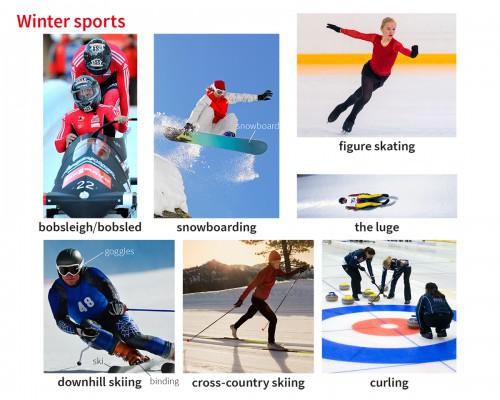
    skiing(noun)

    /ˈskiːɪŋ/

    스키

    the sport or activity of moving over snow on skis

    We went skiing in the mountains last winter.

    지난 겨울에 우리는 산에서 스키를 탔습니다.

    유의어snow skiingslalomdownhill skiing
    반의어none (as a direct activity)
  39. 39

    loss(noun)

    /lɔːs/

    손실 (sonshil)

    the state of no longer having something or as much of something; the process that leads to this

    He suffered a hearing loss.

    그는 청력 손실을 겪었다. (Geuneun cheongnyeok sonsireul gyeokeotta.)

    유의어detrimentmisfortunedefeatfailureprivationbereavementdamagewaste
    반의어gainprofitvictorysuccessadvantage
  40. 40

    soccer(noun)

    /ˈsɑːkər/

    축구

    a game played by two teams of 11 players, using a round ball which players kick up and down the playing field. Teams try to kick the ball into the other team’s goal.

    We usually play soccer after school.

    우리는 보통 방과 후에 축구를 합니다.

    유의어footballassociation football
    반의어N/A (difficult to have a direct antonym)
  41. 41

    stadium(noun)

    /ˈsteɪdiəm/

    경기장

    a large sports ground surrounded by rows of seats and usually other buildings

    My family is going to the stadium to watch sport events tomorrow.

    내일 우리 가족은 스포츠 경기를 보러 경기장에 갈 거예요.

    유의어arenafieldgroundbowlcoliseum
    반의어houseofficehome
  42. 42

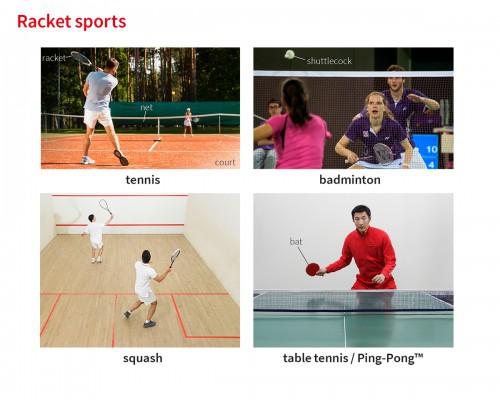
    tennis(noun)

    /ˈtenɪs/

    테니스

    a game in which two or four players use rackets to hit a ball backwards and forwards across a net on a specially marked court

    I am playing tennis.

    나는 테니스를 치고 있다.

    유의어lawn tenniscourt tennis
    반의어court tennisdeck tennislawn tennistablet tennistennistennis-balltennis-court
  43. 43

    fixture(noun)

    /ˈfɪkstʃər/

    경기 일정, 예정된 경기

    a sports event that has been arranged to take place on a particular date and at a particular place

    Our team's next home fixture is against the league leaders on Saturday.

    우리 팀의 다음 홈 경기는 토요일에 있을 선두 팀과의 경기이다.

    유의어attachmentapplianceequipmentfittinginstallation
    반의어detachmentremovalunfixed
  44. 44

    champion(noun)

    /ˈtʃæmpiən/

    챔피언

    a person, team, etc. that has won a competition, especially in a sport

    She is the world champion for the third year in succession.

    그녀는 3년 연속 세계 챔피언입니다.

    유의어winnerconquerorvictortitleholderheroadvocatedefender
    반의어loserdefeatedchallengeropponentunderdog
  45. 45

    championship(noun)

    /ˈtʃæmpiənʃɪp/

    선수권 대회

    a competition to find the best player or team in a particular sport

    The world championships will be held in Scotland next year.

    세계 선수권 대회는 내년에 스코틀랜드에서 개최될 예정입니다.

    유의어titlecrownpremiershipcompetitiontournamentfinal
    반의어defeatlosseliminationfailure
  46. 46

    tournament(noun)

    /ˈtʊrnəmənt/

    토너먼트

    a sports competition involving a number of teams or players who take part in different games and must leave the competition if they lose. The competition continues until there is only the winner left.

    They were defeated in the first round of the tournament.

    그들은 토너먼트 첫 라운드에서 패배했다.

    유의어competitionchampionshipcontestmeetgamesevent
    반의어practiceexhibitionfriendlydemonstration
  47. 47

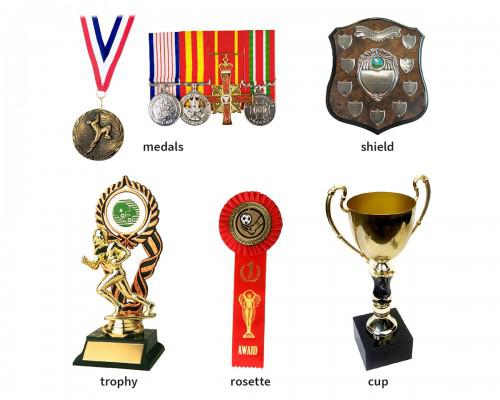
    trophy(noun)

    /ˈtrəʊfi/

    트로피

    an object such as a silver cup that is given as a prize for winning a competition

    Brazil became the first team to win the trophy five times.

    브라질은 트로피를 5번 우승한 첫 번째 팀이 되었습니다.

    유의어awardprizecupplaquemedal
    반의어penaltypunishmentforfeitlossdefeat
  48. 48

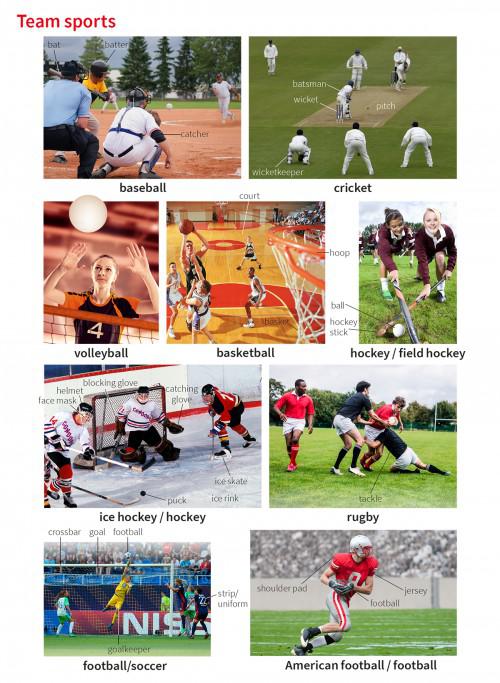
    rugby(noun)

    /ˈrʌɡbi/

    럭비

    a game played by two teams of 13 or 15 players, using an oval ball which may be kicked or carried. Teams try to put the ball over the other team’s line.

    He is a really good rugby player.

    그는 정말 훌륭한 럭비 선수입니다.

    유의어ruggerfootball (in some contexts)
    반의어N/A (Rugby is a specific sport with no direct antonym)
  49. 49

    hockey(noun)

    /ˈhɑːki/

    하키

    a game played on a field by two teams of 11 players, with curved sticks and a small hard ball. Teams try to hit the ball into the other team’s goal.

    He started playing hockey at the age of 10.

    그는 10살 때 하키를 시작했다.

    유의어field hockeyice hockeygame
    반의어N/A
  50. 50

    spectacular(adjective)

    /spekˈtækjələr/

    장관의

    very impressive

    From the window you can have a spectacular view of the mountain.

    창문에서 산의 장관을 볼 수 있습니다.

    유의어amazingimpressivemagnificentstrikingwonderfulbreathtakingstunning
    반의어ordinarycommonmundaneunimpressivedull
  51. 51

    spectator(noun)

    /ˈspekteɪtər/

    관객 (gwan-gaek)

    a person who is watching an event, especially a sports event

    The singer performed in front of 2000 cheerful spectators.

    그 가수는 2000명의 쾌활한 관객 앞에서 공연했습니다.

    유의어viewerobserveronlookerwitnessaudience member
    반의어performerparticipantplayeractor
  52. 52

    referee(noun)

    /ˌrefəˈriː/

    심판, 주심

    the official who controls the game in some sports

    The referee blew his whistle and showed the player a red card.

    심판이 호루라기를 불고 그 선수에게 레드카드를 보여 주었다.

    유의어umpirejudgemediatorarbitratormoderatorofficial
    반의어participantcompetitorplayer
  53. 53

    amateur(adjective)

    /ˈæmətər/

    아마추어

    doing something for pleasure or interest, not as a job

    He is an amateur photographer, but his pictures are surprisingly good.

    그는 아마추어 사진작가이지만, 그의 사진은 놀라울 정도로 좋습니다.

    유의어novicebeginnerrookielaymannonprofessional
    반의어professionalexpertmasterveteran
  54. 54

    athlete(noun)

    /ˈæθliːt/

    운동선수 (undong seonsu)

    a person who competes in sports

    The athlete trained hard for the Olympics.

    그 운동선수는 올림픽을 위해 열심히 훈련했습니다.

    유의어jocksportsmansportswomancompetitorplayer
    반의어non-athletespectatorcouch potato
  55. 55

    baseball(noun)

    /ˈbeɪsbɔːl/

    야구 (yagu)

    a game played especially in the US by two teams of nine players, using a bat and ball. Each player tries to hit the ball and then run around four bases before the other team can return the ball.

    I enjoy watching baseball games.

    저는 야구 경기 보는 것을 좋아합니다. (Jeoneun yagu gyeonggi boneun geoseul joahamnida.)

    유의어hardballthe national pastime
  56. 56

    bat(noun)

    /bæt/

    배트, 방망이, 라켓

    a piece of wood with a handle, made in various shapes and sizes, and used for hitting the ball in games such as baseball, cricket and table tennis

    He hit the ball hard with his new cricket bat.

    그는 새 크리켓 배트로 공을 세게 쳤다.

    유의어flittermouseflying mammal
    반의어bird (in some contexts)
  57. 57

    chase(verb)

    /tʃeɪs/

    쫓다

    to run, drive, etc. after somebody/something in order to catch them or it

    The dog began to chase the squirrel up the tree.

    개는 나무 위로 다람쥐를 쫓기 시작했습니다.

    유의어pursuefollowhunttrackdogrun after
    반의어fleeescapeavoidevade
  58. 58

    defender(noun)

    /dɪˈfendər/

    수비수, 수비 선수

    a player who must stop the other team from scoring in games such as football (soccer), hockey, etc.

    Our best defender stopped the striker just before he could score.

    우리 팀 최고의 수비수가 스트라이커가 득점하기 직전에 막아냈다.

    유의어protectorguardianchampionadvocate
    반의어attackeropponentadversaryenemy
  59. 59

    fighting(noun)

    /ˈfaɪtɪŋ/

    전투, 교전, 싸움

    the activity of being involved in a battle against an enemy

    Heavy fighting broke out near the border late last night.

    어젯밤 늦게 국경 부근에서 격렬한 교전이 벌어졌다.

    유의어combatstrugglebattlewarfare
    반의어peacesurrenderagreement
  60. 60

    hunt(verb)

    /hʌnt/

    사냥하다

    to go after wild animals in order to catch or kill them for food, sport or to make money

    The hunters went to hunt deer in the forest.

    사냥꾼들은 숲으로 사슴을 사냥하러 갔다.

    유의어pursuesearchtrackchase
    반의어avoidignorefleeneglect
  61. 61

    kit(noun)

    /kɪt/

    운동복, 장비 세트, 용품

    a set of clothes and equipment that you use for a particular sport or activity

    Don't forget to bring your football kit to practice tomorrow.

    내일 연습에 축구 유니폼과 장비를 꼭 챙겨 오세요.

    유의어setpackagecollectionequipment
    반의어individualsingle
  62. 62

    league(noun)

    /liːɡ/

    연맹

    a group of sports teams who all play each other to earn points and find which team is best

    The football league is very competitive.

    그 축구 리그는 매우 경쟁적입니다.

    유의어allianceassociationconfederationfederation
    반의어individualseparation
  63. 63

    marathon(noun)

    /ˈmærəθɑːn/

    마라톤

    a long running race of about 42 kilometres, or 26 miles

    He ran a marathon last weekend.

    그는 지난 주말에 마라톤을 완주했다.

    유의어long-distance raceendurance test
    반의어sprintdash
  64. 64

    martial(adjective)

    /ˈmɑːrʃl/

    무술의, 전투의, 호전적인

    connected with fighting or war

    She practises martial arts such as karate and judo every weekend.

    그녀는 매주 주말마다 가라테와 유도 같은 무술을 연습한다.

    유의어militarysoldierlywarlikecombative
    반의어civilianpeacefulnonviolent
  65. 65

    medal(noun)

    /ˈmedl/

    메달

    a flat piece of metal, usually like a coin in shape, that is given to the winner of a competition or to somebody who has been brave, for example in war

    The athlete won a gold medal.

    그 운동선수는 금메달을 땄다.

    유의어awardprizedecoration
    반의어penaltyforfeit
  66. 66

    ski(noun)

    /skiː/

    스키

    one of a pair of long narrow pieces of wood, metal or plastic that you attach to boots so that you can move smoothly over snow

    She bought a new pair of skis for her winter holiday.

    그녀는 겨울 휴가를 위해 새 스키 한 벌을 샀다.

    유의어glidesnowboard (related)slide
    반의어walkhikeclimb
  67. 67

    spectacle(noun)

    /ˈspektəkl/

    장관, 볼거리, 구경거리

    a performance or an event that is very impressive and exciting to look at

    The fireworks display was quite a spectacle.

    불꽃놀이는 대단한 장관이었다.

    유의어displayshowsightscene
    반의어inconspicuousnessordinariness
  68. 68

    sporting(adjective)

    /ˈspɔːrtɪŋ/

    스포츠의, 운동의

    connected with sports

    The city hosts many major sporting events every year.

    그 도시는 매년 많은 주요 스포츠 행사를 개최한다.

    유의어fairgenerousgraciousgentlemanlysportsmanlike
    반의어unsportingunfairungenerous
  69. 69

    squad(noun)

    /skwɑːd/

    선수단, 대표팀

    a group of players, runners, etc. from which a sports team is chosen

    The soccer squad trained hard for the championship.

    축구 대표팀은 챔피언십을 위해 열심히 훈련했다.

    유의어teamgroupcrewbandunit
    반의어individualloner
  70. 70

    draw(noun)

    /drɔː/

    무승부, 비김

    a game in which both teams or players finish with the same score

    The match ended in a draw, with both teams scoring two goals.

    경기는 양 팀이 각각 두 골씩 넣으며 무승부로 끝났다.

  71. 71

    record(noun)

    /ˈrekərd/

    기록, 신기록

    the best result or the fastest time ever achieved in a sport

    She broke the world record for the 100 metres at the Asian Games.

    그녀는 아시안 게임 100미터 경기에서 세계 신기록을 세웠다.

  72. 72

    point(noun)

    /pɔɪnt/

    점수, 득점

    a mark or score that is won in a game or sports competition

    Our team won the basketball match by three points.

    우리 팀이 농구 경기에서 3점 차로 이겼다.

  73. 73

    lose(verb)

    /luːz/

    지다, 패배하다

    to be defeated; to fail to win a competition, a game, an election, etc.

    Our team lost the match 2–1 on Saturday afternoon.

    우리 팀은 토요일 오후 경기에서 2대 1로 졌다.

  74. 74

    captain(noun)

    /ˈkæptɪn/

    주장

    the leader of a sports team

    She was chosen as captain of the school football team this year.

    그녀는 올해 학교 축구팀의 주장으로 뽑혔다.

  75. 75

    field(noun)

    /fiːld/

    경기장, 운동장

    an area of land used for playing sports or games

    The players ran onto the football field before the match began.

    선수들은 경기가 시작되기 전에 축구장으로 뛰어 나갔다.

  76. 76

    defend(verb)

    /dɪˈfend/

    수비하다, 방어하다

    to protect your own goal or position in a game so that the other team cannot score

    Our team had to defend well in the second half to keep the lead.

    우리 팀은 리드를 지키기 위해 후반전에 수비를 잘해야 했다.

  77. 77

    gold(noun)

    /ɡəʊld/

    금메달

    a gold medal, given to the winner of a race or competition

    She won gold in the 100 metres at the Olympic Games.

    그녀는 올림픽 100미터 경기에서 금메달을 땄다.

  78. 78

    silver(noun)

    /ˈsɪlvər/

    은메달

    a silver medal, given to the person or team that comes second in a race or competition

    She won silver in the 200 metres at the Olympic Games.

    그녀는 올림픽 200미터 경기에서 은메달을 땄다.

  79. 79

    title(noun)

    /ˈtaɪtl/

    타이틀, 우승, 챔피언 자리

    the position of being the winner of a competition, especially a sports competition

    Brazil has won the World Cup title five times.

    브라질은 월드컵 우승을 다섯 번 차지했다.

  80. 80

    defence(noun)

    /dɪˈfens/

    수비진, 수비수

    the players in a team whose main job is to stop the other team from scoring

    Our team has the strongest defence in the league this season.

    우리 팀은 이번 시즌 리그에서 가장 강한 수비진을 갖고 있다.