본문으로 건너뛰기

레슨 11/38 · 152단어 · 외운 단어 0

Travel Transport

여행과 교통

  1. 1

    accommodate(verb)

    /əˈkɑːmədeɪt/

    수용하다, 묵게 하다

    to provide somebody with a room or place to sleep, live or sit

    The conference hotel can accommodate up to 500 guests

    그 회의장 호텔은 최대 500명의 투숙객을 수용할 수 있다.

    유의어holdcontainfithouselodgeshelteradaptadjust
    반의어excluderejectrefusedisobligeinconvenienceclashmisfit
  2. 2

    location(noun)

    /ləʊˈkeɪʃn/

    위치 (wichi)

    a place where something happens or exists; the position of something

    The location of the meeting was changed from the Red Room to the Green Room

    회의 장소가 빨간 방에서 초록 방으로 변경되었습니다.

    Disney World was the perfect location for the annual meeting since many members could bring their families

    유의어placesitespotpositionareavenuelocale
    반의어displacementremovalrelocationmobility
  3. 3

    ship(noun)

    /ʃɪp/

    배, 선박

    a large boat that carries people or goods by sea

    The big ship sails across the sea to another country.

    큰 배가 바다를 건너 다른 나라로 항해한다.

    유의어sendtransportdispatchconveydeliver
    반의어keepretainhold
  4. 4

    forecast(noun)

    /ˈfɔːrkæst/

    판매 예측, 매출 전망, 수요 예측

    a statement of expected future sales or results, based on current information and data

    Each manager must submit a sales forecast by the fifth of every month.

    각 매니저는 매월 5일까지 판매 예측을 제출해야 한다.

    Our forecast for the third quarter was too optimistic.

    유의어predictprojectanticipateestimateexpectforesee
    반의어recollectrememberrecountreportdocument
  5. 5

    arrive(verb)

    /əˈraɪv/

    도착하다

    to get to a place, especially at the end of a journey

    By the time our meal arrived, it was cold

    음식이 도착했을 때 이미 차가웠어요.

    Frank arrived at the restaurant only minutes after Claudia left

    유의어reachget toshow upturn upappearenter
    반의어leavedepartgoexit
  6. 6

    depart(verb)

    /dɪˈpɑːrt/

    출발하다

    to leave a place, especially to start a trip

    Flights for Rome depart from Terminal 3.

    로마행 비행기는 3번 터미널에서 출발합니다.

    유의어leaveset offgoexitstarttake off
    반의어arrivestayremaincome
  7. 7

    destination(noun)

    /ˌdestɪˈneɪʃn/

    목적지, 여행지, 관광지

    a place that people travel to, especially a city, region or country visited by tourists

    Phu Quoc has become a top beach destination for Korean travellers.

    푸꾸옥은 한국인 여행객들에게 인기 있는 해변 휴양지가 되었다.

    Your bags will be checked through to your final destination.

    유의어placelocationendgoalobjectiveterminus
    반의어originsourcestartdeparture
  8. 8

    fare(noun)

    /fer/

    운임, 요금, 승차권 요금

    the money a passenger pays to travel on a bus, train, plane, taxi or boat

    Children under five travel free, and older children pay half fare.

    5세 미만 어린이는 무료이며, 그 이상의 어린이는 반값 운임을 낸다.

    Air fares rise sharply before the Lunar New Year.

    유의어pricechargefeepassagecost
    반의어freecomplimentarygratis
  9. 9

    driver(noun)

    /ˈdraɪvər/

    운전사 (unjeonsa)

    a person who drives a vehicle

    My uncle is a truck driver.

    나의 삼촌은 트럭 운전사입니다.

    The car comes equipped with a driver's airbag.

    유의어operatorchauffeurmotoristpilotengineer
    반의어passengerpedestrianrider
  10. 10

    pack(verb)

    /pæk/

    짐을 싸다, 포장하다

    to put clothes, etc. into a bag in preparation for a trip away from home

    Don't forget to pack your passport before the trip.

    여행 가기 전에 여권 챙기는 것 잊지 마.

    유의어bundlepackageparcelcollectiongroup
    반의어dispersescatterindividual
  11. 11

    highway(noun)

    /ˈhaɪweɪ/

    고속도로 (gosok doro)

    a main road for travelling long distances, especially one connecting and going through cities and towns

    There have been many accidents on this highway.

    이 고속도로에서 많은 사고가 있었습니다.

    Highway patrol officers closed the road.

    유의어freewayexpresswaythruwayturnpikemotorway
    반의어side streetback roadcountry lanealley
  12. 12

    border(noun)

    /ˈbɔːrdər/

    국경, 경계

    the line that divides two countries or areas; the land near this line

    We crossed the border into France early in the morning.

    우리는 아침 일찍 국경을 넘어 프랑스로 들어갔다.

    유의어boundaryedgemarginfrontiervergerimperimeter
    반의어centermiddleinterior
  13. 13

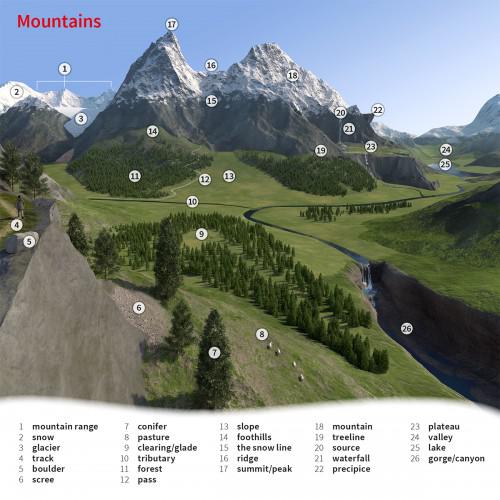
    track(noun)

    /træk/

    오솔길, 좁은 길

    a rough path or road, usually one that has not been built but has been made by people or vehicles passing

    a muddy track through the forest

    숲을 가로지르는 진흙투성이 길

    a thorough knowledge of the subject

    유의어pathtrailroutecourseway
    반의어blockageobstacledetour
  14. 14

    traffic(noun)

    /ˈtræfɪk/

    교통

    the vehicles that are on a road at a particular time

    They were stuck in traffic and missed their flight.

    그들은 교통 체증에 갇혀 비행기를 놓쳤다.

    There's a lot of traffic today on the road!

    유의어congestiongridlockjamblockage
    반의어clear roadopen roadfree-flowing
  15. 15

    walk(verb)

    /wɔːk/

    걷다 (geotda)

    to move or go somewhere by putting one foot in front of the other on the ground, but without running

    I often walk to school.

    저는 학교에 자주 걸어갑니다. (Jeoneun hakgyoe jaju georeo gamnida.)

    The door opened and Jo walked in.

    유의어strollamblepacehiketreadmarchsaunter
    반의어runsprintridedriveflystay
  16. 16

    locate(verb)

    /ˈləʊkeɪt/

    위치하다, ~에 두다

    to put or build something in a particular place; (be located) to be in a particular place

    The Temple of Literature is located in the centre of Hanoi.

    문묘(文廟)는 하노이 중심부에 위치해 있다.

    Rescue planes are trying to locate the missing sailors.

    유의어finddiscoverdetectpinpointplaceposition
    반의어losemisplacedisplacemiss
  17. 17

    park(noun)

    /pɑːrk/

    공원 (gong-won)

    an area of public land in a town or a city where people go to walk, play and relax

    There are many big trees in this park.

    이 공원에는 큰 나무가 많이 있습니다.

    We went for a walk in the park.

    유의어gardenplaygroundrecreation groundgreen spacecommonreserve
    반의어buildingstructureenclosurefactoryindustrial area
  18. 18

    trip(noun)

    /trɪp/

    여행 (yeohaeng)

    a journey to a place and back again, especially a short one for pleasure or a particular purpose

    Did you have a good trip?

    여행 잘 다녀오셨어요? (Yeohaeng jal danyeoosyeosseoyo?)

    유의어journeyexcursiontourvoyageoutingexpedition
    반의어stayresidencehomesettlement
  19. 19

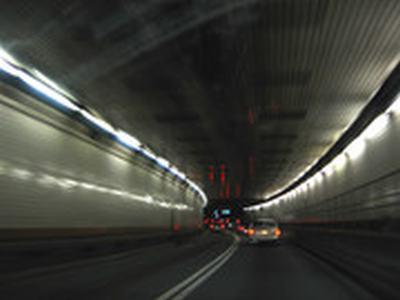
    tunnel(noun)

    /ˈtʌnl/

    터널

    a passage built underground, for example to allow a road or railway to go through a hill, under a river, etc.

    a railway/railroad tunnel

    철도 터널

    the Channel Tunnel

    유의어passagewayunderpasssubwayboreexcavationshaft
    반의어open spacesurface
  20. 20

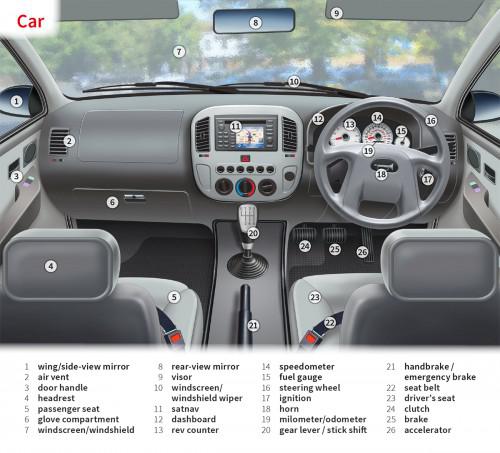
    gear(noun)

    /ɡɪr/

    기어 (gieo)

    equipment in a vehicle that changes the relation between engine speed (or pedal speed on a bicycle) and the speed of the wheels moving forwards or backwards

    The car pulled up with a screech of brakes and a grinding of gears.

    차가 브레이크 소리와 기어가 갈리는 소리를 내며 멈춰 섰다.

    Careless use of the clutch may damage the gears.

    유의어cogmechanismequipmentapparatustackle
    반의어stasisinertiadisconnection
  21. 21

    packet(noun)

    /ˈpækɪt/

    갑, 봉지, 포장 용기

    a small container made of paper or card in which goods are packed for selling

    She bought a packet of biscuits at the shop near our school.

    그녀는 우리 학교 근처 가게에서 비스킷 한 갑을 샀다.

    유의어packagecontainerwrapbundlecollection
    반의어bulklooseindividual
  22. 22

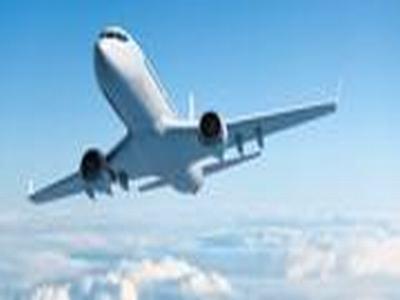
    plane(noun)

    /pleɪn/

    비행기 (bihaenggi)

    a flying vehicle with wings and one or more engines

    They boarded the plane and flew to Chicago.

    그들은 비행기를 타고 시카고로 날아갔습니다.

    The plane is packed with 300 passengers.

    유의어aircraftairplanejetairliner
    반의어groundseatrainboat
  23. 23

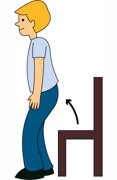
    stand(verb)

    /stænd/

    서다 (seoda)

    to be on your feet; to be in a vertical position

    We all stood around in the corridor waiting.

    우리 모두 복도에 서서 기다렸어요.

    a bird standing on one leg

    유의어remainriseenduretoleratewithstandsupportbear
    반의어sitliefallcollapse
  24. 24

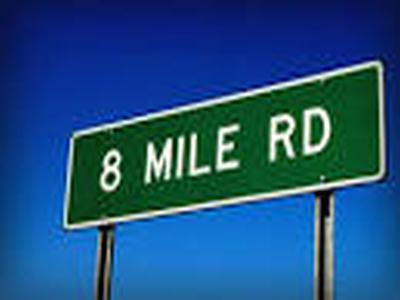
    mile(noun)

    /maɪl/

    마일

    a unit for measuring distance equal to 1 609 metres or 1 760 yards

    We did about 30 miles a day on our cycling trip.

    자전거 여행에서 하루에 약 30마일을 갔습니다.

    a mile-long procession

    유의어leaguedistancestretchextent
    반의어inchcentimetermillimeter
  25. 25

    car(noun)

    /kɑːr/

    차 (cha)

    a road vehicle with an engine and four wheels that can carry a small number of passengers

    You might want to rent a car when you go on vacation.

    휴가를 갈 때 차를 렌트하는 것이 좋을 수도 있습니다. (hyugareul gal ttae chareul renteuhaneun geosi joeul sudo itseumnida.)

    유의어automobilevehicle
    반의어nonefootbike
  26. 26

    camping(noun)

    /ˈkæmpɪŋ/

    캠핑

    living in a tent, etc. on holiday

    Do you go camping?

    캠핑 가세요?

    a camping trip

    유의어tentingoutdoorsroughing itouting
    반의어indoorsstaying homehotelurban
  27. 27

    sail(verb)

    /seɪl/

    항해하다

    to travel on water using sails or an engine

    My friends taught me how to sail.

    내 친구들이 나에게 항해하는 방법을 가르쳐 주었다.

    to sail into harbour

    유의어navigatecruisevoyageplyboat
    반의어stayremainanchormoor
  28. 28

    railway(noun)

    /ˈreɪlweɪ/

    철도 (cheoldo)

    a track with rails on which trains run

    The railway is still under construction.

    철도는 아직 건설 중입니다.

    Have you ever traveled by rail?

    유의어railroadtracktrain line
    반의어roadhighwayairway
  29. 29

    motor(noun)

    /ˈməʊtər/

    모터

    a device that uses electricity, petrol, etc. to produce movement and makes a machine, a vehicle, a boat, etc. work

    an electric motor

    전기 모터

    He started the motor.

    유의어enginemachinegenerator
    반의어none (usually relies on something else for motion)static component
  30. 30

    motorcycle(noun)

    /ˈməʊtərsaɪkl/

    오토바이

    a road vehicle with two wheels, driven by an engine, with one seat for the driver and often a seat for a passenger behind the driver

    Riding a motorcycle can be fun and exciting, but it's also dangerous.

    오토바이를 타는 것은 재미있고 신날 수 있지만 위험하기도 합니다.

    유의어bikemotorbikecycle
    반의어carautomobile
  31. 31

    stop(verb)

    /stɑːp/

    서다, 멈추다

    to no longer move; to make somebody/something no longer move

    The bus stops right outside our school every morning.

    버스는 매일 아침 우리 학교 바로 앞에 선다.

    유의어ceasehaltendfinishquitterminatearrest
    반의어startbegincontinueproceedadvancepersist
  32. 32

    bicycle(noun)

    /ˈbaɪsɪkl/

    자전거 (jajeongeo)

    a road vehicle with two wheels that you ride by pushing the pedals with your feet

    We went for a bicycle ride on Sunday.

    우리는 일요일에 자전거를 타러 갔습니다.

    One of the best ways to see the countryside is to ride a bicycle.

    유의어bikecycletwo-wheeler
    반의어carmotorcyclevehicle
  33. 33

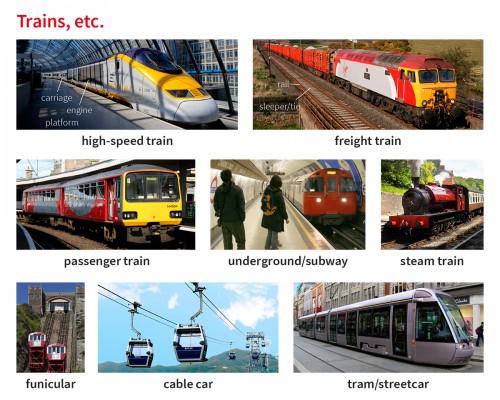
    platform(noun)

    /ˈplætfɔːrm/

    승강장, 플랫폼

    the raised area next to the track in a railway station where passengers get on and off trains

    The train to Hue leaves from platform 2.

    후에행 열차는 2번 승강장에서 출발합니다.

    Please stay together on the platform until the train arrives.

    유의어stagepodiumstandlevelbaseterrace
    반의어groundvalleybottom
  34. 34

    vacation(noun)

    /veɪˈkeɪʃn/

    휴가 (hyuga)

    a period of time spent travelling or resting away from home

    What are you going to do for vacation?

    휴가 때 뭐 할 거예요? (hyuga ttae mwo hal geo-ye-yo?)

    유의어holidaybreakrecesstime offleaverest
    반의어workemploymentlabordutyobligation
  35. 35

    local(adjective)

    /ˈləʊkl/

    지역의 (jiyeog-ui)

    belonging to or connected with the particular place or area that you are talking about or with the place where you live

    PTV is a channel of Phu Tho province. So it is local.

    PTV는 푸토성의 채널입니다. 그래서 지역적입니다.

    It was difficult to understand the local dialect.

    유의어regionalcommunitydomesticnativeprovincialparochial
    반의어nationalglobalinternationalforeignuniversal
  36. 36

    tourist(noun)

    /ˈtʊrɪst/

    관광객 (gwangwanggaek)

    a person who is travelling or visiting a place for pleasure

    Every May many tourists from around the world come to see the flower festival.

    매년 5월이면 세계 각지에서 많은 관광객들이 꽃 축제를 보러 옵니다.

    Further information is available from the local tourist office.

    유의어sightseertravelervisitorholidaymakervacationer
    반의어localresidentnative
  37. 37

    traveller(noun)

    /ˈtrævələr/

    여행자 (yeohaengja)

    a person who is travelling or who often travels

    She is a frequent traveller to Belgium.

    그녀는 벨기에에 자주 가는 여행자입니다. (Geunyeoneun Belgie-e jaju ganeun yeohaengjaimnida.)

    He passed the time chatting with fellow travellers.

    유의어touristwandererglobetrotterwayfarervoyagersightseer
    반의어homebodysettlerresidentlocal
  38. 38

    passport(noun)

    /ˈpæspɔːrt/

    여권

    an official document issued by a government that proves your identity and nationality and allows you to travel abroad

    Your passport must be valid for at least six months from your arrival date.

    여권은 입국일로부터 최소 6개월 이상 유효해야 합니다.

    Please hand me your passport and booking confirmation.

    유의어travel documentidentification
    반의어none (in a direct opposite sensealthough other forms of ID may substitute)
  39. 39

    road(noun)

    /rəʊd/

    도로 (doro)

    a hard surface built for vehicles to travel on

    This road is very narrow.

    이 도로는 매우 좁습니다. (I doroneun maeoo jopseumnida.)

    유의어streetpathavenuehighwaythoroughfareroute
    반의어dead endcul-de-sac
  40. 40

    station(noun)

    /ˈsteɪʃn/

    역 (yeok)

    a place where trains stop so that passengers can get on and off; the buildings connected with this

    I'll get off at the next station.

    다음 역에서 내릴 거예요. (Daeum yeogeseo naeril geoyeyo.)

    the main station

    유의어depotterminalstopplatformhalt
    반의어routetrackway
  41. 41

    sailing(noun)

    /ˈseɪlɪŋ/

    항해

    the sport or activity of travelling in a boat with sails

    to go sailing

    항해하러 가다

    a sailing club

    유의어boatingnavigationyachtingcruising
    반의어landlockedstaying ashore
  42. 42

    arrival(noun)

    /əˈraɪvl/

    도착 (dochak)

    an act of coming or being brought to a place

    We apologize for the late arrival of the train.

    기차 도착이 늦어진 점 사과드립니다.

    the arrival of the mail in the morning

    유의어comingappearanceentranceadventaccession
    반의어departureleavingexitabsencegoing
  43. 43

    cycle(verb)

    /ˈsaɪkl/

    자전거를 타다

    to ride a bicycle; to travel by bicycle

    I cycle every day.

    나는 매일 자전거를 탄다.

    a cycle route/track

    유의어bicycleridepedal
    반의어walkdriveremainstay
  44. 44

    fuel(noun)

    /ˈfjuːəl/

    연료 (yeonryo)

    any material that produces heat or power, usually when it is burnt

    Fuel supplies are nearly exhausted.

    연료 공급이 거의 고갈되었습니다. (Yeollyo gonggeubi geoui gogaldoe었습니다.)

    a car with high fuel consumption

    유의어petrolgasenergy sourcepropellant
    반의어inertiadrainexhaustion
  45. 45

    passenger(noun)

    /ˈpæsɪndʒər/

    승객 (seunggaek)

    a person who is travelling in a car, bus, train, plane or ship and who is not driving it or working on it

    The passenger felt excited during the trip.

    승객은 여행 동안 신이 났습니다. (Seunggaeg-eun yeohaeng dongan sin-i natseumnida.)

    I soon got talking to a fellow passenger on the flight.

    유의어travelerridercommuterfare-payer
    반의어driverpilotconductorcrew
  46. 46

    transport(noun)

    /ˈtrænspɔːrt/

    수송 (susong)

    a system for carrying people or goods from one place to another using vehicles, roads, etc.

    The bicycle is a cheap and efficient means of transport.

    자전거는 저렴하고 효율적인 수송 수단입니다. (jajeongeo-neun jeoryeom-hago hyoyuljeog-in susong sudan-imnida.)

    Most of our luggage was transported by sea.

    유의어shipmentconveyancecarriagemovementtransit
    반의어immobilitystasisinactivitystationary
  47. 47

    direction(noun)

    /dəˈrekʃn/

    방향, 쪽

    the general position a person or thing moves or points towards

    The museum is in that direction, about ten minutes from here.

    박물관은 저쪽 방향으로 여기서 10분 정도 거리에 있다.

    유의어courseroutewaybearingorientationguidanceinstructions
    반의어aimlessnessdisorientationconfusion
  48. 48

    driving(noun)

    /ˈdraɪvɪŋ/

    운전

    the way that somebody drives a vehicle; the act of driving

    driving lessons

    운전 레슨

    dangerous driving

    유의어operatingpilotingsteeringnavigating
    반의어passengeridlestationary
  49. 49

    path(noun)

    /pæθ/

    길 (gil)

    a way or track that is built or is made by the action of people walking

    The path led up a steep hill.

    그 길은 가파른 언덕으로 이어져 있었다.

    the garden path

    유의어wayroutetrailcoursetrackdirectionroad
    반의어deviationdetourimpassedead end
  50. 50

    march(verb)

    /mɑːrtʃ/

    행진하다, 행군하다

    to walk with stiff regular steps like a soldier

    The soldiers marched slowly through the streets of the town.

    군인들은 마을의 거리를 천천히 행진했다.

    유의어None (As a month name)
    반의어None (As a month name)
  51. 51

    accommodation(noun)

    /əˌkɑːməˈdeɪʃn/

    숙박

    a place to live, work or stay in

    Where can we find cheap accommodation?

    저렴한 숙박 시설은 어디에서 찾을 수 있나요?

    First-class accommodation is available on all flights.

    유의어lodginghousingquartersshelterresidenceboarddwelling
    반의어displacementevictionhomelessness
  52. 52

    departure(noun)

    /dɪˈpɑːrtʃər/

    출발 (chulbal)

    an act of leaving a place

    Our departure was delayed because of bad weather.

    궂은 날씨 때문에 우리 출발이 지연되었습니다.

    They had received no news of him since his departure from the island.

    유의어leavinggoingexitexitsetting offtakeoffgoing away
    반의어arrivalcomingstaying
  53. 53

    lorry(noun)

    /ˈlɔːri/

    트럭

    a large vehicle for carrying heavy loads by road

    a lorry driver

    트럭 운전사

    Emergency food supplies were brought in by lorry.

    유의어trucksemi-truck18-wheelervan
    반의어carbicyclescootermotorcycle
  54. 54

    rail(noun)

    /reɪl/

    철도, 기차

    railways as a system of transport

    It is often cheaper and more relaxing to travel by rail than by air.

    비행기보다 기차로 여행하는 것이 흔히 더 싸고 더 편안하다.

    유의어barrierguardrailhandrailbalustradefencing
    반의어open spacevoid
  55. 55

    map(noun)

    /mæp/

    지도 (jido)

    a drawing or plan of the earth’s surface or part of it, showing countries, towns, rivers, etc.

    A map is very helpful when you travel.

    지도는 여행할 때 매우 유용합니다. (Jidoneun yeohaeng hal ttae maeu yuyonghamnida.)

    a street map of Miami

    유의어chartatlasplanrepresentationguide
    반의어realityunstructured
  56. 56

    vehicle(noun)

    /ˈviːəkl/

    차량 (charyang)

    a thing that is used for transporting people or goods from one place to another, such as a car or lorry

    Are you the driver of this vehicle?

    당신은 이 차량의 운전자인가요? (Dangsin-eun i charyang-ui unjeonja-in-ga-yo?)

    motor vehicles (= cars, buses, lorries/trucks, etc.)

    유의어automobilecarmachinetransportconveyance
    반의어immobilitystationaryinanimate
  57. 57

    airport(noun)

    /ˈerpɔːrt/

    공항 (gonghang)

    a place where planes land and take off and that has buildings for passengers to wait in

    I went to the airport to catch a flight to San Francisco.

    샌프란시스코행 비행기를 타기 위해 공항에 갔어요.

    유의어airfieldairstriplanding stripaerodrometerminal
    반의어seaporttrain stationbus station
  58. 58

    wheel(noun)

    /wiːl/

    바퀴 (bakwi)

    one of the round objects under a car, bicycle, bus, etc. that turns when it moves

    He braked suddenly, causing the front wheels to skid.

    그는 갑자기 브레이크를 밟아 앞바퀴가 미끄러졌다. (geuneun gapjagi beureikeureul balba apbakwiga mikkeureojyeotda.)

    She was killed when she was crushed under the wheels of a bus.

    유의어circlediscroller
    반의어centerstillnessimmobility
  59. 59

    package(noun)

    /ˈpækɪdʒ/

    소포, 꾸러미

    something that is wrapped in paper or put into a thick envelope so that it can be sent by mail, carried easily, or given as a present

    The postman delivered a large package to our house this morning.

    우체부가 오늘 아침 우리 집에 큰 소포를 배달해 주었다.

    유의어wrapboxbundlecontainerizeencase
    반의어unpackunwrapopendisassemble
  60. 60

    engine(noun)

    /ˈendʒɪn/

    엔진

    the part of a vehicle that produces power to make the vehicle move

    a diesel/petrol engine

    디젤/휘발유 엔진

    I switched/turned the engine off.

    유의어motormachinepowerplant
    반의어None
  61. 61

    ticket(noun)

    /ˈtɪkɪt/

    표 (pyo)

    a printed piece of paper, or a message or image received on your phone or computer, that gives you the right to travel on a particular bus, train, etc. or to go into a theatre, etc.

    I bought a ticket for the concert.

    콘서트 티켓을 샀어요. (konseoteu tikeseul sasseoyo.)

    Tickets are available from the Arts Centre at £5.00.

    유의어passvouchercoupontokenpermitadmission
    반의어refusaldenialprohibition
  62. 62

    abroad(adverb)

    /əˈbrɔːd/

    해외 (haeoe)

    in or to a foreign country

    imports of cheap food from abroad

    해외로부터의 값싼 식량 수입 (haeoe lobuteoui gapssan siklyang suip)

    For a holiday abroad you need a valid passport.

    유의어overseasinternationallyin another countryin foreign landsaway
    반의어homelocallydomesticallyin country
  63. 63

    drive(verb)

    /draɪv/

    운전

    to operate a vehicle so that it goes in a particular direction

    Can you drive?

    운전할 수 있어요?

    Let's go for a drive.

    유의어operatepilotsteerhandleride
    반의어walkbe drivenbe a passenger
  64. 64

    boat(noun)

    /bəʊt/

    배

    a vehicle (smaller than a ship) that travels on water, moved by oars , sails or a motor

    Have you ever piloted a boat?

    배를 조종해 본 적이 있습니까?

    유의어vesselshipcraftwatercraft
    반의어land vehiclecarairplane
  65. 65

    transportation(noun)

    /ˌtrænspərˈteɪʃn/

    수송

    a system for carrying people or goods from one place to another using vehicles, roads, etc.

    the transportation industry

    수송 산업

    transportation costs

    유의어transitcarriageconveyanceshippinghaulingmovement
    반의어stasisimmobilitystagnation
  66. 66

    train(noun)

    /treɪn/

    기차

    a number of connected coaches or trucks, pulled by an engine or powered by a motor in each one, taking people and goods from one place to another

    I like riding on trains. It's a very relaxing way to travel.

    저는 기차 타는 것을 좋아합니다. 그것은 매우 편안한 여행 방법입니다.

    유의어railroad carrailcarlocomotivecar
    반의어automobileplanebusship
  67. 67

    truck(noun)

    /trʌk/

    트럭

    a large vehicle for carrying heavy loads by road

    My uncle has a truck.

    나의 삼촌은 트럭이 있다.

    All members of the team have trained in first aid.

    유의어lorrypickuphaulervan
    반의어carsedanbicyclescooter
  68. 68

    stay(verb)

    /steɪ/

    머무르다

    to continue to be in a particular place for a period of time without moving away

    We will stay at the hotel.

    우리는 호텔에 머무를 것입니다.

    an overnight stay

    유의어remainresidelodgesojournstoptarrydwell
    반의어leavedepartgotravelexit
  69. 69

    bike(noun)

    /baɪk/

    자전거 (jajeongeo)

    a bicycle

    I usually go to work by bike.

    저는 보통 자전거로 출근해요. (Jeoneun botong jajeongeo-ro chulgeunhaeyo.)

    She got on her bike and rode off.

    유의어bicyclecycle
    반의어carautomobilemotorcycle
  70. 70

    wander(verb)

    /ˈwɑːndər/

    방황하다

    to walk slowly around or to a place, often without any particular sense of purpose or direction

    She wandered aimlessly around the streets.

    그녀는 목적 없이 거리를 방황했다.

    She wandered aimlessly around the streets.

    유의어roamstrollmeanderdriftramblerove
    반의어stayremainsettlego direct
  71. 71

    tyre(noun)

    /ˈtaɪər/

    타이어

    a thick rubber ring that fits around the edge of a wheel of a car, bicycle, etc.

    Someone had slashed the tyres on her car.

    누군가 그녀의 차 타이어를 찢어 놓았다.

    유의어wheelrubberpneumatic tire
    반의어tube
  72. 72

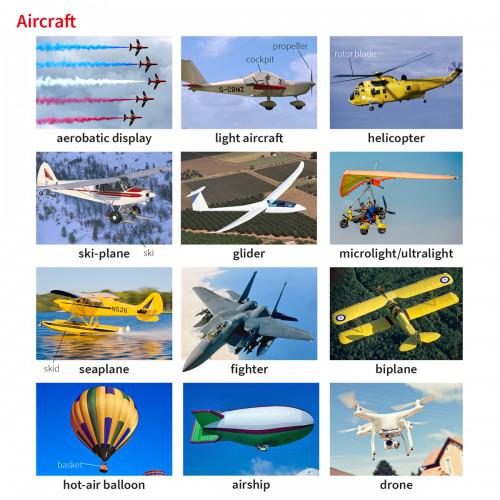
    aircraft(noun)

    /ˈerkræft/

    항공기 (hanggonggi)

    any vehicle that can fly and carry goods or passengers

    fighter/transport/military aircraft

    전투기/수송기/군용 항공기 (jeontugi/susonggi/gunyong hanggonggi)

    an expert on foreign affairs (= political events in other countries)

    유의어airplaneplaneflying machine
    반의어ground vehicleshipboat
  73. 73

    automatic(adjective)

    /ˌɔːtəˈmætɪk/

    자동

    having controls that work without needing a person to operate them

    automatic transmission (= in a car, etc.)

    자동 변속기

    a fully automatic driverless train

    유의어automatedself-actingcomputerizedrobotizedmechanized
    반의어manualhand-operated
  74. 74

    kilometre(noun)

    /kɪˈlɑːmɪtər/

    킬로미터

    a unit for measuring distance; 1 000 metres

    My school is two kilometres from my house.

    우리 학교는 우리 집에서 2킬로미터 떨어져 있다.

    유의어kmK
    반의어mile
  75. 75

    tour(noun)

    /tʊr/

    여행, 관광

    a journey made for pleasure during which several different towns, countries, etc. are visited

    We went on a two-week tour of Italy last summer.

    우리는 지난여름 2주 동안 이탈리아 여행을 다녀왔다.

    유의어tripjourneyexcursionoutingexpeditionvoyageramblejaunt
    반의어stayresidenceimmobilityinactivity
  76. 76

    seat(noun)

    /siːt/

    자리 (jari)

    a place where you can sit, for example a chair

    Please take a seat(= sit down).

    앉으세요 (Anjeuseyo).

    He put his shopping on the seat behind him.

    유의어chairbenchstoollocationplace
    반의어standingupright
  77. 77

    travel(verb)

    /ˈtrævl/

    여행 (yeohaeng)

    to go from one place to another, especially over a long distance

    How often do you travel abroad?

    해외여행은 얼마나 자주 가세요? (haeoe yeohaeng-eun eolmana jaju gaseyo?)

    The job involves a considerable amount of foreign travel.

    유의어journeytourvoyageroamexplorecommute
    반의어stayremainsettledwell
  78. 78

    hotel(noun)

    /həʊˈtel/

    호텔 (hotel)

    a building where people stay, usually for a short time, paying for their rooms and meals

    I'll book a hotel for two nights.

    이틀 밤 호텔을 예약할게요. (Iteul bam hotel-eul yeyakhalgeyo.)

    유의어motelinnlodgingaccommodationresorthostelry
    반의어homeresidenceprivate dwelling
  79. 79

    port(noun)

    /pɔːrt/

    항구 (hanggu)

    a town or city with a harbour , especially one where ships load and unload goods

    There are all kinds of commercial ships in the port.

    항구에는 모든 종류의 상선이 있습니다.

    유의어harbordockquaypierwaterfrontanchorageroadstead
    반의어open sealandinterior
  80. 80

    taxi(noun)

    /ˈtæksi/

    택시 (taeksi)

    a car with a driver that you pay to take you somewhere. Taxis usually have meters that show how much money you have to pay.

    I got in a taxi and went to the train station.

    택시를 타고 기차역에 갔어요.

    유의어cabhackyellow cab
    반의어personal carprivate vehiclebustrain
  81. 81

    speed(noun)

    /spiːd/

    속도 (sokdo)

    the rate at which somebody/something moves or travels

    There are speed restrictions on this road.

    이 도로에는 속도 제한이 있습니다. (I doroe-neun sokdo jehan-i isseumnida.)

    유의어velocitypaceswiftnessrapidityhasteacceleration
    반의어slownessdeliberationleisuredelay
  82. 82

    fly(verb)

    /flaɪ/

    날다 (nalda)

    to move through the air, using wings

    This bird cannot fly.

    이 새는 날 수 없습니다.

    A wasp had flown in through the window.

    유의어soarglidewingascendfloathovertravel by air
    반의어falldescenddropsinkplungestayremain
  83. 83

    front(noun)

    /frʌnt/

    앞, 앞면, 앞쪽

    the part or side of something that faces forward; the side of something that you look at first

    The front of the bus was very crowded this morning.

    오늘 아침 버스 앞쪽이 매우 붐볐다.

    유의어forwardleadingforemostanterior
    반의어backrearbehind
  84. 84

    ride(verb)

    /raɪd/

    타다

    to sit on and control a bicycle, motorcycle, horse, etc. as it moves

    I often ride the bicycle to work as a kind of physical exercise.

    나는 일종의 신체 운동으로 자주 자전거를 타고 출근한다.

    He was riding on a large black horse.

    유의어drivetravelmountsit onstraddlejourneyhandlecontrol
    반의어walkrunhikestayremain
  85. 85

    bus(noun)

    /bʌs/

    버스

    a large road vehicle that carries passengers, especially one that travels along a fixed route and stops regularly to let people get on and off

    You can catch a bus for Seattle at the bus station.

    버스 정류장에서 시애틀행 버스를 탈 수 있습니다.

    Shall we walk or go by bus?

    유의어motorbuscoachdouble-deckerminibuspublic transport
    반의어cartaxiprivate vehicle
  86. 86

    broadcast(verb)

    /ˈbrɔːdkæst/

    방송하다, 방영하다

    to send out programmes on television or radio

    The concert will be broadcast live on national television.

    그 콘서트는 전국 텔레비전으로 생중계될 예정이다.

    유의어transmissionprogrammeshowtelecastair
    반의어privateconfidentialunpublicized
  87. 87

    journey(noun)

    /ˈdʒɜːrni/

    여행, 여정

    an act of travelling from one place to another, especially when they are far apart

    The journey to the countryside took three hours by bus.

    시골까지 가는 여정은 버스로 세 시간이 걸렸다.

    유의어tripvoyageexpeditiontourpassagepilgrimage
    반의어stayhaltstoprestidleness
  88. 88

    located(adjective)

    /ˈləʊkeɪtɪd/

    위치한 (wichihan)

    if something is located in a particular place, it exists there or has been put there

    New York city is located in the southeastern part of New York state.

    뉴욕시는 뉴욕주의 남동쪽에 위치해 있습니다.

    The offices are conveniently located just a few minutes from the main station.

    유의어situatedsituatedpositionedplacedestablishedfound
    반의어removeddisplacedabsentunmoved
  89. 89

    flight(noun)

    /flaɪt/

    비행

    a journey made by air, especially in a plane

    a hot-air balloon flight

    열기구 비행

    a smooth/comfortable/bumpy flight

    유의어aviationsortietripjourneypassageexcursionescaperetreat
    반의어arrivalstaygroundedimprisonmentcaptivity
  90. 90

    cruise(noun)

    /kruːz/

    크루즈, 유람선 여행

    a holiday on a large ship that stops at several places, or a pleasure trip on a boat

    We booked a two-day cruise on Ha Long Bay.

    우리는 하롱베이에서 2일짜리 크루즈를 예약했다.

    The cruise stops at three ports in Thailand and Malaysia.

    유의어voyagesailingtoursea tripexcursion
    반의어staygroundedimmobile
  91. 91

    Route(noun)

    /ruːt/

    경로

    a way that you follow to get from one place to another

    Our route will take us through Germany and on to Poland.

    우리 경로는 우리를 독일을 거쳐 폴란드로 데려갈 것입니다.

    유의어coursepathwaydirectionitinerarytrajectory
    반의어deviationdetourdigressiondeparture
  92. 92

    tourism(noun)

    /ˈtʊrɪzəm/

    관광, 관광업

    the business of providing travel, accommodation, transport and activities for people visiting a place for pleasure or work

    Tourism now accounts for almost ten percent of the province's income.

    관광업은 이제 그 지방 소득의 거의 10퍼센트를 차지한다.

    The government plans to promote tourism in the northern mountain areas.

    유의어TravelSightseeingVoyagingVacationingExcursionism
    반의어ResidencySettlementLocal lifeImmigration
  93. 93

    petrol(noun)

    /ˈpetrəl/

    휘발유 (hwibal-yu)

    a liquid obtained from petroleum , used as fuel in car engines, etc.

    Petrol is highly combustible.

    휘발유는 가연성이 높습니다.

    유의어gasolinefuel
    반의어waterfire retardant
  94. 94

    shore(noun)

    /ʃɔːr/

    해안

    the land along the edge of the sea, the ocean or a lake

    I made for the shore.

    나는 해안으로 향했다.

    유의어coastseashorebeachbankwatersidestrand
    반의어seaoceaninlanddeep sea
  95. 95

    holiday(noun)

    /ˈhɑːlədeɪ/

    휴가 (hyuga)

    a period of time when you are not at work or school

    We 're enjoying our holiday.

    우리는 휴가를 즐기고 있습니다.

    유의어vacationbreakleaverecessday offtime off
    반의어workemploymentoccupationlaborduty
  96. 96

    toll(noun)

    /təʊl/

    통행료

    money that you pay to use a particular road or bridge

    The toll for crossing the bridge is five dollars.

    다리를 건너는 통행료는 5달러입니다.

    유의어feechargedutycostpayment
    반의어freegratis
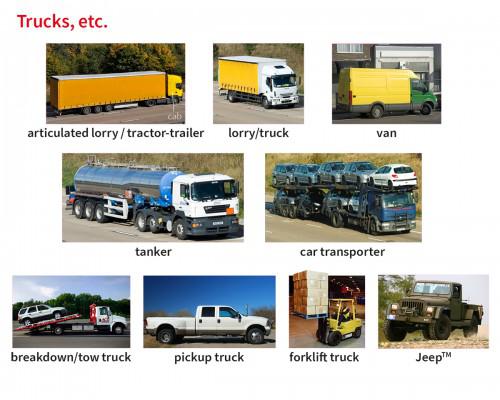
  97. 97

    trailer(noun)

    /ˈtreɪlər/

    트레일러, 세미트레일러

    a long vehicle without an engine that is pulled by a truck and carries containers or goods

    The container was lifted onto a trailer at the port gate.

    컨테이너는 항만 게이트에서 트레일러에 적재되었습니다.

    We need a flatbed trailer for this machine.

    유의어previewteaserexcerptclip
    반의어full moviefeature film
  98. 98

    landing(noun)

    /ˈlændɪŋ/

    착륙

    an act of bringing an aircraft or a spacecraft down to the ground after a journey

    The plane made a smooth landing.

    비행기는 부드럽게 착륙했습니다.

    유의어arrivaltouchdownalighting
    반의어takeoffdepartureascent
  99. 99

    booking(noun)

    /ˈbʊkɪŋ/

    예약, 부킹

    an arrangement to reserve a seat, room, tour or service for a future date

    We have a group booking for forty guests in December.

    12월에 40명 규모의 단체 예약이 있습니다.

    Online bookings increased by thirty percent this year.

    유의어reservationappointmentengagementscheduling
    반의어cancellationavailabilityvacancy
  100. 100

    embark(verb)

    /ɪmˈbɑːrk/

    승선하다, 탑승하다

    to get onto a ship or plane at the start of a journey

    Passengers will embark in Ho Chi Minh City and disembark in Siem Reap.

    승객들은 호찌민시에서 승선하여 씨엠립에서 하선합니다.

    Please show your cruise card each time you embark.

    유의어begincommencestartundertakelaunchset outboard (a ship)
    반의어endfinishconcludedisembarkleave
  101. 101

    rocket(noun)

    /ˈrɑːkɪt/

    로켓

    a spacecraft in the shape of a tube that is driven by a stream of gases let out behind it when fuel is burned inside

    The rocket carried three astronauts into space last month.

    그 로켓은 지난달 우주비행사 세 명을 우주로 실어 날랐다.

    유의어soarsurgeskyrocketincrease rapidlyboom
    반의어plummetdecrease rapidlydeclinedrop
  102. 102

    street(noun)

    /striːt/

    거리 (geori)

    a public road in a city or town that has houses and buildings on one side or both sides

    I live on Hai Ba Trung Street.

    나는 하이바쯩 거리에 살아요.

    유의어roadavenuelaneboulevardthoroughfareway
    반의어private propertydead endalleycul-de-sac
  103. 103

    leave(verb)

    /liːv/

    떠나다

    to go away from a person or a place

    When do they leave their house?

    그들은 언제 집을 떠나나요?

    유의어departexitabandonquitvacatego
    반의어arrivestayremainenterkeep
  104. 104

    turn(verb)

    /tɜːrn/

    돌다, 방향을 틀다

    to change direction so that you move towards a particular place or side

    We cannot turn right.

    우리는 우회전할 수 없다.

    유의어rotatepivotrevolvetwistveerdivertaltertransform
    반의어straightenremaincontinuestay
  105. 105

    overnight(adverb)

    /ˌəʊvərˈnaɪt/

    하룻밤

    during or for the night

    We stayed overnight in London.

    우리는 런던에서 하룻밤 묵었습니다.

    유의어nightlyeveningnighttimefor the nightone night
    반의어daytimemorningbrieflyduring the day
  106. 106

    overseas(adjective)

    /ˌəʊvərˈsiːz/

    해외의

    connected with foreign countries, especially those separated from your country by the sea or ocean

    There are a lot of overseas students in San Francisco.

    샌프란시스코에는 해외 유학생들이 많이 있습니다.

    유의어abroadforeigninternationalexternal
    반의어domesticlocalinlandhome
  107. 107

    helicopter(noun)

    /ˈhelɪkɑːptər/

    헬리콥터 (hellikopteo)

    an aircraft without wings that has large blades (= long flat parts) on top that go round. It can fly straight up from the ground and can also stay in one position in the air.

    He knows how to fly a helicopter.

    그는 헬리콥터를 조종하는 방법을 안다. (geuneun hellikopteoreul jojonghaneun bangbeobeul anda.)

    유의어chopperwhirlybirdcopter
  108. 108

    leak(verb)

    /liːk/

    새다, 새어 나오다

    to allow liquid or gas to get in or out through a small hole

    The car's fuel tank was leaking petrol all over the road.

    그 차의 연료 탱크에서 휘발유가 도로 곳곳에 새고 있었다.

    유의어dripseepoozedischargedivulgediscloserevealuncover
    반의어sealcoverhideconcealcontainsuppress
  109. 109

    parade(noun)

    /pəˈreɪd/

    퍼레이드

    a public celebration of a special day or event, usually with bands in the streets and decorated vehicles

    The children were eager to see the military parade yesterday.

    아이들은 어제 군사 퍼레이드를 보기를 간절히 바랐습니다.

    유의어processionmarchcavalcadereviewdemonstration
    반의어hideconcealretreatdispersal
  110. 110

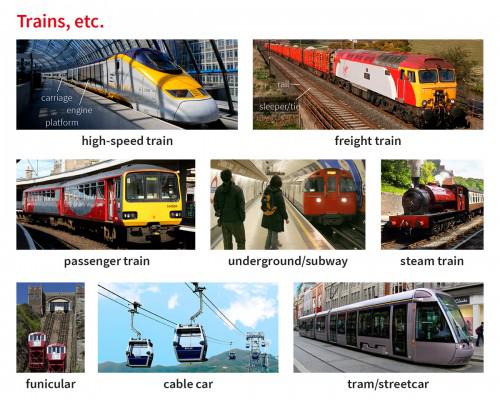
    carriage(noun)

    /ˈkærɪdʒ/

    객차, 열차 칸

    a separate section of a train for carrying passengers

    We walked through the train to find an empty carriage at the back.

    우리는 빈 객차를 찾으려고 열차 안을 걸어 맨 뒤쪽으로 갔다.

    유의어coachwagonvehiclebuggy
    반의어pedestrianwalking
  111. 111

    tide(noun)

    /taɪd/

    조수 (josu)

    a regular rise and fall in the level of the sea, caused by the pull of the moon and sun; the flow of water that happens as the sea rises and falls

    The rising tide covered the wharf.

    밀물이 부두를 덮쳤다.

    유의어ebb and flowsurgecurrentflowrisesea
    반의어ebbreflux
  112. 112

    postpone(verb)

    /pəʊˈspəʊn/

    연기하다

    to arrange for an event, etc. to take place at a later time or date than originally planned

    They decided to postpone their holiday until next year.

    그들은 휴가를 내년으로 연기하기로 결정했습니다.

    유의어delaydefersuspendadjournrescheduleput off
    반의어advanceexpediteacceleratebring forwardrush
  113. 113

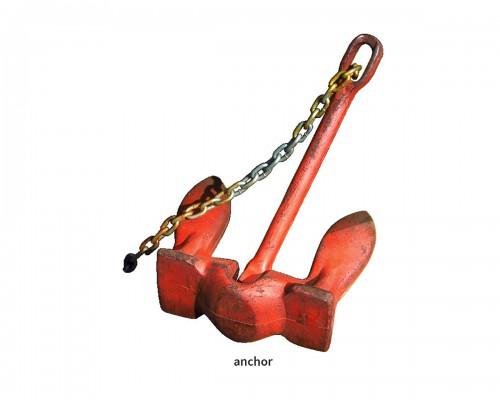
    anchor(noun)

    /ˈæŋkər/

    닻 (dat)

    a heavy metal object that is attached to a rope or chain and dropped over the side of a ship or boat to keep it in one place

    The ship dropped anchor in the bay.

    배는 만에 닻을 내렸다.

    유의어moorsecurefastenfixground
    반의어driftreleaseunmoordetach
  114. 114

    auto(noun)

    /ˈɔːtəʊ/

    자동차, 차

    a car

    He bought a new auto and drove it across the country.

    그는 새 차를 사서 전국을 가로질러 운전했다.

    유의어automaticself-actingautomated
    반의어manualhand-operated
  115. 115

    broadband(noun)

    /ˈbrɔːdbænd/

    광대역

    a way of connecting to the internet that allows you to receive information, including pictures, etc., very quickly and that is always active (so that the user does not have to connect each time)

    We upgraded to broadband for faster internet access.

    더 빠른 인터넷 접속을 위해 광대역으로 업그레이드했습니다.

    유의어high-speed internethigh-bandwidth
    반의어dial-upnarrowband
  116. 116

    cargo(noun)

    /ˈkɑːrɡəʊ/

    화물, 적하

    goods carried by a ship, plane or vehicle

    The cargo was damaged by seawater during the voyage.

    화물이 항해 중 바닷물에 손상되었다.

    This vessel carries mostly bulk cargo such as rice and coal.

    유의어freightgoodsshipmentloadconsignment
    반의어emptinessvacancynothinglightness
  117. 117

    drift(verb)

    /drɪft/

    표류하다, 떠내려가다

    to move along smoothly and slowly in water or air

    The boat began to drift away from the shore.

    보트가 해안에서 점점 멀리 떠내려가기 시작했다.

    유의어floatwanderstraymeander
    반의어stayremainanchor
  118. 118

    drown(verb)

    /draʊn/

    익사하다

    to die because you have been underwater too long and you cannot breathe; to kill somebody by holding them underwater

    He almost drowned in the river.

    그는 강에서 익사할 뻔했다.

    유의어submergesinkoverwhelm
    반의어floatsurface
  119. 119

    fleet(noun)

    /fliːt/

    함대, 선단, 차량단

    a group of ships, planes or vehicles travelling together or owned by one organization

    The fleet of ships sailed into the harbor.

    선단이 항구로 들어왔다.

    유의어navyflotillaarmadagroup of ships
    반의어single shipindividual
  120. 120

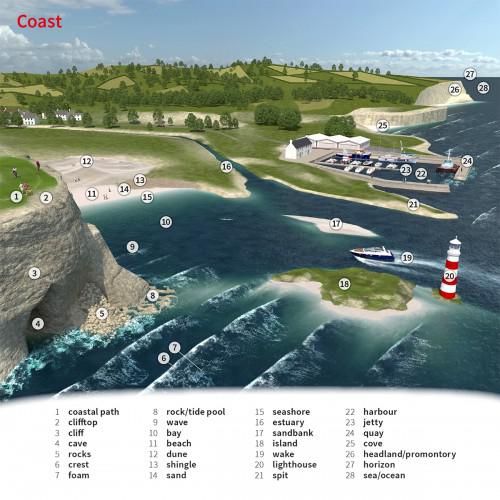
    harbour(noun)

    /ˈhɑːrbər/

    항구

    an area of water on the coast, protected from the open sea by strong walls, where ships can shelter

    The ships sought shelter in the harbour during the storm.

    배들은 폭풍우 동안 항구에서 피난처를 찾았습니다.

    유의어portdockshelterhaven
    반의어open seaexposed coast
  121. 121

    hostage(noun)

    /ˈhɑːstɪdʒ/

    인질

    a person who is captured and held prisoner by a person or group, and who may be injured or killed if people do not do what the person or group is asking

    The bank robber took three customers hostage and demanded a car.

    은행 강도는 손님 세 명을 인질로 잡고 차를 요구했다.

    유의어captiveprisoner
    반의어freeliberated
  122. 122

    jet(noun)

    /dʒet/

    제트기

    a plane driven by jet engines

    The jet took off quickly.

    제트기가 빠르게 이륙했다.

    유의어airplaneaircraftplane
    반의어slow planepropeller plane
  123. 123

    junction(noun)

    /ˈdʒʌŋkʃn/

    교차로, 분기점, 합류점

    the place where two or more roads or railway lines meet

    The accident happened at the junction of two busy roads.

    사고는 번잡한 두 도로가 만나는 교차로에서 발생했다.

    유의어intersectioncrossroadsconfluencemeeting point
    반의어separationdivergence
  124. 124

    leaflet(noun)

    /ˈliːflət/

    전단

    a printed sheet of paper or a few printed pages that are given free to advertise or give information about something

    I picked up a leaflet about the upcoming concert.

    다가오는 콘서트에 대한 전단을 집어 들었습니다.

    유의어pamphletbrochureflyerhandout
    반의어bookvolume
  125. 125

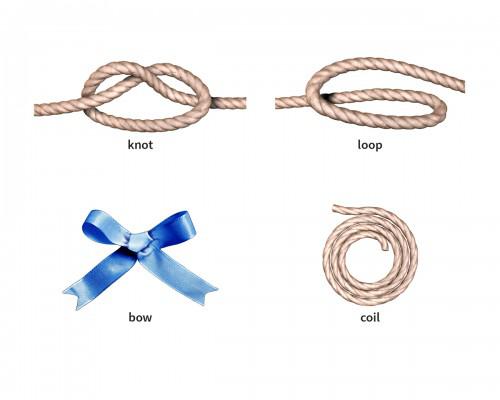
    loop(noun)

    /luːp/

    고리, 순환 노선, 루프

    a shape like a curve or circle made by a line curving right round

    The bus follows a loop around the city centre and returns to the station.

    그 버스는 시내 중심가를 한 바퀴 돌아 다시 정류장으로 돌아온다.

    유의어cyclecircuitrevolution
    반의어straightline
  126. 126

    migration(noun)

    /maɪˈɡreɪʃn/

    이주, 이동

    the movement of large numbers of people from one place to another, especially to find work or a better life

    Migration from rural areas to big cities has increased rapidly in recent years.

    최근 몇 년 사이 농촌 지역에서 대도시로의 이주가 급격히 늘었다.

    유의어relocationimmigrationemigrationmovementdisplacement
    반의어stasisimmobilitystability
  127. 127

    motorist(noun)

    /ˈməʊtərɪst/

    운전자

    a person driving a car

    The motorist was fined for speeding.

    운전자는 과속으로 벌금을 물었습니다.

    유의어drivercar drivervehicle operator
    반의어pedestrianpassenger
  128. 128

    navigation(noun)

    /ˌnævɪˈɡeɪʃn/

    항해

    the skill or the process of planning a route for a ship or other vehicle and taking it there

    The ship used satellite navigation to find its way.

    배는 위성 항법 장치를 사용하여 길을 찾았습니다.

    유의어guidanceorientationdirectioncourse-plotting
    반의어disorientationloss
  129. 129

    outing(noun)

    /ˈaʊtɪŋ/

    나들이, 소풍, 짧은 여행

    a trip that you go on for pleasure or education, usually with a group of people and lasting no more than one day

    The family went on an outing to the zoo.

    그 가족은 동물원으로 나들이를 갔다.

    유의어excursiontripjauntexcursiongetaway
    반의어indoorsstaying in
  130. 130

    overlook(verb)

    /ˌəʊvərˈlʊk/

    내려다보다, 전망하다

    to have a view of something from above

    Our hotel room overlooks the beach and the busy harbour.

    우리 호텔 방에서는 해변과 붐비는 항구가 내려다보인다.

    유의어disregardneglectmissignore
    반의어noticeobserveattend
  131. 131

    parking(noun)

    /ˈpɑːrkɪŋ/

    주차

    the act of stopping a vehicle at a place and leaving it there for a period of time

    There is no parking available near the museum.

    박물관 근처에 주차장이 없습니다.

    유의어carparkparking lotparking areagarage
    반의어movingdriving
  132. 132

    pathway(noun)

    /ˈpæθweɪ/

    통로

    a track that serves as a path

    The pathway led to a hidden garden.

    그 통로는 숨겨진 정원으로 이어져 있었다.

    유의어pathtrailroutecoursewalkway
    반의어dead endblockageobstruction
  133. 133

    patrol(noun)

    /pəˈtrəʊl/

    순찰, 순찰대

    the act of going to different parts of a building, an area, etc. to make sure that there is no trouble or crime

    Police officers are on patrol in the city centre every night.

    경찰관들이 매일 밤 시내 중심가에서 순찰을 돌고 있다.

    유의어guardwatchwalk roundmonitor
    반의어neglectignore
  134. 134

    pipeline(noun)

    /ˈpaɪplaɪn/

    파이프라인

    a series of pipes that are usually underground and are used for carrying oil, gas, etc. over long distances

    The company built a new pipeline to transport oil.

    회사는 석유를 수송하기 위해 새로운 파이프라인을 건설했습니다.

    유의어conduitchannelsystemprocess
    반의어blockageinterruptionstoppage
  135. 135

    queue(noun)

    /kjuː/

    대기열

    a line of people, cars, etc. waiting for something or to do something

    We stood in a long queue for tickets.

    우리는 티켓을 사기 위해 긴 대기열에 서 있었다.

    유의어linesequenceprocessionfile
    반의어disorderchaos
  136. 136

    shipping(noun)

    /ˈʃɪpɪŋ/

    운송, 배송, 해운

    the activity of carrying goods from one place to another, especially by ship

    The shipping costs are included in the price.

    배송비는 가격에 포함되어 있다.

    유의어deliverytransportationfreight
    반의어receivingcollection
  137. 137

    suburb(noun)

    /ˈsʌbɜːrb/

    교외

    an area where people live that is outside the centre of a city

    They live in a quiet suburb outside of the city.

    그들은 도시 외곽의 조용한 교외에 살고 있습니다.

    유의어outskirtsresidential areacommuter town
    반의어city centerdowntowninner city

  138. 138

    suburban(adjective)

    /səˈbɜːrbən/

    교외의

    in or connected with a suburb

    They live in a suburban neighborhood.

    그들은 교외 동네에 살고 있습니다.

    유의어outlyingresidentialcommuter
    반의어urbanmetropolitandowntown
  139. 139

    trail(noun)

    /treɪl/

    오솔길, 산길, 등산로

    a path through the countryside, especially one used for walking

    We followed the trail through the woods.

    우리는 숲을 지나는 오솔길을 따라갔다.

    유의어pathtrackwayroute
    반의어roadhighway
  140. 140

    transit(noun)

    /ˈtrænzɪt/

    통과

    the process of being moved or carried from one place to another

    The passenger was in transit at the airport.

    승객은 공항에서 환승 중이었습니다.

    유의어transportationpassagetransferconveyance
    반의어stagnationstandstillcessation
  141. 141

    van(noun)

    /ˌvæn ˈklaɪbɜːrn/

    밴, 소형 화물차

    a covered vehicle with no side windows in its back half, smaller than a lorry, used for carrying goods or people

    The band traveled in a van.

    그 밴드는 밴을 타고 이동했다.

    유의어truckminibuswagon
    반의어carsedan
  142. 142

    airline(noun)

    /ˈerlaɪn/

    항공사

    a company that provides regular flights to take passengers and goods to different places

    I booked a flight with the airline.

    저는 항공사에서 항공편을 예약했습니다.

    유의어carrierair carrierair transport company
    반의어ground transportationsea transportation
  143. 143

    guidance(noun)

    /ˈɡaɪdns/

    지도

    help or advice that is given to somebody, especially by somebody older or with more experience

    The teacher provided guidance to the students.

    선생님은 학생들에게 지도를 제공했습니다.

    유의어directionadvicecounselinstructionleadership
    반의어misguidancedeceptionmisdirection
  144. 144

    express(adjective)

    /ɪkˈspres/

    급행의, 특급의

    travelling very fast and stopping at only a few places

    We took the express train, which stops only at the major cities.

    우리는 주요 도시에만 정차하는 급행열차를 탔다.

  145. 145

    land(verb)

    /lænd/

    착륙하다

    to come down through the air onto the ground or another surface, especially of a plane

    Our plane landed safely at the airport at ten o'clock.

    우리 비행기는 10시에 공항에 무사히 착륙했다.

  146. 146

    lane(noun)

    /leɪn/

    차선

    a section of a wide road that is marked to show where one line of traffic should drive

    The truck suddenly moved into the fast lane without signalling.

    트럭이 방향지시등도 켜지 않고 갑자기 추월차선으로 들어왔다.

  147. 147

    tube(noun)

    /tuːb/

    런던 지하철

    the underground railway system in London

    We took the tube to Oxford Circus to go shopping.

    우리는 쇼핑하러 지하철을 타고 옥스퍼드 서커스로 갔다.

  148. 148

    underground(noun)

    /ˌʌndərˈɡraʊnd/

    지하철

    a railway system under the ground in a city

    It is quicker to travel around the city by underground than by bus.

    시내를 돌아다닐 때는 버스보다 지하철이 더 빠르다.

  149. 149

    wing(noun)

    /wɪŋ/

    날개, 주익

    one of the two long flat parts on the sides of an aircraft that lift it into the air and usually hold fuel

    Passengers in the exit rows over the wing must be able to open the doors.

    날개 위쪽 비상구 열에 앉은 승객은 문을 열 수 있어야 한다.

    The engineer checked the wing for ice before departure.

  150. 150

    lift(noun)

    /lɪft/

    엘리베이터

    a machine that carries people or goods up and down to different levels in a building

    We took the lift to the tenth floor of the hotel.

    우리는 엘리베이터를 타고 호텔 10층으로 올라갔다.

  151. 151

    gas(noun)

    /ɡæs/

    휘발유, 가솔린

    (North American English) a liquid fuel obtained from oil and used in car engines; petrol

    We stopped to buy gas before driving across the desert.

    우리는 사막을 가로질러 운전하기 전에 휘발유를 사려고 멈췄다.

  152. 152

    retreat(noun)

    /rɪˈtriːt/

    휴양지, 은신처

    a quiet, private place that you go to in order to get away from your usual life

    They spent a relaxing weekend at a mountain retreat far from the city.

    그들은 도시에서 멀리 떨어진 산속 휴양지에서 느긋한 주말을 보냈다.