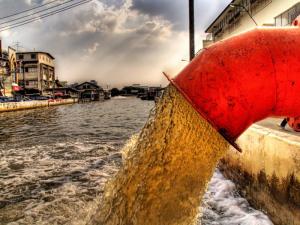
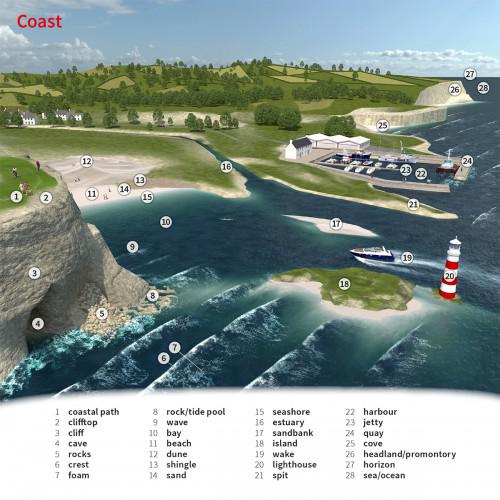
본문으로 건너뛰기

레슨 6/10 · 50단어 · 외운 단어 0

Lesson 6: THE ENVIRONMENT

6과: 환경

  1. 1

    cover(verb)

    /ˈkʌvər/

    덮다, 가리다

    to place something over or in front of something in order to hide, protect or decorate it

    Please cover the food with a cloth so the flies can't get on it.

    파리가 앉지 못하도록 음식을 천으로 덮어 주세요.

    유의어protectshelterconcealincludedeal withtake care ofhidescreen
    반의어revealexposeuncoverignoreneglectleave outexclude
  2. 2

    minimize(verb)

    /ˈmɪnɪmaɪz/

    최소화하다

    to reduce something, especially something bad, to the lowest possible level

    The shipping staff minimized customer complaints by working overtime to deliver the packages quickly

    배송 직원은 신속하게 소포를 배달하기 위해 초과 근무를 하여 고객 불만을 최소화했습니다.

    To keep the customers happy and to minimize the effect of the carrier strike, we shipped orders directly to them

    유의어reducedecreaselessencurtailabridgediminishtruncate
    반의어maximizeincreaseexpandaugmentmaximizeenlarge
  3. 3

    prohibit(verb)

    /prəˈhɪbɪt/

    금지하다

    to stop something from being done or used especially by law

    The policy prohibits smoking on school grounds.

    그 정책은 학교 구내에서의 흡연을 금지합니다.

    유의어forbidbanoutlawrestrictpreventinhibit
    반의어allowpermitauthorizeenableapprove
  4. 4

    prevent(verb)

    /prɪˈvent/

    예방하다 (yebanghada)

    to stop somebody from doing something; to stop something from happening

    By encouraging teenagers not to smoke, doctors are hoping to prevent many cases of cancer

    의사들은 청소년들에게 담배를 피우지 않도록 장려함으로써 많은 암 발생을 예방하기를 희망합니다.

    His full caseload prevented the doctor from taking on new patients

    유의어avoidaverthinderobstructprecludestopblock
    반의어allowpermitencouragepromotecausehelp
  5. 5

    deliberate(adjective)

    /dɪˈlɪbərət/

    고의적인, 의도적인

    done on purpose rather than by accident

    The fire was a deliberate attempt to destroy the forest.

    그 화재는 숲을 파괴하려는 고의적인 시도였다.

    유의어intentionalpurposefulcalculatedcarefulthoughtful
    반의어accidentalunintentionalunplannedhaphazardcareless
  6. 6

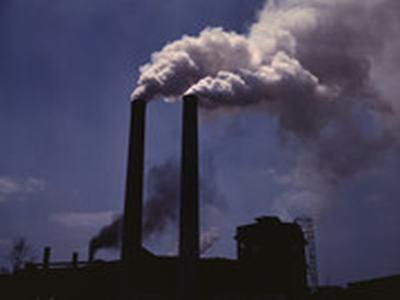
    pollution(noun)

    /pəˈluːʃn/

    오염 (oyeom)

    the process of making air, water, soil, etc. dirty; the state of being dirty

    Water pollution is becoming more serious now.

    수질 오염이 점점 더 심각해지고 있습니다.

    air/water pollution

    유의어contaminationdefilementimpurityfoulnesstaintadulteration
    반의어purificationcleansingsterilizationclarificationpristineness
  7. 7

    complaint(noun)

    /kəmˈpleɪnt/

    고객 불만, 불만 사항, 클레임

    a statement from a customer saying that they are unhappy with a product or service

    We received several complaints about late deliveries this month.

    이번 달에 배송 지연에 대한 불만이 여러 건 접수되었습니다.

    Every complaint must be answered within 24 hours.

    유의어grievanceobjectionprotestaccusationcharge
    반의어praisecommendationapprovalsatisfactionagreement
  8. 8

    reduce(verb)

    /rɪˈduːs/

    줄이다(julida)

    to make something less or smaller in size, quantity, price, etc.; to become less or smaller in size, quantity, etc.

    Doctors will always try to reduce the temperature of patients with fever.

    의사들은 열이 있는 환자의 체온을 낮추기 위해 항상 노력할 것입니다.

    Giving up smoking reduces the risk of heart disease.

    유의어decreaselessenlowerdiminishcutcurtail
    반의어increaseraiseexpandenlargeaugment
  9. 9

    row(noun)

    /rəʊ/

    줄, 열

    a number of people standing or sitting next to each other in a line; a number of objects arranged in a line

    The children sat in a row at the front of the class.

    아이들은 교실 앞쪽에 한 줄로 앉았다.

    유의어paddlepropelscullnavigate
    반의어driftsailcoast
  10. 10

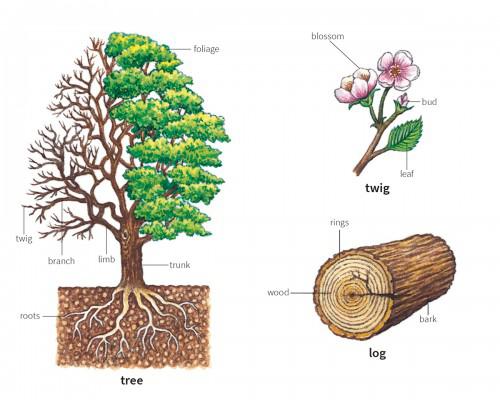
    leaf(noun)

    /liːf/

    잎 (ip)

    a flat green part of a plant, growing from a stem or branch or from the root

    The leaves on the trees were beginning to turn from green to orange.

    나무의 잎이 초록색에서 주황색으로 변하기 시작했습니다.

    유의어frondfoliageblade
    반의어trunkbranchroot
  11. 11

    spray(noun)

    /spreɪ/

    물보라, 물안개

    very small drops of a liquid that are sent through the air, for example by the wind

    The spray from the waves made our clothes wet.

    파도의 물보라 때문에 우리 옷이 젖었다.

    유의어sprinklesquirtshowermizzleatomizejet
    반의어driptrickleoozecollectgather
  12. 12

    garbage(noun)

    /ˈɡɑːrbɪdʒ/

    쓰레기 (sseuregi)

    waste food, paper, etc. that you throw away

    Don't throw garbage into the river.

    강에 쓰레기를 버리지 마세요. (gang-e sseuregireul beoriji maseyo)

    garbage collection

    유의어trashrubbishwastelitterrefuse
    반의어treasurevaluablesassetscleanliness
  13. 13

    persuade(verb)

    /pərˈsweɪd/

    설득하다 (seoldeukhada)

    to make somebody do something by giving them good reasons for doing it

    You should talk to your teacher. I think she can persuade your parents.

    선생님과 이야기해 보세요. 선생님이 당신의 부모님을 설득할 수 있을 것 같아요.

    She's always easily persuaded.

    유의어convinceinfluenceinducewin overswaycoerceentice
    반의어dissuadediscouragedeterprevent
  14. 14

    environment(noun)

    /ɪnˈvaɪrənmənt/

    환경 (hwangyeong)

    the natural world in which people, animals and plants live

    We have to protect our environment.

    우리는 우리 환경을 보호해야 합니다. (urineun uri hwangyeong-eul bohohaeya hamnida.)

    They have created an environment in which productivity should flourish.

    유의어surroundingshabitatecosystemsettingworld
    반의어none (in the sense of a single word opposite)
  15. 15

    provide(verb)

    /prəˈvaɪd/

    제공하다 (jegonghada)

    to give something to somebody or make it available for them to use

    He provides food for the poor on Sunday mornings.

    그는 일요일 아침에 가난한 사람들에게 음식을 제공합니다.

    The hospital has a commitment to provide the best possible medical care.

    유의어supplyfurnishgiveoffercontributeequippresent
    반의어takedeprivewithholdremovedeny
  16. 16

    fence(noun)

    /fens/

    울타리 (ultari)

    a structure made of wood or wire supported with posts that is put between two areas of land as a boundary , or around a garden, field, etc. to keep animals in, or to keep people and animals out

    There is a white fence around his house.

    그의 집 주변에는 흰색 울타리가 있습니다.

    a green fence

    유의어barrierenclosurehedgewallrailing
    반의어open spaceunfenced area
  17. 17

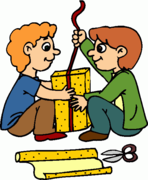
    wrap(verb)

    /ræp/

    포장하다

    to cover something completely in paper or other material, for example when you are giving it as a present

    The book is carefully wrapped.

    그 책은 조심스럽게 포장되어 있습니다.

    individually wrapped chocolates

    유의어coverenclosepackageenfoldprotect
    반의어unwrapopenexposeuncover
  18. 18

    flow(noun)

    /fləʊ/

    흐름 (heureum)

    the steady and continuous movement of something/somebody in one direction

    She tried to stop the flow of blood from the wound.

    그녀는 상처에서 피가 흐르는 것을 막으려고 했다. (Geunyeoneun sangcheoeseo piga heureuneun geoseul makkeuryeogo haetda.)

    She lost control and the tears began to flow.

    유의어streamcurrentrushsurgemovementdischarge
    반의어stagnationcessationhaltblockagestoppage
  19. 19

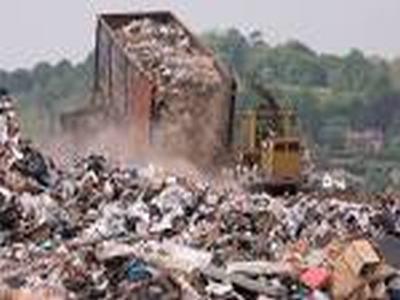
    dump(noun)

    /dʌmp/

    쓰레기장, 쓰레기 폐기장

    a place where waste or rubbish is taken and left

    People here have to suffer a disgusting smell from a garbage dump.

    이곳 사람들은 쓰레기 매립장에서 나는 역겨운 냄새를 견뎌야 한다.

    a toxic/nuclear waste dump

    유의어landfilltiprefuse heapgarbage heaprubbish heap
    반의어treasurecleanlinessneatness
  20. 20

    sand(noun)

    /sænd/

    모래 (morae)

    a substance that consists of very small fine grains of rock. Sand is found on beaches, in deserts, etc.

    They mix sand and cement to make mortar.

    그들은 모래와 시멘트를 섞어 모르타르를 만듭니다.

    Concrete is a mixture of sand and cement.

    유의어gritdustgravelbeachshore
    반의어waterrocksolid grounddirt
  21. 21

    mass(noun)

    /mæs/

    덩어리 (deongeori)

    a large amount of a substance that does not have a definite shape or form

    A mass of clouds covered the sun.

    많은 구름이 태양을 가렸다.

    Their latest product is aimed at the mass market.

    유의어bulkquantityamountaccumulationpilecollectionmultitudecrowd
    반의어individualfewlackscarcityabsence
  22. 22

    fly(verb)

    /flaɪ/

    날다 (nalda)

    to move through the air, using wings

    This bird cannot fly.

    이 새는 날 수 없습니다.

    A wasp had flown in through the window.

    유의어soarglidewingascendfloathovertravel by air
    반의어falldescenddropsinkplungestayremain
  23. 23

    creature(noun)

    /ˈkriːtʃər/

    생물 (saengmul)

    a living thing, real or imaginary, that can move around, such as an animal

    Merlion which is a creature with the head of a lion and the body of a fish is the symbol of Singapore.

    사자 머리와 물고기 몸을 가진 생물인 멀라이언은 싱가포르의 상징입니다.

    respect for all living creatures

    유의어beinganimalorganismentitylife form
    반의어inanimate objectnonbeingthing
  24. 24

    spoil(verb)

    /spɔɪl/

    망치다

    to change something good into something bad, unpleasant, etc.

    The worms spoiled the apples.

    벌레들이 사과를 망쳤다.

    The tall buildings have spoiled the view.

    유의어ruindamageimpairmardefacedestroyplunderoverindulge
    반의어improveenhancebenefitpreserveprotect
  25. 25

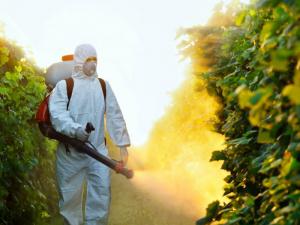
    pesticide(noun)

    /ˈpestɪsaɪd/

    살충제 (salchungje)

    a chemical used for killing pests , especially insects

    vegetables grown without the use of pesticides

    농약 없이 재배된 채소 (nongyak eopsi jaebae doen chaeso)

    유의어insecticideherbicidefungicidebiocide
    반의어nonenatural pest controlorganic pest control
  26. 26

    respiratory(adjective)

    /ˈrespərətɔːri/

    호흡기의

    connected with breathing

    Living in the polluted environment can cause some respiratory diseases.

    오염된 환경에서 사는 것은 몇몇 호흡기 질환을 유발할 수 있습니다.

    유의어pulmonaryventilatorybreathing
    반의어non-respiratory
  27. 27

    deforestation(noun)

    /ˌdiːˌfɔːrɪˈsteɪʃn/

    삼림 파괴 (samnim pagoe)

    the act of cutting down or burning the trees in an area

    There has been rising deforestation recently.

    최근 삼림 파괴가 증가하고 있습니다.

    유의어forest clearingtree removalwoodland clearancelogging
    반의어afforestationreforestationforestationtree planting
  28. 28

    pollute(verb)

    /pəˈluːt/

    오염시키다

    to add dirty or harmful substances to land, air, water, etc. so that it is no longer pleasant or safe to use

    People should not pollute their environment.

    사람들은 자신의 환경을 오염시켜서는 안 됩니다.

    유의어contaminatetaintdefilefouldirtycorruptdebase
    반의어purifycleansanitizedecontaminatepreserve
  29. 29

    recycle(verb)

    /ˌriːˈsaɪkl/

    재활용 (jaehwalyong)

    to treat things that have already been used so that they can be used again

    We can recycle waste paper.

    우리는 폐지를 재활용할 수 있습니다. (Uri-neun pyejireul jaehwalyonghal su itsseumnida.)

    유의어reusereclaimreprocessrecoversalvage
    반의어discarddisposewastedump
  30. 30

    trash(noun)

    /træʃ/

    쓰레기

    things that you throw away because you no longer want or need them

    Don't throw trash on the street.

    길에 쓰레기를 버리지 마세요.

    유의어rubbishwastegarbagelitterdebris
    반의어treasurevaluableassetresource
  31. 31

    folk(adjective)

    /fəʊk/

    민속의, 전통의

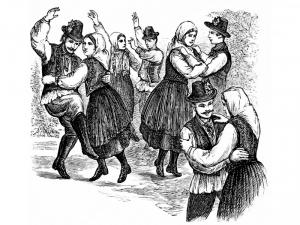
    traditional and typical of the ordinary people of a country or community

    My father only likes to hear folk songs.

    우리 아버지는 민요만 즐겨 들으신다.

    유의어traditionalethnicvernacularindigenouscommon
    반의어moderncontemporaryclassicalelitesophisticated
  32. 32

    questionnaire(noun)

    /ˌkwestʃəˈner/

    설문지

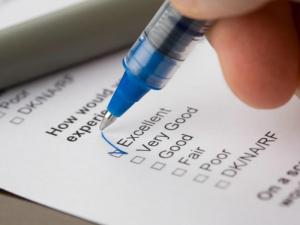
    a written list of questions that people answer to give information for a study

    Please keep the questionnaire short so people finish it.

    사람들이 끝까지 응답하도록 설문지를 짧게 만들어 주세요.

    Each shopper received a questionnaire at the checkout.

    유의어surveyformpollinquiryassessment
    반의어answerresponse
  33. 33

    reuse(verb)

    /ˌriːˈjuːz/

    재사용

    to use something again

    These milk bottles can be reused.

    이 우유 병들은 재사용할 수 있습니다.

    유의어recyclereemployrepurposerecoverutilize again
    반의어discarddisposewastedestroy
  34. 34

    achieve(verb)

    /əˈtʃiːv/

    달성하다 (dalseonghada)

    to succeed in reaching a particular goal, status or standard, especially by making an effort for a long time

    He had finally achieved success.

    그는 마침내 성공을 달성했다. (geuneun machimnae seonggongeul dalseonghaetda.)

    유의어accomplishattainreachobtainacquiregainrealizecomplete
    반의어faillosemissforfeit
  35. 35

    complain(verb)

    /kəmˈpleɪn/

    불평하다 (bulpyeonghada)

    to say that you are annoyed, unhappy or not satisfied about somebody/something

    He is always complaining about everything.

    그는 항상 모든 것에 대해 불평한다.

    유의어grumblewhineprotestgripegrouse
    반의어praisecommendapproverejoicecompliment
  36. 36

    disappointed(adjective)

    /ˌdɪsəˈpɔɪntɪd/

    실망한

    upset because something you hoped for has not happened or been as good, successful, etc. as you expected

    Critics were disappointed with his performance as King Henry.

    비평가들은 헨리 왕으로서 그의 연기에 실망했다.

    유의어let downdissatisfiedfrustrateddiscouragedcrestfallen
    반의어pleasedsatisfieddelightedcontentgratified
  37. 37

    dynamite(noun)

    /ˈdaɪnəmaɪt/

    다이너마이트

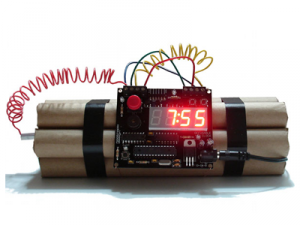
    a powerful explosive

    Using dynamite for fishing is illegal.

    낚시를 위해 다이너마이트를 사용하는 것은 불법입니다.

    유의어explosivehigh explosiveblasting agent
    반의어inertharmless
  38. 38

    exhaust fume(noun)

    /ɪɡˈzɔːst fjuːm/

    배기가스

    the harmful gases that come out of the engine of a vehicle

    There are too many exhaust fumes in the air.

    공기 중에 배기가스가 너무 많습니다.

    유의어emissionspollutionvehicle exhaustwaste gas
    반의어clean airfresh air
  39. 39

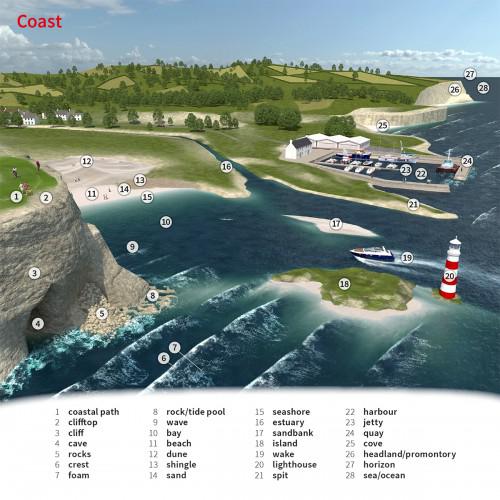
    foam(noun)

    /fəʊm/

    거품

    a mass of very small air bubbles on the surface of a liquid

    After drinking beer, there was foam on his moustache.

    맥주를 마신 뒤 그의 콧수염에 거품이 묻어 있었다.

    유의어frothlatherscumbubblessuds
    반의어liquidsolidwatermatter
  40. 40

    hedge(noun)

    /hedʒ/

    울타리 (ultari)

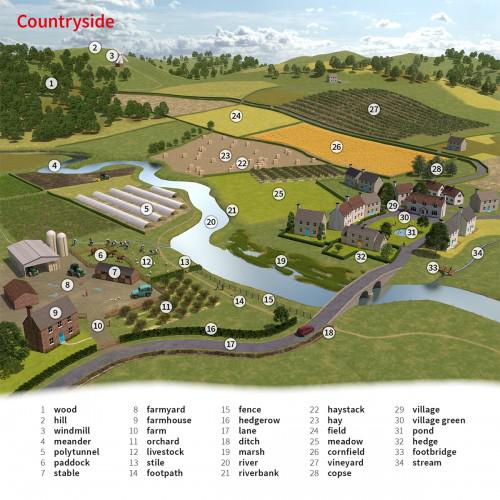
    a row of bushes or small trees planted close together, usually along the edge of a field, garden or road

    This hedge is private.

    이 울타리는 사유지입니다 (I ultarineun sayujijimnida).

    유의어barrierfenceboundaryscreenborder
    반의어openinggapaccessclearance
  41. 41

    junkyard(noun)

    /ˈdʒʌŋkjɑːrd/

    고물상 (gomulsang)

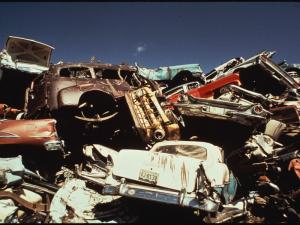
    a place where old cars, machines, etc. are collected, so that parts of them, or the metal they are made of, can be sold to be used again

    Old cars have been moved to the junkyard in the south of the city.

    오래된 차들은 도시 남쪽의 고물상으로 옮겨졌습니다.

    유의어scrapyardscrapheapwrecking yardsalvage yarddump
    반의어showroomstorage facilitywarehouse
  42. 42

    litter(noun)

    /ˈlɪtər/

    쓰레기

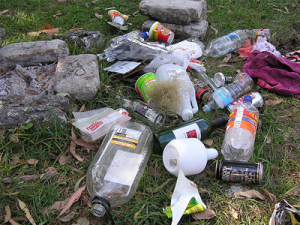
    small pieces of rubbish such as paper, cans and bottles, that people have left lying in a public place

    The park was covered in litter after the festival last weekend.

    지난 주말 축제가 끝난 뒤 공원은 쓰레기로 뒤덮여 있었다.

    유의어trashrubbishgarbagedebriswasteclutterscatter
    반의어cleantidyorder
  43. 43

    persuasive(adjective)

    /pərˈsweɪsɪv/

    설득력 있는

    able to persuade somebody to do or believe something

    His speech yesterday was not persuasive.

    그의 어제 연설은 설득력이 없었습니다.

    유의어convincinginfluentialcogentcompellingeffectiveplausible
    반의어unconvincingineffectiveweakunpersuasivedubious
  44. 44

    pump(verb)

    /pʌmp/

    펌프로 퍼 올리다, 내뿜다

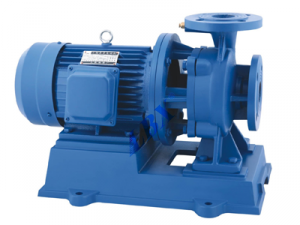
    to make water, air, gas, etc. flow in a particular direction by using a pump or something that works like a pump

    The heart pumps blood throughout the body.

    심장은 온몸으로 피를 내보낸다.

    유의어forceinjectdischargedriveexpeldrawextractpressurize
    반의어drainleakreleasewithdraw
  45. 45

    raw sewage(noun)

    /rɔː suːɪdʒ/

    미처리 하수

    waste water and human waste that has not been treated or cleaned

    Many factories have discharged raw sewage into rivers.

    많은 공장에서 처리되지 않은 하수를 강에 방류했습니다.

    유의어untreated wastewaterunprocessed effluentcrude sewageuntreated sewage
    반의어treated sewageprocessed effluentclean water
  46. 46

    rock(noun)

    /rɑːk/

    바위

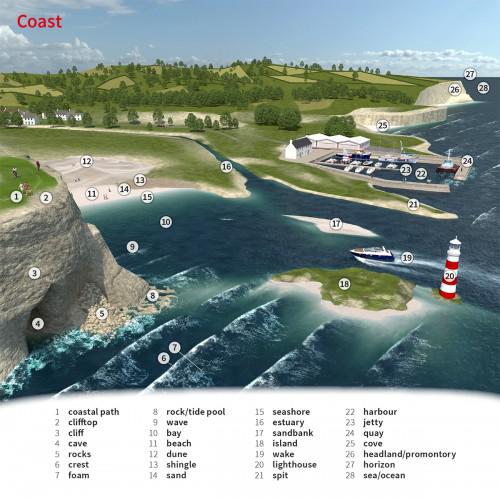
    the hard solid material that forms part of the surface of the earth and some other planets
    There are dangerous rocks around the island.

    섬 주변에 위험한 바위들이 있습니다.

    유의어stonebouldercliffoutcroppebblegravel
    반의어sandsoildirt
  47. 47

    sigh(verb)

    /saɪ/

    한숨을 쉬다

    to take and then let out a long deep breath that can be heard, to show that you are disappointed, sad, tired, etc.

    She sighed with relief that it was all over.

    그녀는 모든 것이 끝났다는 안도감에 한숨을 내쉬었다.

    유의어exhalationgroanmoanbreathe outgasp
    반의어inhalegaspinspiration
  48. 48

    spill(verb)

    /spɪl/

    쏟다

    to flow over the edge of a container by accident; to make liquid do this
    Coffee had spilled out of the cup onto the floor.

    커피가 컵에서 쏟아져 바닥에 흘렀다.

    유의어overfilloverflowshedscatterdischargepourslop
    반의어containholdkeepretaincollect
  49. 49

    unpolluted(adjective)

    /ˌʌnpəˈluːtɪd/

    오염되지 않은

    that has not been polluted (= made dirty by harmful substances)

    This river seems to be unpolluted.

    이 강은 오염되지 않은 것 같다.

    유의어cleanpurepristineuntaintedclearundefiled
    반의어pollutedcontaminateddirtyfouledimpure
  50. 50

    fine(noun)

    /faɪn/

    벌금

    a sum of money that must be paid as a punishment for breaking a law or rule

    He had to pay a fine for throwing rubbish in the park.

    그는 공원에 쓰레기를 버려서 벌금을 내야 했다.