본문으로 건너뛰기

레슨 7/10 · 50단어 · 외운 단어 0

Lesson 7: SAVING ENERGY

7과: 에너지 절약

  1. 1

    consume(verb)

    /kənˈsuːm/

    소비하다 (sobihada)

    to use something, especially fuel, energy or time

    The printer consumes more toner than the downstairs printer

    이 프린터는 아래층 프린터보다 토너를 더 많이 소비합니다.

    The business plans consumed all of Fritz's attention this fall

    유의어usedevourexpenddepleteexhaustutilizeabsorb
    반의어conservepreservesaveproducecreatehoard
  2. 2

    replace(verb)

    /rɪˈpleɪs/

    교체하다

    to be used instead of somebody/something else; to do something instead of somebody/something else

    I've replaced the hard drive that was malfunctioning

    고장난 하드 드라이브를 교체했습니다.

    We have been looking for three months and we've found no one who can replace our former administrator

    유의어substituteexchangesupplantsupersedeswapchange
    반의어keepretainpreservemaintain
  3. 3

    source(noun)

    /sɔːrs/

    출처 (chulcheo)

    a place, person or thing that you get something from

    I can't tell you the source of this information

    이 정보의 출처를 말씀드릴 수 없습니다.

    The source of this rare pottery that we are selling in our shop is a small village in India

    유의어originrootbeginningfoundationbasiscausefountainheadwellspring
    반의어resultoutcomeeffectconsequenceend
  4. 4

    resource(noun)

    /ˈriːsɔːrs/

    자원 (jawon)

    a supply of something that a country, an organization or a person has and can use, especially to increase their wealth

    The company's most valuable resource was its staff

    회사의 가장 귀중한 자원은 직원들이었습니다.

    If you don't invest in petroleum resources now, you will find that the stock prices will get away from you

    유의어assetsupplyreservesourcemeanscapabilitypotential
    반의어liabilitydeficiencylackshortagewaste
  5. 5

    waste(verb)

    /weɪst/

    낭비하다

    to use more of something than is necessary or useful, or to use it carelessly

    Without a leader, the group members wasted time and energy trying to organize themselves

    리더가 없어서 그룹 구성원들은 스스로를 조직하려고 시간과 에너지를 낭비했다.

    The meeting wasn't a waste of time, but the members had hoped to accomplish more than they did

    유의어squanderdissipatefrittermisuseconsumedeplete
    반의어conservesavepreserveeconomizeutilize
  6. 6

    decade(noun)

    /ˈdekeɪd/

    십년 (shimnyeon)

    a period of ten years, especially a continuous period, such as 1910–1919 or 2000–2009

    Each decade seems to have its own fad products

    각 십년마다 자체 유행 상품이 있는 것 같습니다.

    After a decade of trying, the company finally developed a vastly superior product

    유의어ten yearsdecennium
    반의어yearcenturyera
  7. 7

    category(noun)

    /ˈkætəɡɔːri/

    범주

    a group of people or things with particular features in common

    Jazz is one of many categories of music

    재즈는 많은 음악 범주 중 하나입니다.

    The works of Mozart are in a category by themselves

    유의어typekindsortclassgroupclassificationvarietydivision
    반의어wholeentiretyunclassified
  8. 8

    regularly(adverb)

    /ˈreɡjələrli/

    규칙적으로

    at regular intervals or times

    She brushes regularly after every meal

    그녀는 매 식사 후 규칙적으로 이를 닦습니다.

    I have to remind my son regularly to brush his teeth

    유의어frequentlyusuallyordinarilyroutinelysystematicallyconsistently
    반의어irregularlyinfrequentlyoccasionallyrarelysporadically
  9. 9

    separate(adjective)

    /ˈseprət/

    별개의, 분리된

    forming a unit by itself; not joined to something else

    I try to keep meat separate from other food in the fridge.

    나는 냉장고에서 고기를 다른 음식과 분리해 두려고 한다.

    Stir the sauce constantly so that it does not separate.

    유의어dividedetachdisconnectisolatesegregatepartition
    반의어joinconnectunitecombinemergeintegrate
  10. 10

    scheme(noun)

    /skiːm/

    계획, 제도

    a plan or system for doing or organizing something

    The government has launched a new scheme to help families save energy at home.

    정부는 가정의 에너지 절약을 돕기 위한 새 제도를 시작했다.

    유의어planprojectdesignstrategysystemarrangement
    반의어improvisationchanceaccidentrandomness
  11. 11

    ultimately(adverb)

    /ˈʌltɪmətli/

    궁극적으로

    in the end; finally

    Ultimately, all the colonies will become independent.

    궁극적으로 모든 식민지는 독립될 것입니다.

    A poor diet will ultimately lead to illness.

    유의어eventuallyfinallyin the endat lastbasicallyfundamentally
    반의어initiallyprimarilyfirstoriginally
  12. 12

    panel(noun)

    /ˈpænl/

    패널

    a square or rectangular piece of wood, glass or metal that forms part of a larger surface such as a door or wall

    Solar panels are installed on the roof of the house.

    태양광 패널이 집 지붕에 설치되어 있습니다.

    The match has been postponed to a later date.

    유의어sectionsegmentcomponentsheetboard
    반의어wholeentiretyunity
  13. 13

    recent(adjective)

    /ˈriːsnt/

    최근의

    that happened or began only a short time ago

    Recent research has shown that the earth is seriously polluted.

    최근 연구에 따르면 지구는 심각하게 오염되었습니다.

    There have been many changes in recent years.

    유의어newcurrentfreshlatestmodern
    반의어oldpastformerancientlong ago
  14. 14

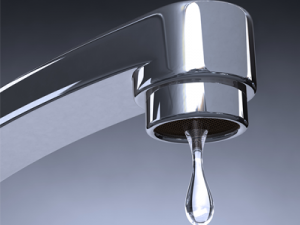
    faucet(noun)

    /ˈfɔːsɪt/

    수도꼭지 (sudokkocji)

    a device that controls the flow of water from a pipe

    She always turns off the faucet after washing clothes.

    그녀는 항상 빨래 후에 수도꼭지를 잠급니다.

    to turn a faucet on/off

    유의어tapspigotvalve
  15. 15

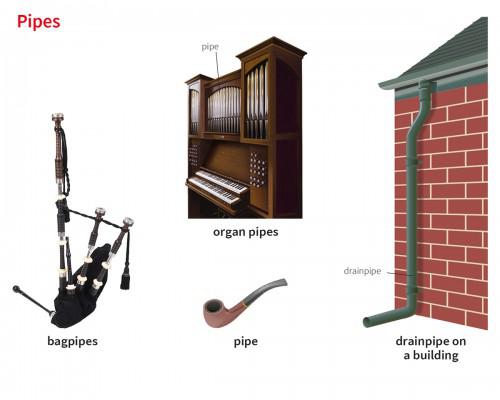
    pipe(noun)

    /paɪp/

    파이프

    a tube through which liquids and gases can flow

    The pipes in my house are broken, so water covers the floor.

    저희 집 배관이 고장 나서 바닥에 물이 덮였어요.

    hot and cold water pipes

    유의어tubeconduitductlinepipeline
    반의어blockageobstructionsolid
  16. 16

    quarter(noun)

    /ˈkwɔːrtər/

    사분의 일

    one of four equal parts of something

    It's a quarter past five.

    5시 15분입니다.

    The programme lasted an hour and a quarter.

    유의어fractionportionsegmentdistrict
    반의어wholeentiretytotal
  17. 17

    save(verb)

    /seɪv/

    절약하다, 아끼다

    to avoid wasting something or using more of it than necessary

    We need to save power.

    우리는 전력을 아껴야 한다.

    Doctors were unable to save her.

    유의어conservepreserveprotectstorerescueretainsalvage
    반의어wastespendlosesquanderexpendendanger
  18. 18

    install(verb)

    /ɪnˈstɔːl/

    설치하다

    to put software or equipment in place on a computer or system so that it is ready to use

    You need administrator rights to install software on company laptops.

    회사 노트북에 소프트웨어를 설치하려면 관리자 권한이 필요합니다.

    The technician installed the new printer on the office network.

    유의어set upput inestablishplacemountfixintroducesettle
    반의어removeuninstalldismantletake outdisestablish
  19. 19

    household(noun)

    /ˈhaʊshəʊld/

    가구, 세대, 가족

    all the people living together in a house or flat

    There are four people in our household, including my grandmother.

    우리 가족은 할머니를 포함해 네 명이다.

    유의어domesticfamilyhome
    반의어commercialbusinesspublic
  20. 20

    effectively(adverb)

    /ɪˈfektɪvli/

    효과적으로 (hyogwajeogeuro)

    in a way that produces the intended result or a successful result

    Last month, I talked to some students about how to learn effectively.

    지난달, 효과적으로 배우는 방법에 대해 몇몇 학생들과 이야기했습니다.

    You dealt with the situation very effectively.

    유의어efficientlysuccessfullyproductivelycompetentlyadeptlycapablywell
    반의어ineffectivelyinefficientlyfruitlesslyunsuccessfullypoorly
  21. 21

    receive(verb)

    /rɪˈsiːv/

    받다 (batda)

    to get or accept something that is sent or given to you

    She received her prize from the manager

    그녀는 매니저로부터 상을 받았습니다. (Geunyeoneun maenijeoreobuteo sangeul batatseupnida.)

    to receive a letter/present/phone call

    유의어getobtainacquireaccepttakegainderive
    반의어giveofferdonaterelinquishforfeitlose
  22. 22

    ordinary(adjective)

    /ˈɔːrdneri/

    보통의

    not unusual or different in any way

    They are ordinary people like you and me.

    그들은 당신과 저 같은 평범한 사람들입니다.

    an ordinary sort of day

    유의어commontypicalusualregularnormalplainaveragerun-of-the-mill
    반의어extraordinaryremarkableunusualexceptionalspecialunique
  23. 23

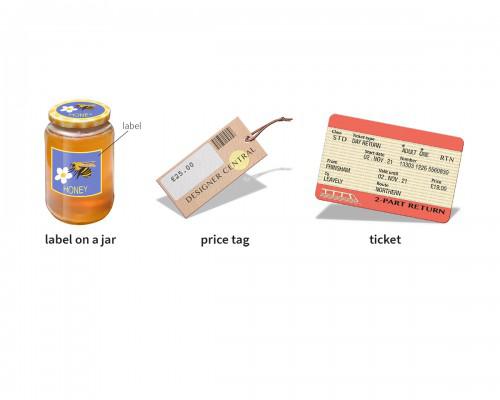
    label(noun)

    /ˈleɪbl/

    라벨, 상표, 꼬리표

    a piece of paper, etc. that is attached to something and that gives information about it

    Always read the label on the bottle before you take any medicine.

    약을 먹기 전에는 항상 병에 붙은 라벨을 읽어라.

    유의어tagstickermarkerbadgeticketmark
    반의어unmarkedunlabeledanonymousgeneric
  24. 24

    crack(noun)

    /kræk/

    금, 균열

    a line on the surface of something where it has broken but not split into separate parts

    There is a crack in his car after the accident.

    사고 후 그의 차에 금이 갔다.

    The cracks (= faults) in the government's economic policy are already beginning to show.

    유의어fissuresplitcrevicefracturebreak
    반의어solidwholeunbroken
  25. 25

    suggest(verb)

    /səˈdʒest/

    제안하다 (jeanhada)

    to put forward an idea or a plan for other people to think about

    I suggest being on time.

    제 시간에 맞춰 오시는 것을 제안합니다.

    It has been suggested that bright children should take their exams early.

    유의어proposerecommendadvisehintimply
    반의어demandinsistassertordercommand
  26. 26

    nuclear(adjective)

    /ˈnuːkliər/

    핵의 (haege)

    using, producing or resulting from nuclear energy

    People are against the nuclear test in this area.

    사람들은 이 지역에서 핵 실험을 반대합니다.

    the nuclear industry

    유의어atomicradiologicalfission
    반의어conventionalnon-nuclear
  27. 27

    bill(noun)

    /bɪl/

    계산서 (gyesanseo)

    a document that shows how much you owe somebody for goods or services

    The bill for their meal came to £17.

    그들의 식사 비용은 17파운드가 나왔습니다.

    유의어invoicestatementchecktabaccount
    반의어paymentcreditrefund
  28. 28

    innovation(noun)

    /ˌɪnəˈveɪʃn/

    혁신 (hyeoksin)

    the introduction of new things, ideas or ways of doing something

    Great innovations have been made by those famous composers.

    위대한 혁신은 저 유명한 작곡가들에 의해 이루어졌습니다.

    유의어noveltychangemodernizationalterationimprovementadvancecreationnewness
    반의어stagnationtraditionstatus quoroutinesamenessconvention
  29. 29

    infrastructure(noun)

    /ˈɪnfrəstrʌktʃər/

    기반 시설

    the basic systems and services that are necessary for a country or an organization to run smoothly, for example buildings, transport and water and power supplies

    It is necessary to improve the infrastructure for better traffic systems.

    더 나은 교통 시스템을 위해 기반 시설을 개선하는 것이 필요합니다.

    유의어frameworkfoundationbasesystemnetworkfacilitiesservices
    반의어deteriorationdecayneglectdestructiondisrepair
  30. 30

    refrigerator(noun)

    /rɪˈfrɪdʒəreɪtər/

    냉장고 (naengjanggo)

    a piece of electrical equipment in which food is kept cold so that it stays fresh

    Put the vegetables in the refrigerator.

    냉장고에 채소를 넣어라.

    유의어fridgeiceboxcooler
    반의어ovenheater
  31. 31

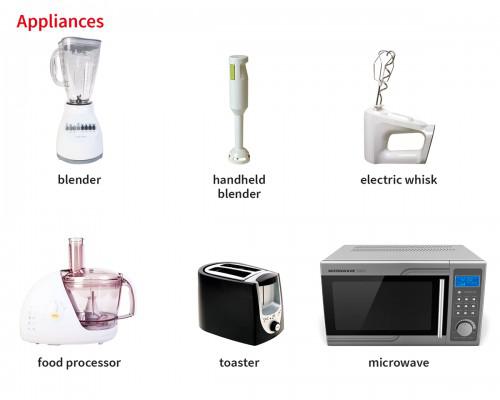
    appliance(noun)

    /əˈplaɪəns/

    가전제품 (gajeonjepum)

    a machine that is designed to do a particular thing in the home, such as preparing food, heating or cleaning

    He just bought a new set of domestic appliances.

    그는 방금 새로운 가전제품 세트를 샀다.

    유의어devicegadgetmachineequipment
    반의어tool (manual)utensil (manual)
  32. 32

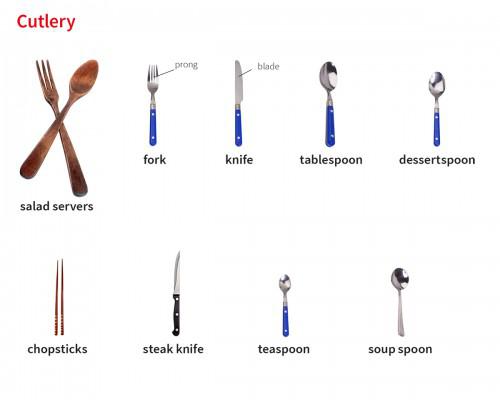
    chopstick(noun)

    /ˈtʃɑːpstɪk/

    젓가락 (jeotgarak)

    either of a pair of thin sticks that are used for eating with, especially in East Asian countries

    Vietnamese people usually use chopsticks in daily meals.

    베트남 사람들은 보통 일상 식사에서 젓가락을 사용합니다.

    유의어eating sticksfood sticks
    반의어spoonforkknife
  33. 33

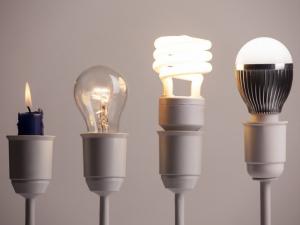
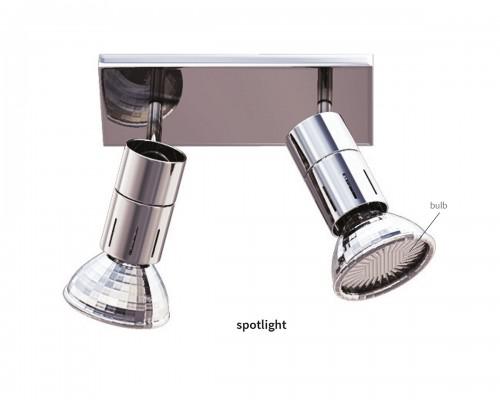
    bulb(noun)

    /bʌlb/

    전구 (jeon-gu)

    the glass part that fits into an electric lamp, etc. to give light when it is switched on

    The bulb in the kitchen needs to be changed.

    부엌 전구를 교체해야 합니다.

    유의어light bulblamp
    반의어darknessshade
  34. 34

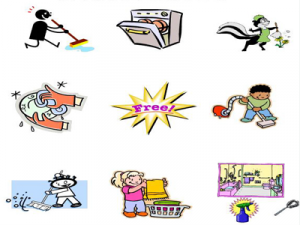
    chore(noun)

    /tʃɔːr/

    허드렛일 (heodeuretnil)

    a task that you do regularly

    You should help elderly people with their chores.

    어르신들이 집안일을 하시는 것을 도와드려야 합니다.

    유의어taskerrandjobdutywork
    반의어funrecreationleisureentertainment
  35. 35

    account for(phrasal verb)

    /əˈkaʊnt fɔː/

    차지하다

    to be a particular amount or part of something

    Clothes account for one third of her expenses.

    의류비가 그녀 지출의 3분의 1을 차지한다.

    유의어constitutecompriseexplainjustifyrepresentmake up
    반의어disregardignoreneglect
  36. 36

    car pool(noun)

    /ˈkɑːr puːl/

    카풀, 승용차 함께 타기

    an arrangement in which a group of people take turns to drive each other to work, school, etc. in one car

    You should organize a car pool to reduce traffic jams.

    교통 체증을 줄이기 위해 카풀을 조직해 보세요.

    유의어ridesharecar sharingshared rideride sharing
    반의어solo drivingsingle occupancy vehicle
  37. 37

    conservation(noun)

    /ˌkɑːnsərˈveɪʃn/

    보존 (bojon)

    the protection of the natural environment

    This kind of bird is protected by conservation plans.

    이 종류의 새는 보존 계획에 의해 보호됩니다.

    유의어preservationprotectionsafeguardingmaintenanceupkeep
    반의어destructiondepletionwasteneglectexploitation
  38. 38

    consumption(noun)

    /kənˈsʌmpʃn/

    소비 (sobi)

    the act of using energy, food or materials; the amount used

    Industrialized countries should reduce their energy consumption.

    산업 국가들은 에너지 소비를 줄여야 합니다.

    유의어useutilizationexpendituredepletionspendingabsorption
    반의어conservationpreservationsavingproductioncreation
  39. 39

    consumer(noun)

    /kənˈsuːmər/

    소비자 (sobija)

    a person who buys goods or uses services

    It is necessary to raise consumers' awareness.

    소비자들의 인식을 높이는 것이 필요합니다. (Sobijadeul-ui insig-eul nophineun geos-i pilyohabnida.)

    유의어buyerpurchasercustomeruser
    반의어producersuppliervendor
  40. 40

    drip(verb)

    /drɪp/

    방울방울 떨어지다, 똑똑 떨어지다

    to fall in small drops

    My house was full of water because the faucet had been dripping for a long time.

    수도꼭지에서 오랫동안 물이 똑똑 떨어져서 우리 집이 물바다가 되었다.

    유의어trickleleakseepdropooze
    반의어pourgushflowsurge
  41. 41

    efficiency(noun)

    /ɪˈfɪʃnsi/

    효율

    the quality of doing something well with no waste of time or money

    The reforms will lead to cost efficiency and savings.

    개혁은 비용 효율성과 절감으로 이어질 것입니다.

    유의어productivityeffectivenesscapabilitycompetenceeconomyperformanceskill
    반의어inefficiencywastefulnessincompetenceineffectiveness
  42. 42

    energy-saving(adjective)

    /ˈenədʒi ˈseɪvɪŋ/

    에너지 절약 (eneoji jeolyak)

    designed to use less energy than usual

    We should use energy-saving household appliances.

    우리는 에너지 절약형 가전제품을 사용해야 합니다. (urineun eneoji jeolyakhyeong gajeonjeompum-eul sayonghaeya hamnida.)

    유의어energy-efficientpower-savingfuel-efficient
    반의어energy-wastingpower-hungryinefficient
  43. 43

    hobby(noun)

    /ˈhɑːbi/

    취미 (chwimi)

    an activity that you do for pleasure when you are not working

    What are your hobbies?

    취미가 뭐예요? (chwimiga mwoyeyo?)

    유의어pastimeinterestpursuitactivityavocation
    반의어workchoreobligationduty
  44. 44

    luxury(noun)

    /ˈlʌkʃəri/

    사치 (sachi)

    the fact of enjoying special and expensive things, particularly food and drink, clothes and places

    We can't afford many luxuries.

    우리는 많은 사치를 누릴 여유가 없습니다.

    유의어opulenceaffluencegrandeursplendordeluxecomfortindulgence
    반의어necessitypovertyhardshipdeprivationsimplicityfrugality
  45. 45

    plumber(noun)

    /ˈplʌmər/

    배관공

    a person whose job is to fit and repair things such as water pipes, toilets, etc.

    We had to call a plumber to repair the pipes.

    우리는 배관공을 불러 파이프를 수리해야 했습니다.

    유의어pipe fitterpipe worker
    반의어laymanamateuruntrained person
  46. 46

    profitable(adjective)

    /ˈprɑːfɪtəbl/

    수익성이 좋은 (suikseong-i joheun)

    that makes or is likely to make money

    Using solar energy in manufacturing is profitable for all of us.

    제조업에서 태양 에너지를 사용하는 것은 우리 모두에게 수익성이 좋습니다.

    유의어beneficialadvantageousgainfulremunerativefruitfullucrativepaying
    반의어unprofitableloss-makingunproductiveworthless

  47. 47

    shortage(noun)

    /ˈʃɔːrtɪdʒ/

    부족 (bujok)

    a situation when there is not enough of the people or things that are needed

    There is a shortage of water in this area.

    이 지역에는 물 부족이 있습니다.

    유의어lackdearthdeficiencyscarcitypaucityinsufficiency
    반의어abundancesurplusexcessplentysufficiency
  48. 48

    solar energy(noun)

    /ˌsəʊlər ˈenərdʒi/

    태양 에너지

    energy given out by the sun in the form of heat and light

    Many buildings in some countries are heated by solar energy.

    일부 국가의 많은 건물들이 태양 에너지로 난방됩니다.

    유의어sunlight powerphotovoltaic energyradiant energy
    반의어fossil fuel energynuclear energyconventional energy
  49. 49

    model(noun)

    /ˈmɑːdl/

    모델, 기종

    a particular design or type of product

    We would like to have a look at model 321A.

    저희는 321A 모델을 한번 보고 싶습니다.

  50. 50

    conserve(verb)

    /kənˈsɜːrv/

    절약하다, 아끼다

    to use as little of something as possible so that it lasts a long time

    We can conserve energy by turning off lights we are not using.

    우리는 쓰지 않는 전등을 끔으로써 에너지를 절약할 수 있다.