본문으로 건너뛰기

레슨 30/41 · 20단어 · 외운 단어 0

Topic 31: International organizations (1)

주제 31: 국제기구 (1)

  1. 1

    emphasize(verb)

    /ˈemfəsaɪz/

    강조하다 (gangjohada)

    to give special importance to something

    The nurse emphasized the importance of eating a balanced diet

    간호사는 균형 잡힌 식단의 중요성을 강조했습니다.

    The new insurance plan emphasizes wellness by providing reimbursement for health club memberships

    유의어stresshighlightunderlineunderscoreaccentuatepoint out
    반의어downplayunderstateminimizeignorede-emphasize
  2. 2

    contemporary(adjective)

    /kənˈtempəreri/

    동시대의

    belonging to the same time

    He was contemporary with Ho Chi Minh President.

    그는 호치민 주석과 동시대 사람이었다.

    We have no contemporary account of the battle (= written near the time that it happened).

    유의어moderncurrentpresent-dayexistingcoevalof the timeconcurrentsimultaneous
    반의어oldancientpastoutdatedhistoricalprecedingfuture
  3. 3

    drought(noun)

    /draʊt/

    가뭄 (gamum)

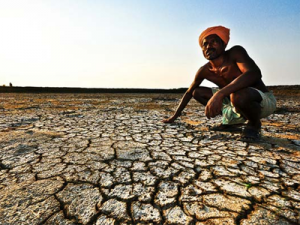
    a long period of time when there is little or no rain

    A drought caused most of the corn crop to fail.

    가뭄으로 인해 대부분의 옥수수 농사가 흉작이었다.

    유의어dry spellaridnesslack of raindesiccationshortage of water
    반의어flooddelugedownpourexcess rainabundance of water
  4. 4

    devastate(verb)

    /ˈdevəsteɪt/

    황폐화시키다

    to completely destroy a place or an area

    Such pollutants can devastate the environment.

    그러한 오염 물질은 환경을 황폐화시킬 수 있습니다.

    유의어destroyruinwreckdemolishravagedesolatedecimateannihilate
    반의어buildcreateconstructpreserverestorerepair
  5. 5

    exploitation(noun)

    /ˌeksplɔɪˈteɪʃn/

    착취

    a situation in which somebody treats somebody else in an unfair way, especially in order to make money from their work

    The organization fights against the exploitation of child workers in poor countries.

    그 단체는 가난한 나라의 아동 노동자 착취에 맞서 싸운다.

    유의어utilizationuseabusemanipulationprofiteeringextraction
    반의어conservationpreservationprotectionsustainabilitystewardship
  6. 6

    reforest(verb)

    /ˌriːˈˈfɔːr.ɪst/

    다시 숲을 조성하다, 재조림하다

    to plant new trees in an area where there used to be a forest.

    They try to reforest this area.

    그들은 이 지역에 다시 숲을 조성하려고 노력한다.

    유의어replantre-establish forestsrestore forest
    반의어deforestdeforestationclear-cut
  7. 7

    permanent(adjective)

    /ˈpɜːrmənənt/

    영구적인 (yeonggujeogin)

    lasting for a long time or for all time in the future; existing all the time

    Eighty-five percent of the land of Greenland lies beneath a permanent ice cap.

    그린란드 땅의 85%는 영구적인 만년설 아래에 놓여 있습니다.

    유의어lastingenduringstablefixedestablishedconstantimmutable
    반의어temporarytransientfleetingimpermanentunstablechangeable
  8. 8

    shorten(verb)

    /ˈʃɔːrtn/

    줄이다 (julida)

    to make something shorter; to become shorter

    I've asked him to shorten my blue jeans.

    나는 그에게 내 청바지를 줄여달라고 부탁했다.

    유의어abridgecondensetruncatereducecut
    반의어lengthenextendincreaseprolong
  9. 9

    acronym(noun)

    /ˈækrənɪm/

    두문자어 (dumunjaeo)

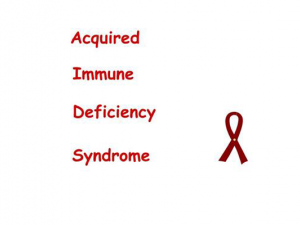
    a word formed from the first letters of the words that make up the name of something, for example ‘AIDS’ is an acronym for ‘acquired immune deficiency syndrome’

    AIDS is an acronym for "Acquired Immune Deficiency Syndrome".

    에이즈는 "후천성 면역 결핍 증후군 (Acquired Immune Deficiency Syndrome)"의 두문자어입니다.

    유의어initialismabbreviation
    반의어full formexpanded form
  10. 10

    adolescence(noun)

    /ˌædəˈlesns/

    청소년기

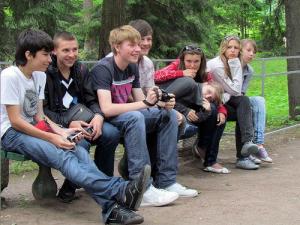
    the time in a person’s life when they develop from a child into an adult

    She had a troubled adolescence.

    그녀는 힘든 청소년기를 보냈습니다.

    유의어teenage yearsyouthteenspuberty
    반의어childhoodadulthoodold age
  11. 11

    heighten(verb)

    /ˈhaɪtn/

    고조시키다

    if a feeling or an effect heightens , or something heightens it, it becomes stronger or increases

    The strong police presence only heightened the tension among the crowd.

    강력한 경찰의 존재는 군중들 사이의 긴장감을 고조시켰을 뿐이다.

    유의어increaseintensifyamplifymagnifyescalateaggravate
    반의어decreasereducelessendiminishweakenalleviate
  12. 12

    donor(noun)

    /ˈdəʊnər/

    기증자 (gijeungja)

    a person or an organization that makes a gift of money, clothes, food, etc. to a charity, etc.

    The charity received £100,000 from an unnamed donor.

    그 자선단체는 익명의 기증자로부터 10만 파운드를 받았습니다.

    유의어contributorgiverbenefactorpatronphilanthropistsponsor
    반의어recipientbeneficiary
  13. 13

    outpost(noun)

    /ˈaʊtpəʊst/

    전초 기지

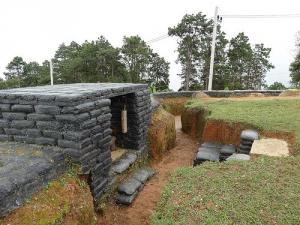
    a small military camp away from the main army, used for watching an enemy’s movements, etc.

    a military outpost

    군사 전초 기지

    유의어stationbasepositionguard postforward postfrontier post
    반의어retreatrearcenterheadquarters
  14. 14

    lodge(noun)

    /lɑːdʒ/

    산장 (sanjang)

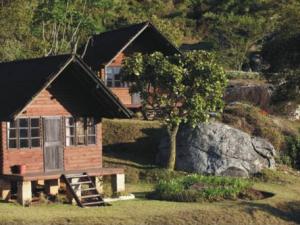
    a small house in the country where people stay when they want to take part in some types of outdoor sport

    a mountain lodge used by climbers

    등반가들이 사용하는 산장

    유의어cabinchalethutretreatresort
    반의어citymetropolisbustling area
  15. 15

    dues(noun)

    /duː/

    회비, 가입비

    an amount of money that you pay regularly to belong to an organization

    Members of the club pay $50 in annual dues.

    클럽 회원들은 연회비로 50달러를 낸다.

    유의어feessubscriptionschargespaymentslevies
    반의어refundrebatedonationfree
  16. 16

    organization(noun)

    /ˌɔːrɡənəˈzeɪʃn/

    조직 (jojik)

    a group of people who form a business, club, etc. together in order to achieve a particular aim

    He's the president of a large international organization.

    그는 큰 국제 조직의 회장입니다.

    유의어institutioncompanyassociationgroupbodyestablishmentsystemarrangement
    반의어disorderchaosdisorganizationindividualismanarchy
  17. 17

    self-help(noun)

    /ˌself ˈhelp/

    자조, 자립

    the act of relying on your own efforts and abilities in order to solve your problems, rather than depending on other people for help

    It is a group providing self-help for single parents.

    그곳은 한부모들에게 자조 활동을 제공하는 모임이다.

    유의어self-improvementpersonal developmentself-relianceself-sufficiency
    반의어dependencereliance on othershelp from othersassistance

  18. 18

    abuse(noun)

    /əˈbjuːs/

    학대, 폭력

    unfair, cruel or violent treatment of somebody

    The organization works to stop child abuse and other human rights abuses.

    그 단체는 아동 학대와 그 밖의 인권 침해를 막기 위해 활동한다.

  19. 19

    relief(noun)

    /rɪˈliːf/

    구호품, 구호, 구제

    food, money, medicine, etc. that is given to help people in a place where there has been a war or natural disaster

    The United Nations sent relief to the victims of the earthquake.

    유엔은 지진 피해자들에게 구호품을 보냈다.

  20. 20

    veteran(noun)

    /ˈvetərən/

    참전 군인, 재향 군인

    a person who has been a soldier, sailor, etc. in a war

    He is a Vietnam veteran.

    그는 베트남전 참전 군인이다.