본문으로 건너뛰기

레슨 6/12 · 27단어 · 외운 단어 0

Topic 6: Phrasal verb (2)

주제 6: 구동사 (2)

  1. 1

    keep up with(phrasal verb)

    /kiːp ʌp wɪð/

    ~에 뒤지지 않다, 따라가다, 최신 정보를 알다

    to learn about or stay aware of the latest news or developments

    Employees are encouraged to take courses in order to keep up with new developments

    직원들은 새로운 동향을 따라가기 위해 강좌를 수강하도록 권장됩니다.

    The workers were told that they must keep up with the changes or they would find themselves without jobs

    유의어stay currentstay abreastkeep pacefollowtrackbe informed
    반의어fall behindlagignoreneglect
  2. 2

    Look for(phrasal verb)

    lʊk fɔr

    찾다

    to try to find somebody or something

    I'm looking for the dairy section of this supermarket.

    저는 이 슈퍼마켓의 유제품 코너를 찾고 있어요.

    유의어SeekSearchHuntPursueExplore
    반의어FindDiscoverIgnoreOverlookMiss
  3. 3

    go away(phrasal verb)

    가세요

    to leave a person or place

    If she’s bothering you, tell her to go away.

    그녀가 당신을 괴롭히면, 가라고 말하세요.

    유의어leavedepartexitdisappearbe offscram
    반의어arrivecomestayremainapproach
  4. 4

    go on(phrasal verb)

    계속하다, 계속되다

    to continue doing something or to continue happening.

    If it goes on raining like this, the football match will be cancelled.

    이렇게 계속 비가 오면 축구 경기는 취소될 것이다.

    유의어continueproceedpersistcarry onkeep on
    반의어stopceasehaltdiscontinueend
  5. 5

    grow up(phrasal verb)

    /phrasal verb/

    자라다 (jarada)

    to develop into an adult

    She grew up in Boston

    그녀는 보스턴에서 자랐다 (Geunyeoneun Boseuteon-eseo jaratda).

    유의어maturedevelopagematuredevelopflourish
    반의어regressstuntdeclinestay young
  6. 6

    hand in(phrasal verb)

    /hænd ɪn/

    제출하다

    to give something to a person in authority, especially a piece of work or something that is lost

    Please hand in your homework to the teacher by Friday.

    숙제는 금요일까지 선생님께 제출하세요.

    유의어submitpresentdeliverturn in
    반의어withdrawkeepretain
  7. 7

    hand out(phrasal verb)

    /hænd aʊt/

    나눠 주다, 배부하다

    to give a number of things to the members of a group

    The teacher handed out the test papers to all the students.

    선생님은 모든 학생에게 시험지를 나눠 주셨다.

    유의어distributegive outdispenseallocateissueshare
    반의어withholdkeepretaincollectgather
  8. 8

    jump at a chance(idiom)

    /dʒʌmp æt ə tʃæns/

    기회를 놓치지 않고 잡다, 기회에 덥석 달려들다

    to accept an opportunity quickly and eagerly.

    I will jump at the chance to go with him.

    나는 그와 함께 갈 기회가 오면 덥석 잡을 것이다.

    유의어seizeembracewelcomegrabaccept eagerly
    반의어hesitatedeclinerejectwaver
  9. 9

    keep on(phrasal verb)

    /kiːp ɑːn/

    계속하다

    to continue

    If you keep on working hard, eventually you will succeed.

    계속 열심히 노력하면 결국 성공할 것입니다.

    유의어continuepersistcarry ongo onperseveremaintain
    반의어stopquitceasediscontinuehalt
  10. 10

    knock out(phrasal verb)

    /nɑːk aʊt/

    넉아웃시키다

    to make somebody go to sleep or become unconscious

    This boxer will knock out his opponent with a single punch in the nose.

    이 권투선수는 코에 한 방 먹여 상대를 넉아웃시킬 것이다.

    유의어defeatincapacitaterender unconsciousstunovercome
    반의어reviverecoverawakenlose
  11. 11

    leave out(phrasal verb)

    /liːv aʊt/

    생략하다 (saengnyakhada)

    to not include or mention somebody/something in something

    You may leave out the minor details.

    사소한 세부 사항은 생략해도 됩니다. (sasohan sebu sangeun saengnyakhado doemnida.)

    유의어omitexcludemiss outskipdisregard
    반의어includeaddinsertincorporatemention
  12. 12

    live up to(phrasal verb)

    /lɪv ʌp tu/

    기대에 부응하다

    to do as well as or be as good as other people expect you to

    He will live up to his father's expectations.

    그는 아버지의 기대에 부응할 것이다.

    유의어meetfulfillsatisfymeasure up toreachachieve
    반의어fall short offaildisappoint
  13. 13

    live on(phrasal verb)

    /lɪv ɑːn/

    ~으로 살아가다, ~을 먹고 살다

    to have a particular amount of money, or a particular type of food, to live.

    It is very hard to live on such a small salary in a big city.

    대도시에서 그렇게 적은 월급으로 살아가기는 매우 어렵다.

    유의어inhabitresideexistdwellsubsist
    반의어dieperishleavedepart
  14. 14

    look back on(phrasal verb)

    /lʊk bæk ɑːn/

    되돌아보다 (doedoraboda)

    to think about something that happened in your past.

    When I look back on my life, I realize how much time I wasted.

    내 인생을 되돌아보면, 얼마나 많은 시간을 낭비했는지 깨닫게 된다.

    유의어reminiscereflectrecallrememberreview
    반의어forgetoverlookignore
  15. 15

    make up for(phrasal verb)

    보상하다 (bosanghada)

    to do something that corrects a bad situation

    Nothing can make up for the loss of a child.

    어떤 것도 아이를 잃은 것을 보상할 수 없다.

    유의어compensatereimburseatoneoffsetredressamendexpiate
    반의어worsenaggravateexacerbatedamageharmimpair
  16. 16

    make up(phrasal verb)

    화장하다 (hwajanghada)

    to put powder, lipstick , etc. on your/somebody’s face to make it more attractive or to prepare for an appearance in the theatre, on television, etc.

    My mother makes herself up every morning.

    우리 엄마는 매일 아침 화장해요. (Uri eomma-neun maeil achim hwajanghaeyo.)

    유의어apply makeupput on makeupcosmeticizedoll up
    반의어remove makeupwash offgo barefaced
  17. 17

    mix up(phrasal verb)

    / /mɪks ʌp//

    혼동하다, 착각하다

    to think wrongly that somebody or something is somebody or something else.

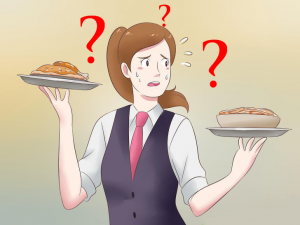
    If the waitress mixes up our orders, none of us will get what we want.

    종업원이 우리 주문을 혼동하면 우리 중 아무도 원하는 것을 받지 못할 것이다.

    유의어confusejumblemuddledisarrangeinterchange
    반의어organizesortarrangeclarifyorder
  18. 18

    pass by(phrasal verb)

    /to go past/

    지나가다 (jinagada)

    to go past

    I pass by your house every morning on my way to work.

    매일 아침 출근길에 네 집 앞을 지나가요. (Maeil achim chulgeunggil-e ne jib ap-eul jinagayo.)

    유의어go bywalk pastgo pasttravel pastelapse
    반의어stopstayremainhalt
  19. 19

    pass away(phrasal verb)

    /pæs əˈweɪ/

    돌아가시다 (doragasida)

    to die. People say ‘ pass away’ to avoid saying ‘ die’ .

    My grandmother passed away peacefully last night.

    저의 할머니는 어젯밤 편안하게 돌아가셨습니다. (Jeoui halmeonineun eojetbam pyeonanage doragasyeotseumnida.)

    유의어diedeceaseexpiredepartperishkick the bucket
    반의어be bornlivesurvive
  20. 20

    make up your mind(idiom)

    결정하다 (gyeoljeonghada)

    to decide something after thinking about it.

    I can’t make up my mind about Tom. Shall we give him the job?

    톰에 대해 결정을 못 하겠어. 그에게 그 일을 줘야 할까?

    유의어decidedetermineresolvechoosesettle
    반의어hesitatewaverdoubtvacillate
  21. 21

    make up the bed(phrase)

    침대 정리

    to prepare a bed for somebody to sleep in by putting sheets and covers on it.

    Can you make up the beds, please?

    침대 정리 좀 해주시겠어요?

    유의어tidy the bedprepare the bedarrange the bedclothes
    반의어mess up the beddisarrange the bed
  22. 22

    make up with somebody(phrasal verb)

    화해하다 (hwahaehada)

    to end a disagreement or quarrel with somebody and become friends again

    Mum, please make up with dad. You can’t be mad at him forever.

    엄마, 아빠랑 화해하세요. 영원히 화내고 있을 수는 없잖아요.

    유의어reconcilebury the hatchetpatch things upmake peacebe friends again
    반의어fall outquarrelarguebreak upbe at odds
  23. 23

    make up a story(phrase)

    /meɪk ʌp/

    이야기를 지어내다

    to invent a story that is not true, often in order to trick somebody

    She made up a story.

    그녀는 이야기를 지어냈다.

    유의어fabricateinventconcoctdevisecreateimagine
    반의어recountreportnarraterelatetell the truth
  24. 24

    make something of something(phrasal verb)

    이해하다

    to understand the meaning or nature of somebody/something

    Can you make anything of these signals?

    이 신호들로부터 무엇이라도 이해할 수 있나요?

    유의어understanddecipherinterpretcomprehendfigure out
    반의어misunderstandmisinterpretconfuseignore
  25. 25

    make something over to somebody(phrasal verb)

    양도하다

    to legally give money or property to somebody else

    Mary made this fashion shop over to her aunt.

    메리는 이 패션 가게를 그녀의 이모에게 양도했다.

    유의어transferhand overassignconveycedegrant
    반의어retainkeepholdreceive
  26. 26

    make something out to be(phrasal verb)

    가장하다 (gajanghada)

    to claim that somebody/something is true or is a particular type of person or thing, often falsely

    He makes himself out to be an important artist but his paintings are utter garbage.

    그는 중요한 예술가인 척 하지만 그의 그림은 완전히 쓰레기다.

    유의어pretendfeignsimulatepose asprofess to be
    반의어berevealexposedisclose

  27. 27

    go ahead(phrasal verb)

    /ɡəʊ əˈhed/

    진행하다, 강행하다

    to begin or continue to do something, especially after waiting for permission

    We decided to go ahead with the picnic even though the sky was cloudy.

    우리는 하늘이 흐렸지만 소풍을 그대로 진행하기로 했다.