Lição 10/12 · 13 palavras · 0 aprendidas
Lesson 10: WHY DO YOU LIKE BEARS?
Lição 10: Por que você gosta de ursos?
balançar, balançar-se
to move backwards or forwards or from side to side while hanging from a fixed point; to make something do this
The monkeys swing from branch to branch in the tall trees.
Os macacos se balançam de galho em galho nas árvores altas.
SinônimososcillaterotatepivotswaymovehangdanglevibrateAntônimosstillnessfixitystabilitymotionlessnessimmobilitycobra
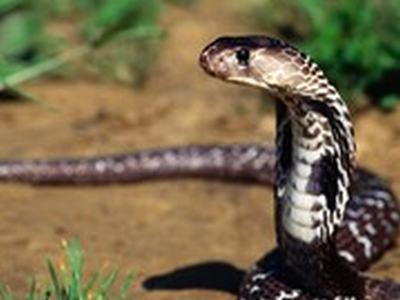
a reptile with a very long thin body and no legs. There are many types of snake , some of which are poisonous.
Venomous snakes spit and hiss when they are cornered.
Cobras venenosas cospem e assobiam quando estão encurraladas.
a snake coiled up in the grass
SinônimosserpentreptileviperpythoncobraAntônimosfriendallyelefante
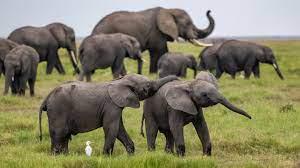
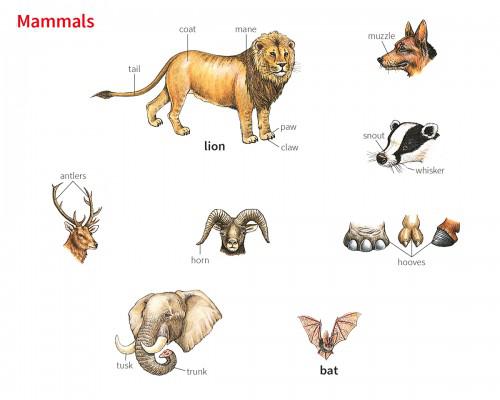
a very large animal with thick grey skin, large ears, two curved outer teeth called tusks and a long nose called a trunk . There are two types of elephant , the African and the Asian.
Elephants are the largest existing land animals.
Os elefantes são os maiores animais terrestres existentes.
SinônimosmammothpachydermAntônimosdwarfminiature animalsmall animalleão
a large, powerful animal of the cat family that hunts in groups and lives in parts of Africa and southern Asia. Lions have yellow-brown fur and the male has a mane (= long, thick hair round its neck).
Lion populations are untenable outside designated protected areas
As populações de leões são insustentáveis fora das áreas protegidas designadas.
SinônimosKing of beastsLeoAfrican lionAntônimosPrey animalmacaco
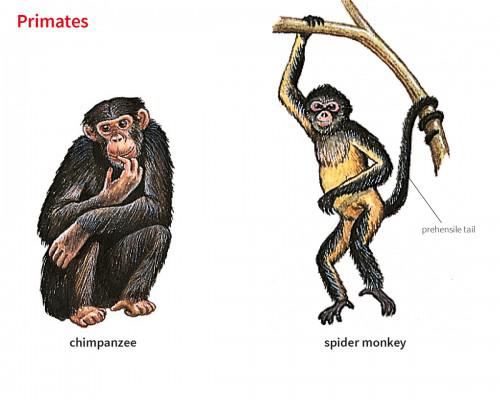
an animal with a long tail, that climbs trees and lives in hot countries. There are several types of monkey and they are related to apes and humans.
The many species of monkey have varied relationships with humans.
As muitas espécies de macacos têm relações variadas com os humanos.
SinônimosapeprimatesimianAntônimoshumannon-primatetigre
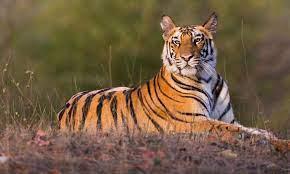
a large wild animal of the cat family that has orange fur with black stripes (= narrow lines) and lives in parts of Asia
The tiger is the largest living cat species and a member of the genus Panthera.
O tigre é a maior espécie de felino viva e um membro do gênero Panthera.
Sinônimosnone (tiger is a specific animal)Antônimosnone (tiger is a specific animal)circo
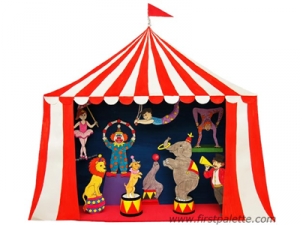
a group of people, sometimes with trained animals, who perform acts with skill in a show that travels around to different places
The children enjoyed excellent performances at the circus yesterday.
As crianças desfrutaram de excelentes apresentações no circo ontem.
Sinônimosbig toptraveling showperformance artspectacleAntônimosrealityseriousnessordinarinesscrocodilo
a large reptile with a long tail, hard skin and very big jaws . Crocodiles live in rivers and lakes in hot countries.
The crocodile lurked in the muddy riverbank.
O crocodilo espreitava na margem lamacenta do rio.
SinônimosalligatorreptileAntônimosNone (no direct antonym)canguru
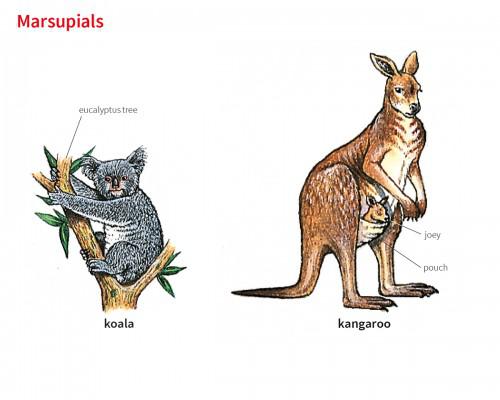
a large Australian animal with a strong tail and back legs, that moves by jumping. The female carries its young in a pocket of skin (called a pouch ) on the front of its body.
The kangaroo hopped across the Australian outback.
O canguru saltou pelo interior australiano.
Sinônimosmarsupialjoey (young kangaroo)AntônimosNone (kangaroos are a unique species with no direct antonym)