第 10/12 課 · 13 個單字 · 已學會 0 個
Lesson 10: WHY DO YOU LIKE BEARS?
第10課:你為什麼喜歡熊?
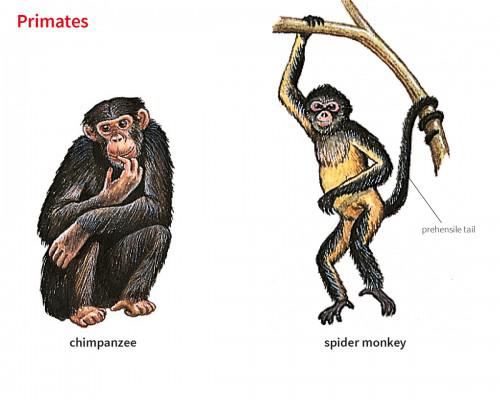
擺動, 搖擺, 盪
to move backwards or forwards or from side to side while hanging from a fixed point; to make something do this
The monkeys swing from branch to branch in the tall trees.
猴子在高大的樹林中從這根樹枝盪到那根樹枝。
同義詞oscillaterotatepivotswaymovehangdanglevibrate反義詞stillnessfixitystabilitymotionlessnessimmobility大象, 象
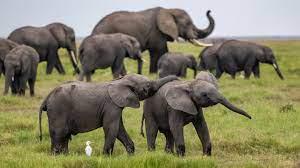
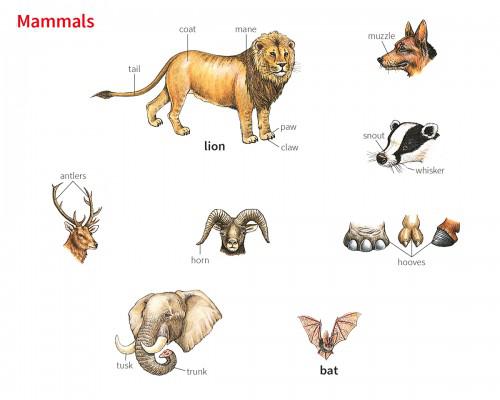
a very large animal with thick grey skin, large ears, two curved outer teeth called tusks and a long nose called a trunk . There are two types of elephant , the African and the Asian.
Elephants are the largest existing land animals.
大象是現存最大的陸生動物。
同義詞mammothpachyderm反義詞dwarfminiature animalsmall animal獅子
a large, powerful animal of the cat family that hunts in groups and lives in parts of Africa and southern Asia. Lions have yellow-brown fur and the male has a mane (= long, thick hair round its neck).
Lion populations are untenable outside designated protected areas
在指定的保護區之外,獅子族群難以存續。
同義詞King of beastsLeoAfrican lion反義詞Prey animal老虎, 虎
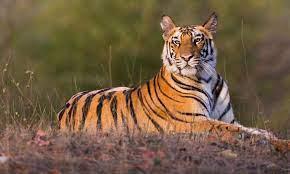
a large wild animal of the cat family that has orange fur with black stripes (= narrow lines) and lives in parts of Asia
The tiger is the largest living cat species and a member of the genus Panthera.
老虎是現存體型最大的貓科動物,屬於豹屬。
同義詞none (tiger is a specific animal)反義詞none (tiger is a specific animal)馬戲團
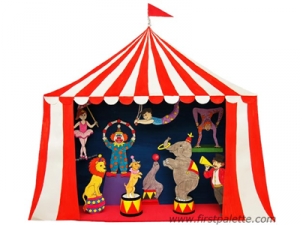
a group of people, sometimes with trained animals, who perform acts with skill in a show that travels around to different places
The children enjoyed excellent performances at the circus yesterday.
孩子們昨天在馬戲團欣賞了精彩的表演。
同義詞big toptraveling showperformance artspectacle反義詞realityseriousnessordinariness袋鼠
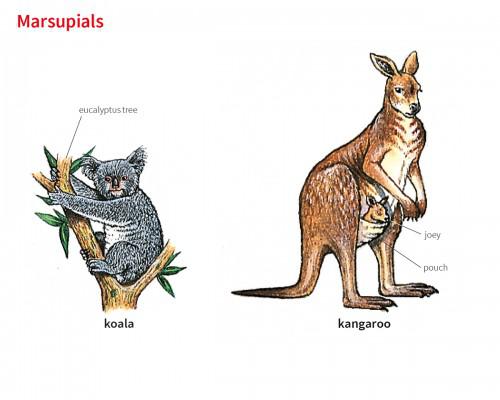
a large Australian animal with a strong tail and back legs, that moves by jumping. The female carries its young in a pocket of skin (called a pouch ) on the front of its body.
The kangaroo hopped across the Australian outback.
袋鼠跳躍著穿過澳洲的內陸荒野。
同義詞marsupialjoey (young kangaroo)反義詞None (kangaroos are a unique species with no direct antonym)